Pseudoneoponera insularis - "Foaming Ant (referring to the genus)"
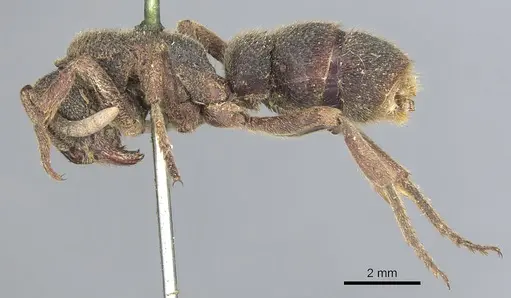
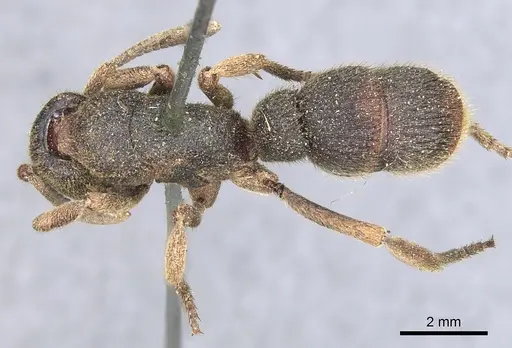
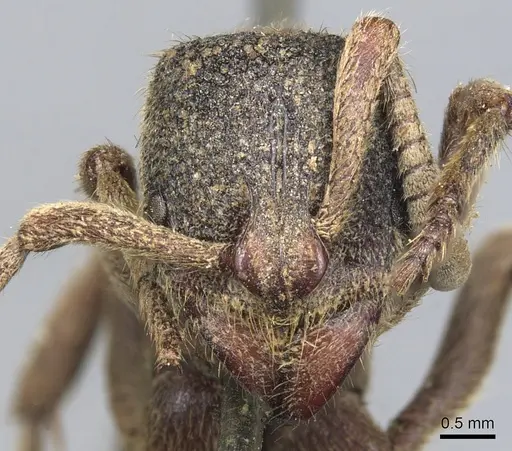
Pseudoneoponera insularis is a fascinating ponerine ant species known for its robust build and coarse sculpturing. Workers are medium to large in size, typically ranging from 9 to 18 mm. They are characterized by a shaggy pilosity, a unique nodiform petiole that is semicircular in dorsal view and often has a denticulate posterodorsal margin, and longitudinally striate tergite A3. A highly distinctive feature of this genus, including P. insularis, is their unusual defensive mechanism: workers can exude a foamy, thread-like substance from their venom glands when threatened.
- Difficulty: Hard
- Origin & Habitat: Southeast Asia and Indo-Australian Region, specifically Indonesia (Java, Mentawei, Sumatra), Malaysia (peninsula), Singapore, and Sri Lanka. in These ants are found in tropical and subtropical regions. Nests are usually located within the soil (hypogaeic) but can sometimes be found in trees (arboreal). They are often found in forest habitats, with foraging activity occurring in the leaf litter and on trees..
- Colony Type: Polygynous (multiple queens) or Queenless with Gamergates, claustral with potential for fission or pleometrosis founding.
- Size & Growth:
- Queen: Not specified
- Worker: 9-18mm
- Colony: Small (typically 10-20 workers, sometimes up to 100-200 for the genus).. Slow (workers develop quite slowly, taking up to 3 months from egg to adult). growth.
- Antkeeping:
- Temperature: Arena: 21-30°C. Nest: 24-28°C..
- Humidity: Arena: 60-70%. Nest: 60-80%..
- Diapause: Not required. Not specified at Not specified.
- Nesting: Naturalistic setups with soil or similar substrate are highly recommended due to their nesting habits. They also appreciate setups that allow for arboreal foraging..
- Behavior: Medium (they will hunt live insects and defend themselves with their foamy secretion). aggressiveness.
- Common Issues: Humidity fluctuations, Mold in nest (if substrate not properly managed), Colony stalling (due to slow growth and specific requirements), Mites (can be mitigated by introducing springtails or woodlice to the substrate)., Queen/Gamergate stress (due to complex social dynamics).
One of the most remarkable characteristics of Pseudoneoponera insularis, and the Pseudoneoponera genus as a whole, is their unique defensive behavior. When threatened, these ants can emit a sticky, foam-like secretion from their stingers. This foam acts as a physical deterrent, effectively immobilizing smaller, faster-moving enemies like other ants, rather than relying solely on neurotoxins. Observing this fascinating defense mechanism in your colony can be a highlight of keeping this species.
Pseudoneoponera insularis exhibits a complex and unusual social structure. While some colonies may have a winged queen, many are queenless and rely on gamergates-mated workers capable of reproduction. In certain species within this genus, multiple mated workers can be present, but often only the top-ranked individual acts as the primary egg-layer. This unique reproductive flexibility makes observing their colony dynamics particularly intriguing for dedicated antkeepers.
Colony sizes for Pseudoneoponera insularis are notably small, typically consisting of only 10 to 20 workers, though some sources for the genus indicate up to 100-200. This small colony size, combined with a slow growth rate (it can take up to three months for an egg to develop into an adult worker), means patience is key. These ants are generalist predators and scavengers, primarily consuming arthropods, and their foraging behavior is often solitary, occurring in leaf litter or arboreal environments.
Given their tropical origin, Pseudoneoponera insularis does not require diapause (hibernation), making them suitable for year-round observation if proper environmental conditions are maintained. Providing a naturalistic setup with substrate like loam, coconut fiber, or peat is crucial for maintaining the high humidity levels they prefer in their nest. Ensuring adequate moisture is vital for their well-being, as a dry substrate can harm them.