

Pseudoneoponera oculata
- Scientific Name
- Pseudoneoponera oculata
- Tribe
- Ponerini
- Subfamily
- Ponerinae
- Author
- Smith, 1858
- Distribution
- Found in 1 countries
Pseudoneoponera oculata Overview
Pseudoneoponera oculata is an ant species of the genus Pseudoneoponera. It is primarily documented in 1 countries , including Australia. Detailed taxonomic data and occurrence records can be further explored via authoritative databases such as AntWeb or the Global Biodiversity Information Facility (GBIF).
Pseudoneoponera oculata
Pseudoneoponera oculata is a ponerine ant species originally described from Australia. Workers and queens of this species have distinctive circular impressed areas (oculata means 'eyed' in Latin, referring to these markings). The genus Pseudoneoponera belongs to the Ponerinae subfamily, meaning these ants possess functional stingers for defense and prey capture. Males have been recorded at approximately 10.5mm in length. This species is part of the ant fauna of eastern Australia, particularly around the Macintyre River region in New South Wales. The species was originally described in 1858 under the name Pseudoneoponera oculata before being moved to Pseudoneoponera [1].
Quick Summary
- Difficulty: Unknown
- Origin & Habitat: Eastern Australia, particularly the Macintyre River region in New South Wales. Natural habitat preferences are not well documented.
- Colony Type: Unconfirmed, colony structure (single-queen or multi-queen) has not been studied for this species.
- Size & Growth:
- Queen: Unknown, not described in available literature
- Worker: Unknown, not described in available literature
- Colony: Unknown, no colony size data available
- Growth: Unknown
- Development: Unknown, development timeline has not been studied (No direct data available. Ponerine ants typically require 2-4 months for egg-to-worker development at warm temperatures.)
- Antkeeping:
- Temperature: Likely prefers warm conditions based on typical Ponerinae patterns. Room temperature (22-26°C) is a reasonable starting point. Observe colony activity and adjust, if workers are clustered near heat sources, increase slightly.
- Humidity: Ponerine ants generally require moderate to high humidity. Keep the nest substrate consistently moist but not waterlogged. Provide a gradient with slightly drier areas for the ants to choose.
- Diapause: Unknown, overwintering requirements have not been documented for this species. Australian ants from similar latitudes may have reduced activity periods during cooler months.
- Nesting: Natural nesting preferences are unconfirmed. Based on related Ponerine ants, they likely nest in soil or under stones in shaded, protected locations. A naturalistic setup with moist substrate or a Y-tong/plaster nest works well for Ponerines.
- Behavior: Behavior is not well documented. As Ponerinae, they are likely predatory and will hunt small invertebrates. They possess functional stingers and may use them defensively if handled or threatened. Escape prevention should be moderate, they are not extremely small but can climb smooth surfaces. Monitor for typical Ponerine behaviors like active foraging and prey capture.
- Common Issues: limited data means care requirements are not well established, some trial and error may be needed, predatory diet may be difficult to meet with standard ant foods, live prey is likely essential, stinging capability means handling should be minimized, humidity requirements may be higher than typical ant setups, monitor for drying, wild-caught colonies may have parasites or diseases that cause captive failures
Appearance and Identification
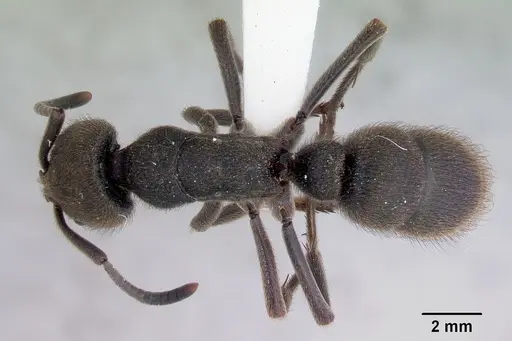
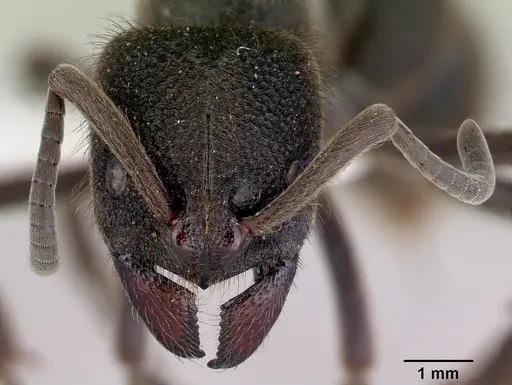
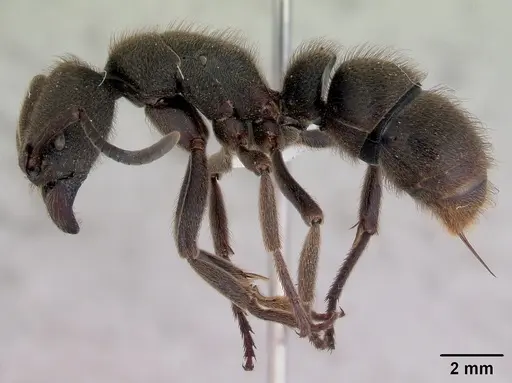
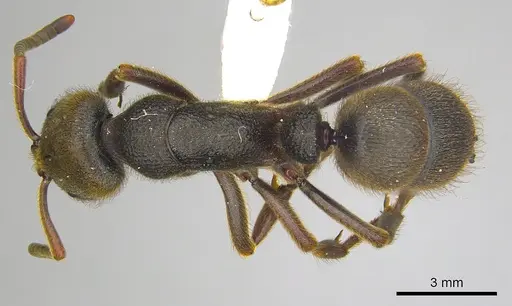
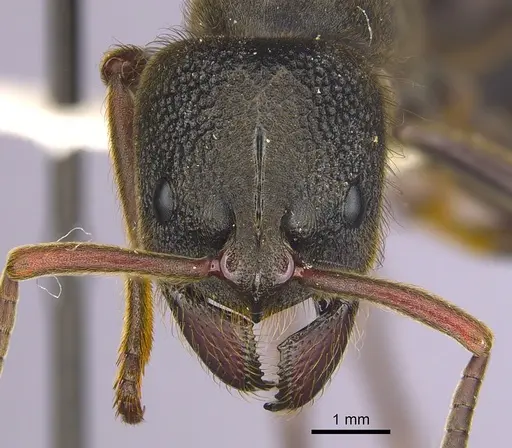
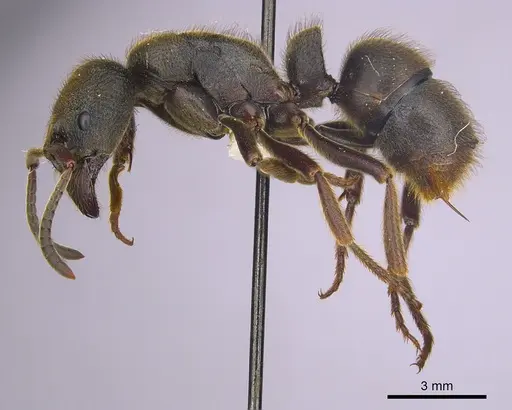
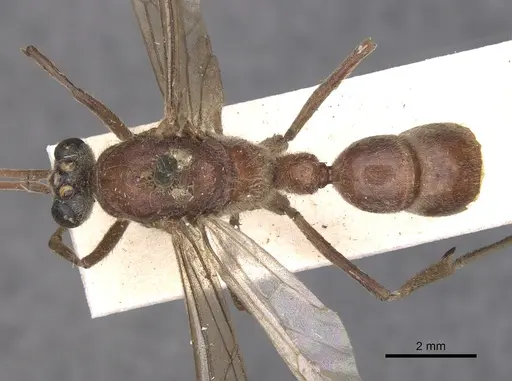
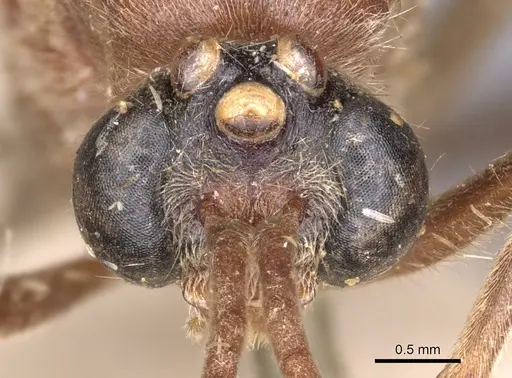
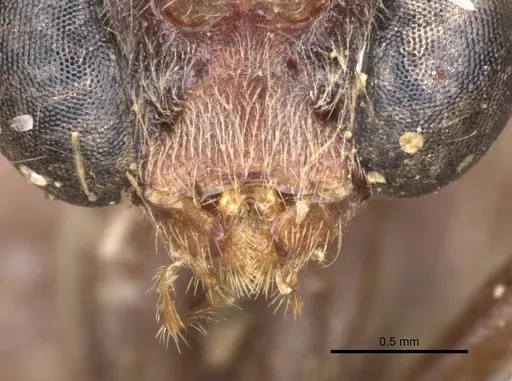
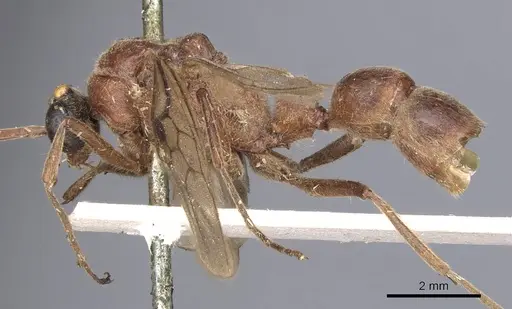
Pseudoneoponera oculata is a medium-sized ant species. The original description notes the species has distinctive circular impressed areas, giving it the name 'oculata' (meaning 'eyed' in Latin). Males have been recorded at approximately 10.5mm in length based on historical measurements (5 lines, where one line equals approximately 2.1mm) [1]. Workers and queens would likely be similar in size or slightly smaller. The genus Pseudoneoponera is characterized by specific morphological features including the structure of the petiole (the narrow waist segment) and the presence of certain sculpturing on the head and body. As Ponerinae, they have a functional stinger located at the tip of the abdomen.
Distribution and Habitat
This species is known from eastern Australia, specifically the Macintyre River region in New South Wales. The Macintyre River area features temperate to subtropical climates with varied vegetation. Natural microhabitat preferences are not well documented in scientific literature, but related Ponerine ants in Australia typically nest in soil, under stones, or in rotting wood in shaded areas. They likely prefer protected, humid microclimates similar to other Ponerines found in this region. [1]
Temperature and Care
Care requirements for Pseudoneoponera oculata are not well established due to limited scientific study. Based on typical Ponerine ant preferences and the Australian climate of their range, they likely prefer warm conditions. A temperature range of 22-26°C is a reasonable starting point. Use a heating cable on one side of the nest to create a temperature gradient, allowing ants to self-regulate by moving between warmer and cooler areas. Monitor colony behavior, if workers consistently cluster near the heat source, increase temperature slightly, if they avoid heated areas, reduce heat. Avoid temperature extremes and sudden fluctuations.
Feeding and Diet
As Ponerine ants, Pseudoneoponera oculata is likely primarily predatory, hunting small invertebrates such as springtails, mites, and tiny insects. Semi-claustral founding (where the queen must leave the nest to hunt) is common in Ponerines, suggesting these ants have active foraging behaviors. In captivity, offer small live prey such as fruit flies, pinhead crickets, and mealworms. Protein-rich foods are essential for brood development. Sugar sources like honey or sugar water may be accepted but should not be the primary food source. Feed every 2-3 days and remove uneaten prey to prevent mold.
Nesting and Humidity
Natural nesting behavior is unconfirmed for this species. Based on related Ponerine ants, they likely nest in soil or under stones in shaded, humid locations. In captivity, maintain moderate to high humidity within the nest, the substrate should feel consistently moist but never waterlogged. Provide a humidity gradient with slightly drier areas available so ants can choose their preferred microclimate. Use a well-hydrated Y-tong nest, plaster nest, or naturalistic setup with moist substrate. Adequate ventilation is important to prevent mold while maintaining humidity.
Defense and Temperament
Pseudoneoponera belongs to the Ponerinae subfamily, which is characterized by the presence of functional stingers. These ants can deliver a painful sting if threatened or handled roughly. They are not typically aggressive toward humans but will defend their nest if disturbed. When working with this species, use caution and minimize handling. They are active foragers and likely exhibit typical Ponerine behaviors including active patrolling and prey detection. Escape prevention should be moderate, while not extremely small, they can climb smooth surfaces and should be housed with appropriate barriers.
Frequently Asked Questions
How do I care for Pseudoneoponera oculata ants?
Care requirements are not well documented due to limited scientific study. Based on typical Ponerine ant needs, provide warm temperatures (22-26°C), moderate to high humidity, and a diet of small live prey. Use a naturalistic setup or Y-tong nest with moist substrate. Start with standard Ponerine care and adjust based on colony behavior.
What do Pseudoneoponera oculata ants eat?
They are likely predatory like other Ponerines. Offer small live invertebrates such as fruit flies, springtails, pinhead crickets, and small mealworms. Protein is essential for brood development. Sugar water or honey may be accepted but should not be the primary food source.
Do Pseudoneoponera oculata ants sting?
Yes. As members of the Ponerinae subfamily, they possess functional stingers and can deliver a painful sting if threatened or handled. Exercise caution when working with this species and minimize direct handling.
How big do Pseudoneoponera oculata colonies get?
Colony size is unknown, no scientific data documents maximum colony size for this species. Based on related Ponerines, colonies likely reach several hundred workers over time.
What temperature do Pseudoneoponera oculata ants need?
A temperature range of 22-26°C is recommended based on typical Ponerine preferences and the Australian climate of their range. Use a heating cable to create a gradient and adjust based on colony activity.
Do Pseudoneoponera oculata ants need hibernation?
Diapause requirements are unknown. The Macintyre River region in Australia experiences cool winters, so reduced activity during winter months is possible. If your colony shows reduced activity in winter, you may reduce temperatures slightly (15-18°C) for a few months, but this is not confirmed as required.
How long does it take for Pseudoneoponera oculata to develop from egg to worker?
Development timeline is unconfirmed. Ponerine ants typically require 2-4 months from egg to first worker at optimal warm temperatures. Expect approximately 6-12 weeks at 24-26°C.
Is Pseudoneoponera oculata a good species for beginners?
This species is not recommended for beginners due to limited documented care information and likely specific requirements (predatory diet, humidity needs). The lack of established care protocols means some trial and error may be needed. Consider starting with more commonly kept species before attempting Pseudoneoponera oculata.
Can I keep multiple Pseudoneoponera oculata queens together?
Colony structure is unconfirmed. Combining unrelated queens is not recommended as it has not been studied and could result in aggression. If you obtain a colony, assume single-queen structure unless multiple queens are observed living peacefully.
References

This caresheet is licensed under CC BY-SA 4.0 .
Literature
Loading...Loading products...