

Pseudomyrmex terminalis
- Scientific Name
- Pseudomyrmex terminalis
- Tribe
- Pseudomyrmecini
- Subfamily
- Pseudomyrmecinae
- Author
- Smith, 1877
- Distribution
- Found in 3 countries
Pseudomyrmex terminalis Overview
Pseudomyrmex terminalis is an ant species of the genus Pseudomyrmex. It is primarily documented in 3 countries , including Brazil, Ecuador, Peru. Detailed taxonomic data and occurrence records can be further explored via authoritative databases such as AntWeb or the Global Biodiversity Information Facility (GBIF).
Pseudomyrmex terminalis
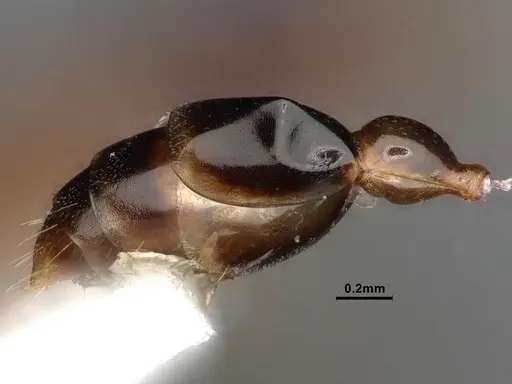
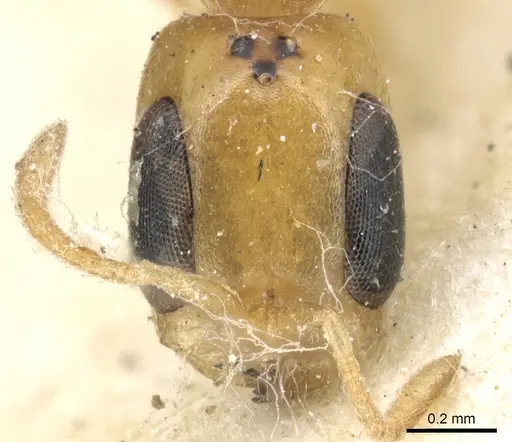
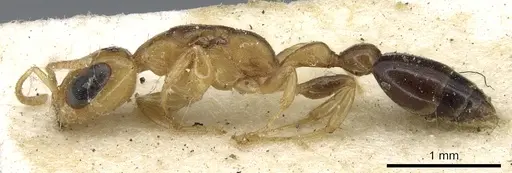
Pseudomyrmex terminalis is a small, slender ant native to the Amazon basin in South America. Workers measure approximately 6-7mm with a distinctive bicolored appearance, a light yellowish-brown body contrasting with a black gaster (abdomen). They have an elongated-triangular petiole (the narrow waist segment) where the front and top faces blend together rather than forming distinct angles. This species belongs to the Pseudomyrmecinae subfamily, which contains typically fast-moving, arboreal ants that often inhabit forest canopies. In Colombia, they are found in the Amazonas region, and their range extends through Brazil and Ecuador [1][2]. These ants are rarely encountered by casual observers as they live high in the trees and are most active in the canopy layer.
Quick Summary
- Difficulty: Medium
- Origin & Habitat: Amazon basin in South America (Brazil, Colombia, Ecuador). Found in tropical rainforest environments, particularly in canopy settings, they have been collected from forest plantation trees in central Amazonia using canopy fogging techniques [1][3].
- Colony Type: Colony structure is unconfirmed. Based on genus patterns, likely single-queen (monogyne) colonies, though some Pseudomyrmex species can have multiple queens.
- Size & Growth:
- Queen: Approximately 6-7mm (estimated from genus patterns for smaller species with HW 0.63-0.70) [2]
- Worker: Approximately 6-7mm based on genus sizing [2]
- Colony: Unknown, likely moderate colonies typical of Pseudomyrmex genus
- Growth: Moderate, inferred from related species
- Development: 6-10 weeks (estimated based on typical Pseudomyrmecinae development at tropical temperatures) (Development time is estimated, no specific study exists for this species. Tropical species typically develop faster than temperate ones.)
- Antkeeping:
- Temperature: Keep at 24-28°C, these are tropical ants from the Amazon basin. A gentle gradient allowing them to choose their preferred temperature works best. Room temperature in heated homes (around 24°C) is typically suitable.
- Humidity: High humidity (70-85%), mimic their humid rainforest canopy habitat. Keep the nest substrate consistently moist but not waterlogged, with some drier areas available.
- Diapause: No, as tropical ants from the Amazon, they do not require a winter hibernation period. They remain active year-round in consistent conditions.
- Nesting: Arboreal specialists, they naturally nest in hollow twigs, branches, and tree cavities. In captivity, they do well in vertical setups like Y-tong (AAC) nests, acrylic nests with twigs/branches, or naturalistic setups with plenty of climbing structures. They prefer tight, enclosed chambers that mimic tree hollows.
- Behavior: These are fast-moving, active ants that spend considerable time climbing. They are not particularly aggressive toward keepers but will defend their nest vigorously. As arboreal ants, they have excellent escape prevention needs, they can squeeze through small gaps. They are diurnal (active during the day) and likely forage in the canopy for honeydew, small insects, and nectar. Their slender build and dark gaster make them distinctive in the antkeeping hobby.
- Common Issues: escape prevention is critical, their small size and arboreal nature means they readily escape through tiny gaps, arboreal setup requirements differ from typical ground-nesting ant setups, vertical space and climbing structures are essential, high humidity needs can lead to mold problems if ventilation is inadequate, limited availability in the antkeeping hobby means established colonies are rare, wild-caught colonies may have parasites or be stressed from canopy collection, making them difficult to establish in captivity
Housing and Nest Setup
Pseudomyrmex terminalis requires an arboreal-focused setup rather than typical ground-nesting arrangements. These ants naturally live in tree hollows and twigs high in the rainforest canopy, so your enclosure should reflect that. Y-tong (AAC) nests work well because they provide the tight, enclosed chambers these ants prefer. You can also use acrylic nests with added twigs or branches for climbing, or create naturalistic setups with vertical elements. Include plenty of climbing surfaces, cork bark, twigs, and artificial plants work great. The outworld (foraging area) should have vertical climbing opportunities since these ants rarely walk on flat surfaces. Use a test tube setup for the water reservoir, connected to the nest area. Escape prevention is essential, these small ants can squeeze through surprisingly tiny gaps, so use fine mesh on any ventilation holes and ensure all connections are tight [2].
Feeding and Diet
Like other Pseudomyrmex species, P. terminalis likely has an omnivorous diet typical of arboreal ants. They probably feed on honeydew (the sugary liquid secreted by aphids and scale insects) collected from trees, small insects they catch in the canopy, and floral nectar. In captivity, offer a varied diet: sugar water or honey (diluted 1:4 with water) should be available constantly. For protein, offer small live insects like fruit flies, small crickets, and mealworms. They are likely enthusiastic foragers that will readily take prey. Feed them small prey items 2-3 times per week, removing any uneaten food within 24 hours to prevent mold. Fresh water should always be available. Observe your colony's preferences, some arboreal ants favor protein while others prefer sugar sources.
Temperature and Humidity
As Amazonian tropical ants, Pseudomyrmex terminalis needs warm and humid conditions year-round. Keep temperatures in the range of 24-28°C, this is ideal for tropical species and supports healthy brood development. A heating cable on one side of the nest can create a gentle temperature gradient, allowing ants to regulate their own exposure. Avoid temperatures below 22°C for extended periods as this can slow metabolism and brood development. Humidity should be maintained at 70-85%, these ants come from the humid rainforest canopy where moisture is consistently high. Use a water tube for the nest and mist the outworld occasionally, but ensure good ventilation to prevent stagnant air and mold growth. The substrate should feel damp to the touch but never waterlogged. [3]
Behavior and Colony Dynamics
Pseudomyrmex ants are known for their speed and alertness, workers move quickly and are constantly active, scanning their surroundings. This species is likely similar: workers will patrol climbing surfaces, forage for food, and tend to any honeydew-producing insects they encounter. They are not typically aggressive toward keepers but will defend their nest vigorously if threatened. Workers probably communicate using chemical signals and may use tandem-running (one worker leading another) to recruit nestmates to food sources. Colonies are likely led by a single queen (monogyne), though this hasn't been confirmed for this specific species. The colony will grow gradually as the queen produces workers over time. These ants are diurnal, with peak activity during daylight hours when they can forage in the canopy. [2]
Acquiring and Establishing a Colony
Pseudomyrmex terminalis is rarely available in the antkeeping hobby due to its arboreal, canopy-dwelling nature and limited distribution in South America. If you obtain a colony, it will likely be either a wild-caught queen (during nuptial flights) or a small colony collected from natural habitats. Wild-caught colonies often face challenges: they may be stressed from collection, carry parasites, or have damaged queens. Quarantine new colonies and monitor them closely for the first few weeks. When establishing a claustral founding queen, provide a small, dark chamber (like a test tube setup) with high humidity and keep her undisturbed. Once workers emerge, gradually introduce them to a larger arboreal setup. Patience is key, these ants may take time to adjust to captive conditions after being collected from their natural canopy habitat. [1][3]
Seasonal Care and Year-Round Maintenance
Unlike temperate ant species, Pseudomyrmex terminalis does not require a hibernation period. They come from the Amazon basin where temperatures remain warm and stable year-round. Maintain consistent temperatures (24-28°C) and humidity (70-85%) throughout the year. Seasonal changes in captivity should be minimal, avoid cooling the colony in winter as this can harm them. However, slight reductions in activity during cooler months may occur naturally. Continue regular feeding throughout the year, though you may notice reduced consumption during cooler periods. Keep the nest substrate moist even in winter since the humid rainforest environment has no dry season. Regular maintenance includes removing mold, refreshing food and water, and ensuring escape barriers remain secure.
Frequently Asked Questions
Can I keep Pseudomyrmex terminalis in a test tube setup?
A test tube can work for a founding queen or very small colony, but you'll need to move them to a more arboreal setup as the colony grows. These ants naturally live in tree hollows and twigs, so they do better in vertical nests with climbing structures like Y-tong (AAC) nests or acrylic nests with added branches. A test tube alone lacks the vertical space and climbing opportunities they need.
How long does it take for the first workers to emerge?
The exact timeline for Pseudomyrmex terminalis is unconfirmed, but based on related Pseudomyrmecinae species in tropical conditions, expect 6-10 weeks from egg to first worker. This estimate assumes temperatures around 26-28°C. The queen will remain in her chamber, surviving on her stored fat reserves, until the first nanitic (first) workers emerge.
Do Pseudomyrmex terminalis ants sting?
Pseudomyrmex belongs to the Pseudomyrmecinae subfamily, which does not have functional stingers like some other ant groups. Instead, they rely on their bite and chemical defenses. They may bite if threatened, but the pain level is minimal compared to stinging ants. They are not considered dangerous to humans.
Are Pseudomyrmex terminalis good for beginners?
This species is rated as Medium difficulty and is not ideal for complete beginners. Their arboreal nature requires specialized setups different from typical ground-nesting ant enclosures. They need high humidity, warm temperatures, and excellent escape prevention. Additionally, they are rarely available in the antkeeping hobby. If you're new to antkeeping, start with more common species like Lasius niger or Camponotus before attempting Pseudomyrmex.
What do Pseudomyrmex terminalis eat?
They are omnivorous like other Pseudomyrmex species. Offer sugar water or honey (diluted 1:4 with water) constantly as an energy source. For protein, feed small live insects like fruit flies, small crickets, or mealworms 2-3 times per week. They likely also collect honeydew from aphids in the wild, so they may accept sweet substances readily. Remove uneaten food within 24 hours to prevent mold.
Do they need hibernation or diapause?
No, as tropical ants from the Amazon basin, they do not require hibernation. Maintain consistent warm temperatures (24-28°C) year-round. Unlike temperate species that slow down in winter, Pseudomyrmex terminalis remains active throughout the year in stable conditions. Do not cool the colony in winter as this can stress or kill them.
How big do colonies get?
The maximum colony size for this specific species is unknown. Based on typical Pseudomyrmex genus patterns, colonies likely reach several hundred workers. They are not known for forming supercolonies, so expect moderate-sized colonies. Growth rate is moderate, the colony will expand gradually over time as the queen continues laying eggs.
Why are my Pseudomyrmex dying?
Common causes include: low humidity (they need 70-85%), temperatures below 22°C, inadequate climbing structures (they're arboreal and need vertical space), poor escape prevention allowing escapes, mold from stagnant conditions, or stress from wild collection. Ensure your setup matches their arboreal nature with high humidity, warm temperatures, and plenty of climbing surfaces. Wild-caught colonies often have higher mortality due to collection stress and parasites.
Can I keep multiple queens together?
The colony structure for this species is unconfirmed. Based on genus patterns, they likely form single-queen colonies (monogyne). Combining unrelated queens has not been documented and is not recommended. If you have multiple founding queens, house them separately until each establishes their own colony. For established colonies, introducing additional queens typically leads to aggression.
When should I move them to a formicarium?
Move them when the colony reaches around 20-30 workers and the test tube or founding setup becomes crowded. For Pseudomyrmex, this means transitioning to an arboreal-focused formicarium with vertical climbing elements. Watch for signs of space stress: workers clustering near the edges, reduced brood production, or queen moving frequently. A Y-tong nest or acrylic nest with added branches works well for the transition.
References

This caresheet is licensed under CC BY-SA 4.0 .
CASENT0884187
View on AntWeb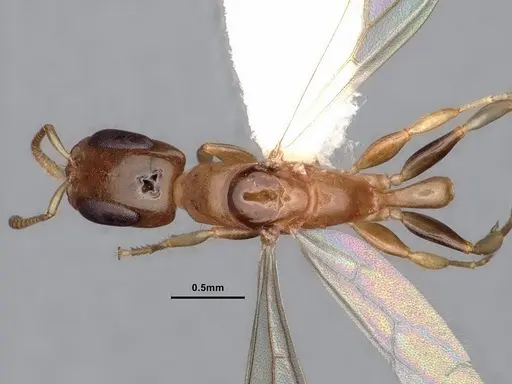
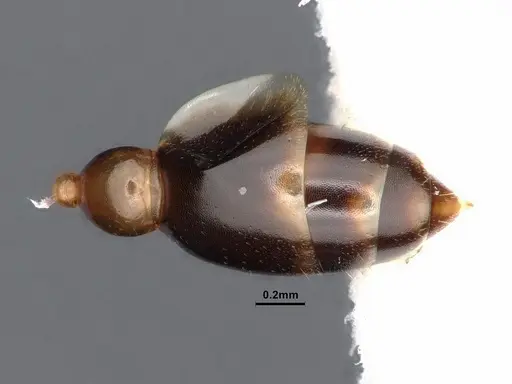
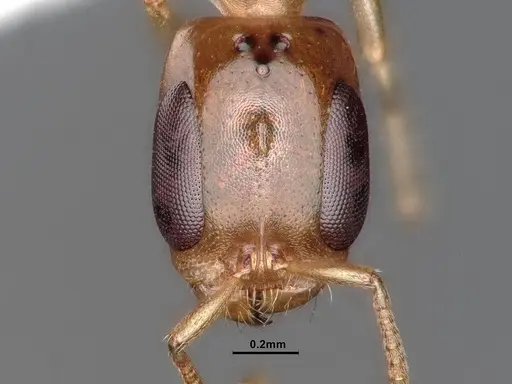
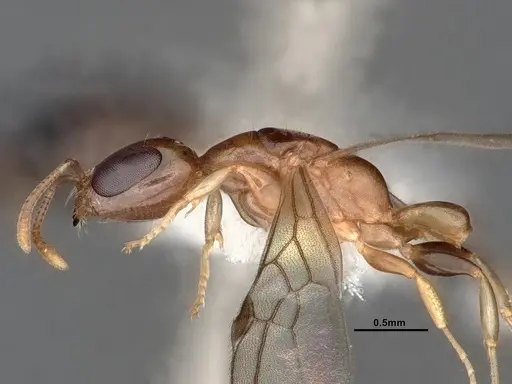
CASENT0902899
View on AntWeb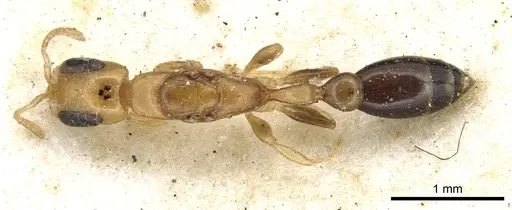
Literature
Loading...Loading products...