

Pseudomyrmex subater
- Scientific Name
- Pseudomyrmex subater
- Tribe
- Pseudomyrmecini
- Subfamily
- Pseudomyrmecinae
- Author
- Wheeler & Mann, 1914
- Distribution
- Found in 16 countries
Pseudomyrmex subater Overview
Pseudomyrmex subater is an ant species of the genus Pseudomyrmex. It is primarily documented in 16 countries , including Bolivia, Plurinational State of, Brazil. Detailed taxonomic data and occurrence records can be further explored via authoritative databases such as AntWeb or the Global Biodiversity Information Facility (GBIF).
Pseudomyrmex subater
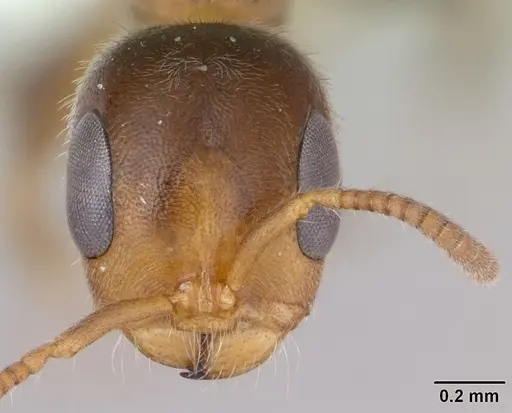
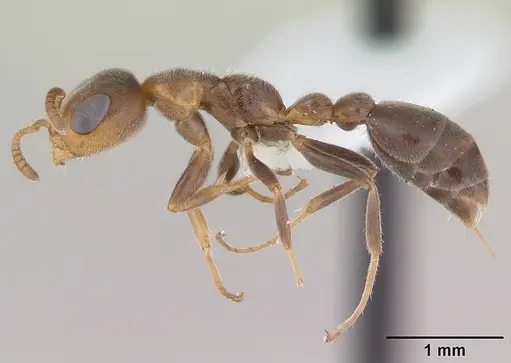
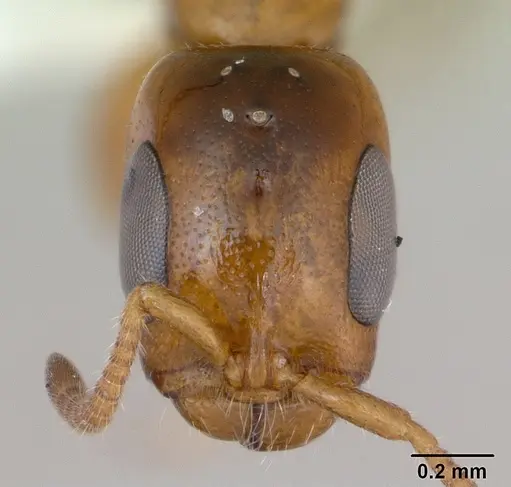
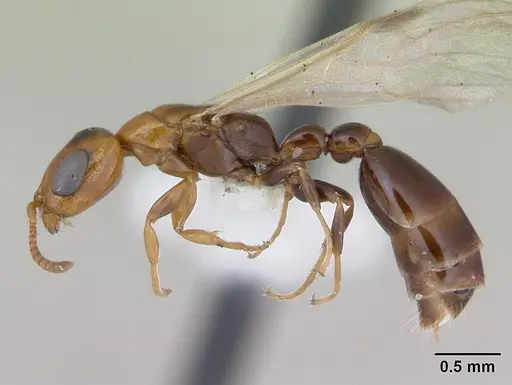
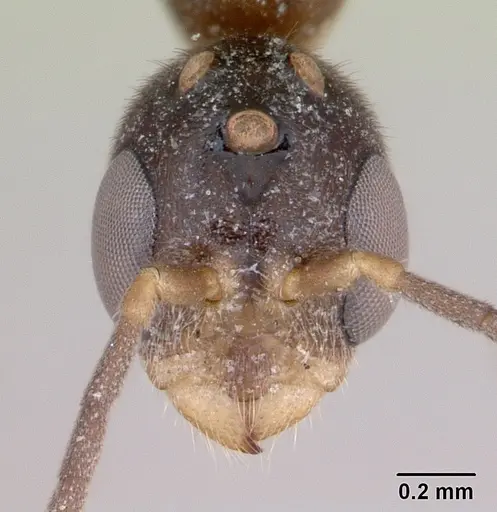
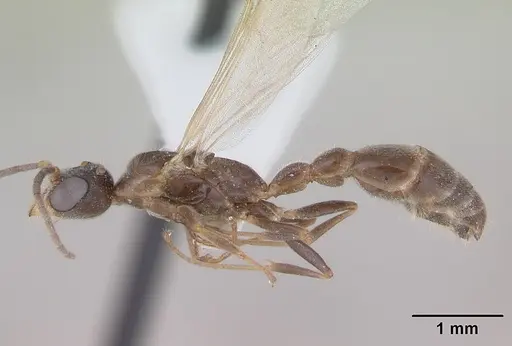
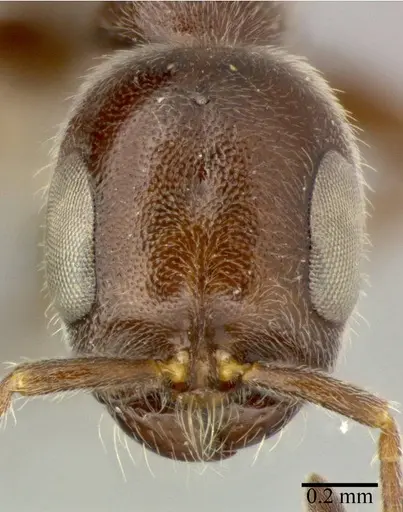
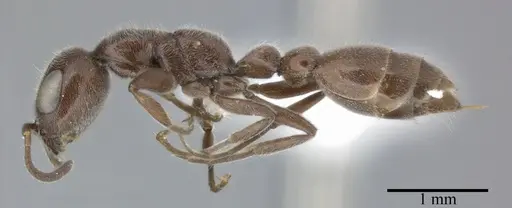
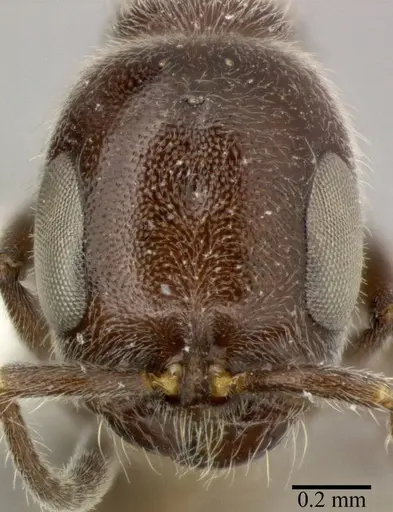
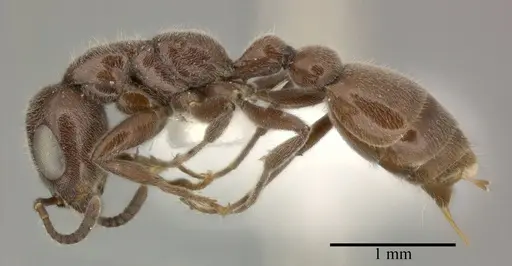
Pseudomyrmex subater is a small, aggressive ant native to the Caribbean and Central America. Workers measure 4-4.5mm with a distinctive appearance featuring a broad head, short eyes, and conspicuous raised hairs giving them a somewhat disheveled look. Their body is darker than related species, appearing nearly black with dark brown on the head. Queens are unusually small for the genus, roughly the same size as workers, and can be bright orange in some populations. This species nests in twigs and bamboo stems in dry forest habitats, typically at elevations between 190-404 meters.
Quick Summary
- Difficulty: Medium
- Origin & Habitat: Native to the Caribbean and Central America, found in Haiti (type locality), Dominican Republic, Guatemala, Mexico, Cuba, Bahamas, Argentina, Ecuador, Paraguay, and Trinidad. Inhabits dry forests and has been collected from bamboo stems and forested sites [1][2].
- Colony Type: Polygyne (multiple queens per colony) and polydomous (multiple connected nests). Queens are unusually small, about the same size as workers [3]. May have complex relationships with Pseudomyrmex cubaensis, potentially acting as a temporary social parasite or facultative slave maker.
- Colony: Polygyne
- Queen: Temporary parasitic
- Special: Slave-making
- Size & Growth:
- Queen: Approximately 4-4.5mm, unusually small for the genus, roughly worker-sized [3]. Signal: estimated from worker size and queen description.
- Worker: 4-4.5mm [3].
- Colony: Unknown, no specific colony size data available. Signal: estimated based on related Pseudomyrmex species.
- Growth: Moderate, Signal: estimated based on genus patterns.
- Development: 6-10 weeks, Signal: estimated based on typical Pseudomyrmex development at optimal temperatures. (Development time is estimated from related species in the genus. Queens are small and may have limited fat reserves, potentially affecting founding duration.)
- Antkeeping:
- Temperature: Keep at 24-28°C, these are tropical ants from dry forests. A slight temperature gradient allows workers to regulate. Signal: condition-based guidance from habitat data.
- Humidity: Moderate humidity around 50-70%. They nest in dry forest twigs so they tolerate drier conditions than many tropical ants. Provide a water tube but avoid oversaturation. Signal: inferred from dry forest habitat.
- Diapause: No, as a tropical species, they do not require hibernation. Keep temperatures stable year-round. Signal: inferred from tropical distribution.
- Nesting: Twig-nesting species, they naturally inhabit hollow stems, twigs, and bamboo. In captivity, they do well in small acrylic nests or test tube setups with narrow chambers that mimic their natural twig homes. They prefer tight-fitting spaces. Signal: inferred from natural nesting behavior.
- Behavior: This is an aggressive species that defends its nests actively. Workers have functional stingers and will attack perceived threats. They are generalist foragers, hunting small prey and collecting honeydew. Escape prevention is important, they are small but active. Their relationship with P. cubaensis suggests they may have raiding behavior, so monitor colony interactions if keeping multiple species. Signal: inferred from aggressive nature and documented relationships [3].
- Common Issues: aggressive temperament means they will sting if threatened, handle with care, small size requires fine mesh barriers to prevent escapes, queens are unusually small which may affect founding success, ensure adequate nutrition during claustral founding, potential for complex social interactions if kept near related species like P. cubaensis, dry forest origins mean they prefer drier conditions than many tropical ants, avoid over-humidifying the nest
Housing and Nest Setup
Pseudomyrmex subater is a twig-nesting ant, so your setup should mimic their natural hollow stem homes. Small acrylic nests with narrow chambers work well, as do test tubes with cotton plugs creating tight passages. The chambers should be sized appropriately for their 4mm workers, not too spacious. They prefer tight, enclosed spaces that simulate the interior of twigs or bamboo. A small outworld for foraging completes the setup. Because they are aggressive and have functional stingers, use a well-sealed formicarium with escape prevention measures. A hydration port or small water tube provides moisture without oversaturating their dry-preferring habitat. [3]
Feeding and Diet
These ants are generalist predators and foragers. Offer small live prey like fruit flies, pinhead crickets, and other tiny insects. They will also collect honeydew and sugar sources, a small drop of honey water or sugar water can be offered occasionally. Protein-rich foods are essential for brood development. Feed them small prey items 2-3 times per week, removing any uneaten food to prevent mold. Since they are small, prey items should be appropriately sized, nothing larger than their head width. Fresh water should always be available.
Temperature and Seasonal Care
As tropical ants from Central America and the Caribbean, Pseudomyrmex subater needs warm temperatures. Keep the nest area at 24-28°C, with a slight gradient if possible so workers can choose their preferred temperature. Room temperature in most homes should work, but you may need a small heating mat during cooler months. They do not require hibernation or diapause, maintain stable temperatures year-round. Avoid temperatures below 20°C for extended periods. The dry forest origin means they tolerate drier conditions than many tropical ants, so moderate humidity is fine, don't keep them too wet. [1][2]
Behavior and Colony Dynamics
This species is notably aggressive and will readily defend its nest. Workers have functional stingers and will use them if threatened. The colony structure is polygyne, multiple queens live together, and polydomous, meaning they maintain multiple connected nests. This is unusual among ants and means your colony may have several egg-laying queens. Interestingly, P. subater may have a complex relationship with Pseudomyrmex cubaensis, potentially acting as a temporary social parasite or facultative slave maker. If you keep multiple ant species, keep them well separated. Queens are unusually small for the genus, being roughly the same size as workers, which is rare among Pseudomyrmex. [3]
Handling and Safety
Pseudomyrmex subater has a functional stinger and exhibits aggressive defensive behavior. When working with this species, use caution, they will readily sting when threatened. Never handle them with bare hands, and use smooth tools when moving colonies. Their small size makes them hard to see, so inspect your setup carefully during maintenance. The sting is not medically significant for healthy adults, but individuals with insect venom allergies should exercise extra caution. Good escape prevention is essential since they are small and active. [3]
Frequently Asked Questions
How long does it take for Pseudomyrmex subater to produce first workers?
Expect 6-10 weeks from egg to worker at optimal temperatures (24-28°C). This is an estimate based on related Pseudomyrmex species since specific development data is not available. Queens are unusually small, which may affect founding duration.
Can I keep multiple queens together in one colony?
Yes, this species is naturally polygyne, meaning colonies have multiple queens. Unlike many ants, they coexist peacefully. You can introduce multiple foundresses, though it's not required since wild colonies already have multiple queens.
Do Pseudomyrmex subater ants sting?
Yes, they have functional stingers and are aggressive when defending their nest. Handle with care and use proper escape prevention. The sting is not severe for most people but can cause localized pain and irritation.
What size colony do Pseudomyrmex subater colonies reach?
Exact colony sizes are not documented in scientific literature. Based on related species in the genus, colonies likely reach several hundred workers. They are polydomous, meaning they may spread across multiple connected nest sites.
Are Pseudomyrmex subater good for beginners?
This species is rated as medium difficulty. While they are relatively hardy once established, their aggressive nature, stinger, and small size require careful handling. They are less forgiving of mistakes than some beginner species but can be rewarding for intermediate antkeepers.
What do Pseudomyrmex subater eat?
They are generalist predators and foragers. Feed small live prey like fruit flies, tiny crickets, and other small insects. They will also accept sugar sources like honey water. Protein is essential for brood development. Feed prey items 2-3 times per week.
Do Pseudomyrmex subater need hibernation?
No, as tropical ants from Central America and the Caribbean, they do not require hibernation. Keep temperatures stable year-round between 24-28°C. They are active throughout the year in their native range.
What is the best nest type for Pseudomyrmex subater?
Small acrylic nests or test tube setups with narrow chambers work best. They naturally nest in twigs and bamboo stems, so mimic this with tight-fitting chambers. Avoid large, open spaces, they prefer enclosed, snug spaces.
Why are my Pseudomyrmex subater dying?
Common causes include: temperatures below 20°C, excessive humidity (they prefer drier conditions), improper feeding (they need live protein), or stress from disturbance. Check your temperature and humidity levels first. Their small queen size may also make founding colonies challenging, ensure foundresses are well-fed.
References

This caresheet is licensed under CC BY-SA 4.0 .
CASENT0173777
View on AntWeb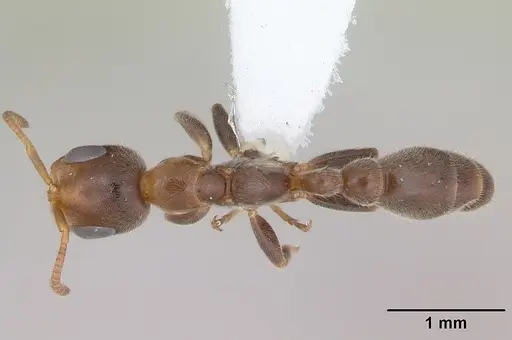
CASENT0173778
View on AntWeb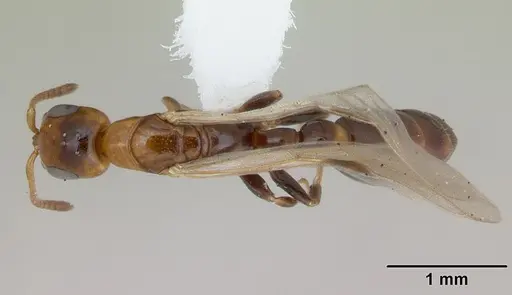
CASENT0173779
View on AntWeb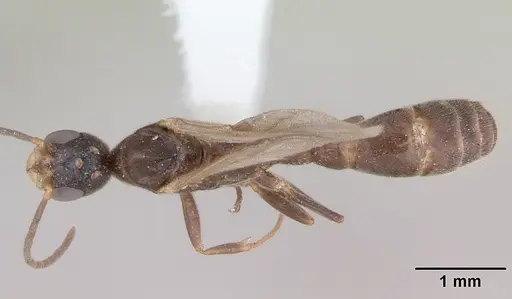
CASENT0246309
View on AntWeb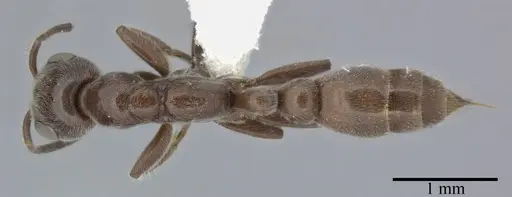
CASENT0246348
View on AntWeb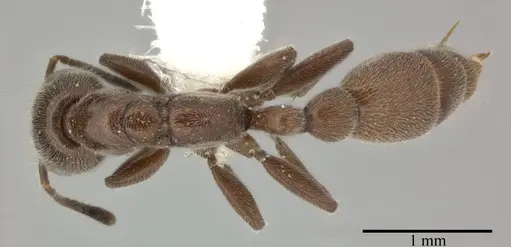
Literature
Loading...Loading products...