

Pseudomyrmex cubaensis
- Scientific Name
- Pseudomyrmex cubaensis
- Tribe
- Pseudomyrmecini
- Subfamily
- Pseudomyrmecinae
- Author
- Forel, 1901
- Common Name
- Ant
- Distribution
- Found in 13 countries
Pseudomyrmex cubaensis Overview
Pseudomyrmex cubaensis (commonly known as the Ant) is an ant species of the genus Pseudomyrmex. It is primarily documented in 13 countries , including Brazil, Bahamas, Colombia. Detailed taxonomic data and occurrence records can be further explored via authoritative databases such as AntWeb or the Global Biodiversity Information Facility (GBIF).
Pseudomyrmex cubaensis - "Ant"
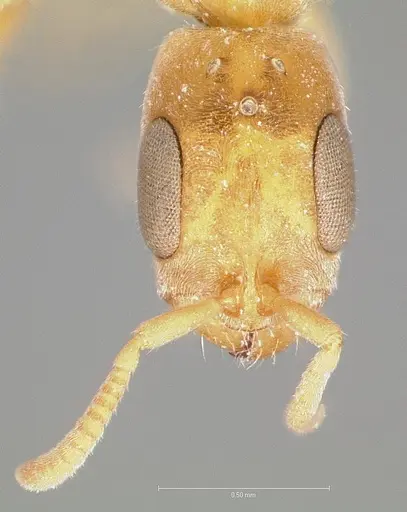
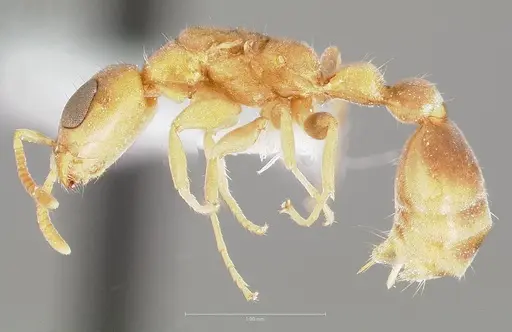
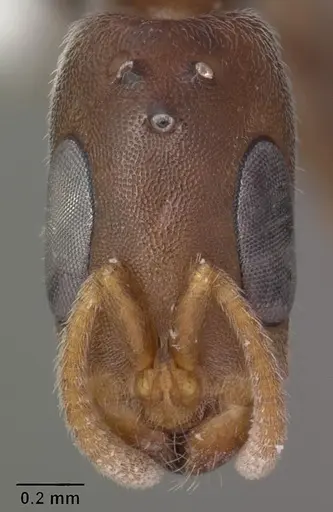
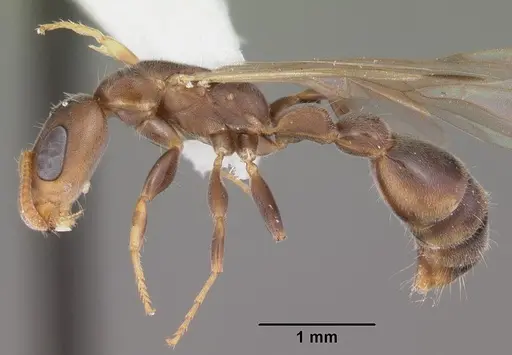
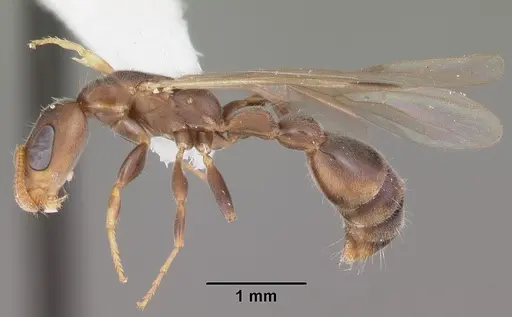
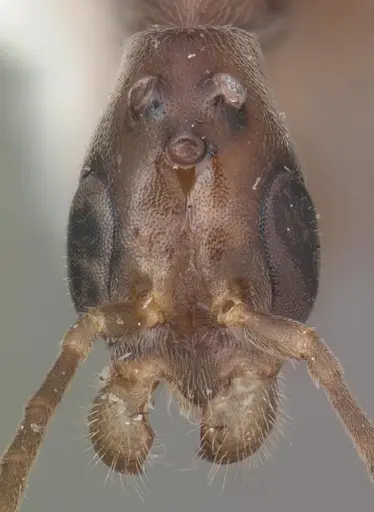
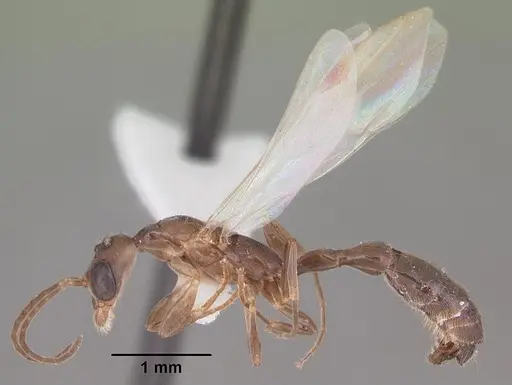
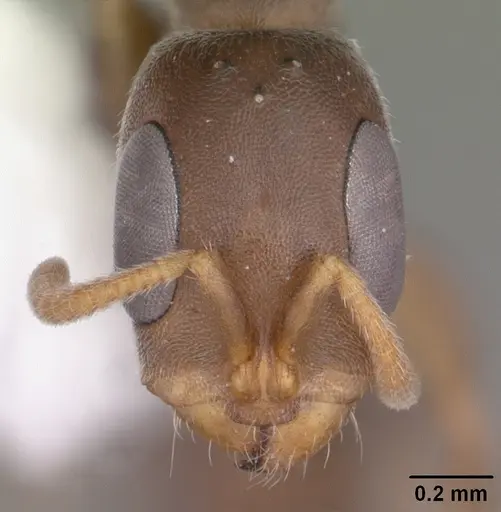
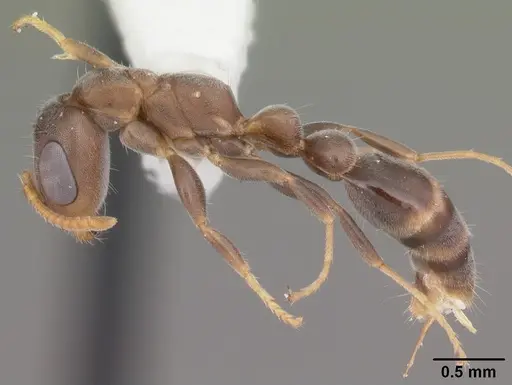
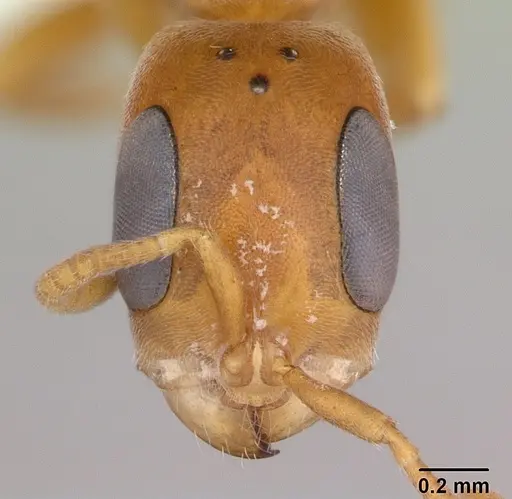
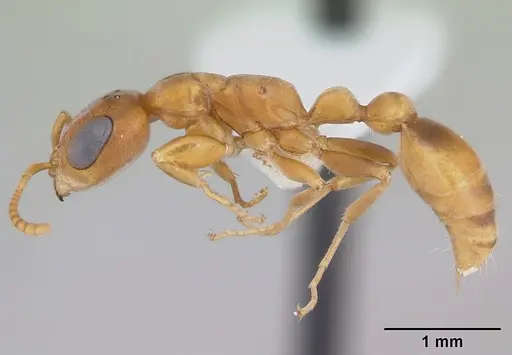
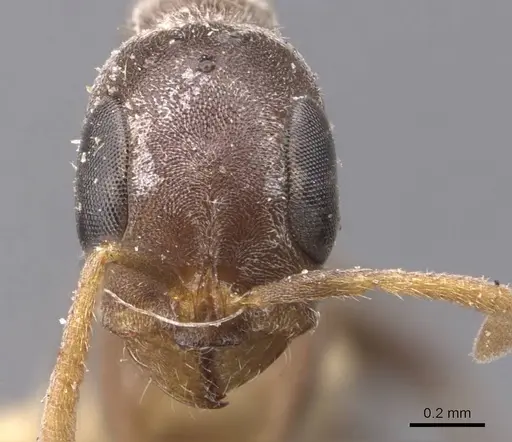
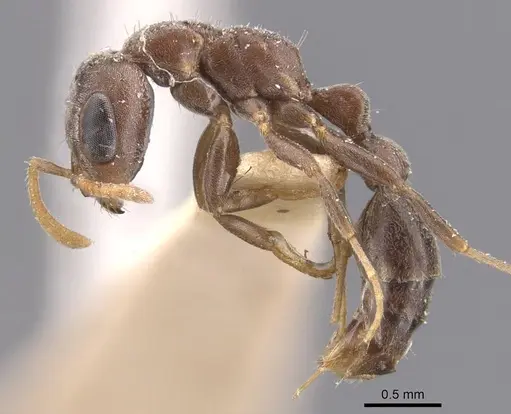
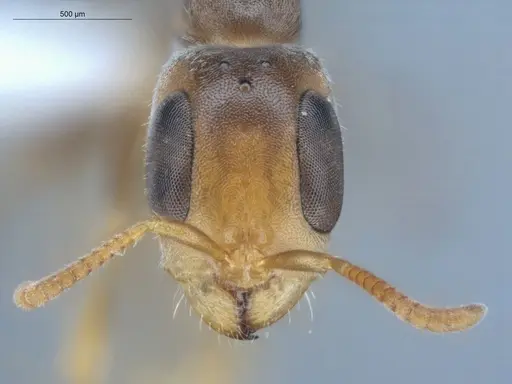
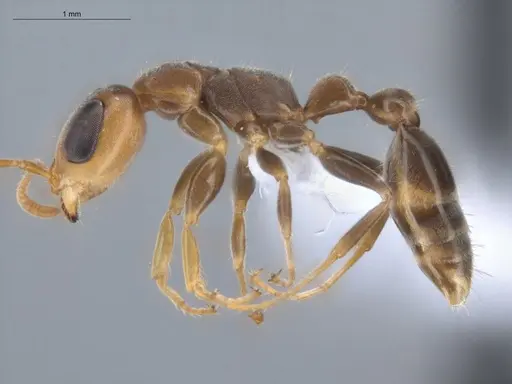
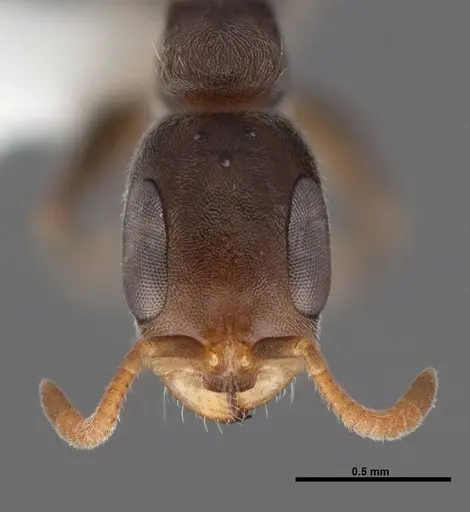
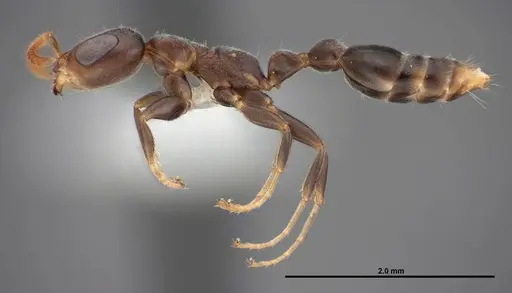
Pseudomyrmex cubaensis is a medium-sized arboreal ant native to the Caribbean, Central, and South America, with an introduced population in south Florida. Workers measure around 0.65-0.78mm in head width and have a distinctive elongated head with relatively short eyes compared to related species. They are medium to dark brown with lighter antennae, mandibles, and tarsi. This species is a generalist twig-nester, meaning it will colonize hollow stems and branches of various dead plants rather than specializing in one plant type. They are known for their remarkable ability to colonize isolated mangrove islands, demonstrating they can fly over open water for hundreds of meters [1].
What makes P. cubaensis particularly interesting is its ecological flexibility. It is the most ecologically versatile Pseudomyrmex species in Cuba, found in everything from coastal mangroves to dry forest and secondary growth [2]. Unlike some related species that specialize on acacia plants, these ants are generalists that forage on various vegetation including mangrove, sea grape, and Ficus trees [1]. This adaptability makes them somewhat unusual in the otherwise specialized Pseudomyrmex genus.
Quick Summary
- Difficulty: Medium
- Origin & Habitat: Native to the Greater Antilles, Bahamas, and introduced to south Florida. Found in coastal mangroves and various forest habitats from dry forest to rain forest edge across its range [1][3].
- Colony Type: Single-queen (monogyne) colonies. Queens nest in hollow plant stems and dead twigs [4].
- Colony: Monogyne
- Founding: Claustral
- Size & Growth:
- Queen: Likely 7-9mm based on genus patterns (no direct measurement found)
- Worker: 0.65-0.78mm head width [5]
- Colony: Unknown for this species, but typical Pseudomyrmex colonies reach several hundred workers
- Growth: Moderate, estimated based on tropical arboreal ant patterns
- Development: Estimated 6-8 weeks at optimal tropical temperatures (24-28°C) (No direct development data available, estimate based on related Pseudomyrmex species)
- Antkeeping:
- Temperature: Keep at 24-28°C. This is a tropical species that thrives in warm, humid conditions. A heating cable on one side of the nest can help maintain warmth if room temperature is below this range.
- Humidity: High humidity preferred, these ants naturally live in coastal mangrove environments and humid forests. Keep nest substrate consistently moist but not waterlogged. Mist the outworld regularly and provide a water source.
- Diapause: No, as a tropical species, they do not require hibernation. However, they may show reduced activity during cooler periods.
- Nesting: Use a naturalistic setup with twigs/branches or a Y-tong/plaster formicarium with narrow chambers. These ants naturally nest in hollow plant stems, so provide appropriately sized passages. Avoid large open spaces, they prefer tight, enclosed chambers.
- Behavior: Generally calm and not particularly aggressive, but they will defend their nest if threatened. Workers are active foragers that search for honeydew and small prey on vegetation. They are arboreal by nature, so they spend most of their time climbing on plants and branches rather than walking on flat surfaces. Escape prevention is important due to their small size, use fine mesh and tight-fitting barriers. They have been known to sting, with some reports of allergic reactions in humans [6].
- Common Issues: escape prevention is critical, their small size allows them to squeeze through tiny gaps, colonies may fail if humidity drops too low, they are adapted to humid coastal environments, wild-caught colonies may have parasites that kill them in captivity, test tubes can flood if water reservoirs are too large, use appropriate-sized setups, slow founding phase means colonies can take months to establish, patience is required
Nest Preferences
In the wild, Pseudomyrmex cubaensis nests in hollow cavities of dead vegetation, specifically the dead stems and twigs of various woody and herbaceous plants [1]. They are particularly common in coastal mangrove environments where they nest in dead twigs of Rhizophora mangle (red mangrove) and Conocarpus erectus [1]. This generalized nesting habit means they will accept a variety of nest sites in captivity. A naturalistic setup with small twigs or branches works well, as does a Y-tong or plaster formicarium with narrow chambers scaled to their small size. The key is providing enclosed spaces that mimic the hollow plant stems they naturally use. Avoid tall, open spaces, these ants prefer tight, enclosed chambers similar to what they would find inside a twig or stem.
Feeding and Diet
Pseudomyrmex cubaensis is a generalist forager that feeds on honeydew from aphids and scale insects, as well as small insects and other arthropods [1]. Workers have been observed foraging on Ficus aurea, mangrove, sea grape, and acacia plants in Florida and the Caribbean [1]. In captivity, offer a varied diet: sugar water or honey should be available at all times, along with small protein sources like fruit flies, small crickets, or mealworms. They are not specialized predators like some Pseudomyrmex species, so they readily accept most common ant foods. Feed protein 2-3 times per week and ensure sugar sources are constantly available. Remove uneaten prey after 24-48 hours to prevent mold.
Temperature and Care
As a tropical species native to the Caribbean and Central/South America, Pseudomyrmex cubaensis requires warm temperatures to thrive. Keep the nest area at 24-28°C, which mimics their natural environment in coastal mangroves and tropical forests. A heating cable placed on one side of the nest can create a temperature gradient and help maintain these conditions if your room temperature is lower. Temperature is important for brood development, cooler temperatures will slow or halt brood development entirely. These ants also need high humidity to match their coastal habitat. Keep the nest substrate consistently moist but not waterlogged, and mist the outworld regularly. A water tube should always be available. [3][4]
Behavior and Temperament
These ants are generally calm and not particularly aggressive toward keepers, but they will defend their nest if threatened. Workers are active foragers that spend most of their time climbing on vegetation rather than walking on flat surfaces, reflecting their arboreal nature. They are known to sting, and there are reports of allergic reactions in humans who have been stung [6]. While not as aggressive as some Pseudomyrmex species (like the acacia specialists), they should still be handled with care. Escape prevention is important because of their small size, they can easily slip through small gaps that larger ants cannot fit through. Use fine mesh on any ventilation holes and ensure all connections are tight-fitting.
Colony Founding
Like other Pseudomyrmex species, P. cubaensis queens are likely claustral, meaning they seal themselves in a chamber and raise their first workers entirely from stored body fat reserves without leaving to forage. The queen will find a suitable hollow stem or cavity, seal herself inside, and remain there until her first workers emerge. This founding phase can take several months, so patience is essential. Do not disturb a founding queen during this time, excessive vibration or light can cause her to abandon or eat her eggs. Once the first workers (nanitics) emerge, they will begin foraging for food to support further colony growth.
Distribution and Range
Pseudomyrmex cubaensis has an extensive native range across the Caribbean, Central America, and northern South America. It is found in Cuba, Jamaica, Hispaniola, and other Greater Antilles islands, as well as mainland countries from Mexico through Brazil and Argentina [1]. An introduced population exists in south Florida, likely arriving on floating mangrove trees or in nursery stock [1]. This Florida population is isolated from native populations. The species is remarkably adaptable, found in coastal mangroves, tropical dry forest, savannah, second-growth rain forest, and montane forest edge [1]. This wide ecological tolerance explains why they are one of the most versatile Pseudomyrmex species.
Frequently Asked Questions
Can I keep Pseudomyrmex cubaensis in a test tube?
Yes, test tubes work well for founding colonies. Use a small test tube with a cotton ball providing water, make sure the water chamber is not too large to prevent flooding. Once the colony grows beyond 20-30 workers, consider moving to a more naturalistic setup with twigs or a small formicarium.
How long until first workers appear in Pseudomyrmex cubaensis?
Expect 6-8 weeks from egg to first worker at optimal temperatures (24-28°C). This is an estimate based on related Pseudomyrmex species, as no specific development data exists for this species. The claustral founding phase alone takes several months, so be patient with newly mated queens.
Do Pseudomyrmex cubaensis ants sting?
Yes, they can sting and there are documented cases of allergic reactions in humans [6]. While not as aggressive as some related species, they will defend their nest if threatened. Handle with care and avoid provoking them.
Are Pseudomyrmex cubaensis good for beginners?
They are rated as medium difficulty. The main challenges are maintaining proper humidity and temperature (tropical requirements), and their small size makes escape prevention more critical. If you have experience with other Pseudomyrmex or small arboreal ants, they are manageable for beginners.
What do Pseudomyrmex cubaensis eat?
They are generalists that accept sugar sources (honey, sugar water) and protein (small insects like fruit flies, pinhead crickets, mealworms). They naturally forage for honeydew, so sugar water should always be available. Protein should be offered 2-3 times per week.
Can I keep multiple queens together?
No, Pseudomyrmex cubaensis is monogyne, colonies have a single queen. Multiple unrelated queens will fight. Only introduce a second queen during pleometrosis (multi-queen founding) if you want to attempt it, but this is not recommended and has not been documented for this species.
Do Pseudomyrmex cubaensis need hibernation?
No, they do not require hibernation. As a tropical species, they need consistent warmth year-round. However, they may show reduced activity during cooler periods. Keep temperatures stable at 24-28°C for optimal colony development.
When should I move Pseudomyrmex cubaensis to a formicarium?
Move them when the test tube becomes crowded (typically 30+ workers) or when the water supply runs low. A naturalistic setup with twigs works well since they are twig-nesters. Make sure any formicarium has appropriately sized chambers, these small ants prefer tight spaces.
Why are my Pseudomyrmex cubaensis dying?
Common causes include: low humidity (they need consistently moist conditions), temperatures below 24°C (tropical species), escape through small gaps due to their tiny size, or parasites from wild-caught colonies. Check your setup and ensure all parameters match their coastal/mangrove habitat requirements.
How big do Pseudomyrmex cubaensis colonies get?
Colony size is not well documented, but based on related Pseudomyrmex species, they likely reach several hundred workers. They are not among the largest Pseudomyrmex species, but a mature colony will still have hundreds of individuals.
What temperature is best for Pseudomyrmex cubaensis?
Keep them at 24-28°C. This tropical species needs warmth for proper brood development. A heating cable on one side of the nest can help maintain these temperatures. Avoid temperatures below 22°C as this will slow or stop brood development.
References

This caresheet is licensed under CC BY-SA 4.0 .
CASENT0005871
View on AntWeb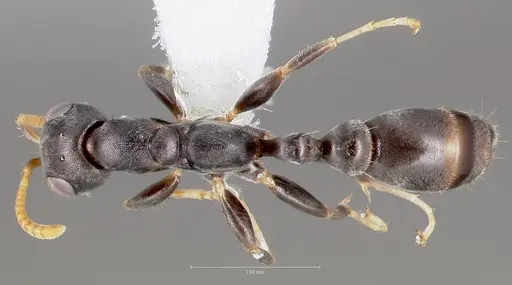
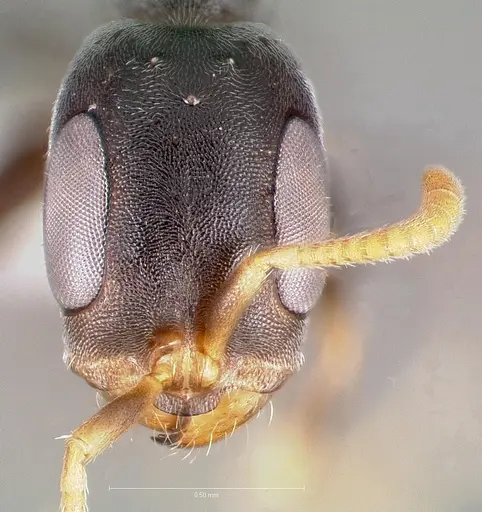
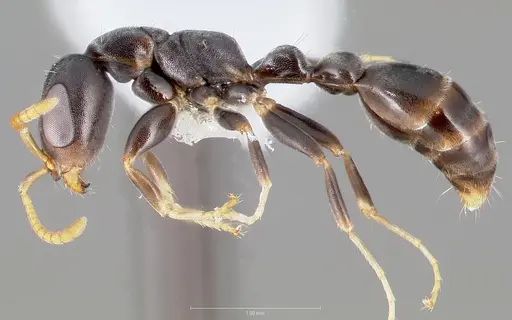
CASENT0005880
View on AntWeb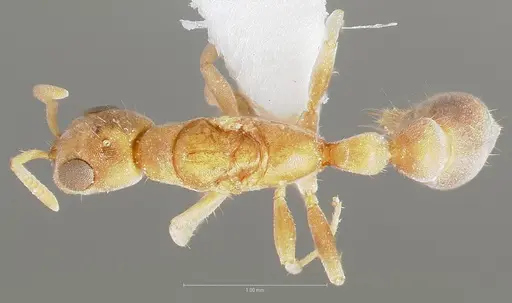
CASENT0103778
View on AntWeb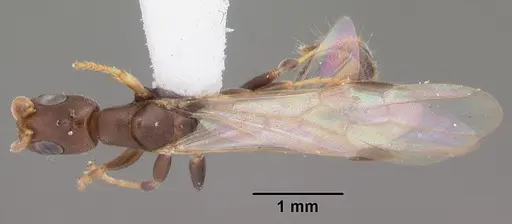
CASENT0103780
View on AntWeb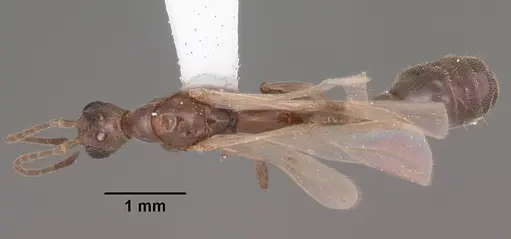
CASENT0104073
View on AntWeb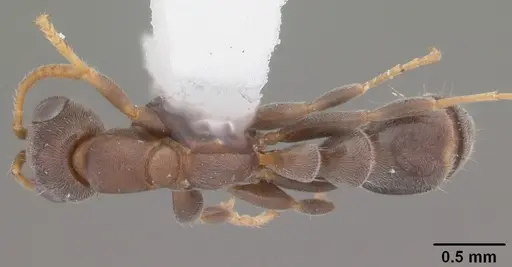
CASENT0173759
View on AntWeb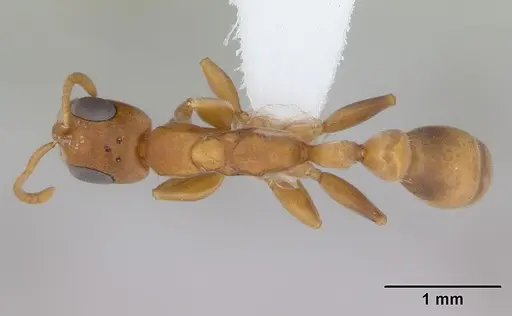
CASENT0907536
View on AntWeb
ECOFOG-HC-0008
View on AntWeb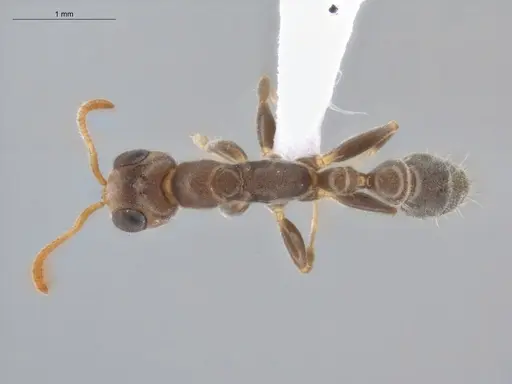
FMNHINS0000088650
View on AntWeb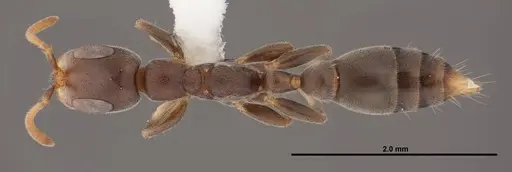
Literature
Loading...Loading products...