

Pseudomyrmex seminole
- Scientific Name
- Pseudomyrmex seminole
- Tribe
- Pseudomyrmecini
- Subfamily
- Pseudomyrmecinae
- Author
- Ward, 1985
- Common Name
- Seminole Twig Ant
- Distribution
- Found in 3 countries
Pseudomyrmex seminole Overview
Pseudomyrmex seminole (commonly known as the Seminole Twig Ant) is an ant species of the genus Pseudomyrmex. It is primarily documented in 3 countries , including Cuba, Mexico, United States of America. Detailed taxonomic data and occurrence records can be further explored via authoritative databases such as AntWeb or the Global Biodiversity Information Facility (GBIF).
Pseudomyrmex seminole - "Seminole Twig Ant"
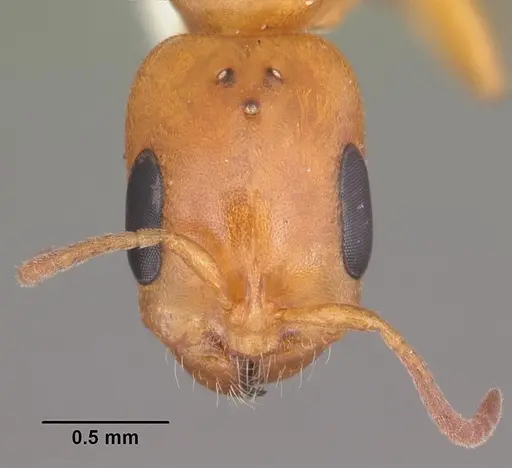
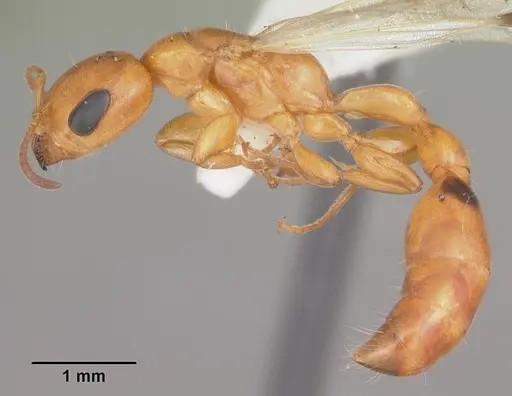
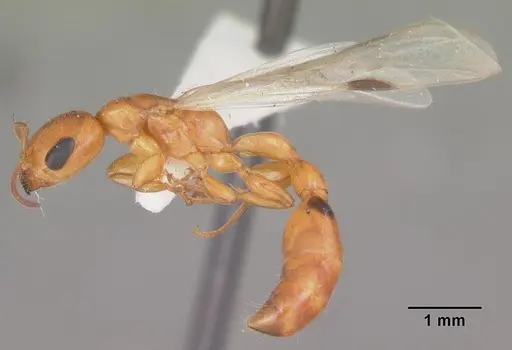
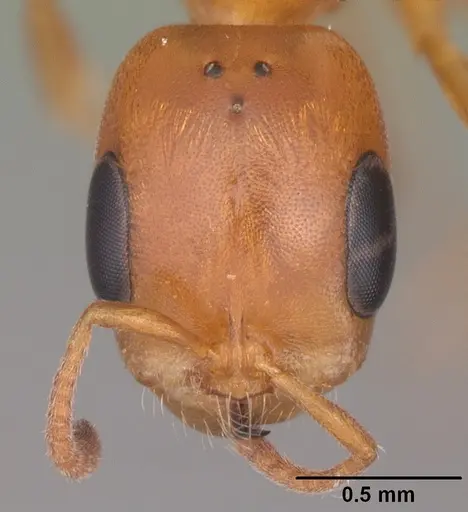
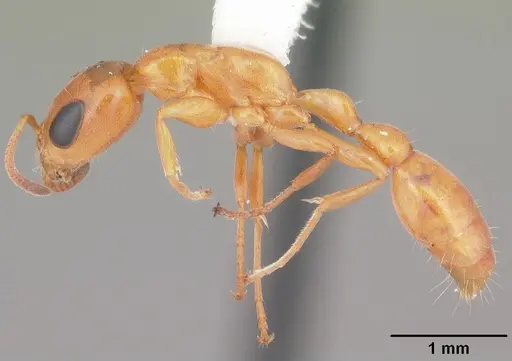
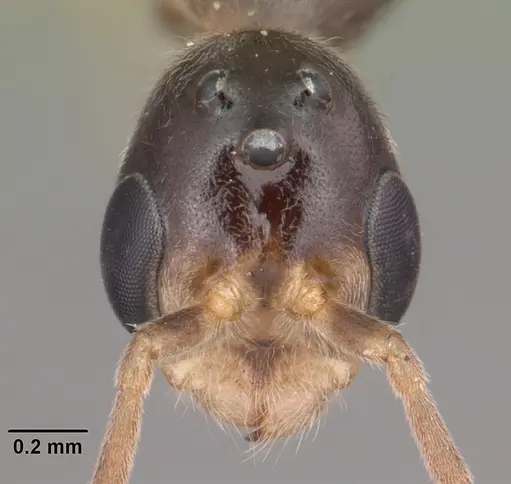
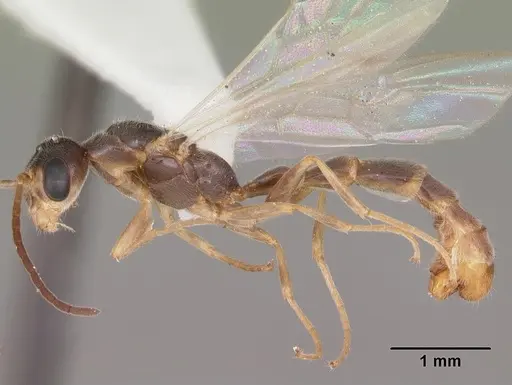
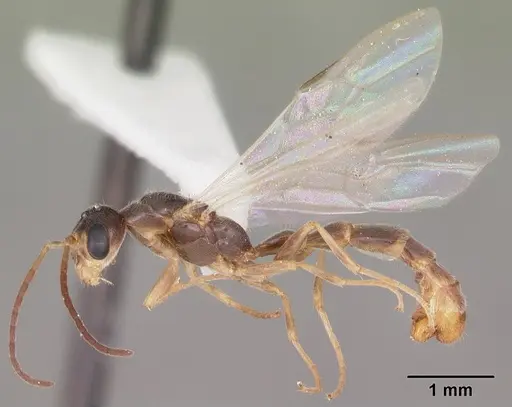
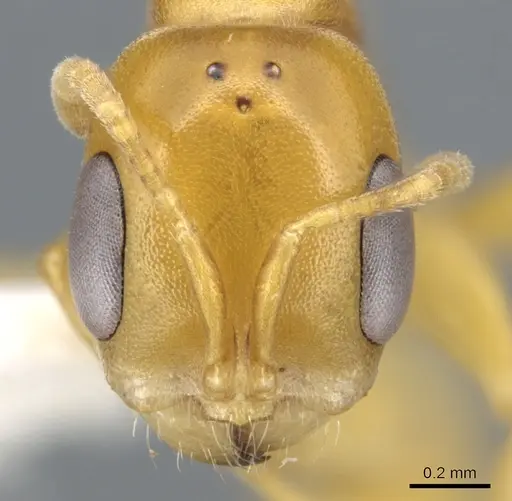
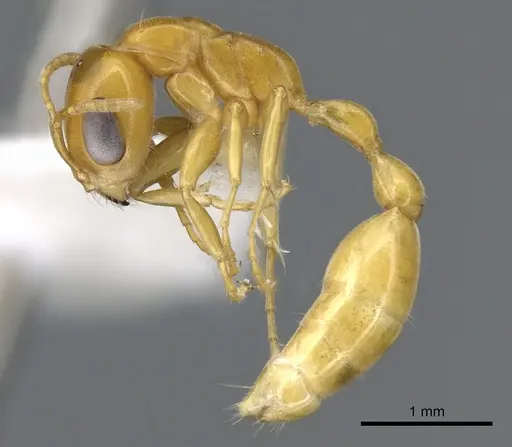
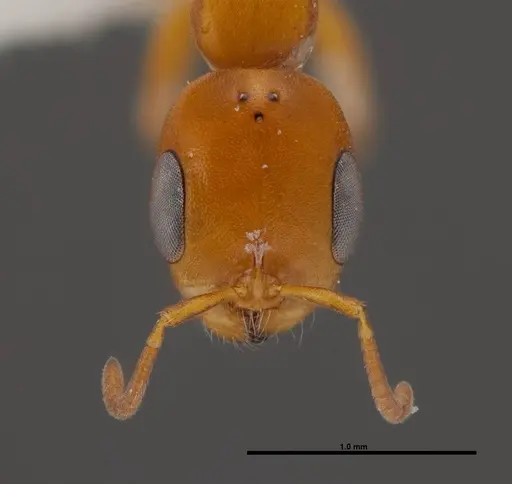
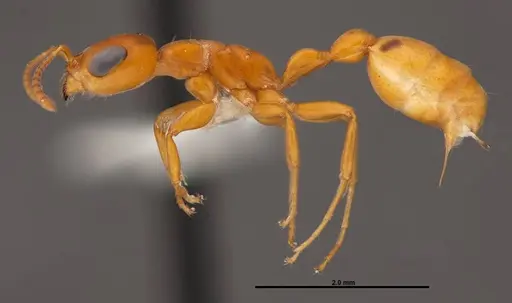
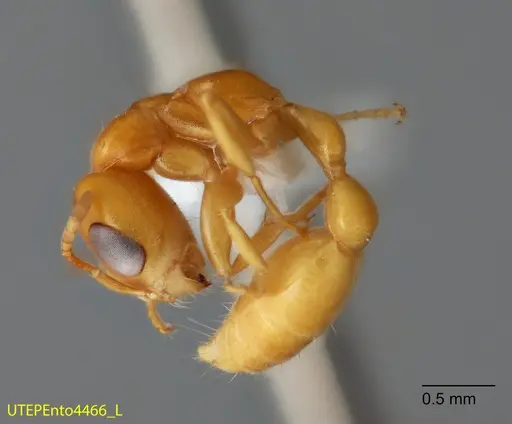
Pseudomyrmex seminole is a relatively large ant species native to the Gulf coast of the United States and Mexico, also found in the Bahamas and Cuba [1]. Workers measure around 0.87-0.96mm in head width and have an orange-brown body color with paler mandibles and leg tips [1]. They are slender ants with long, delicate petioles and postpetioles, and relatively short eyes compared to their close relative P. pallidus [1]. These ants nest exclusively in dead plant stems and stalks, making them a specialized nesting species that requires hollow structures like plant culms or twigs [1].
One of the most fascinating aspects of P. seminole is its potential relationship with the closely related Pseudomyrmex pallidus. In some locations, researchers have found P. seminole queens coexisting with P. pallidus workers in the same plant stem, suggesting this species may be a facultative temporary social parasite, meaning a queen can temporarily invade a host colony of another species before establishing her own [1]. This unusual behavior makes them particularly interesting for antkeepers who want to observe complex social interactions.
Quick Summary
- Difficulty: Medium
- Origin & Habitat: Gulf coast of USA (Florida, Texas, Alabama, Mississippi) and Mexico (Nuevo León, Tamaulipas, Tabasco, Sinaloa), also Bahamas and Cuba. Found in coastal areas, xerophilous shrubland, pine-oak forest, and secondary vegetation [2][3][4][5][6].
- Colony Type: Monogyne (single queen colonies). Some colonies are queenless, indicating they are polydomous, meaning they maintain multiple nest sites connected together. May form temporary associations with Pseudomyrmex pallidus during colony founding [1][7].
- Colony: Monogyne
- Queen: Temporary parasitic
- Size & Growth:
- Queen: Approximately 7-9mm (estimated based on genus patterns)
- Worker: Approximately 5-7mm total length (HW 0.87-0.96mm) [1]
- Colony: Small to moderate, likely under 500 workers based on typical Pseudomyrmex colony sizes and the species' specialized nesting in plant stems
- Growth: Moderate
- Development: 6-10 weeks (estimated based on typical Pseudomyrmecinae development) (Development timeline is not specifically documented for this species. Related Pseudomyrmex species typically develop from egg to worker in 6-10 weeks at warm temperatures.)
- Antkeeping:
- Temperature: Keep at 24-28°C. These are warm-climate ants from the Gulf coast and tropical regions. Room temperature (around 22-24°C) is acceptable, but a slight heat gradient helps stimulate activity and brood development.
- Humidity: Moderate humidity (50-70%). These ants nest in plant stems which can dry out, so occasional misting or a water source is important. Avoid waterlogging the nesting area.
- Diapause: No, these are tropical/subtropical ants that do not require hibernation. They remain active year-round in their native range.
- Nesting: Specialized stem-nesters. In captivity, they do well in narrow acrylic nests, Y-tong (AAC) nests, or test tube setups that mimic hollow plant stems. Provide narrow chambers (3-5mm diameter equivalent) that mimic their natural plant stem nesting sites. They prefer dark, enclosed spaces.
- Behavior: Generally peaceful but defensive when threatened. Workers are slender and fast-moving. They are not aggressive toward humans but will defend their nest. Escape risk is moderate, they are not tiny ants but can squeeze through small gaps. Use standard barrier methods. They are diurnal and actively forage during the day. As predatory ants, they hunt small insects and arthropods.
- Common Issues: colonies often fail because keepers provide nest chambers that are too large, they prefer tight, stem-like spaces, overheating is a risk, keep away from direct heat sources as they can quickly dry out their nesting area, wild-caught colonies may contain parasites or be already stressed from relocation, temporary parasitic behavior may cause stress if housed with incompatible species, dry nesting material leads to colony abandonment or death, monitor humidity closely
Housing and Nest Setup
Pseudomyrmex seminole requires nesting conditions that mimic their natural habitat in dead plant stems. The best options for captivity are narrow acrylic nests (Y-tong/AAC style), custom acrylic nests with thin chambers, or test tube setups with narrow inner diameters. Chamber widths should be roughly 3-5mm, tight enough to make the ants feel secure but with enough room for a small colony to move around [1].
Avoid large, open formicarium spaces. These ants do not do well in naturalistic setups with large dirt chambers. They are stem-nesters and prefer tight, enclosed spaces that simulate hollow plant culms. A dark nest area is essential, cover the nest with an opaque cover or place it in a shaded area. Provide an outworld for foraging that is simple and easy to maintain. Use a water test tube as a humidity source, positioned near but not directly under the nest chambers.
Feeding and Diet
Like other Pseudomyrmex species, P. seminole is predatory and will hunt small insects and arthropods. Feed them small live prey such as fruit flies, pinhead crickets, small mealworms, and other tiny invertebrates. Offer protein foods 2-3 times per week, removing any uneaten prey after 24-48 hours.
Sugar sources are also accepted by many Pseudomyrmex species. You can offer a drop of sugar water, honey, or diluted maple syrup once or twice a week. However, protein should be the primary food source. Make sure all food is removed promptly to prevent mold. Fresh water should always be available.
Temperature and Seasonal Care
Maintain temperatures between 24-28°C during the active season. These are warm-climate ants from the Gulf coast and tropical regions, so they thrive in temperatures that mimic their native environment. A small heating cable on one side of the nest can create a gentle gradient, but avoid direct heat that could dry out the nest.
Unlike temperate species, P. seminole does not require hibernation or diapause. They remain active year-round and should be kept warm throughout the year. However, slight temperature reductions in winter (down to around 20-22°C) are acceptable if your room naturally cools. Just ensure temperatures do not drop below 18°C for extended periods.
Colony Dynamics and Social Structure
This species forms monogyne colonies with a single queen. However, they are polydomous, meaning a single colony can occupy multiple nest sites connected together [1]. This is important to understand because in captivity, you might see workers spread across multiple connected spaces.
The most interesting aspect of their biology is the potential facultative temporary parasitism on Pseudomyrmex pallidus. Researchers have observed P. seminole queens coexisting with P. pallidus workers in the same plant stem [1]. This suggests that founding queens may sometimes invade host colonies temporarily before establishing independent nests. In captivity, do not house them with other Pseudomyrmex species as this could cause conflict.
Handling and Observation
Pseudomyrmex workers are slender, fast-moving ants that are generally peaceful but will defend their colony if threatened. They are not dangerous to humans and do not have a painful sting like some other ant genera. When observing them, avoid disturbing the nest too frequently as this can stress the colony.
These ants are diurnal and most active during daylight hours. They are excellent for observation because workers are relatively large and their behaviors are easy to watch. The long, slender petiole gives them a distinctive appearance that makes them visually interesting in a formicarium. They are good escape artists for their size, so ensure your setup has proper barriers.
Frequently Asked Questions
Can I keep Pseudomyrmex seminole in a test tube?
Yes, test tubes work well for founding colonies and small groups. Use a narrow test tube (like a standard 9mm or 12mm diameter) with a water reservoir. The tight space mimics their natural plant stem nesting sites. As the colony grows, you may need to connect multiple test tubes or move to a small acrylic nest.
How long does it take for Pseudomyrmex seminole to produce first workers?
The exact timeline is not documented, but based on related Pseudomyrmex species, expect 6-10 weeks from founding to first workers (nanitics). The queen will lay eggs, and the brood will develop through larval and pupal stages before emerging as workers. Keep the colony warm (24-28°C) to support development.
Do Pseudomyrmex seminole ants sting?
Pseudomyrmex ants are not known for having painful stings. While they can technically sting, they are not considered dangerous to humans and are generally docile. They will flee rather than attack when disturbed, though they may bite if directly threatened.
What do Pseudomyrmex seminole eat?
They are predatory ants that primarily eat small insects and arthropods. Feed them fruit flies, small mealworms, pinhead crickets, and similar small live prey. They also accept sugar sources like honey or sugar water. Protein should be the main food, offered 2-3 times per week.
Are Pseudomyrmex seminole good for beginners?
This species is rated as medium difficulty. They are more specialized than common beginner species like Lasius or Camponotus because they require specific stem-like nesting conditions and warm temperatures. However, they are not as difficult as some exotic species. If you have kept other ant species successfully, this is a good choice.
Can I keep multiple Pseudomyrmex seminole queens together?
No, this species is monogyne, colonies have a single queen. Unlike some ants that can form multi-queen colonies, P. seminole typically has only one queen per colony. Do not attempt to combine unrelated queens as this will likely result in fighting.
Do Pseudomyrmex seminole need hibernation?
No, they do not require hibernation. These are tropical/subtropical ants from the Gulf coast that remain active year-round. Keep them at warm temperatures (24-28°C) throughout the year. Slight temperature reductions in winter are acceptable but not necessary.
Why is my Pseudomyrmex seminole colony dying?
Common causes include: nest chambers too large (they prefer tight spaces), dry nesting material (they need some humidity), temperatures too cold (below 20°C slows activity), or stress from too much disturbance. Check that your setup mimics their natural plant stem habitat with narrow, dark chambers and adequate humidity.
How big do Pseudomyrmex seminole colonies get?
Based on typical Pseudomyrmex colony sizes and their specialized stem-nesting lifestyle, colonies likely reach several hundred workers at maximum. They are not among the largest ant species, but a healthy colony should grow to 200-500 workers over a few years.
When should I move Pseudomyrmex seminole to a formicarium?
Move them when the test tube or initial setup becomes crowded with workers. For Pseudomyrmex, this might be when you have 30-50+ workers. They do well in small acrylic nests with narrow chambers. Do not move them too early, wait until the colony is established with at least 20-30 workers.
References

This caresheet is licensed under CC BY-SA 4.0 .
CASENT0103881
View on AntWeb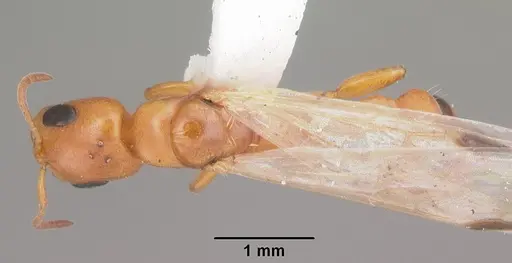
CASENT0103884
View on AntWeb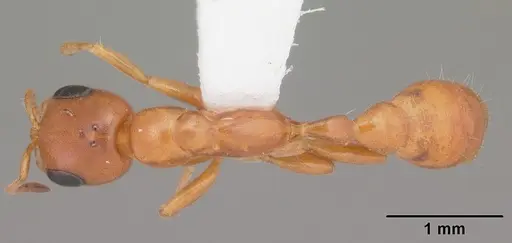
CASENT0104233
View on AntWeb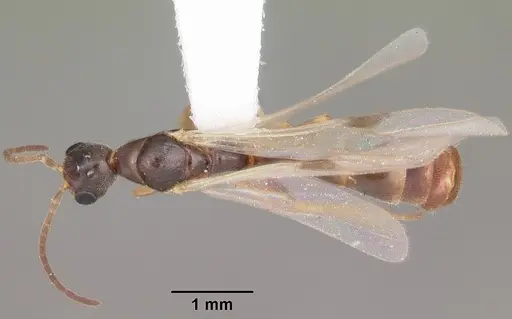
CASENT0902898
View on AntWeb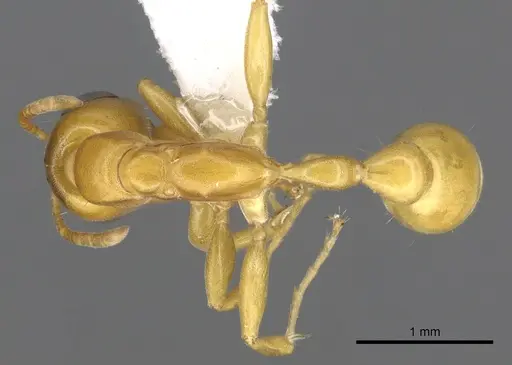
FMNHINS0000078510
View on AntWeb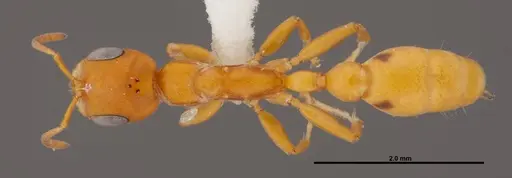
UTEPENTO4466
View on AntWeb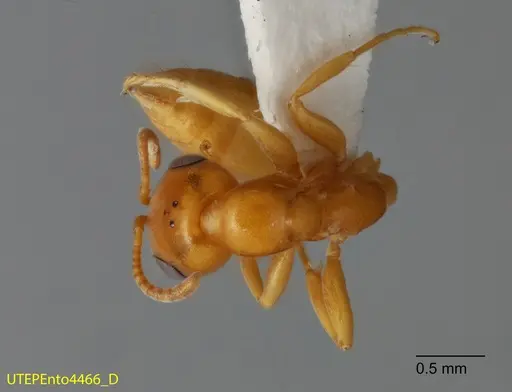
Literature
Loading...Loading products...