
Pseudomyrmex pallidus shows a February to October activity window. Peak activity occurs in June, with queen sightings distributed across 7 months. This extended season suggests multiple flight events or varying conditions across its range.
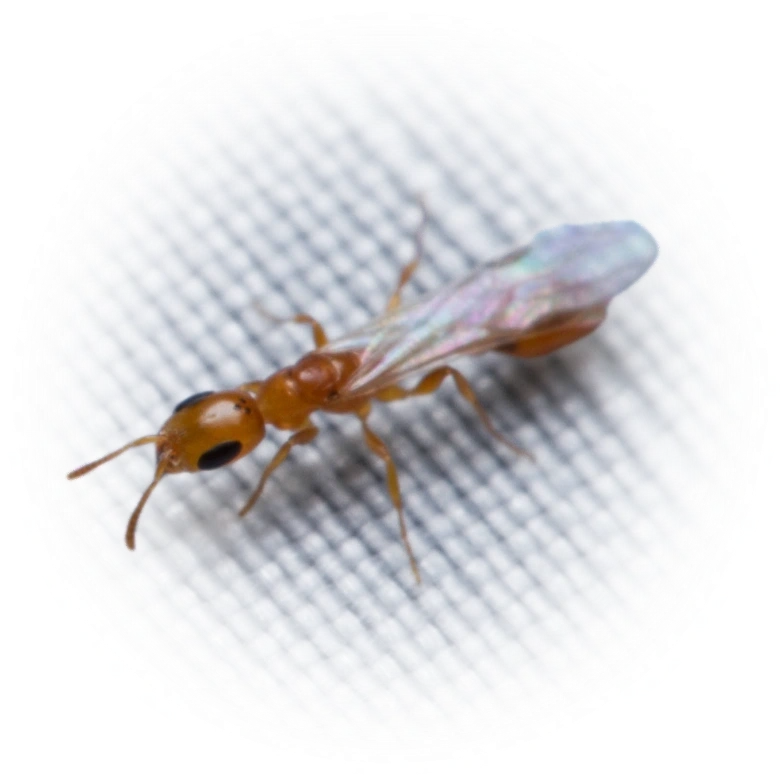
Pseudomyrmex pallidus
- Scientific Name
- Pseudomyrmex pallidus
- Tribe
- Pseudomyrmecini
- Subfamily
- Pseudomyrmecinae
- Author
- Smith, 1855
- Common Name
- Pallid Twig Ant
- Distribution
- Found in 4 countries
- Nuptial Flight
- from February to October, peaking in June
AI Identifiable
try →
Pseudomyrmex pallidus Overview
Pseudomyrmex pallidus (commonly known as the Pallid Twig Ant) is an ant species of the genus Pseudomyrmex. It is primarily documented in 4 countries , including Colombia, Costa Rica, Mexico. Detailed taxonomic data and occurrence records can be further explored via authoritative databases such as AntWeb or the Global Biodiversity Information Facility (GBIF).
The nuptial flight of Pseudomyrmex pallidus is a significant biological event, typically occurring from February to October, peaking in June. During this time, winged queens and males leave the nest to mate and establish new colonies.
Pseudomyrmex pallidus - "Pallid Twig Ant"
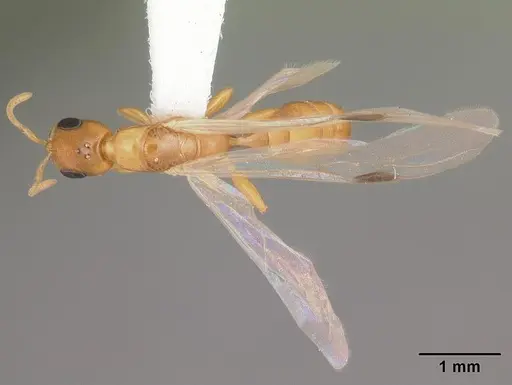
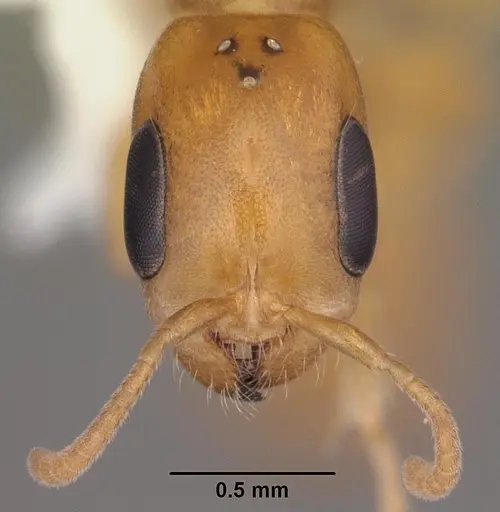
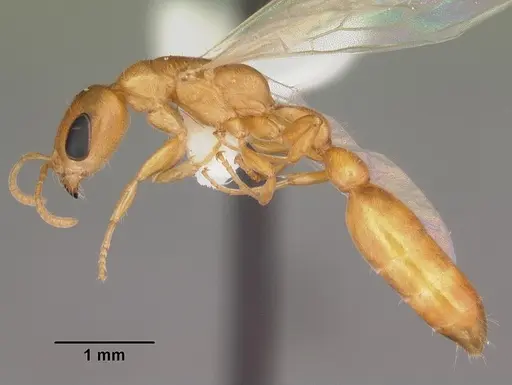
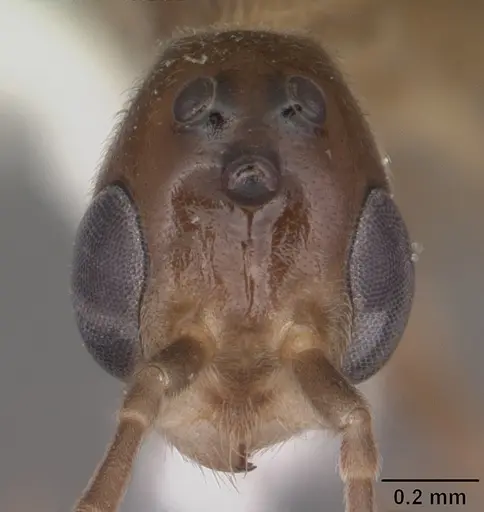
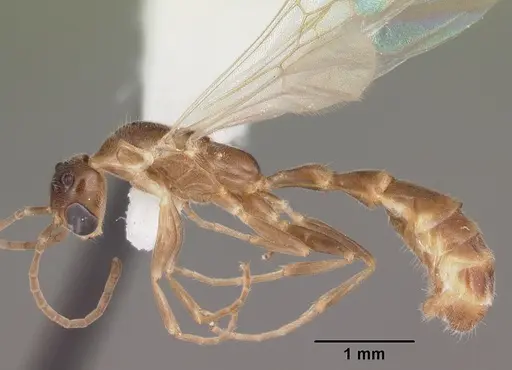
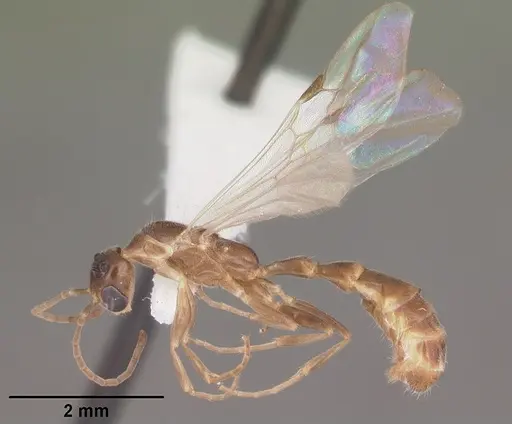
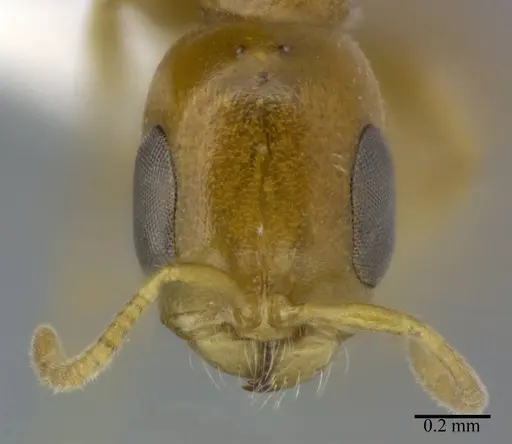
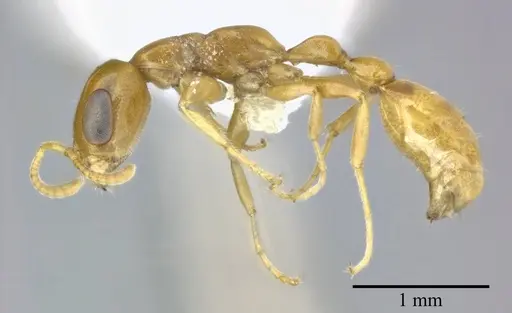
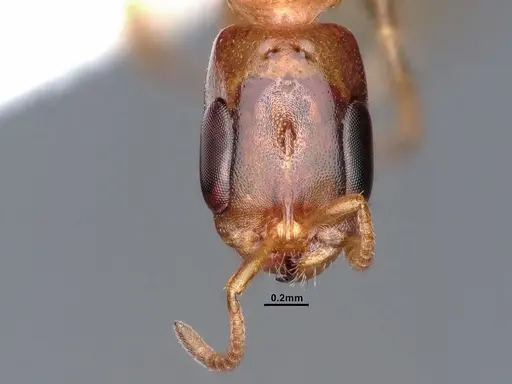
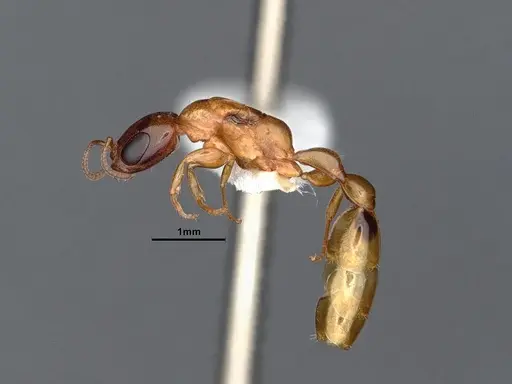
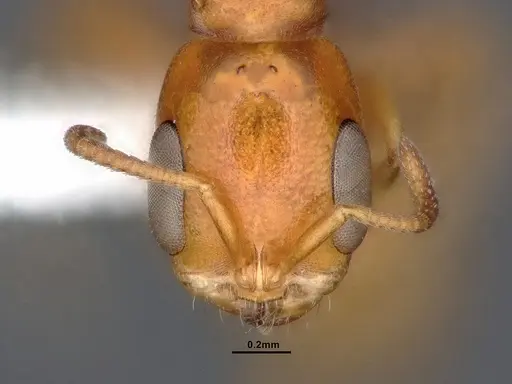
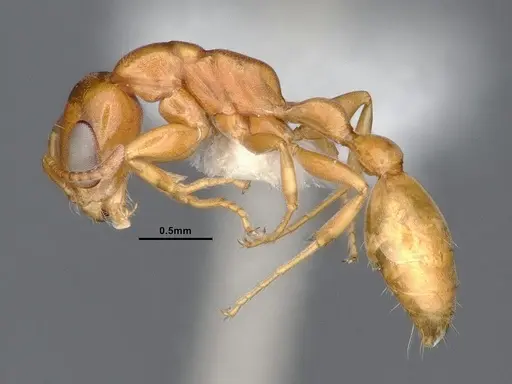
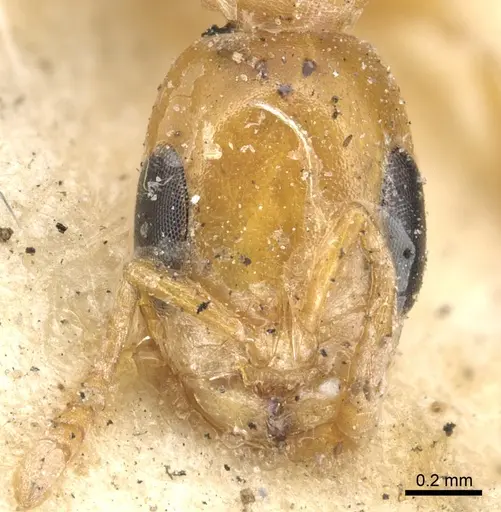
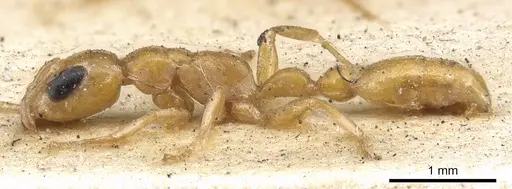
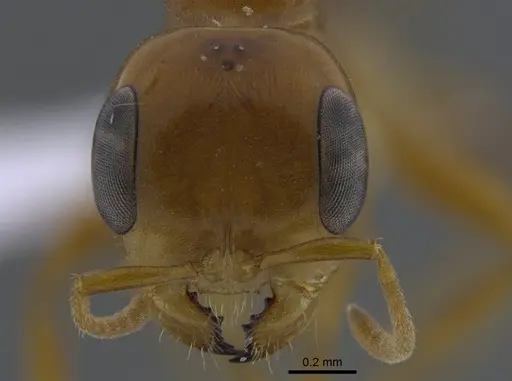
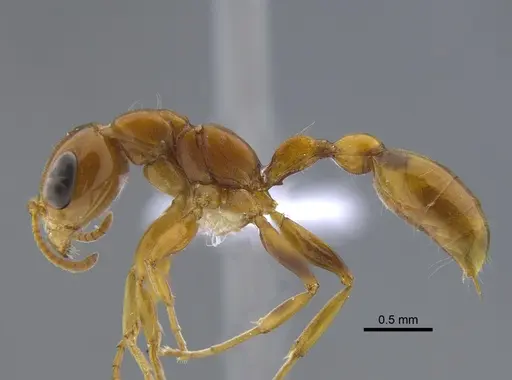
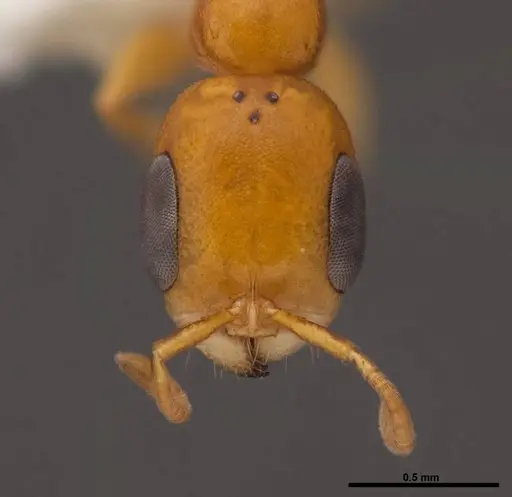
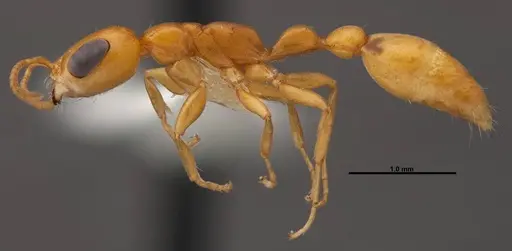
Pseudomyrmex pallidus is a medium-sized, orange-brown ant belonging to the Pseudomyrmecinae subfamily. Workers measure approximately 4-6mm with a distinctive elongate body and large eyes adapted for their arboreal lifestyle [1]. This species is a member of the pallidus group and is one of the most widespread Pseudomyrmex species in the Americas, found from the southern United States all the way down to Argentina [2][3]. They are opportunistic nesters that colonize a wide variety of cavities, including dead grass stalks, herbaceous plant stems, and hollow twigs in trees and shrubs [4].
What makes P. pallidus particularly interesting is its flexible social structure, colonies can be either single-queen (monogyne) or multi-queen (polygynous), with documented colonies having up to 22 reproductive queens [4]. Unlike some related species that are specialized mutualists with acacias, P. pallidus is a generalist that forages on a variety of plants and is predatory in nature [5][6]. They are known to visit extrafloral nectaries and have been observed tending Miami blue butterfly larvae as predators [7][8]. This species also has a notably painful sting for its size, so handling requires caution [9].
Quick Summary
- Difficulty: Medium
- Origin & Habitat: Native to the Nearctic and Neotropical regions, ranging from the southern United States (North Carolina to Florida, west to Texas, Arizona, and southern California) through Mexico, Central America, and South America to Argentina [2][3]. They inhabit diverse environments including tropical dry forests, evergreen forests, pine forests, pastures, and coastal areas. As arboreal twig-nesters, they require access to cavities in dead plant material like grass culms, hollow twigs, and vines [9][10].
- Colony Type: Facultatively polygynous, colonies can have a single queen or multiple queens (up to 22 documented). Most colonies in Texas and Florida were queenless or monogyne, but larger multi-queen colonies do occur. Colonies are also polydomous, meaning they can occupy multiple nest sites [4][11].
- Colony: Optionally polygyne
- Founding: Claustral
- Size & Growth:
- Queen: Approximately 6-7mm (estimated based on worker size and genus patterns)
- Worker: 4-6mm (HL 0.78-1.06,HW 0.68-0.89mm) [4]
- Colony: Small to moderate, typically under 200 workers based on typical twig-nesting Pseudomyrmex patterns
- Growth: Moderate
- Development: 6-10 weeks (estimated based on related Pseudomyrmex species and tropical ant development patterns) (Development time is temperature-dependent, warmer conditions within their preferred range will accelerate development)
- Antkeeping:
- Temperature: Keep at 22-26°C. This is a tropical to warm-temperate species found across a wide latitudinal range, so they can tolerate a range of temperatures. Avoid temperatures below 18°C or above 30°C.
- Humidity: Moderate humidity around 50-70%. As twig-nesting ants, they prefer slightly drier conditions than ground-nesting species. Provide a water tube but avoid excessive moisture in the nest area.
- Diapause: Unknown, alates have been collected in every month of the year, suggesting they may not require a true diapause. However, activity may slow in cooler months.
- Nesting: These are obligate twig-nesters. Provide nests with narrow chambers that mimic their natural cavities in grass stems, twigs, and vines. Y-tong (AAC) nests with appropriately sized chambers work well. You can also provide natural twigs or bamboo sections as founding setups.
- Behavior: P. pallidus is a generalist predator and forager. Workers are active hunters and will scavenge as well. They are not aggressive toward humans but will defend their nest vigorously and can deliver a painful sting due to their relatively large stinger [9]. They are arboreal and spend most of their time in vegetation, though workers will forage at ground level. Escape prevention is important, they are small and agile, so ensure your setup has no gaps. They are Tropical Climate Specialists in functional group classification [12][13].
- Common Issues: painful sting, these ants have a large stinger and can deliver a notably painful sting when threatened, escape risk, small size and arboreal nature means they can slip through small gaps, use fine mesh and check all connections, colony decline, polygynous colonies may experience queen conflict or replacement if not properly established, humidity control, too much moisture can be harmful, these prefer drier nest conditions than many common ants, limited availability, this species is not commonly kept in the hobby and may be difficult to acquire
Queen Ant Activity Analysis 134 observations
Queen Activity by Hour 134 observations
Pseudomyrmex pallidus queen activity peaks around 11:00 during the late morning to early afternoon. Activity is spread across a 15-hour window (05:00–19:00). A secondary activity peak occurs around 13:00. Times may be influenced by human observation patterns.
Housing and Nest Preferences
Pseudomyrmex pallidus is an obligate twig-nester, meaning you'll need to provide nesting cavities that mimic their natural habitat. In the wild, they nest in dead stalks of herbaceous plants (like Ambrosia, Bidens, and Andropogon in Florida), dead twigs and branches of shrubs and trees (including Baccharis, Quercus, and Acacia), and grass culms [4]. For captivity, Y-tong (AAC) nests with narrow chambers are ideal, the chambers should be appropriately scaled to their 4-6mm worker size. You can also use natural setups with bamboo sections or hollow twigs. Since they're arboreal, they do well in outworlds that include vertical structures or plants where they can forage. Test tubes can work for founding colonies if you provide a suitable cavity insert.
Feeding and Diet
This species is predatory by nature, feeding on small insects and arthropods [5][6]. In captivity, offer them small live prey like fruit flies, pinhead crickets, and small mealworms. They are generalist foragers, so they will accept a variety of protein sources. Beyond predation, they also visit extrafloral nectaries in the wild, so they may occasionally accept sugar water or honey as a supplemental energy source [7][14]. Feed them protein 2-3 times per week, with sugar water available continuously if they'll accept it. Remove uneaten prey after 24 hours to prevent mold.
Temperature and Seasonal Care
As a species with an extremely wide distribution from the southern US to Argentina, P. pallidus can tolerate a range of temperatures. Keep them in the 22-26°C range for optimal activity and brood development. They are classified as Tropical Climate Specialists [12][13], so they prefer warmer conditions. In cooler months or rooms, you may need to provide gentle heating. Since alates have been collected in every month of the year [4], they may not require a true diapause, but you might observe reduced activity during winter months in temperate climates. Monitor your colony's behavior and adjust temperature accordingly, if workers become less active, a slight temperature increase may help.
Behavior and Defense
One important consideration for keepers is that P. pallidus has a notably large stinger for its size and can deliver a fairly painful sting [9]. While they are not aggressive toward humans under normal circumstances, they will defend their nest vigorously if threatened. When working with them, go slowly and avoid disturbing the nest directly. Use escape prevention diligently, these are small, agile ants that can slip through tiny gaps. They are arboreal by nature and are comfortable moving through vegetation, so provide enrichment in the outworld if possible. Workers are monomorphic [11], meaning all workers are the same size with no major size differences between minor and major castes.
Colony Structure and Multi-Queen Dynamics
P. pallidus shows fascinating flexibility in colony structure. They can form monogyne colonies with a single queen, or polygynous colonies with multiple reproductive queens (up to 22 documented) [4]. Research has shown that workers from monogyne colonies are more efficient at discriminating intruders than workers from polygynous colonies [15]. There's also a negative correlation between queen number and aggression levels in workers [15]. If you're establishing a colony, single-queen colonies may establish more quickly, but multi-queen colonies can grow larger. The species is also polydomous, meaning a single colony can occupy multiple nest sites in the wild.
Frequently Asked Questions
Can I keep Pseudomyrmex pallidus in a test tube?
Yes, test tubes can work for founding colonies, but you'll need to provide a cavity insert (like a small piece of straw or bamboo) to give them a proper twig-like nesting space. These are obligate cavity-nesters and won't do well in an open water tube setup. Once the colony grows, transfer to a Y-tong or naturalistic setup with appropriately sized chambers.
Do Pseudomyrmex pallidus ants sting?
Yes, they can sting and deliver a notably painful sting for their size. They have a relatively large stinger compared to many similar-sized ants [9]. While not aggressive under normal circumstances, they will defend their nest if threatened. Handle with care and use caution when working with established colonies.
How long does it take for Pseudomyrmex pallidus to raise first workers?
Exact development time hasn't been documented, but based on related Pseudomyrmex species and tropical ant development patterns, expect 6-10 weeks from egg to first worker at optimal temperature (22-26°C). Development is faster at warmer temperatures within their range.
Can I keep multiple queens together in one colony?
Yes, this species is facultatively polygynous, colonies can have multiple queens (up to 22 documented in the wild) [4]. However, single-queen colonies are more common and may establish more smoothly. If combining unrelated foundresses, introduce them carefully and monitor for aggression.
What do Pseudomyrmex pallidus eat?
They are predatory ants that primarily hunt small insects and arthropods [5][6]. Feed them small live prey like fruit flies, pinhead crickets, and small mealworms. They may also occasionally accept sugar sources like honey water, as they visit extrafloral nectaries in the wild [7].
Are Pseudomyrmex pallidus good for beginners?
This species is rated as Medium difficulty. While not the hardest species to keep, there are some challenges: they require specific twig-nesting setups, they can deliver a painful sting, and they may be difficult to acquire. Beginners might find more common species easier to start with, but experienced antkeepers should find this species manageable.
Do Pseudomyrmex pallidus need hibernation?
Probably not. Alates have been collected in every month of the year [4], suggesting they don't require a true diapause. However, if kept in a temperate climate, you may notice reduced activity in winter months. They prefer stable warm conditions year-round.
How big do Pseudomyrmex pallidus colonies get?
Colony size is moderate. Based on typical twig-nesting Pseudomyrmex patterns and the fact that they often have multiple queens, colonies likely reach several hundred workers at maturity. They are polydomous in the wild, meaning one colony can occupy multiple nest sites.
What is the best nest type for Pseudomyrmex pallidus?
Y-tong (AAC) nests with narrow, appropriately sized chambers work best for established colonies. For founding colonies, test tubes with cavity inserts or small bamboo sections mimic their natural twig-nesting habitat. The key is providing narrow cavities that match what they'd find in nature.
Why is my Pseudomyrmex pallidus colony dying?
Common causes include: too low temperature (keep above 18°C), excessive humidity (they prefer drier conditions than ground-nesting ants), poor escape prevention allowing escapes, or inadequate protein in their diet. Also ensure you're not disturbing the nest too frequently. If caught early, addressing these issues often helps recovery.
References

This caresheet is licensed under CC BY-SA 4.0 .
CASENT0005441
View on AntWeb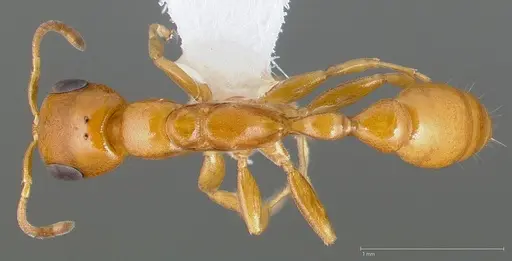
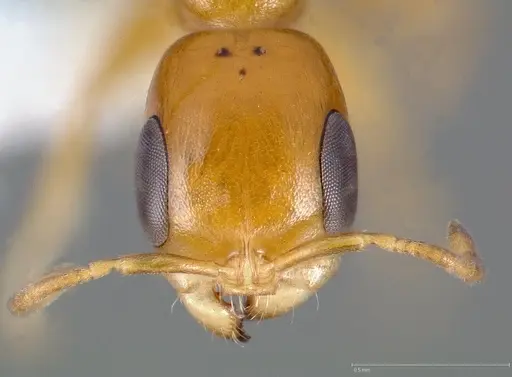
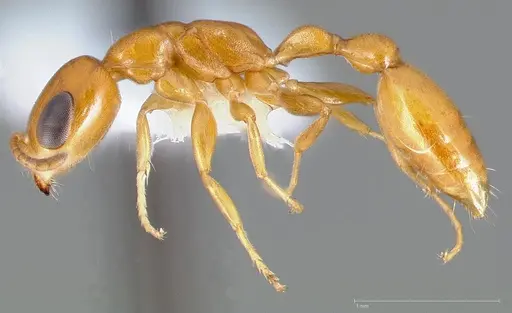
CASENT0103866
View on AntWeb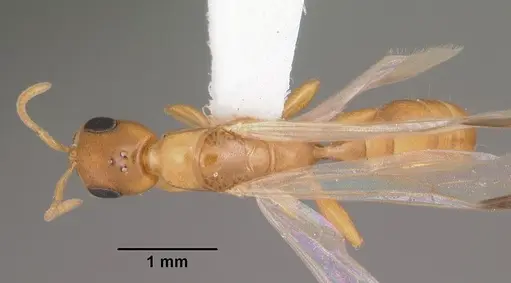
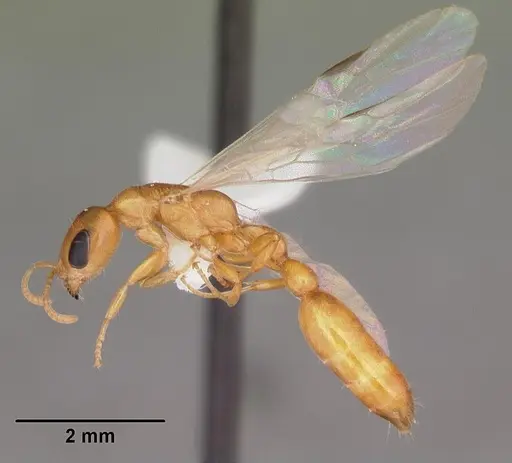
CASENT0103890
View on AntWeb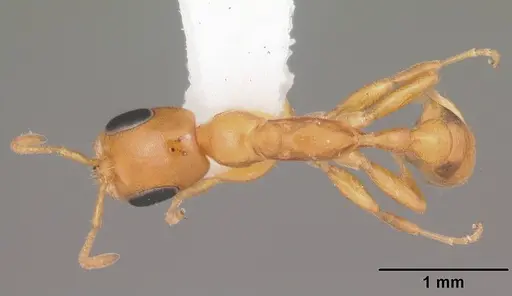
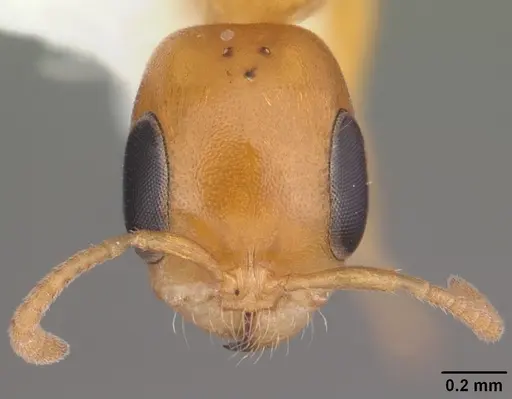
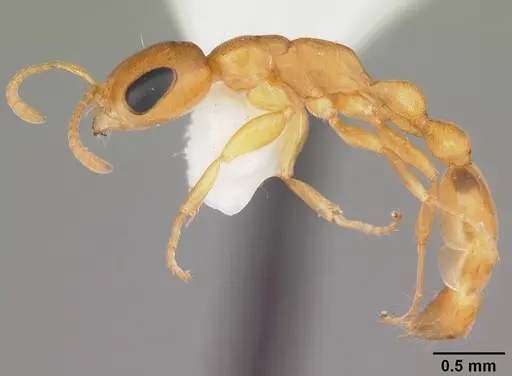
CASENT0104249
View on AntWeb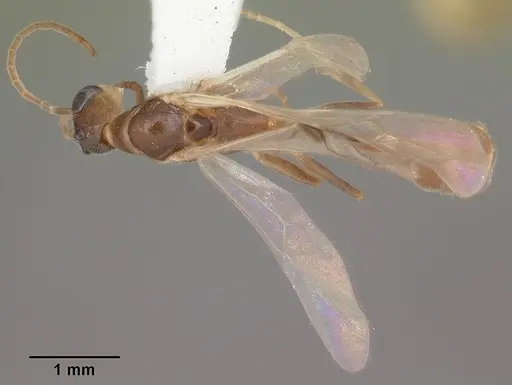
CASENT0246350
View on AntWeb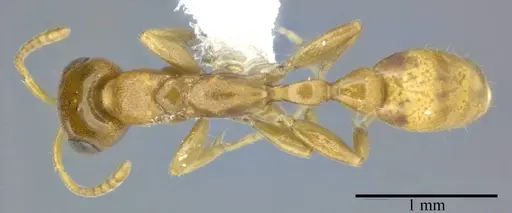
CASENT0884340
View on AntWeb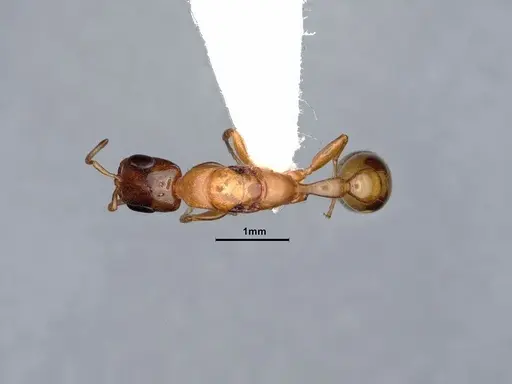
CASENT0884341
View on AntWeb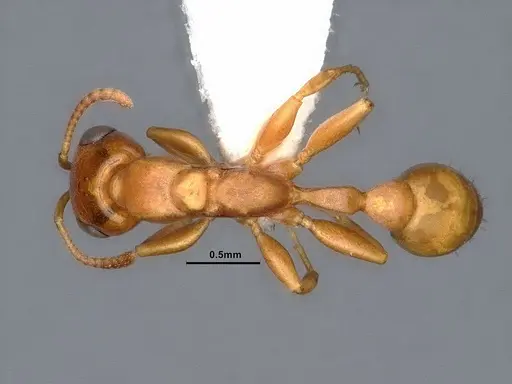
CASENT0902900
View on AntWeb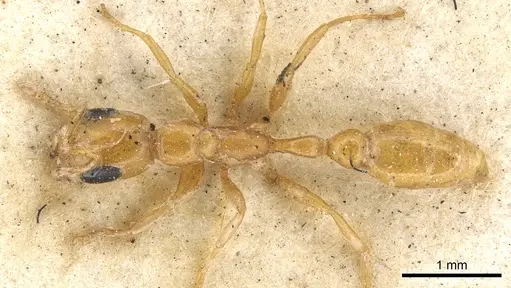
CBUMAGENT41735
View on AntWeb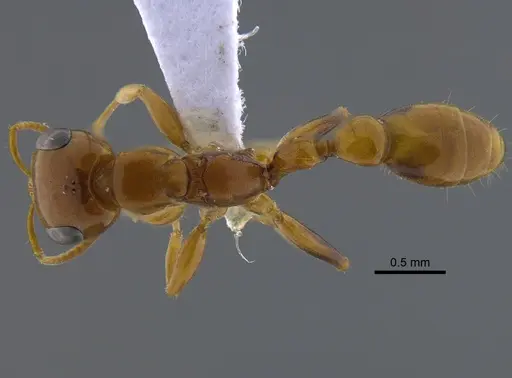
FMNHINS0000078509
View on AntWeb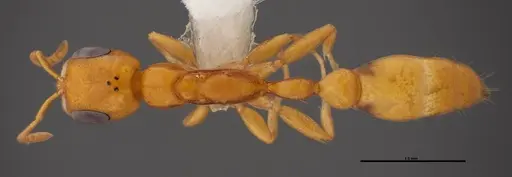
Literature
Loading...Loading products...