

Pseudomyrmex satanicus
- Scientific Name
- Pseudomyrmex satanicus
- Tribe
- Pseudomyrmecini
- Subfamily
- Pseudomyrmecinae
- Author
- Wheeler, 1942
- Distribution
- Found in 1 countries
Pseudomyrmex satanicus Overview
Pseudomyrmex satanicus is an ant species of the genus Pseudomyrmex. It is primarily documented in 1 countries , including Panama. Detailed taxonomic data and occurrence records can be further explored via authoritative databases such as AntWeb or the Global Biodiversity Information Facility (GBIF).
Pseudomyrmex satanicus
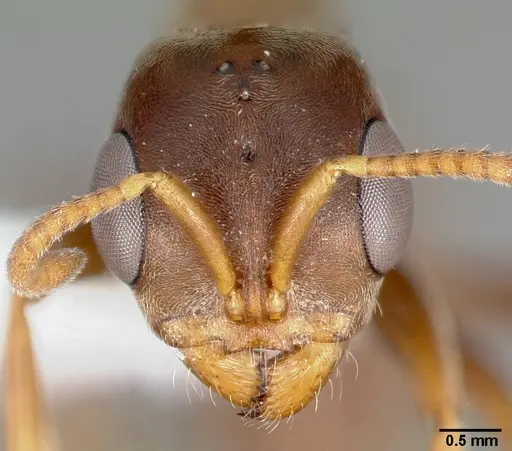
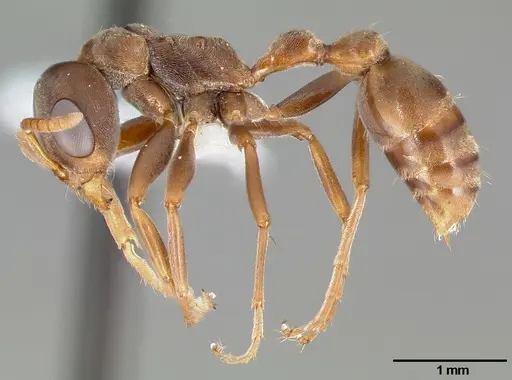
Pseudomyrmex satanicus is a large, aggressive acacia ant native to the Neotropical forests of Costa Rica and Panama. Workers are dark brown with lighter mandibles and appendages, measuring 1.16-1.36mm in head length and 1.10-1.26mm in head width [1]. Queens are notably larger, exceeding 1.65mm head length and 1.20mm head width, making them among the largest in the ferrugineus species group [1]. This species belongs to the Pseudomyrmecinae subfamily and is a member of the ferrugineus species group, closely related to Pseudomyrmex spinicola [2].
What makes P. satanicus particularly remarkable is its extremely specialized mutualistic relationship with Vachellia melanoceras (formerly Acacia melanoceras), it is considered the only true inhabitant of this specific acacia species [3]. The ant is polygynous, with colonies typically containing 5-20 or more queens [4]. Workers are notoriously aggressive, even by acacia-ant standards, actively patrolling the host plant and defending it vigorously against herbivores and other threats [5]. Both the ant and its host plant are considered vulnerable to extinction due to their intolerance of forest clearance [4].
Quick Summary
- Difficulty: Expert
- Origin & Habitat: Central Panama and Costa Rica in Neotropical forests. This is a forest-dwelling species restricted to areas where its host plant, Vachellia melanoceras (bull horn acacia), grows [1][6]. The ant is an obligate mutualist, it lives exclusively inside the domatia (swollen thorns) of this specific acacia species [7][6].
- Colony Type: Polygynous, colonies contain 5-20 or more queens working together [5][2]. This is unusual among acacia-ants, as many species in the ferrugineus group are monogyne (single-queen). The multiple queens allow colonies to produce many alates (reproductives) year-round [5].
- Colony: Polygyne
- Size & Growth:
- Queen: Over 1.65mm HL, over 1.20mm HW [1], large for the genus
- Worker: 1.16-1.36mm HL,1.10-1.26mm HW [1]
- Colony: Unknown maximum, but polygynous colonies with multiple queens can grow large. Alate production occurs year-round [5].
- Growth: Moderate, estimated based on typical Pseudomyrmex development patterns
- Development: Estimated 6-10 weeks at optimal tropical temperatures (24-28°C), based on genus-level data for related species (Development in Pseudomyrmex is typically faster in warmer conditions. As a Neotropical species, they likely require consistently warm temperatures year-round.)
- Antkeeping:
- Temperature: Keep at 24-28°C (warm tropical conditions). This species is adapted to lowland Neotropical forests and requires consistently warm temperatures without diapause [5].
- Humidity: Moderate to high, they inhabit acacia domatia in tropical forests. Keep nest substrate slightly moist but not waterlogged.
- Diapause: No, as a Neotropical species from Costa Rica and Panama, they do not require hibernation. Maintain warm conditions year-round [5].
- Nesting: This is an obligate acacia ant, in captivity, they would need a setup that mimics their domatia nesting preference. Y-tong (AAC) nests or plaster nests with narrow chambers work well. They are arboreal by nature, so provide climbing structures.
- Behavior: Extremely aggressive and territorial. Workers actively patrol their territory on the host plant and will attack any perceived threat with vigor [5]. They are daytime foragers with vigorous patrolling activity on Vachellia melanoceras [5]. Escape prevention is important, while not tiny, their aggressive nature means they will readily escape if given the opportunity. They have functional stingers (Pseudomyrmecinae are in the subfamily known to have stingers) and can deliver painful stings.
- Common Issues: This species is extremely specialized, it is an obligate mutualist of Vachellia melanoceras and may not survive without access to its host plant or appropriate substitute nesting structure, Polygynous colonies can be difficult to establish as they require multiple queens, wild colonies have 5-20+ queens, Their extreme aggression makes them difficult to handle and increases escape risk during feeding and colony maintenance, As a vulnerable species in the wild due to habitat loss, ethical sourcing is a concern, captive-bred colonies are strongly preferred, Year-round warm conditions are required, any prolonged cool period could stress or kill the colony
Housing and Nest Setup
Pseudomyrmex satanicus is an arboreal species that naturally lives inside the swollen thorns (domatia) of Vachellia melanoceras. In captivity, you should provide a nest setup that mimics these conditions. Y-tong (AAC) nests or plaster nests with narrow, elongated chambers work well, the key is providing tight, enclosed spaces similar to acacia domatia. Add climbing structures like branches or cork bark since they naturally live above ground. Use a test tube connected to the nest for the outworld, with cotton separating the water reservoir from the ants. Ensure escape prevention is excellent, these ants are aggressive and will attempt to escape, but their medium size (around 10-12mm total length) means standard barriers are usually sufficient if applied properly. [1][5]
Feeding and Diet
In the wild, Pseudomyrmex satanicus gets nutrition from multiple sources: honeydew from scale insects and aphids tended on the acacia, Beltian bodies (nutritious protein-rich structures on the acacia leaves), and insects they capture while patrolling the plant [8]. In captivity, offer a varied diet including sugar water or honey (they will accept sugary liquids), small live insects like fruit flies or pinhead crickets for protein, and optionally small amounts of seeds or insect pellets. Feed every 2-3 days, removing uneaten prey within 24 hours. The key is providing constant access to sugar (they need it for energy) plus regular protein for brood development.
Temperature and Seasonal Care
As a Neotropical species from Costa Rica and Panama, P. satanicus requires warm, stable temperatures year-round. Keep the nest area at 24-28°C, use a heating cable or mat on one side of the nest if your room temperature is below this range. Place the heating element on top of the nest, not underneath, to avoid evaporating moisture too quickly. No diapause or hibernation is required, this species does not experience cold winters in its native habitat [5]. Maintain humidity by keeping the water reservoir in the test tube filled and checking the nest substrate weekly. Year-round warm conditions are essential for keeping this species healthy.
Colony Structure and Reproduction
P. satanicus is polygynous, meaning colonies contain multiple queens, typically 5-20 or more [5][2]. This is unusual among acacia-ants and gives the colony significant advantages: multiple queens mean more egg production, and colonies can produce alates (reproductives) year-round rather than seasonally [5]. Mature colonies produce far more alates than monogynous species, though each queen produces fewer individually. Alates (both males and females) disperse from the host acacias to mate elsewhere [5]. If you obtain a colony, expect multiple queens to be present and working together, this is normal for the species and you should not attempt to separate them.
Behavior and Defense
Workers of P. satanicus are particularly aggressive, even compared to other acacia-ants known for their defensive behavior [4]. They actively patrol their territory on the host plant and will attack any intruder, whether herbivores, predators, or other ants, with vigor. In captivity, this means you should exercise caution when opening the nest or adding food. They have functional stingers and can deliver painful stings. When working with this species, move slowly and use appropriate protective equipment. Their aggression also means they are excellent at defending their territory, but it makes them challenging to handle and increases the importance of secure escape prevention.
Frequently Asked Questions
Is Pseudomyrmex satanicus good for beginners?
No, this species is considered expert-level due to its extreme specialization as an obligate acacia mutualist, polygynous colony structure requiring multiple queens, and aggressive temperament. It also requires year-round warm tropical conditions without diapause. This is not a species for beginners.
Can I keep multiple queens together in one colony?
Yes, P. satanicus is naturally polygynous with 5-20 or more queens per colony [5]. Multiple queens living together is normal for this species and essential for colony health. Do not attempt to separate or remove queens from an established colony.
Do Pseudomyrmex satanicus ants sting?
Yes, Pseudomyrmex ants have functional stingers and are known to be aggressive defenders. Their stings can be painful. Exercise caution when handling this species.
What do Pseudomyrmex satanicus eat?
They accept sugar sources (honey water, sugar water) and protein (small live insects like fruit flies, pinhead crickets, mealworms). In nature they also consume Beltian bodies from their host acacia and honeydew from tended aphids [8].
How long does it take for eggs to develop into workers?
Estimated 6-10 weeks from egg to first worker at optimal temperatures (24-28°C), based on typical Pseudomyrmex development patterns. As a Neotropical species, warmth accelerates development.
Do Pseudomyrmex satanicus need hibernation?
No, as a Neotropical species from Costa Rica and Panama, they do not require diapause or hibernation. Keep them warm year-round at 24-28°C [5].
What is the best nest type for Pseudomyrmex satanicus?
Y-tong (AAC) nests or plaster nests with narrow, elongated chambers work well. This species is arboreal and naturally lives in tight spaces inside acacia domatia, so provide enclosed nest chambers with some climbing structures.
How big do Pseudomyrmex satanicus colonies get?
Colony size is not precisely documented, but as a polygynous species with year-round alate production, colonies can grow quite large, likely several hundred to over 1000 workers. The multiple queens contribute to colony growth potential.
Why is my Pseudomyrmex satanicus colony dying?
Common causes include: temperatures below 24°C (they need tropical warmth), too dry conditions, improper diet (they need both sugar and protein), or stress from excessive disturbance. Also ensure escape prevention is secure, aggressive ants will escape if possible.
References

This caresheet is licensed under CC BY-SA 4.0 .
CASENT0005799
View on AntWeb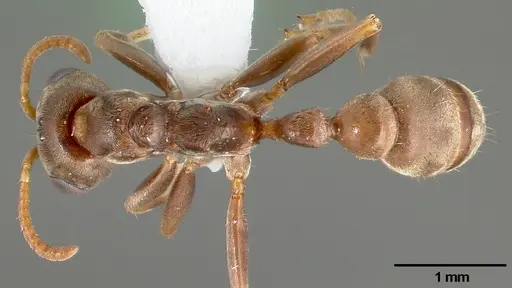
Literature
Loading...Loading products...