

Pseudomyrmex pictus
- Scientific Name
- Pseudomyrmex pictus
- Tribe
- Pseudomyrmecini
- Subfamily
- Pseudomyrmecinae
- Author
- Stitz, 1913
- Distribution
- Found in 2 countries
Pseudomyrmex pictus Overview
Pseudomyrmex pictus is an ant species of the genus Pseudomyrmex. It is primarily documented in 2 countries , including Brazil, Peru. Detailed taxonomic data and occurrence records can be further explored via authoritative databases such as AntWeb or the Global Biodiversity Information Facility (GBIF).
Pseudomyrmex pictus
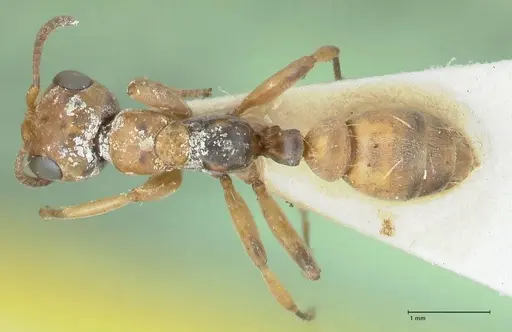
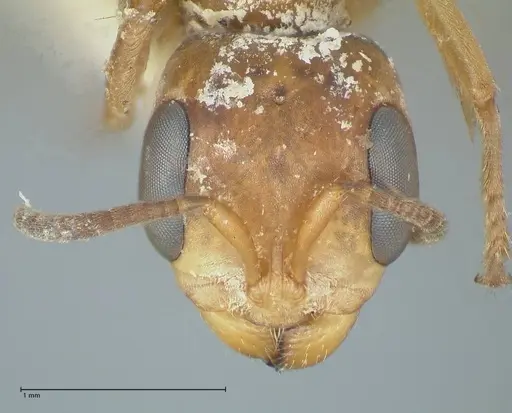
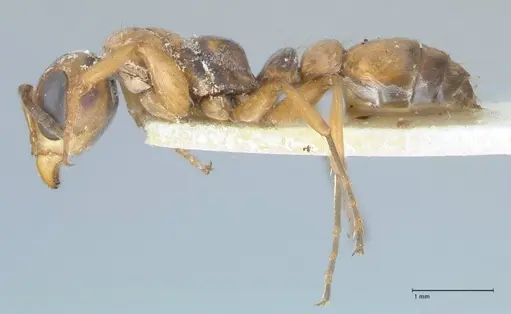
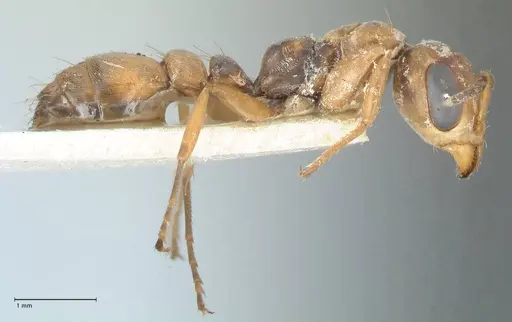
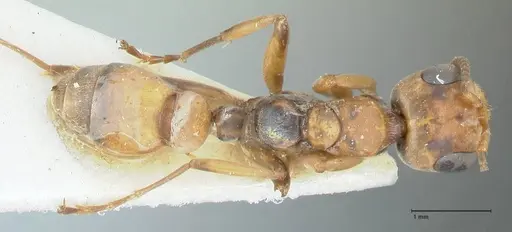
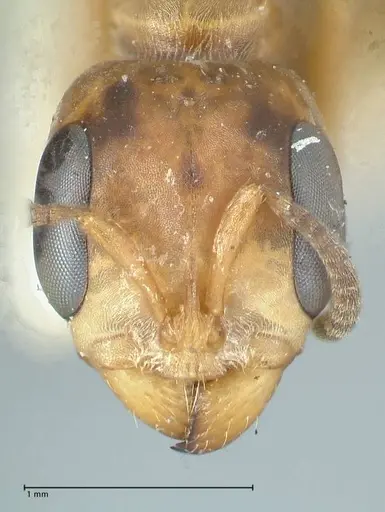
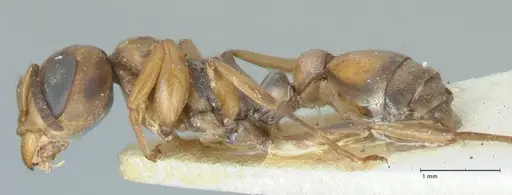
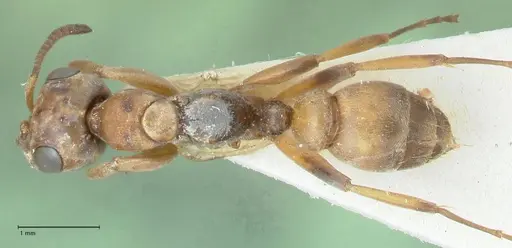
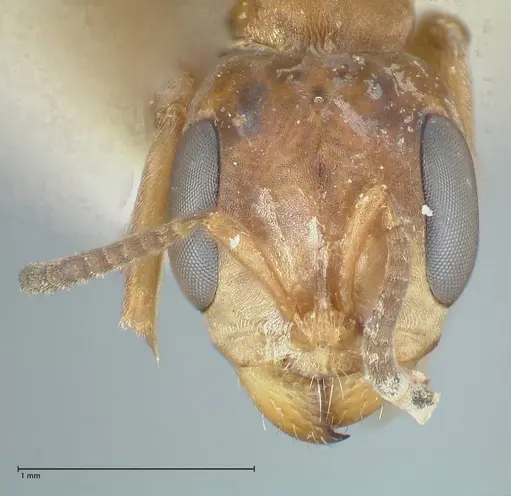
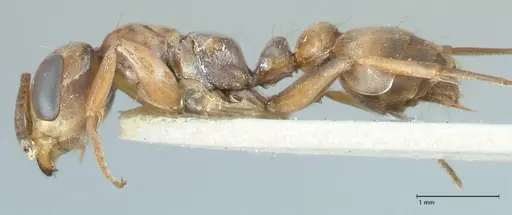
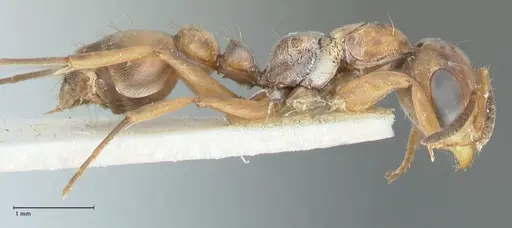
Pseudomyrmex pictus is a Neotropical ant species known for its distinctive orange-brown coloration and unusually long legs. Workers measure 1.21-1.43mm in head length with a broad head (cephalic index over 0.90) and very slender profemur, giving them an elegant appearance compared to many other ants. Their legs are notably long, with the hind tibia measuring 82-91% of head length, a key identification feature that sets them apart from similar species like Pseudomyrmex rubiginosus. The body often shows darker markings on the mesosoma, petiole, and gaster, creating a variable but generally light appearance.
This species is an obligate plant-ant, meaning it has a close, specialized relationship with certain tropical trees. P. pictus typically inhabits the domatia (specialized hollow structures) of Tachigali trees, and has also been recorded from the hairy stem swellings of Platymiscium species. This plant-ant association makes them ecologically interesting, they nest within living plant tissue and likely benefit from shelter while potentially defending the plant from herbivores.
Quick Summary
- Difficulty: Medium
- Origin & Habitat: Neotropical region, found in Bolivia, western Brazil, Colombia, and Peru. They inhabit tropical forest environments, specifically associated with Tachigali and Platymiscium tree species where they nest in domatia (plant hollows) [1][2].
- Colony Type: Colony structure is unconfirmed. Based on genus patterns, likely single-queen colonies. As a plant-ant species, colonies likely establish within host plant structures.
- Size & Growth:
- Queen: Unknown, not directly measured in available literature
- Worker: 1.21-1.43mm head length, workers are relatively small [1]
- Colony: Unknown, likely smaller colonies typical of plant-ant species
- Growth: Unknown, likely moderate based on typical Pseudomyrmex patterns
- Development: Unknown, no direct development data available. Based on related Pseudomyrmex species, estimate 6-10 weeks at optimal tropical temperatures. (Estimated based on genus-level data for Pseudomyrmex. No species-specific development timeline has been documented.)
- Antkeeping:
- Temperature: Keep at tropical room temperature, roughly 24-28°C. As a Neotropical species from lowland forests, they prefer warm conditions. A gentle gradient allowing workers to self-regulate is ideal.
- Humidity: Moderate to high humidity, they naturally inhabit the humid interior of tree domatia. Keep nest substrate moist but not waterlogged. Misting the outworld occasionally helps maintain appropriate levels.
- Diapause: Unlikely, as a tropical species from consistent climates, they probably do not require a true diapause. They may show reduced activity during cooler periods but should not be hibernated.
- Nesting: As a plant-ant, they prefer enclosed nesting sites that mimic their natural domatia habitat. Test tubes work well for founding colonies. Once established, a small acrylic or Y-tong nest with narrow chambers scaled to their size provides appropriate housing. They do best with some darkness and privacy.
- Behavior: Pseudomyrmex ants are known for their alertness and quick movements. Workers are active foragers that will readily explore their surroundings. Like other Pseudomyrmecinae, they possess a functional sting and can be defensive when disturbed, handle with care. Their long legs make them fast runners. Escape prevention is important as they are small and agile. They likely show typical plant-ant behaviors including foraging for honeydew and small prey on their host plants.
- Common Issues: tropical species may struggle in cool, dry environments, keep warm, small colony sizes mean losses have big impact, start with multiple founding queens if possible, plant-ant associations may be difficult to replicate, test tube nests work for basic housing, aggressive defense when threatened, use caution during nest inspections, limited availability in the antkeeping hobby due to specialized habitat requirements
Natural History and Plant Associations
Pseudomyrmex pictus is classified as an obligate plant-ant, meaning it has evolved to live specifically within specialized structures on certain tropical trees. This species belongs to the P. sericeus group and is most commonly associated with Tachigali trees, where workers and colonies inhabit the domatia, hollow chambers in the plant that provide protected living spaces [1]. The relationship is mutualistic: the ants get shelter and likely food (honeydew from scale insects or extrafloral nectaries), while the plant gets defenders against herbivores.
Interestingly, specimens have also been collected from the 'hairy cauline swelling' of Platymiscium species, showing some flexibility in host plant use [1]. This association with domatia-bearing plants is a key trait of the Pseudomyrmecinae subfamily, and P. pictus represents this ecological niche well. In captivity, replicating this close plant association is challenging, but basic husbandry can still succeed using standard test tube setups.
Identification and Appearance
P. pictus workers are distinctive among Pseudomyrmex species due to their combination of broad head and exceptionally long legs. The head width to head length index (CI) exceeds 0.91,making their head appear squarish or slightly broader than long, a key field character. Their legs are notably elongated, with the longest tibia (LHT) measuring 82-91% of head length, giving them a graceful, long-legged appearance unlike the more robust-looking relatives [1].
The body coloration is predominantly orange-brown, which helps distinguish them from similar species like P. rubiginasus that are darker. Variable darker markings may appear on the mesosoma, petiole, and gaster, creating individual variation. The profemur is very slender (femoral index 0.36-0.41), another distinguishing feature. Workers measure approximately 1.2-1.4mm in head length, placing them in the smaller to moderate size range for the genus.
Housing and Nesting
For captive care, Pseudomyrmex pictus can be housed in standard antkeeping setups, though their small size and tropical nature require attention to detail. Test tube setups work well for founding colonies, the enclosed space mimics the domatia they naturally inhabit. Use a test tube with a water reservoir secured with a cotton plug, providing humidity while preventing flooding. Keep the tube in a dark location initially, as plant-ant species often prefer dim conditions.
Once the colony reaches 20-30 workers, you can consider moving to a small formicarium. Acrylic nests or Y-tong nests with appropriately scaled chambers work well. The chambers should not be overly large, these are small ants that feel secure in tighter spaces. Maintain warm, humid conditions in the nest area. An outworld for foraging allows you to provide food and watch their active hunting behavior.
Feeding and Diet
Like other Pseudomyrmex species, P. pictus likely has an omnivorous diet typical of plant-ants. They probably consume honeydew from sap-sucking insects (scale insects, aphids) found on their host plants, along with small insects they capture. In captivity, offer a varied diet including sugar water or honey as an energy source, and protein from small insects like fruit flies, pinhead crickets, or mealworms.
Feed small prey items appropriate to their size, these are not large ants, so prey should be manageable. A drop of sugar water or honey can be offered weekly as a carbohydrate source. Protein should be provided 2-3 times per week for colonies with brood. Remove uneaten prey after 24 hours to prevent mold. Fresh water should always be available.
Temperature and Seasonal Care
As a Neotropical species from tropical lowland forests, P. pictus requires warm conditions year-round. Maintain temperatures between 24-28°C (75-82°F) for optimal colony health and activity. Temperatures below 22°C may reduce activity and slow brood development. A small heat mat placed under one end of the setup can create a gentle gradient, allowing workers to self-regulate by moving to warmer or cooler areas.
Unlike temperate species, this ant does not require hibernation or diapause. They come from regions with minimal seasonal temperature variation, so attempting to cool them for winter could be harmful. Simply maintain consistent tropical conditions throughout the year. If your room temperature naturally drops in winter, consider using a low-level heater to maintain warmth.
Behavior and Handling
Pseudomyrmex ants are known for their alert, quick-moving behavior and can be defensive when their nest is disturbed. Workers possess a functional sting and may use it if they feel threatened. While their sting is not medically significant for healthy humans, it can cause brief pain or irritation. Handle with care and avoid disturbing the nest unnecessarily.
These are active foragers that will quickly explore their outworld in search of food. Their long legs make them fast runners, so escape prevention is important, ensure your setup has secure barriers. When introducing food, watch their recruitment behavior, they may alert nestmates to food sources. Colonies are likely relatively small compared to some other genera, so even moderate worker numbers represent a well-established colony.
Frequently Asked Questions
How long does it take for Pseudomyrmex pictus to produce first workers?
The exact development timeline is unconfirmed for this species. Based on related Pseudomyrmex species, expect approximately 6-10 weeks from egg to worker at optimal tropical temperatures (around 26°C). Factors like temperature, feeding, and colony health can speed up or slow down development.
Do Pseudomyrmex pictus ants sting?
Yes, Pseudomyrmex ants have a functional sting and can use it defensively. While not medically dangerous for most people, it can cause brief pain or irritation. Handle your colony with care and avoid disturbing the nest unnecessarily.
What do Pseudomyrmex pictus eat?
They are omnivorous, likely feeding on honeydew from sap-sucking insects and small prey in the wild. In captivity, offer sugar water or honey as carbohydrates, and small insects like fruit flies, pinhead crickets, or mealworms for protein. Feed protein 2-3 times per week and keep sugar sources available.
Can I keep Pseudomyrmex pictus in a test tube?
Yes, test tubes work well for founding colonies. Use a standard test tube setup with a water reservoir and cotton plug. Keep it humid and in a dark location. Once the colony grows beyond 20-30 workers, you can consider moving to a small formicarium or acrylic nest.
Do Pseudomyrmex pictus need hibernation?
No, they do not require hibernation. As a tropical Neotropical species from consistent climates, they should be kept warm year-round (24-28°C). Attempting to cool them for winter could harm the colony.
How big do Pseudomyrmex pictus colonies get?
Colony size is not well documented, but based on related plant-ant species, colonies likely reach several hundred workers at maximum. They are not among the largest Pseudomyrmex species. Expect moderate-sized colonies rather than massive supercolonies.
Are Pseudomyrmex pictus good for beginners?
This species is rated as medium difficulty. While not the most challenging ant to keep, their tropical requirements, small size, and defensive nature make them better suited for keepers with some experience. Beginners should ensure they can maintain warm, humid conditions consistently.
What temperature is best for Pseudomyrmex pictus?
Keep them at 24-28°C (75-82°F). As a Neotropical species from tropical forests, they prefer warm conditions. A gentle gradient allowing self-regulation is ideal. Avoid temperatures below 22°C for extended periods.
Why is my Pseudomyrmex pictus colony declining?
Common causes include: temperatures too cool (below 22°C), low humidity, poor nutrition, or stress from excessive disturbance. Ensure warm, humid conditions are maintained, offer varied food, and minimize nest inspections. Also check for escape, they are small and agile.
References

This caresheet is licensed under CC BY-SA 4.0 .
Literature
Loading...Loading products...