

Pseudomyrmex browni
- Scientific Name
- Pseudomyrmex browni
- Tribe
- Pseudomyrmecini
- Subfamily
- Pseudomyrmecinae
- Author
- Kempf, 1967
- Distribution
- Found in 3 countries
Pseudomyrmex browni Overview
Pseudomyrmex browni is an ant species of the genus Pseudomyrmex. It is primarily documented in 3 countries , including Costa Rica, Panama, Peru. Detailed taxonomic data and occurrence records can be further explored via authoritative databases such as AntWeb or the Global Biodiversity Information Facility (GBIF).
Pseudomyrmex browni
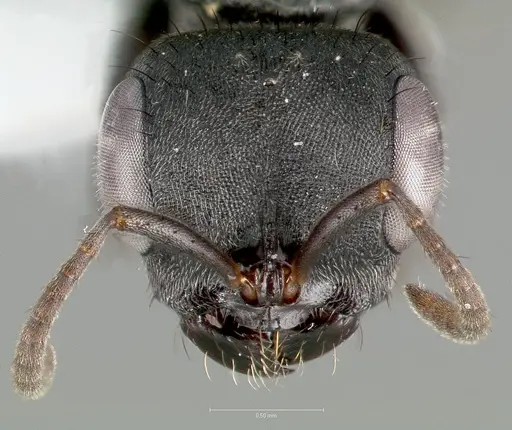
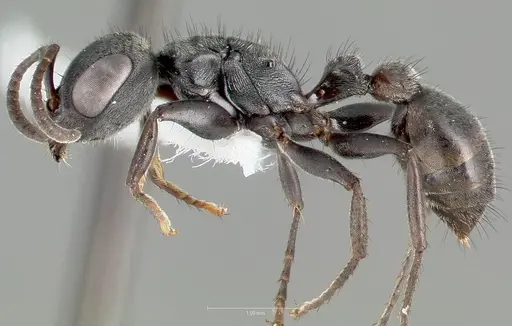
Pseudomyrmex browni is a large Neotropical ant species measuring around 1.97-2.00mm in head width [1]. Workers have distinctive longitudinal ridges (costulae) on the mesonotum and dorsal face of the propodeum, with the posterior face of the petiole protruding beyond the petiole's rear extremity [1]. This species inhabits the Neotropical region, with documented records from Panama, Brazil, and Colombia (specifically Chocó, Magdalena, and Risaralda departments) [1][2]. As a member of the Pseudomyrmecinae subfamily, these ants are typically slender and arboreal, often nesting in hollow twigs and stems, earning them the common name 'twig ants'.
Quick Summary
- Difficulty: Unknown, limited captive husbandry data available
- Origin & Habitat: Neotropical rainforests of Panama, Brazil, and Colombia. Based on genus patterns, they likely inhabit forest edges and tree hollows in humid tropical environments.
- Colony Type: Unconfirmed colony structure. Most Pseudomyrmex species are monogyne (single queen), but this has not been documented for P. browni specifically.
- Size & Growth:
- Queen: Undocumented, estimated 8-10mm based on genus patterns for large Pseudomyrmex species
- Worker: 1.97-2.00mm head width [1]
- Colony: Unknown, likely several hundred workers based on genus patterns
- Growth: Unknown, estimated moderate based on tropical ant patterns
- Development: Unknown, estimated 4-8 weeks based on typical Pseudomyrmex development at tropical temperatures (Direct development data unavailable for this species. Estimates based on genus-level patterns for tropical Pseudomyrmex.)
- Antkeeping:
- Temperature: Keep at 24-28°C (tropical range). Use a heating gradient if room temperature is lower.
- Humidity: High humidity (70-85%), these are forest canopy ants that need moist conditions. Keep nest substrate damp but not waterlogged.
- Diapause: Unlikely, being a tropical species, they probably do not require a diapause period. Maintain consistent temperatures year-round.
- Nesting: Provide hollow twigs, bamboo sections, or a Y-tong/plaster nest with narrow chambers. They prefer enclosed nesting sites similar to their natural hollow twig habitats.
- Behavior: Based on genus patterns, P. browni workers are likely active foragers that search for prey and honeydew in the upper portions of their enclosure. They may be aggressive defenders of their nest. Escape prevention is important, while not tiny, they are slender and can squeeze through small gaps. Ensure all openings are sealed tightly.
- Common Issues: limited species-specific care information makes husbandry recommendations uncertain, humidity control is critical, too dry causes desiccation, too wet causes mold, tropical temperature requirements mean colonies need heated setups in temperate climates, wild-caught colonies may carry parasites or be stressed from collection, arboreal nesting needs may be difficult to replicate in captivity
Nest Preferences and Housing
Pseudomyrmex browni is an arboreal species that naturally nests in hollow twigs, stems, and tree cavities in the Neotropical forest canopy. In captivity, you can replicate this by providing bamboo sections, hollow twigs, or a Y-tong (acrylic) nest with narrow chambers scaled to their size. Plaster nests also work well since they hold humidity. The key is providing an enclosed nesting site, these ants do not typically nest in open soil. Place the nest in the upper portion of the enclosure since they prefer to travel upward, mimicking their canopy-dwelling lifestyle. A test tube setup can work for founding colonies, but transfer to a more naturalistic arboreal setup once the colony grows.
Feeding and Diet
Based on genus patterns, Pseudomyrmex browni is likely an omnivorous forager that accepts both sugar sources and protein. In the wild, Pseudomyrmex species often tend aphids for honeydew and hunt small arthropods. Offer sugar water or honey regularly, and provide protein sources such as small insects (fruit flies, pinhead crickets, mealworms). Feed every 2-3 days, removing uneaten prey after 24 hours. Since this species has not been documented in captivity, start with basic offerings and observe what the colony accepts. Remove any moldy or spoiled food promptly to maintain colony health.
Temperature and Humidity Requirements
As a Neotropical species from Panama, Brazil, and Colombia, P. browni requires warm, humid conditions. Maintain temperatures between 24-28°C, use a heating cable or mat on one side of the nest to create a gentle gradient if your room temperature is lower. Place the heating element on top of the nest to avoid evaporating moisture. Humidity should be kept high at 70-85%, which you can maintain by keeping the nest substrate moist and using a water reservoir. Mist the enclosure occasionally, but ensure ventilation prevents stagnant air and mold buildup. These ants are adapted to stable tropical conditions, so avoid temperature fluctuations.
Behavior and Colony Dynamics
Pseudomyrmex workers are slender, active foragers that will patrol their territory looking for food. Based on related species, they are likely alert and quick to respond to threats, they may bite if their nest is disturbed. Workers probably range widely from the nest in search of honeydew and prey. The colony will establish a queen (likely single) that produces workers over time. Growth rate is unknown but likely moderate for a tropical species. Watch for workers bringing back prey or tending aphids if provided. Colonies may reach several hundred workers over time, though this species has not been documented in captivity to confirm maximum colony size.
Frequently Asked Questions
How long does it take for Pseudomyrmex browni to produce first workers?
The egg-to-worker timeline is unconfirmed for this species. Based on typical Pseudomyrmex development in tropical conditions (24-28°C), estimate 4-8 weeks from egg to first worker. This is an educated guess, actual timing may vary.
What do Pseudomyrmex browni ants eat?
Based on genus patterns, they likely accept sugar water or honey, and small insects like fruit flies, pinhead crickets, or mealworms. They probably forage for honeydew and prey in the wild. Start with sugar water and protein sources and observe what your colony accepts.
Can I keep Pseudomyrmex browni in a test tube?
Test tubes work for founding colonies, but these arboreal ants prefer enclosed spaces like bamboo sections or Y-tong nests. Transfer to a more naturalistic setup as the colony grows. They need vertical space and enclosed nesting sites.
Do Pseudomyrmex browni ants need hibernation?
No, as a tropical species from Panama and Brazil, they do not require hibernation or diapause. Keep temperatures stable year-round between 24-28°C.
How big do Pseudomyrmex browni colonies get?
Maximum colony size is unconfirmed for this species. Based on genus patterns for large Pseudomyrmex species, expect several hundred workers over time.
Do Pseudomyrmex browni ants sting?
Pseudomyrmex ants can bite, and some species in this genus have stings. The sting pain level for P. browni specifically is undocumented, but treat all Pseudomyrmex with respect, they are alert defenders of their nest.
Is Pseudomyrmex browni a good species for beginners?
This species is not recommended for beginners due to limited captive husbandry data. The care requirements are inferred from genus patterns rather than documented captive success. Choose a better-documented species like Lasius niger or Camponotus floridanus if you are new to antkeeping.
What temperature is ideal for Pseudomyrmex browni?
Keep them at 24-28°C. This tropical species needs warm conditions, use a heating cable or mat if your room temperature is below this range.
Where does Pseudomyrmex browni live in the wild?
They inhabit Neotropical rainforests in Panama, Brazil, and Colombia. Specifically documented from Chocó, Magdalena, and Risaralda in Colombia. They are arboreal, nesting in hollow twigs and tree cavities in forest canopies.
Why is my Pseudomyrmex browni colony declining?
Without species-specific data, common causes include: low humidity (they need 70-85%), temperatures outside 24-28°C, insufficient protein or sugar, mold from poor ventilation, or stress from wild collection. Review all parameters and ensure the colony has appropriate nesting sites.
References

This caresheet is licensed under CC BY-SA 4.0 .
CASENT0005835
View on AntWeb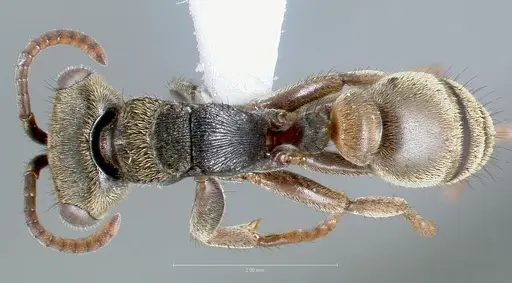
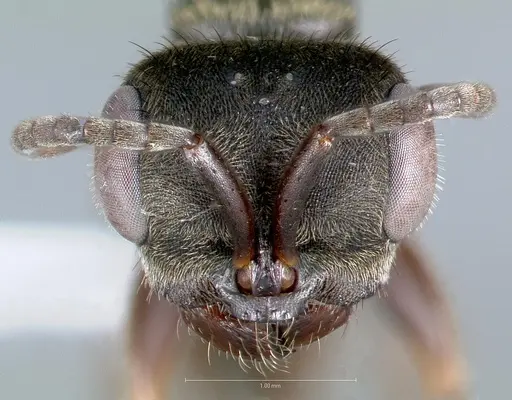
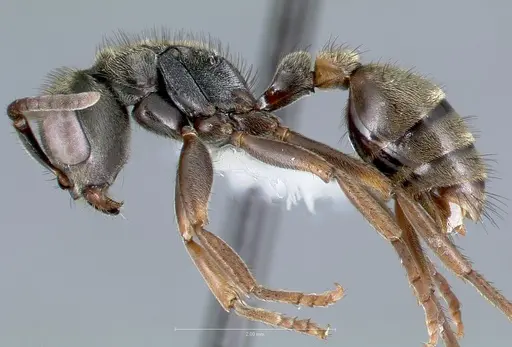
CASENT0005863
View on AntWeb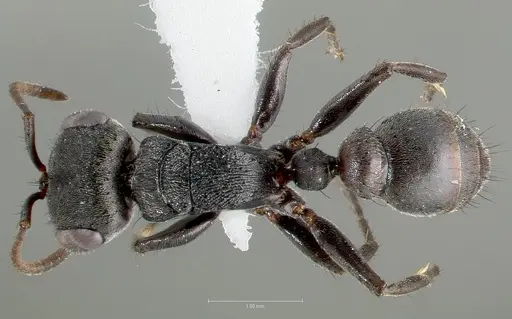
Literature
Loading...Loading products...