

Proformica oculatissima
- Scientific Name
- Proformica oculatissima
- Tribe
- Formicini
- Subfamily
- Formicinae
- Author
- Forel, 1886
- Distribution
- Found in 1 countries
Proformica oculatissima Overview
Proformica oculatissima is an ant species of the genus Proformica. It is primarily documented in 1 countries , including Greece. Detailed taxonomic data and occurrence records can be further explored via authoritative databases such as AntWeb or the Global Biodiversity Information Facility (GBIF).
Proformica oculatissima
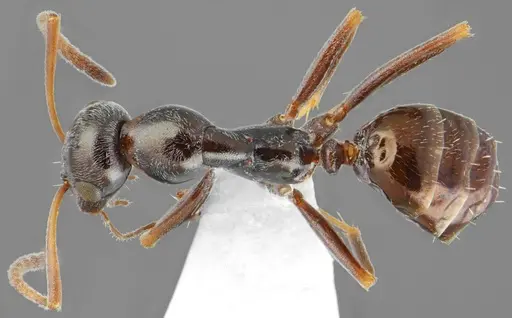
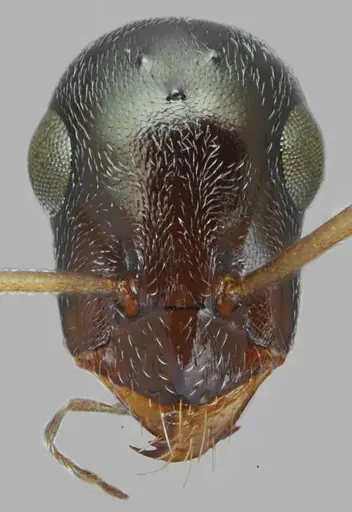
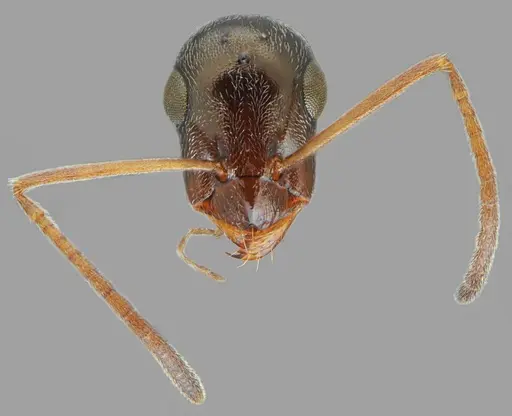
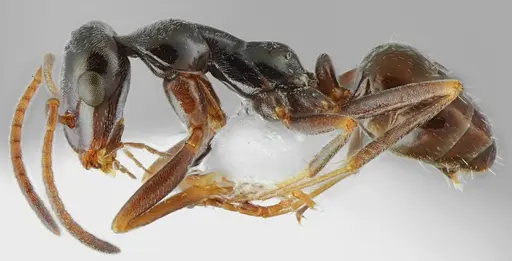
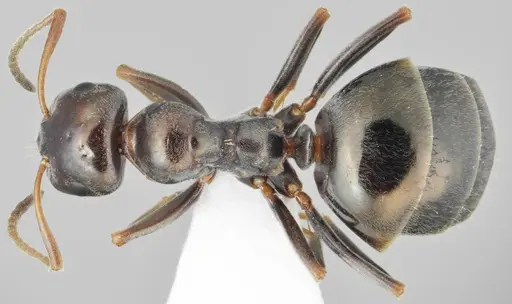
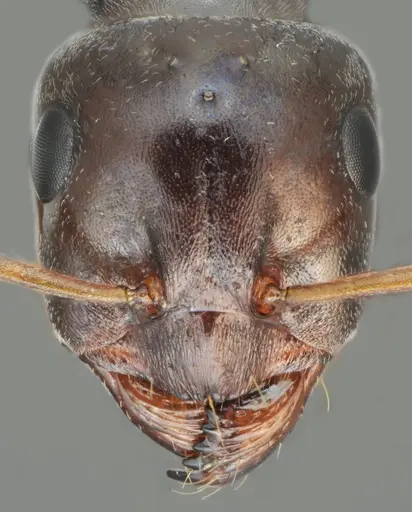
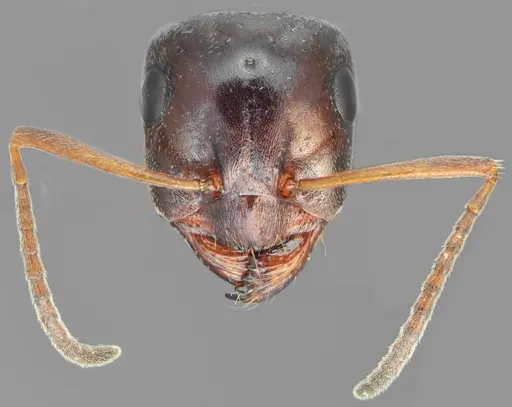
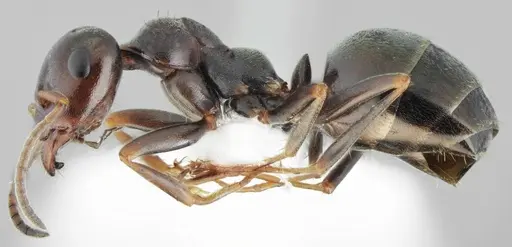
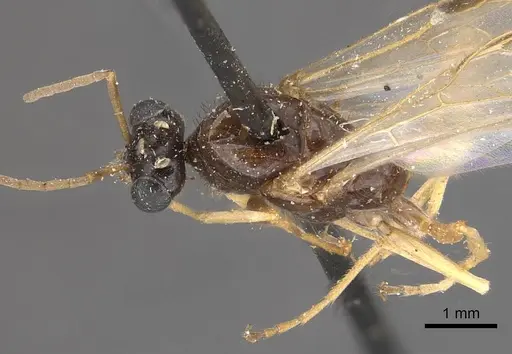
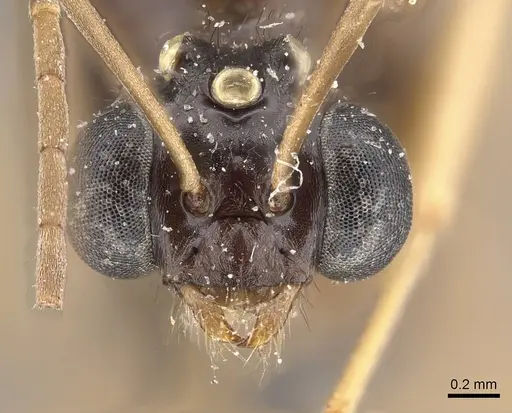
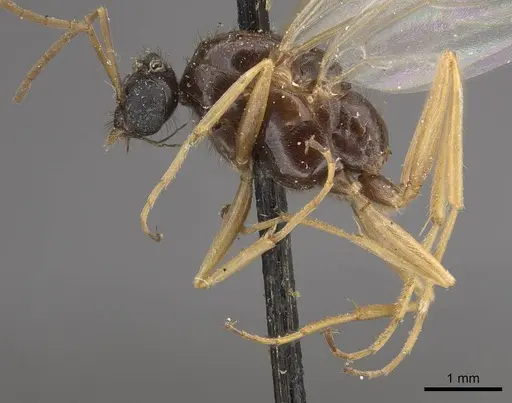
Proformica oculatissima is a small to medium-sized ant endemic to Greece, specifically found in the Attica and Corinth regions of the mainland. Workers are polymorphic, meaning they come in different sizes, minor workers measure 0.73-1.01mm while major workers are larger at 1.35-1.41mm. The body is dark brown to black with distinctive yellow antennae and lighter yellowish-brown tibiae. This species is notable for having very large eyes, particularly in males (HL/EYE ratio of 1.35), which is unusual within the genus. The pilosity (erect hairs) is poorly developed compared to related species, and the body has a somewhat shiny appearance due to sparse pubescence. This ant was rediscovered in Greece in 2019 after being originally described in 1886,and the worker caste was described for the first time in that study [1][2].
Quick Summary
- Difficulty: Medium
- Origin & Habitat: This species is endemic to Greece, found only in the Attica and Corinth regions of the mainland. It inhabits lowland coastal areas at altitudes between 0-800 meters. The type locality is Attica, making this a truly Greek endemic that has never been recorded outside this limited range [1][2][3].
- Colony Type: Unknown, colony structure (single-queen or multi-queen) has not been documented for this species. The genus Proformica is in the Formicini tribe, related to Formica, but specific colony founding behavior remains unstudied.
- Size & Growth:
- Queen: Undescribed, queen caste has not been documented in scientific literature [4]
- Worker: Minor: 0.73-1.01mm, Major: 1.35-1.41mm [1][5]
- Colony: Unknown, no colony size data available
- Growth: Unknown, no development timing data available for this species
- Development: Unknown, no direct measurements exist. Based on typical Formicinae patterns, estimate 6-10 weeks at optimal temperature, but this is a rough guess. (Development timeline has not been studied. Related Formica species typically take 6-8 weeks from egg to worker at warm temperatures.)
- Antkeeping:
- Temperature: Keep around 22-26°C, this is a Mediterranean species from warm lowland areas. A slight temperature gradient allows ants to regulate their own conditions. Room temperature within this range is acceptable
- Humidity: Low to moderate, these ants come from dry coastal Mediterranean areas. Keep nest substrate moderately dry, not waterlogged. Allow areas to dry out between waterings
- Diapause: Likely yes, this is a temperate species from Greece that would experience seasonal temperature changes. Expect reduced activity in winter months. Provide a cool period around 10-15°C for 2-3 months
- Nesting: Natural nesting is unconfirmed, but based on habitat (lowland coastal areas) and related species, they likely nest in soil under stones or in shallow ground nests. In captivity, a Y-tong (AAC) nest or plaster nest with moderate humidity works well. Avoid overly damp conditions.
- Behavior: This is a calm, non-aggressive species. Workers are moderately active foragers. They likely forage for honeydew and small insects, typical of Formicini ants. Major workers (soldiers) are present in colonies. Escape risk is moderate, workers are small but not tiny, so standard escape prevention measures (fluon on test tube rims, tight-fitting lids) are sufficient. They do not possess a painful sting. The species is very rare in the hobby and was only rediscovered in Greece in 2019.
- Common Issues: Very limited availability, this is one of the rarest ants in the hobby, endemic to Greece and only recently rediscovered, No established care protocols, everything is based on inference from related Formica species, Colony size unknown, keepers should expect moderate-sized colonies but no data exists on maximum size, Founding behavior unconfirmed, queen behavior during colony establishment has not been documented, Risk of wild-caught colonies being stressed or parasitized due to limited collection data
Discovery and Rarity
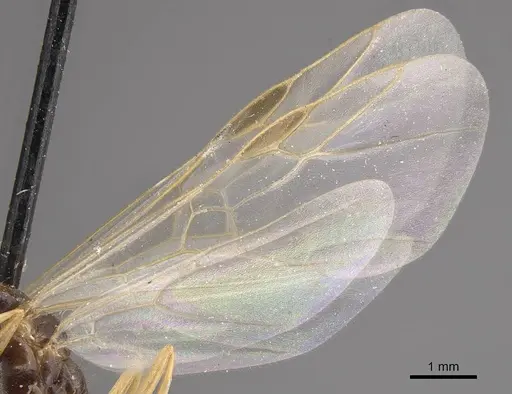
Proformica oculatissima has a fascinating history. Originally described by Forel in 1886 from a male specimen collected in Attica, Greece, the species was then lost to science for over a century. The holotype specimen is broken, missing its petiole and gaster, making identification difficult. In 2019,the species was rediscovered near the Corinth canal, less than 100km from Athens, this is the first time the worker caste has ever been described. This makes P. oculatissima one of the rarest and most recently described ants available in the hobby. The fact that only one other ant species (Cardiocondyla elegans) was observed foraging in the same habitat suggests this species may be quite specialized in its ecological requirements [1][2].
Identification and Morphology
Workers are polymorphic with two distinct sizes: minor workers measure 0.73-1.01mm in head length while major workers reach 1.35-1.41mm. The body is dark brown to black with notably yellow antennae and yellowish-brown tibiae. The most distinctive feature is the very large eyes, especially visible in males (HL/EYE ratio of just 1.35,compared to 1.81-1.98 in related species like Proformica nasuta). Pilosity is poorly developed, workers have only 1-4 erect hairs on the pronotum and 0-2 on the mesonotum. The pubescence is fairly sparse, leaving the tegument (body surface) slightly shiny. Major workers have broader heads and shorter antennae relative to head width compared to minor workers. The clypeus (face plate) has fine longitudinal ridges and a notched anterior margin [1][5].
Habitat and Distribution
This is a true Greek endemic found only in the eastern Mediterranean. Known populations are restricted to Attica (the Athens region) and the Corinth area, both lowland coastal regions at altitudes between 0-800 meters. No specimens have been recorded outside this limited range, making it one of the most restricted ant species in Europe. The habitat consists of dry, warm Mediterranean coastal areas. The lack of geographic barriers between Attica and Corinth suggests these populations likely belong to the same species [1][2][3].
Housing and Nesting
Since natural nesting behavior has not been documented, care recommendations are based on the species' Mediterranean habitat and related Formica-type ants. Provide a nest with moderate humidity, these ants come from relatively dry coastal areas and do not require the high moisture levels needed by tropical species. A Y-tong (AAC) nest or plaster formicarium works well. Allow part of the nest to dry out between waterings. For the outworld, provide a typical setup with substrate for foraging. Since workers are small (under 2mm), ensure any connections between nest areas are appropriately sized. Room temperature within the 22-26°C range is appropriate for this warm-climate species.
Feeding and Diet
Like other Formicini ants, Proformica oculatissima likely has an omnivorous diet typical of the tribe. They probably forage for honeydew from aphids and scale insects, plus small insects and arthropods for protein. In captivity, offer sugar water or honey as a constant energy source, plus protein sources like small crickets, mealworms, or other small insects. Since this is a small ant, prey items should be appropriately sized. The major workers can handle slightly larger prey items. Feed protein 2-3 times per week and keep sugar water available constantly.
Seasonal Care and Overwintering
As a temperate species from Greece, this ant likely requires a winter dormancy period. During autumn, reduce temperatures to around 10-15°C for 2-3 months to simulate winter. Reduce feeding during this period and keep the nest slightly cooler. In summer, the species can tolerate warmer temperatures typical of Mediterranean climates. Monitor colony activity, if workers become sluggish even in warm conditions, check humidity and food availability. The species has evolved in a seasonal climate with distinct summers and winters.
Frequently Asked Questions
How rare is Proformica oculatissima in the antkeeping hobby?
Extremely rare. This species was only rediscovered in Greece in 2019,and the worker caste was described for the first time in that study. It is endemic to only two small regions in Greece (Attica and Corinth), making wild collection very limited. Most available colonies come from dedicated collectors or specialized breeders.
What do Proformica oculatissima ants eat?
Like other Formicini ants, they likely eat honeydew and small insects. Offer sugar water or honey as a constant energy source, plus protein like small crickets, mealworms, or fruit flies. Since workers are small, size prey appropriately. Feed protein 2-3 times per week.
What temperature do Proformica oculatissima ants need?
Keep them warm at 22-26°C. This is a Mediterranean species from lowland Greece, so they prefer warmer conditions. Room temperature in this range is acceptable, or use a heating cable on one side of the nest to create a gradient.
Do Proformica oculatissima ants need hibernation?
Likely yes. As a temperate species from Greece, they probably require a winter rest period. Reduce temperatures to 10-15°C for 2-3 months during winter. This mimics their natural seasonal cycle.
How big do Proformica oculatissima colonies get?
Unknown, colony size has not been documented. Based on related Formica species and the limited habitat, colonies are likely moderate in size (probably several hundred workers at most). This species appears to be relatively uncommon even in its native range.
Can I keep multiple Proformica oculatissima queens together?
Unknown, colony structure (monogyne vs polygyne) has not been documented for this species. Do not attempt combining unrelated queens until more is known about their natural colony structure.
How long does it take for Proformica oculatissima to raise first workers?
Unknown, no development timing data exists for this species. Based on typical Formicinae patterns, expect 6-10 weeks from egg to first worker at warm temperatures, but this is a rough estimate.
Are Proformica oculatissima ants good for beginners?
No. This is an expert-level species due to its extreme rarity, lack of established care protocols, and the fact that everything must be inferred from related species. The limited availability and cost make it unsuitable for beginners.
Where is Proformica oculatissima native to?
Only Greece, specifically the Attica (Athens) and Corinth regions. This is a true endemic found nowhere else in the world. They inhabit lowland coastal areas at altitudes between 0-800 meters.
References

This caresheet is licensed under CC BY-SA 4.0 .
Literature
Loading...Loading products...