

Proformica korbi
- Scientific Name
- Proformica korbi
- Tribe
- Formicini
- Subfamily
- Formicinae
- Author
- Emery, 1909
- Distribution
- Found in 1 countries
Proformica korbi Overview
Proformica korbi is an ant species of the genus Proformica. It is primarily documented in 1 countries , including Türkiye. Detailed taxonomic data and occurrence records can be further explored via authoritative databases such as AntWeb or the Global Biodiversity Information Facility (GBIF).
Proformica korbi
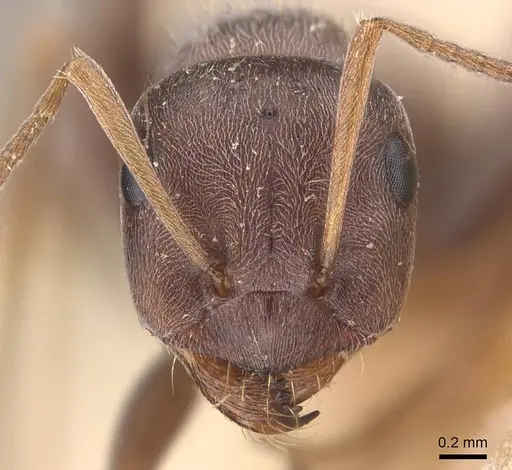
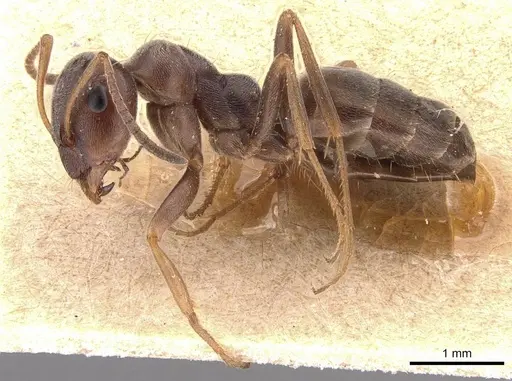
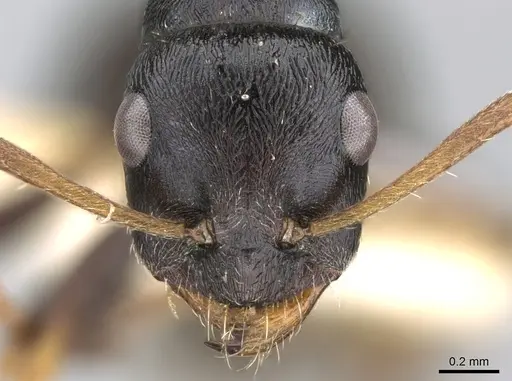
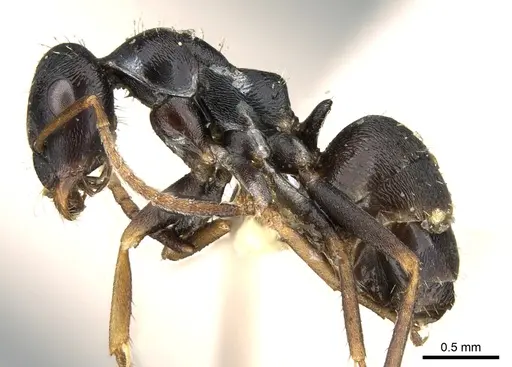
Proformica korbi is a small to medium-sized ant belonging to the Formicinae subfamily. Workers are typically 4-7mm in length with a generally dark coloration. This species is native to the eastern Mediterranean and Anatolian regions, found across Bulgaria, Greece, Turkey, and into parts of Iran and China. It inhabits steppe and grassland environments, typically nesting in shallow ground nests near shrubby areas and forest edges. The species is notable for being a host to the slave-making ant Rossomyrmex anatolicus, which is one of the most specialized social parasites in the ant world. P. korbi is considered a very rare species with a limited distribution, making it an unusual and interesting species for antkeepers who can source them.
Quick Summary
- Difficulty: Medium
- Origin & Habitat: Eastern Mediterranean and Anatolia, found in Bulgaria, Greece, Turkey, and parts of Iran and China. Inhabits steppe and grassland environments, typically at elevations between 78-1000m. Nests are shallow ground nests found in road verges near shrubby grassland and forest edges [1][2].
- Colony Type: Monogyne, single queen colonies with one queen per nest. Despite having only one queen, worker relatedness is low (0.14), suggesting the colony may have multiple reproductive events (polyandry). This is a host species for the slave-making ant Rossomyrmex anatolicus [2].
- Colony: Monogyne
- Size & Growth:
- Queen: Estimated 6-8mm based on genus typical size
- Worker: 4-7mm [2]
- Colony: Up to approximately 180 workers (133 ± 45 in studied nests) [2]
- Growth: Moderate, based on typical Formicini development patterns
- Development: Estimated 6-10 weeks based on related Formicini species at optimal temperature (Development time inferred from genus-level data, specific egg-to-worker timeline not directly studied for this species)
- Antkeeping:
- Temperature: Keep at 22-26°C, they originate from warm Mediterranean climates and higher elevation steppe areas. A gentle gradient allowing workers to self-regulate is ideal.
- Humidity: Moderate, they prefer dry to semi-dry conditions typical of steppe habitats. Keep nest substrate lightly moist but allow drying between waterings. Avoid overly damp conditions.
- Diapause: Likely yes, as a species from temperate latitudes, they probably require a winter rest period. Reduce temperature to 10-15°C for 2-3 months during winter.
- Nesting: Shallow ground nester, in captivity they do well in Y-tong nests or plaster nests with compact chambers. Provide a small outworld for foraging. Natural nests are only about 13.5cm deep [2].
- Behavior: Generally peaceful and non-aggressive. Workers are active foragers that search for honeydew and small prey. They are not known to be particularly defensive and rarely sting. Escape risk is moderate, use standard barrier methods. As a host for parasitic Rossomyrmex, they may be targeted by these slave-makers if kept in proximity, so avoid housing with related species.
- Common Issues: Very limited availability, this is a rare species in the antkeeping hobby, Shallow nesting means they can be sensitive to disturbance, avoid moving nests frequently, May be targeted by Rossomyrmex slave-maker ants if housed near related species, Limited research means care requirements are partly inferred from genus patterns, Cold sensitivity, avoid temperatures below 10°C outside of hibernation periods
Housing and Nest Setup
Proformica korbi is a shallow-ground nester that naturally builds nests only about 13.5cm deep [2]. In captivity, they do well in compact nest setups like Y-tong (acrylic) nests or plaster nests with smaller, tighter chambers. Because they come from steppe environments, they prefer drier conditions than many other ants, keep the nest substrate lightly moist but allow it to dry partially between waterings. Provide a small outworld for foraging. These ants are not escape artists, but standard barrier methods like Fluon on the rim of the outworld will prevent any issues. A naturalistic setup with a thin soil layer and some stones can work well since they naturally nest in ground areas near vegetation [1].
Feeding and Diet
Like other Formicini ants, Proformica korbi is omnivorous. Workers collect honeydew from aphids and will hunt small insects. In captivity, offer sugar water or honey as a constant energy source. For protein, provide small insects like fruit flies, small mealworms, or cricket pieces. There's one documented association with aphids (Dysaphis plantaginea on apple trees) in Turkey [3], confirming they tend aphids for honeydew. Feed protein sources 2-3 times per week and keep sugar water available at all times. Remove any uneaten prey after 24-48 hours to prevent mold.
Temperature and Seasonal Care
These ants come from warm Mediterranean climates and Anatolian steppes, so keep them at 22-26°C. They can tolerate slightly higher temperatures but avoid extreme heat above 30°C. During winter, they likely require a diapause period, reduce temperatures to 10-15°C for 2-3 months. This winter rest helps maintain natural colony cycles and may improve long-term colony health. Room temperature within their range is usually suitable, but a heating cable on one side of the nest can create a beneficial gradient. Monitor colony activity to adjust, if workers cluster near heat, increase slightly, if they avoid heated areas, reduce temperature.
Colony Structure and Development
P. korbi forms monogyne colonies with a single queen per nest. The studied colonies had around 133 ± 45 workers, with maximum sizes around 180 workers [2]. Despite having only one queen, worker relatedness is surprisingly low (0.14), which suggests the queen mates with multiple males (polyandry). This is different from many ant species where one queen means high relatedness. The species is a known host for Rossomyrmex anatolicus, a specialized slave-making ant [2][4]. If you're keeping multiple ant species, keep this in mind as Rossomyrmex can raid Proformica colonies. Colony growth is moderate, expect 6-10 weeks from egg to first worker based on related Formicini species.
Behavior and Temperament
Proformica korbi workers are active foragers that search for honeydew and small prey. They are not particularly aggressive or defensive, making them a relatively peaceful species to keep. Workers are moderate in size (4-7mm) and can handle standard ant foods. They nest in shallow ground nests and are most active during warmer months. The species is rarely encountered in the wild and is considered very rare across its range [1]. In captivity, they tend to be calm and don't exhibit aggressive swarming behavior when the nest is opened. They are not known to sting significantly.
Frequently Asked Questions
How long does it take for Proformica korbi to produce first workers?
Based on related Formicini species, expect 6-10 weeks from egg to first worker at optimal temperature (around 24°C). This is an estimate since specific development data for this species is not available.
What temperature do Proformica korbi ants need?
Keep them at 22-26°C. They come from warm Mediterranean and steppe regions, so they prefer these temperatures. A slight gradient allowing workers to choose their preferred spot works well.
Do Proformica korbi ants need hibernation?
Yes, they likely require a winter rest period. Reduce temperature to 10-15°C for 2-3 months during winter. This helps maintain natural colony cycles.
How big do Proformica korbi colonies get?
Colonies reach approximately 130-180 workers on average [2]. This is a relatively small to medium colony size compared to some other Formicinae species.
Can I keep multiple Proformica korbi queens together?
No, this species is monogyne, they form single-queen colonies. Multiple unrelated queens will likely fight. Only keep one queen per colony.
What do Proformica korbi ants eat?
They are omnivorous. Offer sugar water or honey constantly, and protein sources like small insects (fruit flies, small mealworms) 2-3 times per week. They also tend aphids for honeydew in the wild.
Are Proformica korbi ants good for beginners?
They are rated as Medium difficulty. They have specific temperature needs and require winter diapause. Their rarity also makes them harder to find. They may be better suited for intermediate antkeepers.
Is Proformica korbi a rare species?
Yes, it is considered very rare. It's only known from a few locations in Bulgaria, Greece, Turkey, and parts of Iran/China. This makes them uncommon in the antkeeping hobby.
References

This caresheet is licensed under CC BY-SA 4.0 .
CASENT0905711
View on AntWeb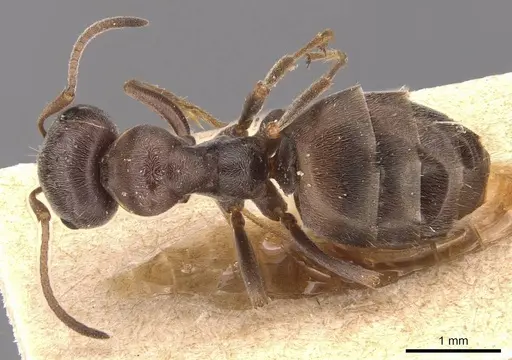
CASENT0906300
View on AntWeb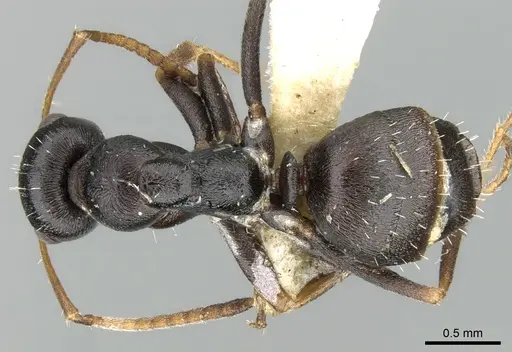
Literature
Loading...Loading products...