

Rossomyrmex anatolicus
- Scientific Name
- Rossomyrmex anatolicus
- Tribe
- Formicini
- Subfamily
- Formicinae
- Author
- Tinaut, 2007
- Distribution
- Found in 1 countries
Rossomyrmex anatolicus Overview
Rossomyrmex anatolicus is an ant species of the genus Rossomyrmex. It is primarily documented in 1 countries , including Türkiye. Detailed taxonomic data and occurrence records can be further explored via authoritative databases such as AntWeb or the Global Biodiversity Information Facility (GBIF).
Rossomyrmex anatolicus
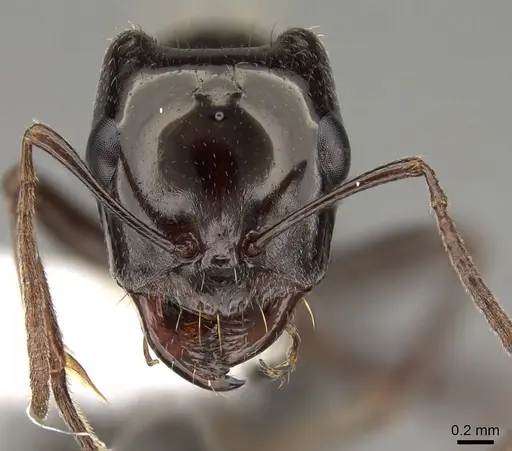
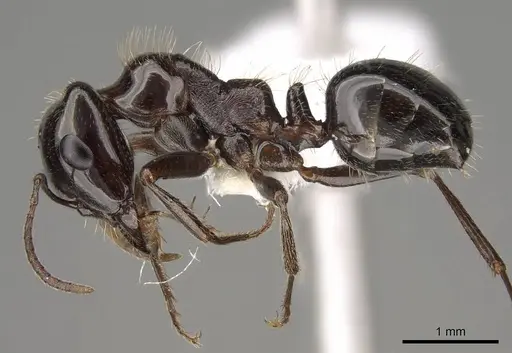
Rossomyrmex anatolicus is a small to medium-sized ant species described from the Anatolian steppe regions of Turkey. Workers measure 1.19-1.62 mm in body length and are black or dark brown in color, characterized by two distinct types of whitish hairs: tiny adpressed hairs about 50 μm long and conspicuous long hairs reaching around 200 μm that are abundant on the thorax, petiole, and gaster [1]. The species was discovered at 1340 m altitude in the Konya region of Turkey, collected in June 2006 [1]. This ant is a slave-maker, it raids colonies of host species (likely in the genus Proformica) and enslaves their workers to serve the parasite colony [2]. The genus Rossomyrmex forms a monophyletic clade with Cataglyphis and is phylogenetically distinct from other Formicini ants [2]. Critically, almost nothing is known about the captive biology of this specific species, it represents one of the least studied ants in the hobby.
Quick Summary
- Difficulty: Expert
- Origin & Habitat: Anatolian steppe regions of Turkey (Konya Province) at approximately 1340 m altitude [1]. The type locality is Belembasy Bebi's harbour, an arid steppe environment typical of central Anatolia.
- Colony Type: Monogyne (single-queen) colonies based on related Rossomyrmex species studied [3]. As a slave-maker, the colony relies on enslaved host workers (Proformica species) for nest maintenance and foraging.
- Colony: Monogyne
- Queen: Socially parasitic
- Special: Slave-making
- Size & Growth:
- Queen: Unknown, no dealate queens have been described in scientific literature
- Worker: 1.19-1.62 mm thorax length, total body approximately 4-5 mm [1]
- Colony: Estimated 50-150 workers based on related species (R. minuchae averages 78 Rossomyrmex workers per nest) [3]
- Growth: Unknown
- Development: Unknown, no development data exists for this species (No published studies on development timeline. Related temperate ants typically require 6-12 weeks at optimal temperature.)
- Antkeeping:
- Temperature: Inferred from habitat: likely tolerates 18-28°C with preference for warm, arid conditions typical of Anatolian steppe. No specific data available.
- Humidity: Inferred from arid steppe origin: likely prefers dry to moderate humidity (30-50%). Avoid damp conditions.
- Diapause: Likely requires winter diapause given temperate Anatolian distribution (similar to other Rossomyrmex and Formicini). Duration and temperature requirements unconfirmed.
- Nesting: Natural nesting unconfirmed. Likely nests in soil with simple galleries, similar to related Rossomyrmex species which excavate shallow nests (approximately 30 cm deep) with one entrance and lateral chambers [3].
- Behavior: This is a slave-making ant, the most complex and difficult type of ant to keep. Workers will raid colonies of Proformica host species to acquire enslaved workers. The enslaved workers perform all nest maintenance, brood care, and foraging while Rossomyrmex workers focus on reproduction and raiding. This makes captive keeping extremely challenging as you must maintain both the parasite colony AND a host colony. Temperament is aggressive during raids but relatively docile in captivity. Escape risk is moderate, standard formicarium barriers are adequate.
- Common Issues: No captive care data exists, this species has never been kept in captivity, all advice is inferred from genus-level patterns, Slave-making biology makes this species extremely difficult to keep, you must maintain both parasite and host colonies, Host species (Proformica) may be difficult to obtain and keep, Colony growth is slow because enslaved workers are not produced by the parasite queen, This species should only be attempted by expert antkeepers with experience in parasitic ant species
Species Overview and Identification
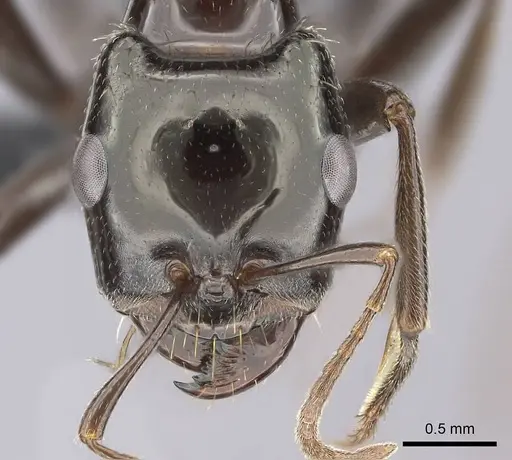
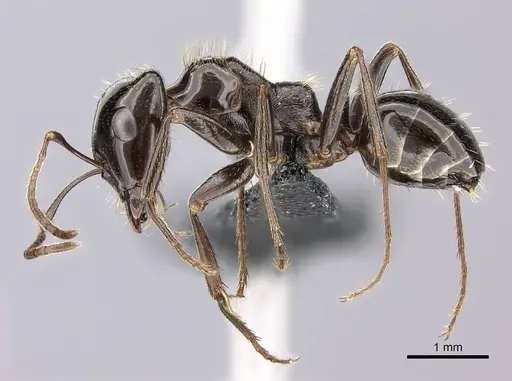
Rossomyrmex anatolicus is a recently described species from the arid steppe regions of central Turkey. Workers are distinctive among Rossomyrmex species for their gradually narrowing petiole (the segment between thorax and abdomen) which differentiates them from related species like R. proformicarum (which has a cylindrical, truncated petiole) and R. minuchae (which has a more cylindrical petiole with fewer hairs) [1]. The species name refers to the Anatolia region where it was discovered. Workers are black to dark brown with a bright, polished tegument and possess two hair types: tiny adpressed hairs about 50 μm and long erect hairs reaching 200 μm, giving them a somewhat fuzzy appearance [1]. The genus Rossomyrmex contains only four known species, all of which are slave-makers that parasitize host ants in the genus Proformica [4].
Slave-Making Biology
Rossomyrmex anatolicus is a dulotic (slave-making) ant species, meaning it raids colonies of other ant species to steal worker pupae, which emerge as enslaved workers within the parasite colony. The enslaved Proformica workers perform all normal colony tasks, foraging, nest maintenance, brood care, and feeding the parasite queen and workers, while the Rossomyrmex workers focus primarily on reproduction and conducting raids [2]. This is a permanent social parasitism strategy: the parasite queen invades a host colony, kills or replaces the host queen, and uses the host workforce to raise her offspring. Related Rossomyrmex species maintain a host-to-parasite ratio of approximately 6:1 (about 488 host workers per 79 parasite workers) [3]. This biology makes R. anatolicus extraordinarily difficult to keep in captivity compared to typical ants.
Natural History and Distribution
This species is known only from the type locality in Konya Province, Turkey, at approximately 1340 meters elevation [1]. The Anatolian steppe is a semi-arid grassland environment with hot summers and cold winters, typical of continental Turkey. The species was collected in early June 2006,suggesting nuptial flights likely occur in late spring or early summer [1]. Nothing is known about nuptial flight behavior, colony founding, or overwintering strategies for this specific species. Based on related Rossomyrmex species, colonies likely have a single queen (monogynous) and are generally monoandrous (queen mates with one male) [3]. Nest architecture in related species consists of one entrance with shallow galleries leading to a final chamber where the queen resides at about 30 cm depth [3].
Captive Care Challenges
Keeping Rossomyrmex anatolicus in captivity presents extraordinary challenges that make it suitable only for the most experienced antkeepers. First, you must obtain and maintain a colony of suitable host ants (likely Proformica species), the parasite colony cannot survive without enslaved workers to perform colony tasks. Second, you must successfully introduce a Rossomyrmex queen to the host colony, which requires understanding the precise timing and conditions of social parasite adoption. Third, you must maintain both colonies long-term, as the parasite cannot produce its own workers. No documented cases exist of anyone successfully keeping Rossomyrmex anatolicus in captivity, and very little is known about its specific requirements. This species should NOT be attempted by beginners or even intermediate antkeepers, it represents a frontier-level challenge that requires extensive research into related species and likely years of experimentation.
Temperature and Housing
Given the species' origin in the Anatolian steppe at 1340m elevation, aim for warm to moderate temperatures in the range of 20-26°C during the active season, with a cooler winter period around 10-15°C to induce diapause. However, these are educated estimates based on habitat alone, no specific thermal data exists for this species. For nesting, a naturalistic setup with soil chambers or a Y-tong style formicarium would be most appropriate, allowing for the complex nest architecture that slave-maker species require. The nest should include multiple chambers to accommodate both the parasite and host sections of the colony. Escape prevention is important though not as critical as with tiny ants, standard barriers are adequate for this medium-sized species.
Feeding and Nutrition
The enslaved host workers do the foraging, so Rossomyrmex workers are typically fed by their slaves in captivity. However, you should provide a varied diet to the host colony: protein sources like small insects (fruit flies, small crickets, mealworm pieces) and carbohydrate sources like sugar water or honey. The Rossomyrmex workers themselves may occasionally accept sugary liquids but primarily rely on the host workers to feed them via trophallaxis (mouth-to-mouth food sharing). Do not expect the parasite workers to forage independently, they are specialized for raiding behavior, not normal foraging. Related Rossomyrmex species conduct raids during which they capture host pupae, so you may observe raiding behavior if the colony is established.
Frequently Asked Questions
Can I keep Rossomyrmex anatolicus as a beginner ant keeper?
No. This species is absolutely not suitable for beginners. It is a slave-making ant that requires maintaining TWO colonies (the parasite and a host species), has no documented captive care information, and represents one of the most challenging ant species to keep. Even experienced antkeepers should think very carefully before attempting this species.
What do Rossomyrmex anatolicus ants eat?
As a slave-making species, Rossomyrmex anatolicus relies on enslaved host workers (Proformica species) to forage and feed them. In captivity, you would feed the host colony a diet of small insects and sugar water/honey. The Rossomyrmex workers receive food through trophallaxis (mouth-to-mouth sharing) from the enslaved workers.
How big do Rossomyrmex anatolicus colonies get?
Unknown for this specific species. Based on related Rossomyrmex species, colonies likely reach 50-150 workers, with approximately 6 host workers for every parasite worker [3]. The parasite colony cannot grow independently, it depends on raiding host colonies to increase its enslaved workforce.
What temperature do Rossomyrmex anatolicus ants need?
No specific data exists. Based on their Anatolian steppe origin at 1340m altitude, aim for 20-26°C during the active season with a cooler winter period (10-15°C) for diapause. This is an educated estimate, no captive trials have been documented.
How long does it take for Rossomyrmex anatolicus to develop from egg to worker?
Unknown, no development data exists for this species or likely any Rossomyrmex species. Based on related temperate ants in the Formicini tribe, development likely takes 6-12 weeks at optimal temperature, but this is purely speculative.
Can I keep multiple Rossomyrmex anatolicus queens together?
Likely no. Related Rossomyrmex species are monogynous (single queen per colony) [3]. Additionally, combining unrelated foundresses would not simulate natural colony founding, which involves social parasitism of host colonies rather than pleometrosis.
Do Rossomyrmex anatolicus need hibernation?
Likely yes, given their origin in temperate Anatolia with cold winters. Related Rossomyrmex species and other Formicini ants require a winter diapause period. However, the specific duration and temperature requirements are unconfirmed.
Why are my Rossomyrmex anatolicus dying?
Without documented captive care, colony failure is expected. Common issues likely include: inability to obtain suitable host workers, failure of parasite adoption by host colony, stress from incorrect temperature/humidity, and inability to conduct raids to acquire new enslaved workers. This species has never been documented in captivity, significant mortality should be expected.
References

This caresheet is licensed under CC BY-SA 4.0 .
CASENT0235254
View on AntWeb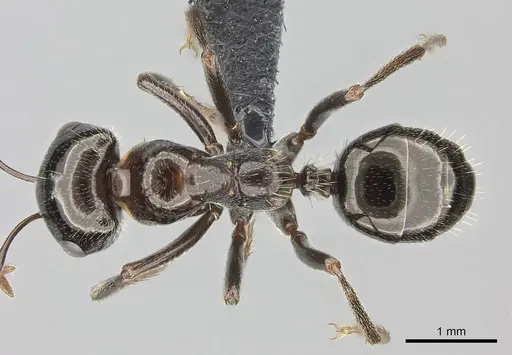
CASENT0914580
View on AntWeb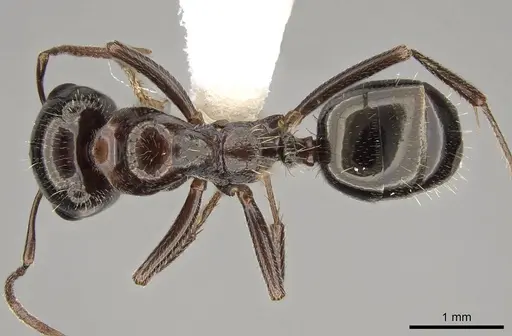
Literature
Loading...Loading products...