

Procryptocerus mayri
- Scientific Name
- Procryptocerus mayri
- Tribe
- Attini
- Subfamily
- Myrmicinae
- Author
- Forel, 1899
- Distribution
- Found in 7 countries
Procryptocerus mayri Overview
Procryptocerus mayri is an ant species of the genus Procryptocerus. It is primarily documented in 7 countries , including Colombia, Costa Rica, Ecuador. Detailed taxonomic data and occurrence records can be further explored via authoritative databases such as AntWeb or the Global Biodiversity Information Facility (GBIF).
Procryptocerus mayri
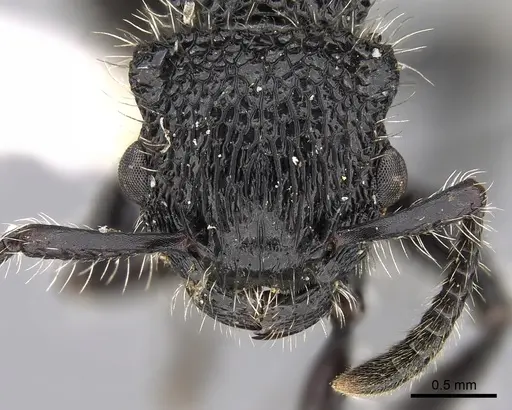
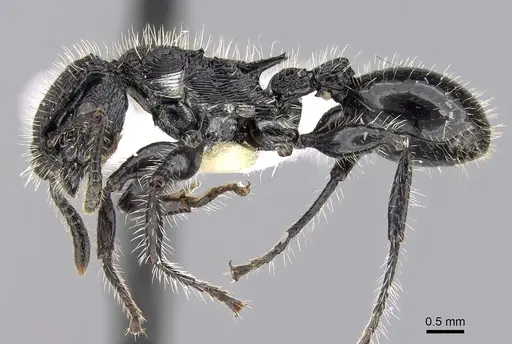
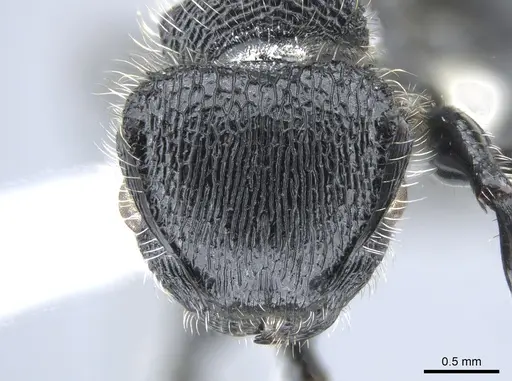
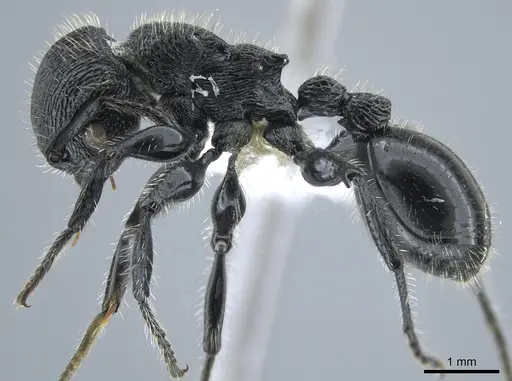
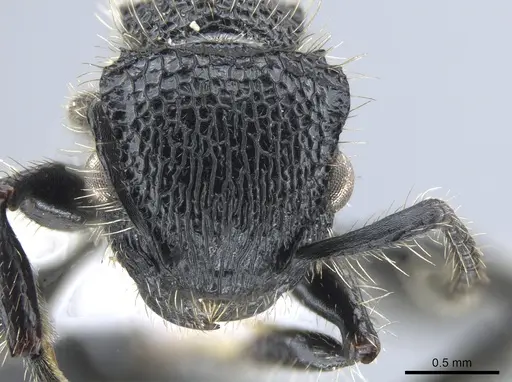
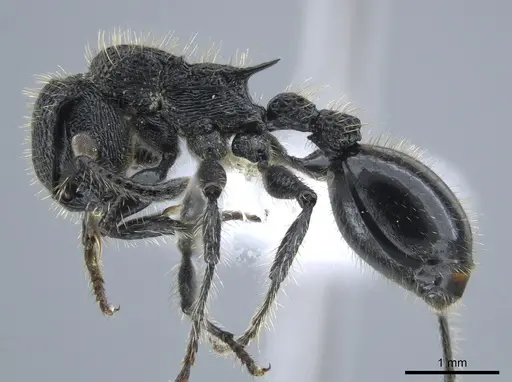
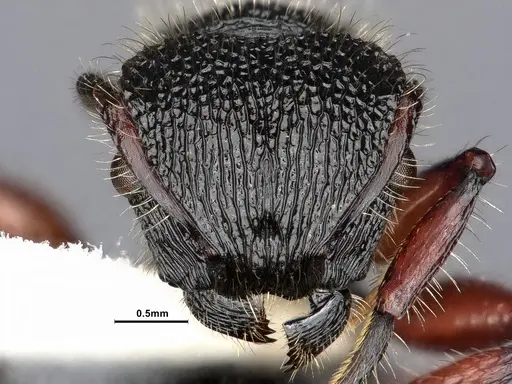
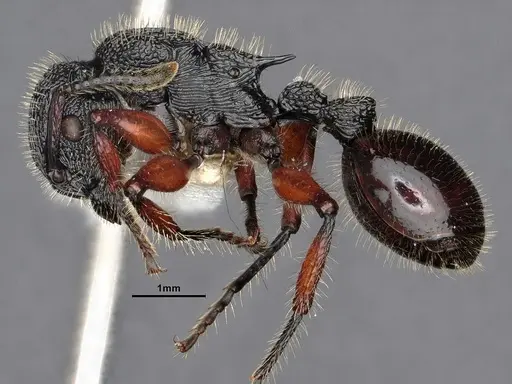
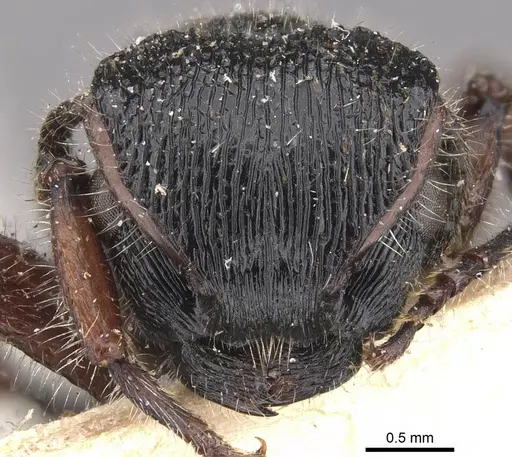
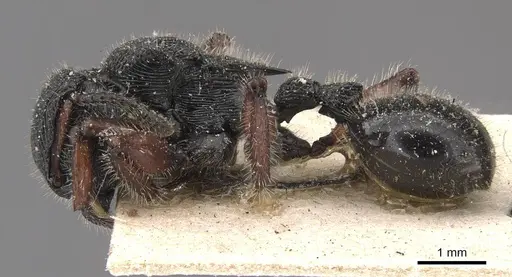
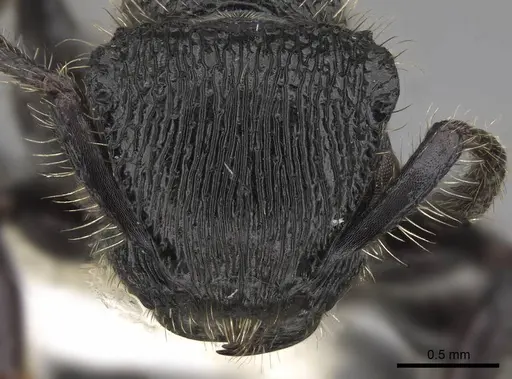
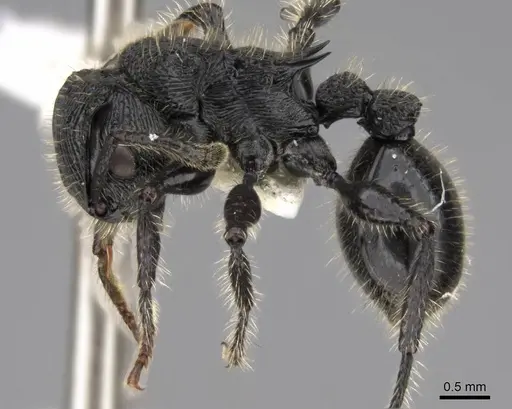
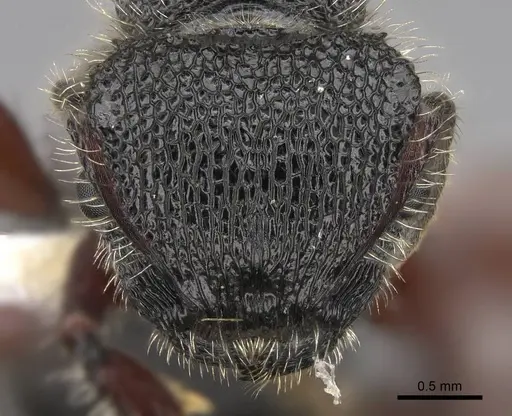
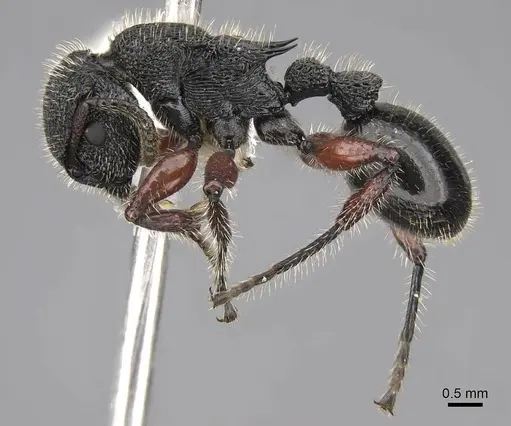
Procryptocerus mayri is a small, inconspicuous myrmicine ant native to Central and South America. Workers measure around 1.3-2.0mm in head width, with queens reaching up to 9.5mm total length. They have distinctive clathrate (net-like) sculpture on the face and promesonotum, with a dark black body and legs that can be black or occasionally red. These ants are restricted to wet montane forest and cloud forest habitats, reaching peak abundance between 1000-1500m elevation. They nest in a variety of plant stems, most often in live branches, and form small colonies of fewer than 100 workers. The frequent absence of dealate queens in nests suggests they live in polydomous colonies, multiple nest sites connected together rather than a single nest with one queen. This is one of the more uncommon Procryptocerus species in collections due to their specific habitat requirements and small colony sizes.
Quick Summary
- Difficulty: Medium
- Origin & Habitat: Wet montane forest and cloud forest habitats in Central and South America (Colombia, Costa Rica, Ecuador, Guatemala, Honduras, Mexico, Panama, Peru, Venezuela). Peak abundance at 1000-1500m elevation [1].
- Colony Type: Polydomous, multiple nest sites connected together, with single queens in some nests. Individual nests contain fewer than 100 workers [1].
- Colony: Monogyne
- Size & Growth:
- Queen: Up to 9.5mm total length [2]
- Worker: 1.3-2.0mm head width (approximately 4-6mm total length) [1]
- Colony: Fewer than 100 workers per nest [1][3]
- Growth: Slow, small amount of brood relative to adult workers suggests low rate of worker production [1]
- Development: Unknown, no direct development data available for this species (Based on related Attini tribe members, expect 6-10 weeks at optimal temperature. The slow colony growth and gradual sexual production observed in wild colonies suggests this is a slow-growing species.)
- Antkeeping:
- Temperature: Keep at 20-24°C. These ants are from cool cloud forest habitats and do not tolerate heat well. Room temperature is likely suitable for most keepers.
- Humidity: High humidity required, these ants live in wet montane forest. Keep nest substrate consistently moist but not waterlogged. Provide a water tube as their primary moisture source.
- Diapause: Unknown, no documented hibernation requirement. As a tropical/cloud forest species, they likely do not require a diapause period.
- Nesting: Best kept in naturalistic setups with plant stems or in acrylic/plaster nests with small chambers. They naturally nest in live plant stems, so Y-tong nests with narrow passages or custom stem setups work well. Provide small chambers scaled to their tiny colony size.
- Behavior: Docile and non-aggressive. Workers are slow-moving and inconspicuous. They are not known to sting and pose no danger to keepers. They forage quietly in the vegetation layer of their enclosure. Escape risk is moderate, their small size means they can slip through loose connections, but they are not strong climbers like some Myrmicinae. Use standard barrier methods.
- Common Issues: slow growth can frustrate keepers expecting rapid colony development, small colony size means they remain inconspicuous, not a dramatic display species, high humidity requirements can lead to mold if ventilation is poor, polydomous nature means they may spread across multiple nest areas, wild-caught colonies may be difficult to establish due to specific habitat needs
Natural History and Distribution
Procryptocerus mayri is a Neotropical ant species found across Central and South America, from Mexico down through Costa Rica, Panama, Colombia, Ecuador, Peru, and into Brazil. They are strongly associated with wet montane forest and cloud forest habitats, reaching their highest numbers between 1000-1500m elevation. On the Osa Peninsula in southwestern Costa Rica, they were only found in a small patch of cloud forest above 700m, demonstrating their strict habitat requirements. In Costa Rica, P. mayri almost always occurs alongside Procryptocerus batesi, and they are both restricted to these cool, wet forest zones. At lower elevations, other Procryptocerus species become more common. This habitat restriction makes them a challenging species to keep outside of their native range, as they require the cool, humid conditions of cloud forests. [1]
Nesting Behavior
In the wild, P. mayri nests exclusively in plant stems, both live and dead branches. Nests have been found in a wide variety of plants including acanthaceous shrubs, Cecropia saplings, melastome trees, and Baccharis shrubs. They prefer the lower branches of plants that overhang streams or forest edges. Nest entrances are often small, circular holes that point downward, making them easy to spot from below. A notable finding was a nest that was 49cm long, entirely within a live 14mm-diameter branch with a single centrally located entrance. Another nest spanned 4cm in live stem and 52cm in dead apex, with two lateral entrance holes 30cm apart. The frequent absence of dealate (wingless, mated) queens in nests suggests these ants are polydomous, living in multiple connected nest sites rather than a single colony with one central queen. Individual nests contain fewer than 100 workers, and the small amount of brood relative to adult workers suggests a long-lived worker population with low worker production rates. [1][3]
Colony Structure and Reproduction
P. mayri exhibits polydomous colony structure, meaning the colony occupies multiple nest sites that are connected together. Dealate queens have been found in some nests (one was found with 75 workers in a Cecropia sapling), but many nests lack queens entirely, supporting the polydomous hypothesis. The presence of queen pupae, callows (newly emerged adults), and fully sclerotized adults together in the same nest indicates gradual, year-round production of sexuals rather than a distinct mating season. Nests examined contained varying numbers: one had 48 adult workers,13 alate (winged) queens, and 12 adult males, another had 64 workers,36 alate queens, and 7 males. This suggests colonies maintain multiple reproductive females and produce sexuals continuously rather than in large seasonal bursts. The low amount of brood compared to workers indicates slow colony growth, something keepers should anticipate. [1]
Housing and Nest Setup
For captive care, provide a naturalistic setup that mimics their natural plant stem nesting habitat. Y-tong (acrylic) nests with small, tight chambers work well, as do plaster nests with appropriately scaled passages. Because colonies remain small (under 100 workers per nest), avoid large formicariums, they prefer cozy spaces. Include live or artificial plant stems in the outworld to give them natural nesting options. Keep the nest area humid but ensure some ventilation to prevent mold. A test tube setup can work for founding colonies, but be prepared to move them to a more naturalistic setup once they establish. The polydomous nature means they may spread across multiple connected spaces if available, consider providing multiple small nest areas connected by tubing. [1][3]
Feeding and Diet
Procryptocerus belongs to the tribe Attini, which typically includes fungus-growing ants, but P. mayri is not a fungus farmer, they are generalist foragers. They likely feed on small arthropods, honeydew from plant-sucking insects, and nectar. In captivity, offer small protein sources like fruit flies, pinhead crickets, and other tiny insects. Sugar water or honey water can be offered occasionally. Given their small worker size, prey items should be appropriately sized. Feed small amounts 2-3 times per week and remove uneaten food promptly to prevent mold in their humid setup. [1]
Temperature and Humidity Requirements
These ants require cool, humid conditions matching their cloud forest origin. Keep temperatures in the 20-24°C range, they do not tolerate heat and should be kept away from direct sunlight or heat sources. Room temperature is typically suitable. Humidity should be high, think damp forest floor. Keep the nest substrate consistently moist but not waterlogged. A water tube attached to the nest provides a constant moisture source. Avoid both stagnant air (causes mold) and excessive airflow (causes drying). The combination of high humidity and adequate ventilation is key to success with this species. [1]
Frequently Asked Questions
How long does it take for Procryptocerus mayri to produce first workers?
The exact timeline is unknown, but based on related Attini species and the observed slow growth in wild colonies, expect 6-10 weeks from egg to worker at optimal temperature. Wild colonies show low rates of worker production, so be patient, this is a slow-growing species.
Can I keep multiple Procryptocerus mayri queens together?
Not recommended. While wild colonies show polydomous structure (multiple nest sites), this involves connected nests each containing a single queen. Combining unrelated foundresses has not been documented and would likely result in aggression. Start with a single queen for best success.
How big do Procryptocerus mayri colonies get?
Individual nests contain fewer than 100 workers. However, because they are polydomous (multiple connected nests), a colony could potentially spread across several nest sites. Even established colonies remain small and inconspicuous compared to many common ant species.
Are Procryptocerus mayri good for beginners?
Not ideal for beginners. They require specific cool, humid cloud forest conditions, grow very slowly, and remain in small colonies. They are also uncommon in the antkeeping hobby. More experienced keepers interested in unusual Neotropical species would have better success.
What temperature should I keep Procryptocerus mayri at?
Keep them at 20-24°C. These ants come from cool cloud forest habitats and do not tolerate heat. Room temperature is usually suitable. Avoid placing their setup near heat sources or in direct sunlight.
Do Procryptocerus mayri need hibernation?
Unknown, no documented diapause requirement. As a tropical/cloud forest species from high elevations, they likely do not require a winter rest period. Maintain stable temperatures year-round.
Why are my Procryptocerus mayri dying?
Common causes include: too high temperature (they need cool conditions), low humidity (they require damp environments), mold from poor ventilation, or stress from too much handling. Check that temperatures stay below 24°C and humidity is consistently high but not stagnant.
What do Procryptocerus mayri eat?
They are generalist foragers. Offer small protein sources like fruit flies, tiny crickets, and other small insects. Sugar water or honey water can be offered occasionally. Remove uneaten food promptly to prevent mold in their humid setup.
When should I move Procryptocerus mayri to a formicarium?
Start with a test tube setup for the founding colony. Once workers are established and the colony grows, you can move them to a naturalistic setup with plant stems or a small Y-tong/plaster nest. They prefer small, cozy spaces, avoid large formicariums.
References

This caresheet is licensed under CC BY-SA 4.0 .
CASENT0280783
View on AntWeb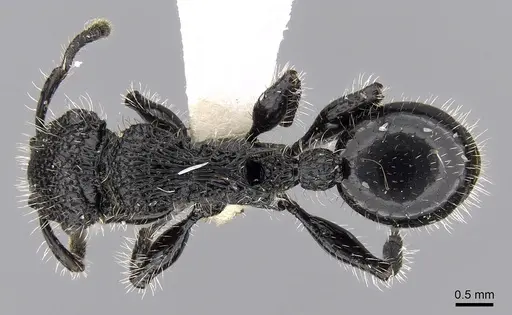
CASENT0631795
View on AntWeb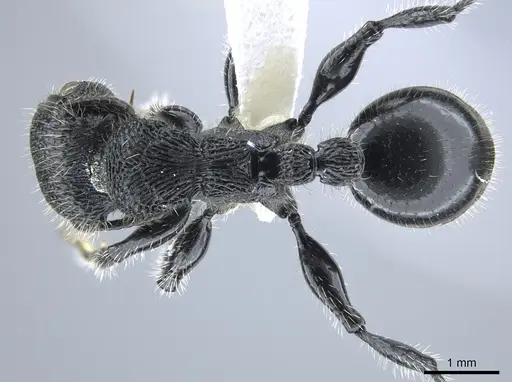
CASENT0648621
View on AntWeb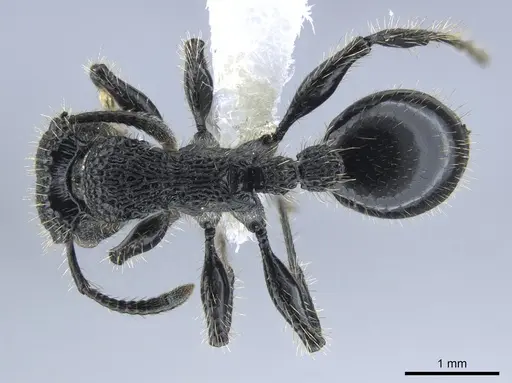
CASENT0884224
View on AntWeb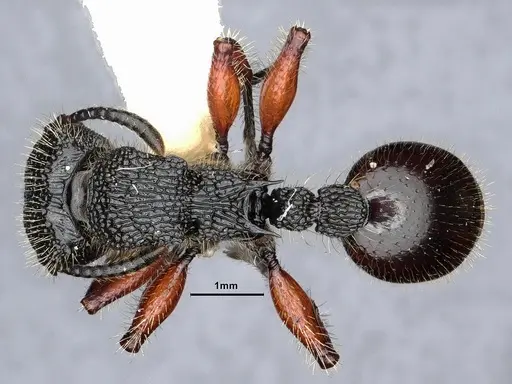
CASENT0909249
View on AntWeb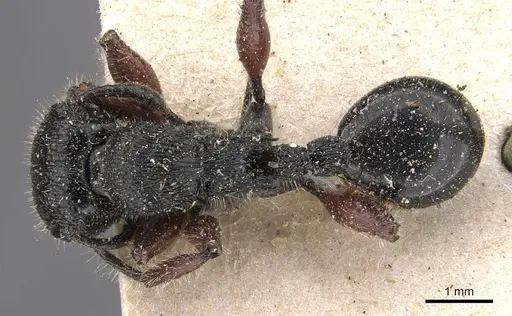
CASENT0922621
View on AntWeb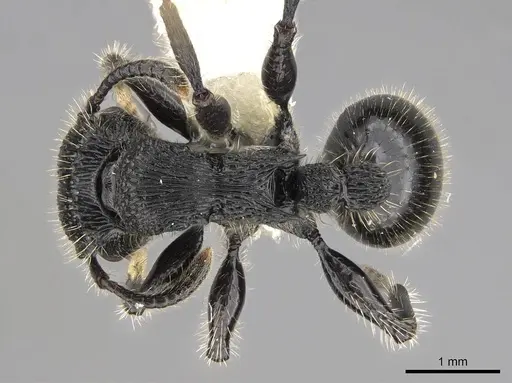
CASENT0922622
View on AntWeb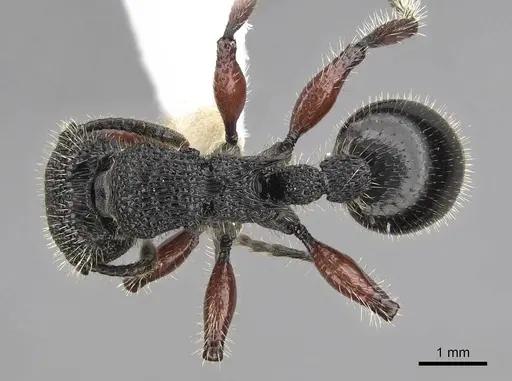
Literature
Loading...Loading products...