

Procryptocerus batesi
- Scientific Name
- Procryptocerus batesi
- Tribe
- Attini
- Subfamily
- Myrmicinae
- Author
- Forel, 1899
- Distribution
- Found in 3 countries
Procryptocerus batesi Overview
Procryptocerus batesi is an ant species of the genus Procryptocerus. It is primarily documented in 3 countries , including Costa Rica, Honduras, Panama. Detailed taxonomic data and occurrence records can be further explored via authoritative databases such as AntWeb or the Global Biodiversity Information Facility (GBIF).
Procryptocerus batesi
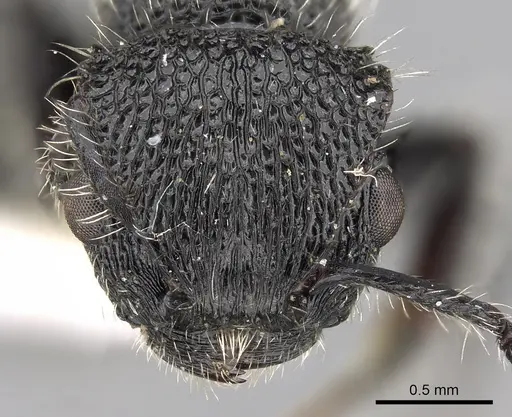
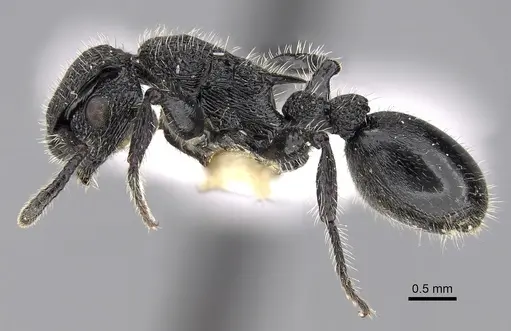
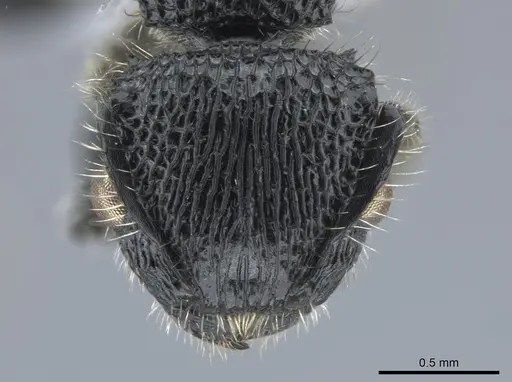
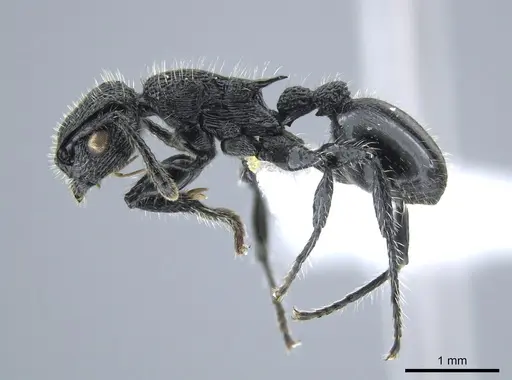
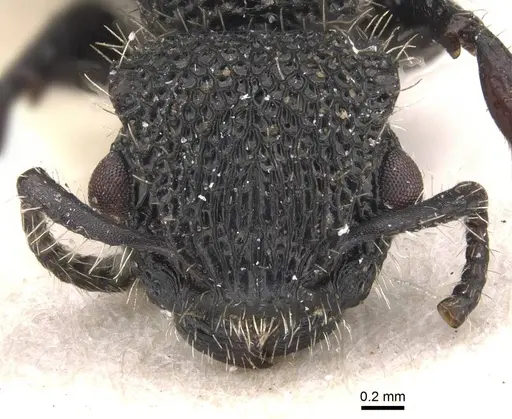
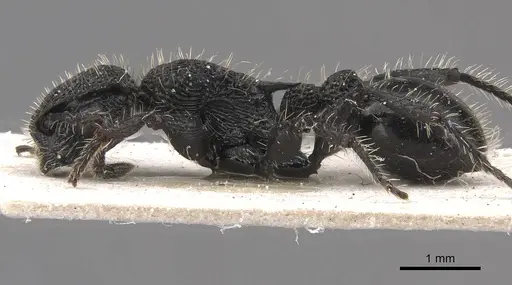
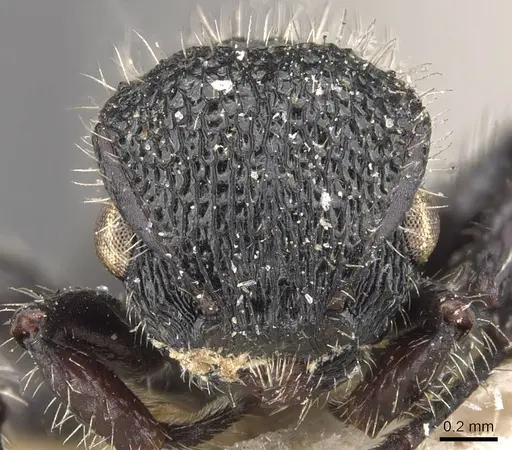
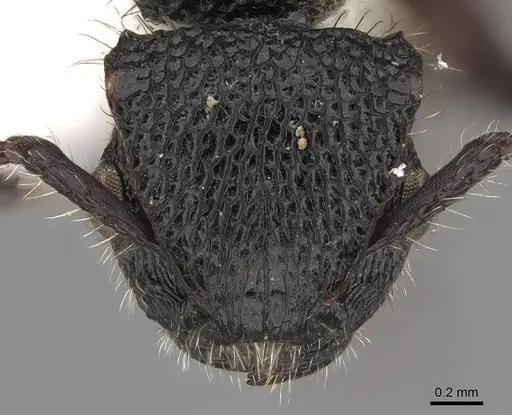
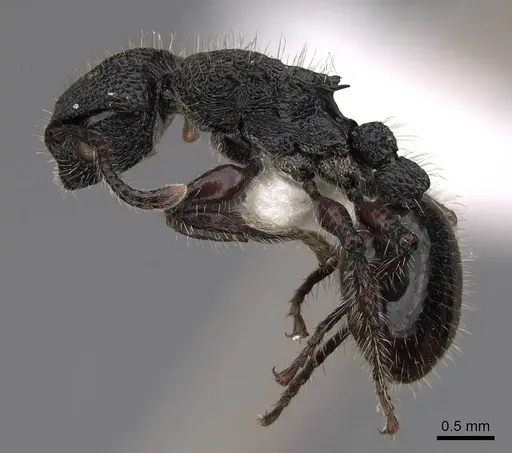
Workers are shiny black ants about 6mm long with heavy sculpturing on their heads and bodies [1][2]. They live in the mountains of Central and South America, specifically Costa Rica, Panama, and Colombia, where they occupy wet forests above 600 meters elevation [3]. Unlike many ants that nest in the ground, these ants live in vegetation, you will find them inside live or dead plant stems, sometimes high in the canopy [3]. Interestingly, they harbor special Rhizobiales bacteria in their guts, which suggests they may process plant material or rely heavily on sap-sucking insects for food [4].
Quick Summary
- Difficulty: Hard
- Origin & Habitat: Montane wet forests of Costa Rica, Panama, and Colombia, always found above 600 meters elevation [3]
- Colony Type: Appears monogynous (single queen) based on nest excavations, though some sources suggest polygyny (multiple queens) may occur, colonies are polydomous (spread across multiple nests) [3][1]
- Colony: Optionally polygyne
- Size & Growth:
- Queen: Approximately 6-7 mm total length (head width 1.45 mm) [2]
- Worker: Approximately 6 mm total length (head width 1.28 mm) [1][2]
- Colony: Fewer than 100 workers (observed counts: 55-96 workers) [3]
- Growth: Slow
- Development: 8-12 weeks (estimated based on related montane Myrmicinae, not directly measured) (Development likely slows at cooler temperatures typical of their montane habitat.)
- Antkeeping:
- Temperature: Cool and stable, approximately 18-22°C (inferred from montane cloud forest habitat above 600m) [3]
- Humidity: High humidity required, keep nest substrate damp but not waterlogged, with good ventilation to prevent mold [3]
- Diapause: Unknown, likely not required year-round in captivity, but a cooler resting period (18°C or below) for several weeks may benefit colony health
- Nesting: Arboreal, provide small chambers in twigs, stems, or bamboo tubes, avoid large open spaces [3]
- Behavior: Arboreal and calm, workers forage on low vegetation and in treefalls [3]. Their 6mm size creates moderate escape risk, use tight-fitting lids and fine mesh.
- Common Issues: small colony size makes them fragile and easily disturbed by excessive checking or vibration., montane origin means they suffer in heat, temperatures above 25°C may stress or kill the colony., high humidity requirements can lead to mold outbreaks without adequate ventilation., arboreal nesting preferences mean ground-style formicariums may be rejected, they need elevated twig-like chambers., slow growth means beginners often overfeed or disturb the colony impatiently.
Nest Preferences
In nature, Procryptocerus batesi nests inside live or dead plant stems, including hollow living stems of epiphytic shrubs high in the canopy and internodes of Cecropia saplings [3]. One nest contained 87 workers in a single Cecropia internode, while another held 55 workers in a hollow stem 20 meters up in a Guarea tree [3]. This means you should provide narrow, tube-like chambers rather than open soil nests. Small bamboo tubes, drilled twigs, or artificial stem-like cavities work best. Keep the chambers elevated to simulate their arboreal lifestyle. The nest should have tight spaces that make the ants feel secure, their small colony size suggests they prefer confined quarters where they can control the environment easily.
Temperature and Seasonal Care
These ants come from montane wet forests above 600 meters elevation, where temperatures stay cool and stable year-round [3]. You should keep them at approximately 18-22°C. Avoid heating cables or mats that would push temperatures into the mid-20s or higher, as montane species typically cannot tolerate heat. If your room temperature exceeds 22°C, you may need to cool the nest area with fans or evaporative cooling. While they likely do not require true hibernation like temperate species, providing a cooler period at 15-18°C for 4-6 weeks during winter months may help trigger brood development cycles and improve long-term colony health, though this is unconfirmed in the literature.
Feeding and Diet
Procryptocerus batesi harbors Rhizobiales bacteria in their guts, which are typically associated with nitrogen fixation and plant-based diets [4]. This suggests they may rely heavily on honeydew from sap-sucking insects (hemipterans) or possibly plant exudates in nature. In captivity, offer sugar water or honey water constantly, and provide small live prey such as fruit flies, springtails, or tiny cricket nymphs. Because of their small colony size (under 100 workers), they require very little food, overfeeding can lead to mold and spoilage in their humid nest environment. Remove uneaten protein within 24 hours.
Behavior and Arboreal Habits
Workers forage on low vegetation and in recent treefalls, suggesting they are opportunistic foragers in the forest understory and canopy [3]. They are not known to be aggressive, and their small colony size means they rely on crypsis (hiding) rather than combat for defense. In captivity, they will likely stay hidden in their twig nests during the day and forage primarily at night. Provide climbing surfaces like twigs or mesh in their outworld, as they are adapted to moving through vegetation rather than walking on flat ground.
Colony Founding
Founding behavior has not been directly documented for this species. Based on their membership in the tribe Cephalotini (turtle ants) and the presence of dealate queens in nest collections, they likely practice claustral founding, where the queen seals herself in a chamber and raises the first workers on stored body fat [3]. However, this remains unconfirmed. If attempting to found a colony, provide the queen with a small, dark chamber in a twig or test tube with damp cotton, keep her at 20-22°C, and do not disturb her for several weeks. Success rates for founding this species in captivity are currently unknown.
Frequently Asked Questions
Can I keep Procryptocerus batesi in a test tube?
Yes, but modify the setup to suit their arboreal nature. Use a small test tube or narrow bamboo tube rather than a standard large tube, and place it horizontally or at an angle to simulate a stem cavity. Provide a small twig inside for the queen to grip.
What temperature do Procryptocerus batesi need?
Keep them cool and stable at approximately 18-22°C. They come from montane cloud forests above 600 meters elevation and will not tolerate heat above 25°C [3].
How big do Procryptocerus batesi colonies get?
Colonies remain small, with fewer than 100 workers. Documented nests contained 55,87,and 96 workers [3].
Do Procryptocerus batesi need hibernation?
Probably not, as they come from tropical montane forests. However, a cooler resting period at 15-18°C for several weeks during winter may benefit their breeding cycle.
What do Procryptocerus batesi eat?
They likely rely heavily on honeydew and plant-based resources, as they harbor Rhizobiales gut bacteria [4]. In captivity, offer sugar water constantly and small amounts of live prey like fruit flies or springtails.
Are Procryptocerus batesi good for beginners?
No. Their small colony size, specific montane temperature requirements, and arboreal nesting habits make them challenging. They are better suited for keepers with experience maintaining cool, humid conditions.
How long until Procryptocerus batesi get their first workers?
The egg-to-worker timeline is unconfirmed. Based on related montane Myrmicinae, expect approximately 8-12 weeks at 20-22°C, though this may vary.
Can I keep multiple Procryptocerus batesi queens together?
Not recommended. While one source suggests polygyny may occur [1], nest excavations typically show single queens [3]. Combining unrelated queens risks fighting and colony failure.
References

This caresheet is licensed under CC BY-SA 4.0 .
CASENT0280784
View on AntWeb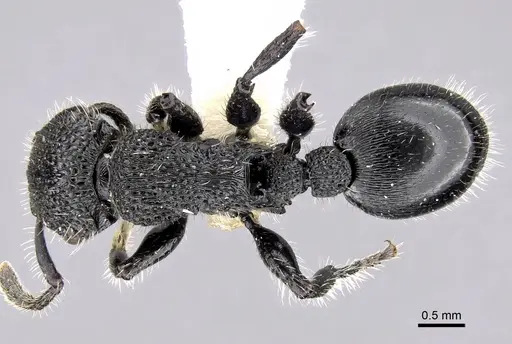
CASENT0648477
View on AntWeb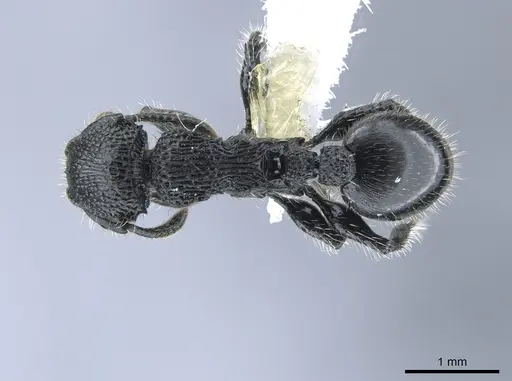
CASENT0909242
View on AntWeb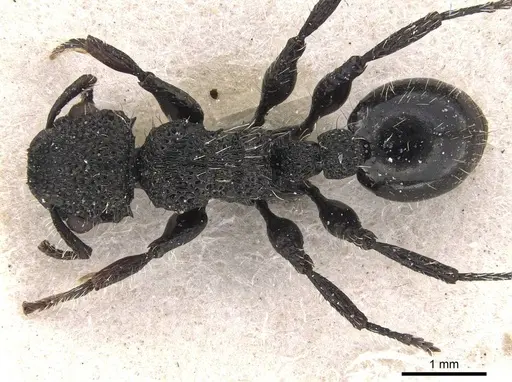
CASENT0909244
View on AntWeb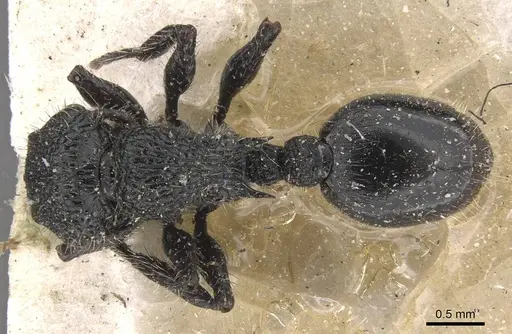
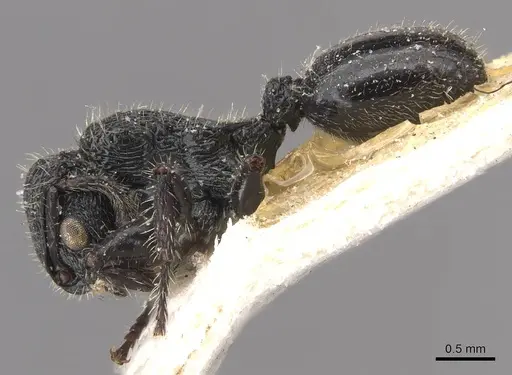
CASENT0922617
View on AntWeb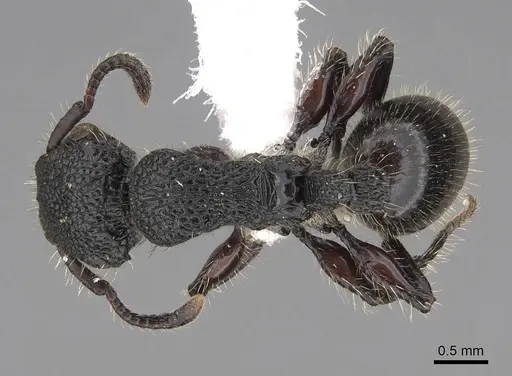
Literature
Loading...Loading products...