

Procryptocerus hylaeus
- Scientific Name
- Procryptocerus hylaeus
- Tribe
- Attini
- Subfamily
- Myrmicinae
- Author
- Kempf, 1951
- Distribution
- Found in 13 countries
Procryptocerus hylaeus Overview
Procryptocerus hylaeus is an ant species of the genus Procryptocerus. It is primarily documented in 13 countries , including Argentina, Bolivia, Plurinational State of. Detailed taxonomic data and occurrence records can be further explored via authoritative databases such as AntWeb or the Global Biodiversity Information Facility (GBIF).
Procryptocerus hylaeus
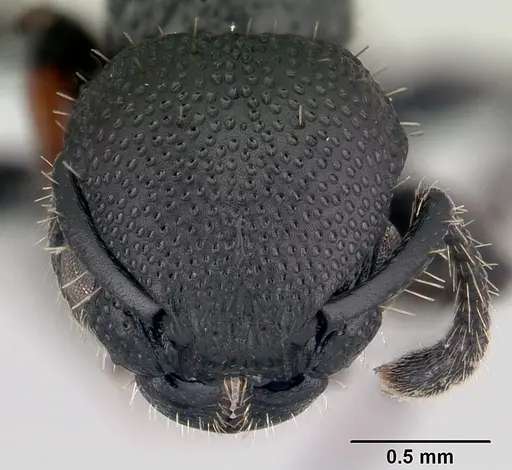
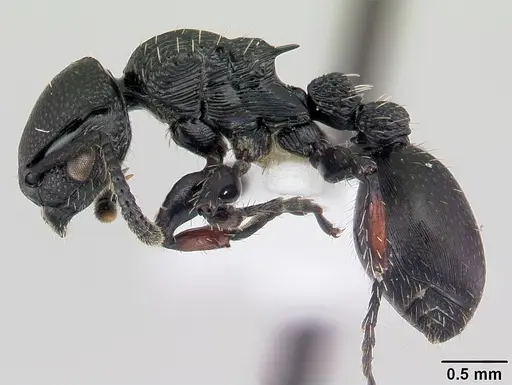
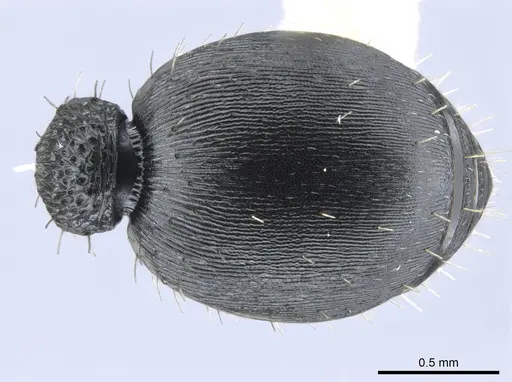
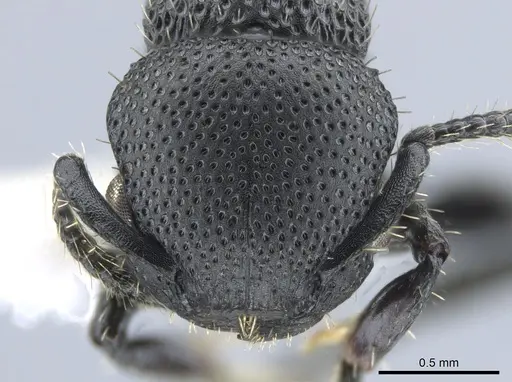
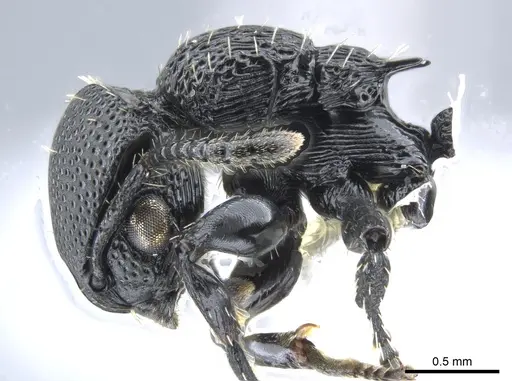
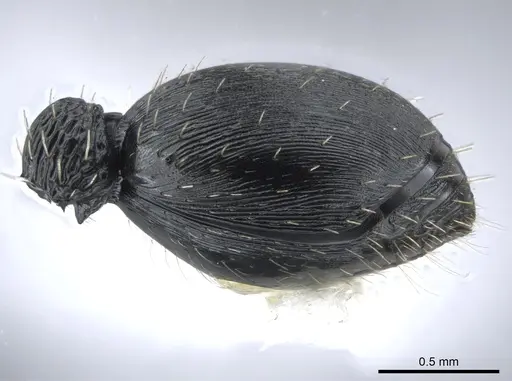
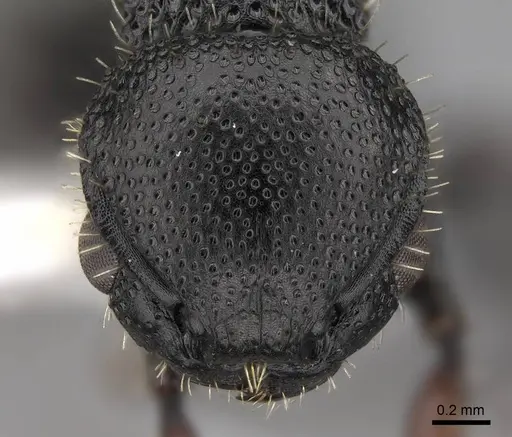
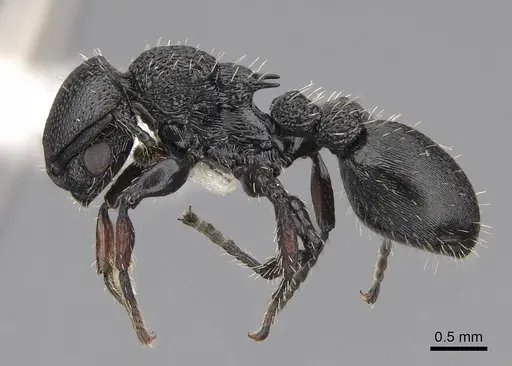
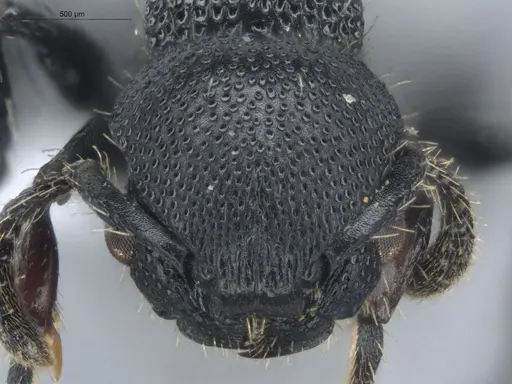
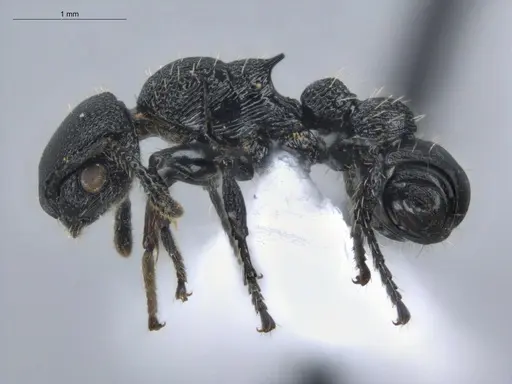
Procryptocerus hylaeus is a small arboreal ant species native to the Neotropics, found across much of South America from Argentina to Panama. Workers are distinctive black ants measuring around 4-5mm with notably swollen hind femurs (thighs) and small propodeal spines. Their face and mesosoma feature characteristic foveae (small pits), and the gaster has fine longitudinal striations. The tibiae are typically reddish-brown to orange, providing a helpful identification marker. This species is closely related to Cephalotes (turtle ants) and shares their arboreal lifestyle [1][2].
These ants are primarily canopy dwellers, nesting in hollow twigs and branches in wet and moist forest environments. They are ecologically important in tropical systems, acting as predators of the coffee berry borer pest and showing strong preferences for larger twig cavities. Their colonies are relatively small, typically containing around 16 workers per twig, and they can be dominant in certain forest and agroforestry habitats [3][4].
Quick Summary
- Difficulty: Expert
- Origin & Habitat: Wet and moist forest canopy across the Neotropics, from Argentina and Brazil north to Panama. Found from sea level to around 1000m elevation in Colombia. Nests in dead twigs in forest canopies, but also colonizes shaded coffee plantations and bromeliads in some regions [1][5][6].
- Colony Type: Colony structure is not well documented. Based on related Cephalotes species, likely monogyne (single queen) colonies. Workers are small and colonies appear to remain relatively small, with typical twig nests containing 10-20 workers [3].
- Colony: Monogyne
- Size & Growth:
- Queen: Approximately 4.5-5mm (estimated from genus patterns, HW 1.242 from type description) [1]
- Worker: Approximately 4-5mm (HW 1.130 from type description) [1]
- Colony: Relatively small colonies, typically 10-20 workers per twig nest [3]
- Growth: Unknown, likely slow to moderate based on small colony sizes
- Development: Unknown, no direct development data exists for this species (Development timeline has not been studied. Related Cephalotes species typically develop in 6-10 weeks at tropical temperatures, but this is an estimate only.)
- Antkeeping:
- Temperature: Based on their tropical distribution, keep in the warm range: 24-28°C. Avoid temperatures below 20°C. A gentle heat gradient in the nest area allows them to thermoregulate [1].
- Humidity: High humidity is essential, these are canopy ants from wet forests. Keep nest substrate consistently moist but not waterlogged. Aim for 70-85% humidity. Regular misting or a water reservoir in the nest helps maintain moisture [1][6].
- Diapause: No, as a tropical species, they do not require hibernation. Activity may slow slightly during cooler periods but they remain active year-round [1].
- Nesting: Twig-nesting species, in captivity they do well in artificial twig setups (bamboo or acrylic twigs with appropriate diameter) or small formicaria with narrow chambers. They prefer tight-fitting spaces that mimic their natural twig nests. Provide multiple small chambers rather than large open spaces. Y-tong nests or custom acrylic setups with small diameter tunnels work well [7][8].
- Behavior: These ants are arboreal and relatively docile. They are predators, actively hunting small insects including the coffee berry borer. Workers are not aggressive and do not sting. They are excellent escape artists due to their small size, escape prevention must be excellent with fine mesh barriers and tight-fitting lids. They prefer to nest in larger twigs (2.6-4.0mm diameter) and will readily colonize artificial twig setups in the lab [4][8].
- Common Issues: small size means escapes are likely without fine mesh barriers, tropical humidity requirements can be difficult to maintain consistently, colonies remain small, not satisfying for keepers expecting large colonies, difficulty maintaining under laboratory conditions has been noted in research, wild-caught colonies may have parasites or be stressed from habitat disruption
Natural History and Distribution
Procryptocerus hylaeus is a Neotropical species with a wide distribution across northern South America. It ranges from Argentina and Paraguay north through Brazil, Bolivia, Peru, Ecuador, Colombia, Guyana, French Guiana, Venezuela, and just into Central America in Panama. This represents one of the broader distributions within the genus Procryptocerus [1][6].
These ants are primarily canopy species, living in the wet and moist forest layers. They are most commonly collected using canopy fogging techniques, which involves spraying insecticide into the forest canopy to knock down insects. They also nest in fallen tree material (treefalls) and are captured in photoeclectors (devices that collect insects from specific locations). A notable collection from Bolivia found a nest directly in a dead twig, confirming their twig-nesting behavior [1].
In Brazil's Amazon region near Manaus, this species is particularly abundant in canopy samples, suggesting they are a common and ecologically important component of the upper forest layer ant community [1].
Nesting Preferences and Housing
In the wild, Procryptocerus hylaeus exclusively nests in hollow twigs and small branches. Research shows they strongly prefer larger twigs with elliptical cross-sections, specifically those with diameters between 2.6-4.0mm. Laboratory trials demonstrated clear preference for larger twigs over smaller ones, and field studies found they occupy twigs with significantly larger average elliptical area than other twig-nesting ant species [8].
For captive care, the best housing options mimic their natural twig nests. Bamboo sections with appropriate diameters work well, or custom acrylic 'twig' formicaria with narrow chambers. These ants do not do well in large, open formicaria spaces, they prefer tight, enclosed chambers that match what they would find in a natural twig. The nest should have multiple small chambers connected by narrow passages [8][7].
Because they are arboreal ants, they benefit from vertical space and opportunities to forage at different levels. An outworld connected to the nest allows them to display natural foraging behaviors. Ensure the setup has adequate humidity control since canopy environments are consistently moist.
Feeding and Diet
Procryptocerus hylaeus is a predator, actively hunting small arthropods. Research in coffee agroecosystems has documented their predation on the coffee berry borer (CBB), a major pest of coffee plants. Laboratory trials confirmed they readily attack and consume these beetles, making them beneficial biological control agents in coffee plantations [4].
In captivity, their diet should focus on small live prey items appropriate to their size. Small crickets, fruit flies, pinhead crickets, and other tiny arthropods make suitable protein sources. Given their predatory nature, they likely accept a wide range of small insects. Sugar sources may or may not be accepted, there is no specific data on honeydew or sugar water consumption for this species, though many Myrmicinae do accept sugar water occasionally [4].
Feed them small prey items 2-3 times per week, removing any uneaten prey after 24-48 hours. A constant sugar water source can be offered but do not rely on it as a primary food source given their predatory nature.
Temperature and Humidity Requirements
As a tropical species from wet forest canopies, Procryptocerus hylaeus requires warm and humid conditions. Their native range spans tropical regions with year-round warm temperatures and high rainfall. Keep the nest area at 24-28°C, avoiding any prolonged exposure to temperatures below 20°C [1].
Humidity is particularly important. Canopy environments in tropical rainforests are consistently humid, and these ants have not adapted to dry conditions. Maintain nest humidity at 70-85% by using a water reservoir, regular misting, or moisture-retaining substrates. The substrate (if used) should feel consistently damp but never waterlogged. Dry conditions can quickly stress and kill these ants.
A heating cable on one side of the nest can create a temperature gradient, allowing the ants to move between warmer and cooler areas as needed. Place the heating element on top of the nest to avoid excessive drying from below.
Behavior and Colony Dynamics
Procryptocerus hylaeus colonies are relatively small compared to many common ant species. Research in coffee ecosystems found an average of approximately 16 workers per twig nest, with some variation. This small colony size is typical of twig-nesting species, which occupy discrete, limited nesting cavities [3].
These ants are not aggressive and do not possess a painful sting. Their defense strategy relies on their arboreal lifestyle and cryptic nesting in twigs rather than active defense. When threatened, they may retreat deeper into their twig nests. They are active foragers, hunting small prey both within their nest twigs and in the surrounding canopy/vegetation.
In ecological studies, this species has shown interesting interactions with other ants. It can be dominant in certain contexts (high-shade coffee, forest canopy) while being subdominant in others. Research shows its occupation of twigs can be limited by the presence of the very aggressive Azteca instabilis, a common competitor in coffee agroecosystems [3][9].
Ecological Importance
Procryptocerus hylaeus plays a beneficial role in tropical agroecosystems, particularly coffee plantations. Studies have documented their predation on the coffee berry borer (Hypothenemus hampei), a devastating pest that damages coffee beans. In laboratory trials, these ants successfully preyed on CBB beetles and reduced infestation rates in coffee fruits [4].
Research on multi-predator systems showed interesting effects. When combined with other predatory ants (Azteca instabilis and Procryptocerus simplex), the three-predator treatment showed synergistic risk-enhancing effects, meaning the combined predators together provided better pest control than any single species alone. This makes them valuable contributors to biological control programs in shade coffee ecosystems [3].
Their presence in both natural forests and agroforestry systems (shaded coffee plantations) indicates some tolerance of human-modified landscapes, though they are most abundant in forested areas. They are found in forest canopies, in leaf litter in some regions, and in bromeliads (though in the latter, they associate with twigs and bark cavities rather than the soil component) [6][10].
Challenges in Captive Care
Keeping Procryptocerus hylaeus in captivity presents several challenges that make them unsuitable for beginners. First, their small size requires excellent escape prevention, they can easily slip through standard barrier setups. Use fine mesh (at least 0.5mm) on all ventilation and ensure all connections are tight [7].
Second, their specific nesting requirements (larger twigs with specific diameters) can be difficult to provide in captivity. They have been noted as difficult to maintain under laboratory conditions in research settings, which suggests challenges for hobbyist keepers as well [7].
Third, their need for high humidity and warm temperatures requires consistent attention. Unlike some hardy species that tolerate variable conditions, these tropical canopy ants are sensitive to drying out or cooling.
Finally, their small colony sizes may be unsatisfying for keepers who enjoy watching large, bustling colonies. Expect modest colony sizes even in established nests.
For these reasons, Procryptocerus hylaeus is best suited for experienced antkeepers who can provide the specific conditions these specialized arboreal ants require.
Frequently Asked Questions
Is Procryptocerus hylaeus a good species for beginners?
No. This species is considered expert-level due to its specific humidity requirements, small size (escape risk), preference for specific twig diameters, and documented difficulty in laboratory maintenance. Experienced antkeepers with the ability to provide consistent tropical conditions are best suited for this species.
What do Procryptocerus hylaeus eat?
They are predators that hunt small insects. In captivity, offer small live prey like fruit flies, pinhead crickets, small crickets, and other tiny arthropods. Sugar water may be accepted occasionally but should not be a primary food source. They are known predators of coffee berry borers in the wild.
How big do Procryptocerus hylaeus colonies get?
Colonies remain relatively small. Research shows approximately 16 workers per twig nest on average. Unlike many common ants that form large colonies, this species maintains modest colony sizes likely due to their discrete twig nesting cavities.
What temperature should I keep Procryptocerus hylaeus at?
Keep them warm at 24-28°C. As a tropical canopy species from wet forests, they need consistent warmth and should not be exposed to temperatures below 20°C for extended periods. A gentle heat gradient allows them to regulate their temperature.
Do Procryptocerus hylaeus need hibernation?
No. As a tropical species from the Neotropics, they do not require hibernation or winter rest. They remain active year-round in their native habitat and should be kept at warm temperatures continuously in captivity.
What type of nest should I use for Procryptocerus hylaeus?
They are twig-nesting ants that prefer larger twigs (2.6-4.0mm diameter). In captivity, use bamboo sections or custom acrylic twig formicaria with narrow chambers. They do not do well in large, open formicaria spaces, tight chambers that mimic natural twig cavities work best.
Why are my Procryptocerus hylaeus escaping?
Their small size makes them excellent escape artists. Use fine mesh (0.5mm or smaller) on all ventilation points and ensure all connections, lids, and barriers are tight-fitting. Check regularly for any gaps they could squeeze through.
How long does it take for Procryptocerus hylaeus to develop from egg to worker?
The development timeline has not been scientifically documented for this species. Based on related Cephalotes species, development likely takes 6-10 weeks at optimal tropical temperatures, but this is an estimate only.
Can I keep multiple Procryptocerus hylaeus queens together?
Colony structure is not well documented, but based on related Cephalotes species, they likely form single-queen colonies. Combining unrelated queens is not recommended as it has not been studied and could result in aggression.
Where is Procryptocerus hylaeus found in the wild?
They inhabit wet and moist forest canopies across the Neotropics, from Argentina and Brazil north to Panama. They are particularly abundant in the Amazon region near Manaus, Brazil, and are found from sea level to around 1000m elevation.
Is Procryptocerus hylaeus invasive anywhere?
No. This species is native to the Neotropics and has not been documented as invasive in any region. Its distribution remains centered on its native range in South and Central America.
References

This caresheet is licensed under CC BY-SA 4.0 .
CASENT0178095
View on AntWeb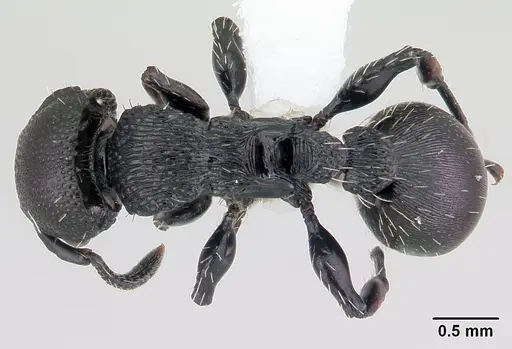
CASENT0633450
View on AntWeb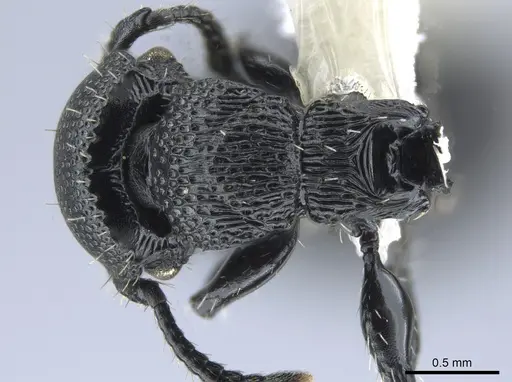
CASENT0922620
View on AntWeb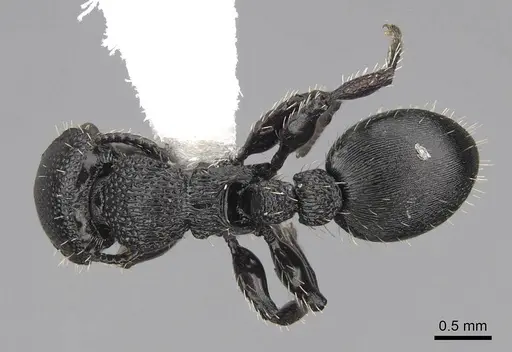
ECOFOG-BUG-1737-08
View on AntWeb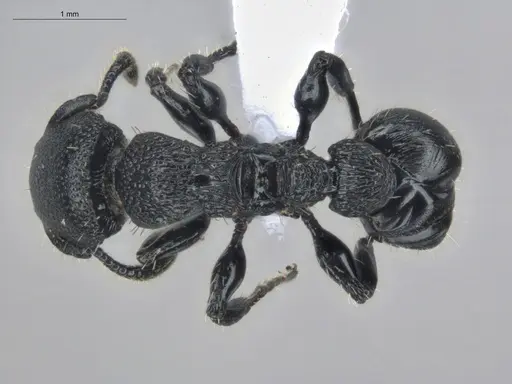
Literature
Loading...Loading products...