

Azteca instabilis
- Scientific Name
- Azteca instabilis
- Tribe
- Leptomyrmecini
- Subfamily
- Dolichoderinae
- Author
- Smith, 1862
- Distribution
- Found in 6 countries
Azteca instabilis Overview
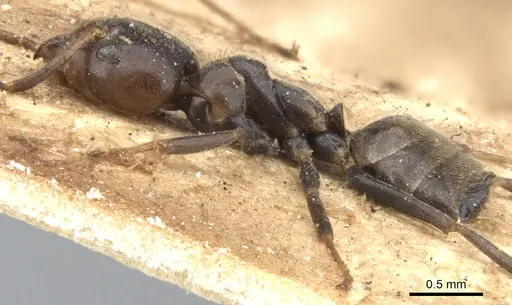
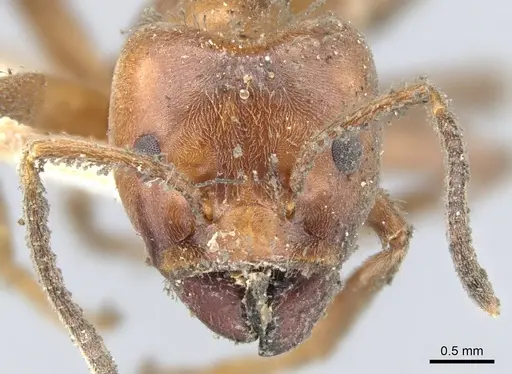
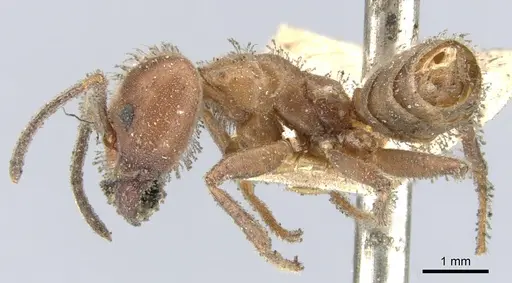
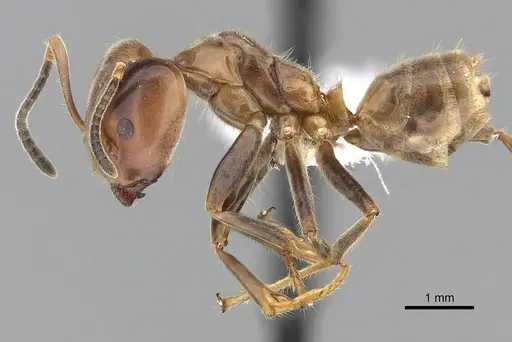
Azteca instabilis is an ant species of the genus Azteca. It is primarily documented in 6 countries , including Brazil, Belize, Colombia. Detailed taxonomic data and occurrence records can be further explored via authoritative databases such as AntWeb or the Global Biodiversity Information Facility (GBIF).
Azteca instabilis
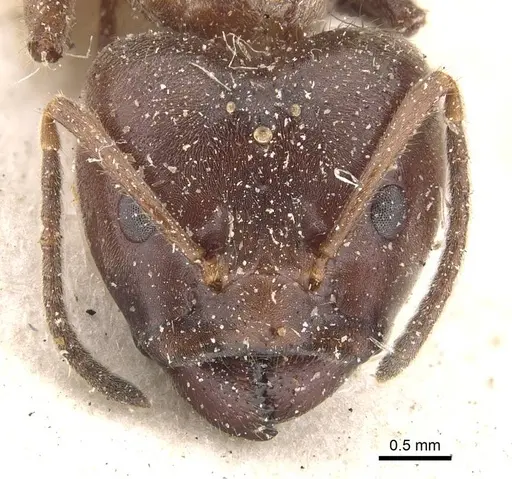
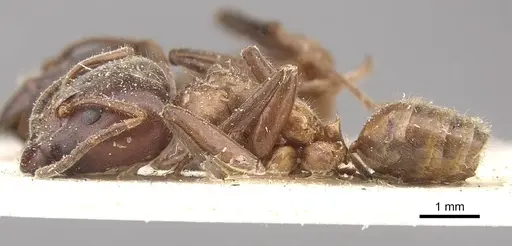
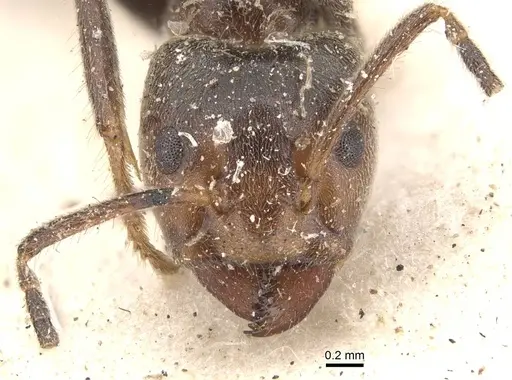
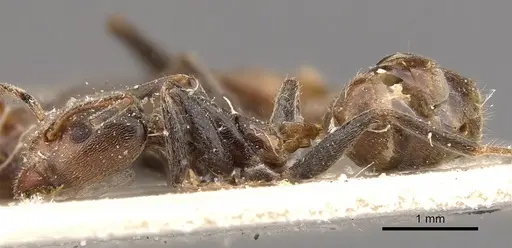
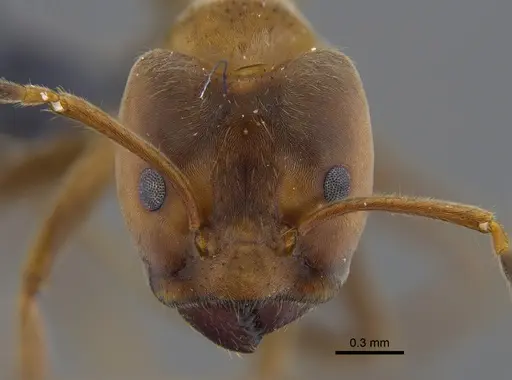
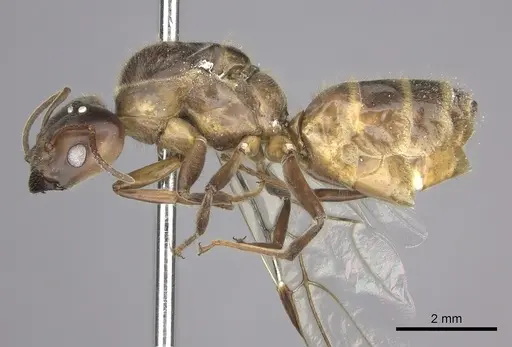
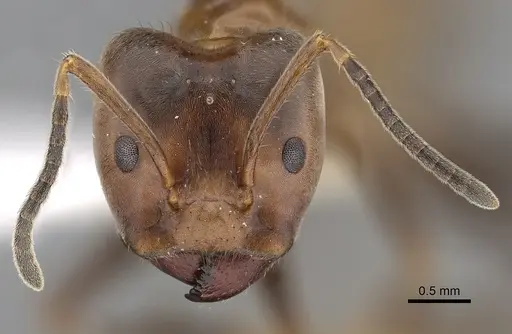
Azteca instabilis is the largest species in the Azteca genus, with queens reaching 2.4-2.5mm head width and workers at 1.8-2.1mm [1]. These impressive ants are native to the Neotropics, ranging from Mexico down to southern Brazil, typically inhabiting wet to dry forest habitats below 500m elevation [1]. They nest in the hollow trunks of trees with large crevices or fissures at the base, with workers pouring out in massive numbers, often blanketing the surrounding area [1]. Colonies can be extremely long-lived, researchers documented the same colony remaining active in the same tree fissure for at least 16 years [1]. Unlike most Azteca species, queens have notably large ocelli (simple eyes on the top of the head), suggesting nocturnal flying habits, they are frequently attracted to lights at night [1]. This species is a keystone species in coffee agroecosystems, where it provides natural pest control by attacking herbivores and tending scale insects that protect coffee plants from the coffee berry borer [2][3].
Quick Summary
- Difficulty: Expert
- Origin & Habitat: Neotropical region from Mexico to southern Brazil, typically below 500m elevation in wet to dry forest habitats [1]. Found in Belize, Colombia, Costa Rica, French Guiana, Guatemala, Guyana, Honduras, Mexico, Panama, Peru, and Suriname [4]. Nests in hollow tree trunks with large fissures at the base [1].
- Colony Type: Polydomous, forms one main nest with several satellite nests in neighboring trees [5][6]. Colony structure involves satellite colony expansion through queen dispersal, creating clusters of nests [6]. Occupies approximately 3% of available trees in coffee agroecosystems [6].
- Colony: Monogyne
- Founding: Claustral
- Size & Growth:
- Queen: 2.4-2.5mm head width [1][7]
- Worker: 1.8-2.1mm head width [1]
- Colony: Large colonies with thousands of workers across multiple nest sites [6]. Average of 328 trees occupied across censuses in a 45-ha study plot [6].
- Growth: Moderate, claustral founding in tree hollows [7][8]. Queen to worker head width ratio is 1.34 [7].
- Development: Unknown, specific development time not directly studied. Based on typical Dolichoderinae patterns, expect 6-10 weeks at optimal tropical temperatures. (Queens are claustral founders, sealing themselves in tree hollows and living off stored fat reserves until first workers emerge [7][8].)
- Antkeeping:
- Temperature: Tropical species requiring warm conditions. Keep nest area at 24-28°C. This is a lowland tropical ant that does not tolerate cool temperatures. Use a heating cable on one side of the nest if room temperature falls below this range.
- Humidity: Requires high humidity typical of tropical arboreal ants. Keep nest substrate consistently moist but not waterlogged. Provide a water tube for drinking water. Mist the outworld occasionally but avoid excessive moisture that promotes mold.
- Diapause: No, this is a tropical species that does not hibernate [1]. Maintain warm temperatures year-round. Activity may decrease slightly during dry seasons in their native range but they remain active.
- Nesting: Arboreal nester requiring vertical space and tree-like structures. In captivity, use a formicarium with cork bark, cardboard tubes, or wooden structures that mimic hollow tree trunks. A Y-tong (AAC) nest with added vertical elements or a naturalistic setup with cork bark works well. They will construct carton-like material if given the opportunity. Essential to provide a dark nesting area inside a cavity.
- Behavior: Extremely aggressive and territorial. Workers forage actively both day and night, with significantly higher nocturnal activity [9]. They respond rapidly to threats, attack response times can be under 2 seconds on some trees [5]. They communicate primarily through chemical signals, and a single ant can trigger defensive responses in many nestmates [10]. They are efficient predators, removing 98.5% of introduced larvae and responding faster than other ant species [11]. They specialize in small prey (2-3mm) and are less effective with larger prey [12]. Workers will readily sting if handled, and the sting is reportedly quite painful [13]. Escape prevention is important given their large size and activity level, use fluon on container edges. They build well-developed trail systems and can form extensive foraging networks [14].
- Common Issues: Tropical temperature requirements make them difficult for keepers in temperate climates without heating, Polydomous nature means they may establish satellite colonies in multiple locations, difficult to contain in captivity, Extreme aggression makes them difficult to work with, they will attack vigorously when the nest is disturbed, Phorid fly parasitism is a natural threat, while not common in captivity, stressed colonies may be more vulnerable, Large colony size requires significant space and resources as the colony matures, Nesting in tree hollows means they need vertical structures and dark cavities, standard horizontal nests are suboptimal
Nest Preferences and Housing
Azteca instabilis is an obligate arboreal nester that naturally nests in the hollow trunks of trees with large crevices or fissures at the base [1]. In captivity, you need to replicate this by providing a dark cavity within a vertical structure. Cork bark tubes or sections work well, as do cardboard tubes that the ants can chew and shape. They will construct carton-like material to create chambers, so providing them with pulp-friendly materials helps. A Y-tong (AAC) formicarium can work if you add vertical elements like cork bark pieces for them to build around. The key is providing a cavity they can seal themselves into, similar to a tree trunk hollow. They do not nest in soil or ground-level areas, they need vertical space and prefer to be elevated. The nest chamber should be dark, so consider using a nest box with limited light entry or covering the viewing area.
Feeding and Diet
These ants are generalist foragers with a strong preference for sugar sources. In the wild, they visit extrafloral nectaries and tend coccoid Hemiptera (scale insects) under small carton shelters [1]. They also act as predators, efficiently removing small arthropods, studies show they remove 98.5% of introduced larvae and prefer prey around 2-3mm in size [11][12]. They are less effective at capturing larger prey [12]. In captivity, offer sugar water, honey, or diluted maple syrup as a constant food source. For protein, provide small insects like fruit flies, small crickets, or mealworm pieces. They will also accept other small arthropods. Feed protein 2-3 times per week and keep sugar available at all times. They are primarily sugar-dependent, so carbohydrate sources are essential for their energy needs.
Temperature and Seasonal Care
As a lowland tropical species found below 500m elevation in Central and South America, Azteca instabilis requires warm, stable temperatures year-round [1]. Keep the nest area at 24-28°C (75-82°F). They do not tolerate cool temperatures and will become sluggish below 22°C. Use a heating cable on one side of the nest if your room temperature is lower, but ensure there's a temperature gradient so workers can move to cooler areas if needed. Place the heating element on top of the nest to avoid drying out the nest too quickly. There is no diapause requirement, this is a non-hibernating tropical species [1]. Maintain warm conditions throughout the year. In their natural range, they experience wet and dry seasons rather than temperature extremes, so seasonal temperature changes are not necessary.
Behavior and Colony Dynamics
Azteca instabilis is one of the most aggressive ant species in the Neotropics. They defend territories and respond to threats within seconds, studies document attack response times under 2 seconds on some trees [5]. They are the only ant species documented to kill other ant individuals during aggression trials [10]. Colonies are polydomous, meaning they maintain one main nest plus several satellite nests in neighboring trees [5][6]. This is achieved through satellite colony formation when a queen establishes a new colony in an adjacent tree. They form clusters ranging from single trees to groups of 10+ trees [6]. Workers forage both day and night, with significantly higher nocturnal activity [9]. They communicate primarily through chemical signals, a single alarmed worker can trigger a defensive response in many nestmates [10]. They build extensive trail systems for foraging [14]. Their aggressive nature and chemical communication make them formidable defenders of their territory.
Ecological Role and Interactions
In their native range, Azteca instabilis plays a keystone role in coffee agroecosystems. They form mutualistic relationships with the green coffee scale (Coccus viridis), protecting these scale insects from predators in exchange for honeydew [2]. This relationship indirectly protects coffee plants from the coffee berry borer, one of coffee's most serious pests [2][3]. Studies show that trees with A. instabilis colonies have 75 times fewer flea beetles on base leaves and 12 times fewer on canopy leaves compared to trees without colonies [12]. They also reduce shot-hole damage significantly [12]. However, they face natural enemies, parasitoid phorid flies (Pseudacteon species) attack them, and these flies can reduce ant foraging activity by about 50% [15]. The ants use alarm pheromones that actually attract phorids from a distance, creating a vulnerability [16]. In captivity, you won't encounter phorid flies, but understanding this natural enemy helps explain their aggressive defensive behavior.
Handling and Safety
Azteca instabilis has a painful sting and is described as 'a very tiny, quite painfully stinging species' [13]. They are extremely aggressive when their nest is disturbed, workers will swarm out in large numbers and attack vigorously. The attack response is extremely fast, often under 2 seconds [5]. When working with this species, use extreme caution. Move slowly around the colony, avoid vibrations, and never put your hand near the nest without protection. If you need to transfer colonies or clean the outworld, use gentle air puffs or light brushing rather than direct manipulation. Wear gloves and eye protection when dealing with established colonies. They communicate through chemical signals, so a single disturbed worker can alert the entire colony [10]. Given their aggressive nature and painful sting, this species is recommended only for experienced antkeepers who are comfortable working with defensive species.
Frequently Asked Questions
Can I keep Azteca instabilis in a test tube?
No, test tubes are not suitable for this species. Azteca instabilis is an obligate arboreal nester that requires vertical cavities similar to hollow tree trunks [1]. They need dark nesting chambers and will construct carton-like material. Use a formicarium with cork bark, cardboard tubes, or wooden structures that provide a cavity they can seal themselves into. A Y-tong nest with added vertical elements works better than horizontal setups.
How long until first workers appear?
The exact development time is not directly documented in scientific literature. As a claustral founder, the queen seals herself in a chamber and lives on stored fat reserves until her first workers emerge [7][8]. Based on typical Dolichoderinae development patterns at tropical temperatures (24-28°C), expect approximately 6-10 weeks from egg to first worker. The queen to worker head width ratio is 1.34,indicating significant size difference between queens and workers [7].
Are Azteca instabilis good for beginners?
No, this species is not recommended for beginners. It is rated as Expert difficulty due to several challenging aspects: they require tropical temperatures (24-28°C) year-round, need arboreal-style nesting with vertical cavities, are extremely aggressive with painful stings, and form polydomous colonies that can be difficult to contain. They also require constant sugar sources and small prey items. This species is best suited for experienced antkeepers who can provide specialized housing and are comfortable working with defensive species.
What do Azteca instabilis eat?
They are generalist foragers with a strong preference for sugar. In captivity, provide sugar water, honey, or diluted maple syrup constantly [1]. For protein, offer small insects like fruit flies, small crickets, or mealworm pieces. They prefer small prey (2-3mm) and are less effective at capturing larger insects [12]. Feed protein 2-3 times per week. They will also tend scale insects if available and visit extrafloral nectaries in setups with live plants.
Do they need hibernation?
No, they do not hibernate. Azteca instabilis is a tropical species native to lowland Central and South American forests [1]. They do not have a diapause requirement and need warm temperatures (24-28°C) year-round. Maintaining appropriate temperature is critical, they become sluggish below 22°C and may be harmed by prolonged cool conditions.
How big do colonies get?
Colonies can become very large. This species is polydomous, maintaining the main nest plus satellite colonies in neighboring trees [5][6]. Studies in coffee plantations document an average of 328 trees occupied by colonies across a 45-hectare study plot, with each colony cluster containing multiple nests [6]. A single colony can span several trees with thousands of workers total. In captivity, expect significant growth if conditions are optimal, but they will need expanding space as the colony matures.
Can I keep multiple queens together?
This species is not typically polygynous. While they form satellite colonies through queen dispersal, each colony starts with a single founding queen [7][6]. The polydomous structure comes from queens establishing new satellite nests in nearby trees, not from multiple queens in the same nest. It is not recommended to combine unrelated foundress queens, as this has not been documented and would likely result in aggression.
Why are my Azteca instabilis dying?
Several factors could cause colony decline: temperatures below 22°C can slow metabolism and harm brood, low humidity can desiccate brood, insufficient sugar or protein leads to starvation, inappropriate nesting (horizontal instead of vertical cavities) causes stress, excessive disturbance triggers chronic defensive responses that exhaust workers, and poor escape prevention can lead to colony loss. Also check for mold in the nest area. As a tropical species, they are sensitive to conditions outside their preferred range.
When should I move them to a formicarium?
Move them when the test tube or founding setup becomes too small for the growing colony. For claustral founders, wait until you have at least 20-30 workers and the colony is actively foraging in an outworld. For this species, provide arboreal-style housing from the start if possible, as they prefer vertical cavities. If starting in a test tube, transfer to a formicarium with cork bark or similar vertical structures once the colony reaches moderate size (50+ workers).
References

This caresheet is licensed under CC BY-SA 4.0 .
CASENT0106162
View on AntWeb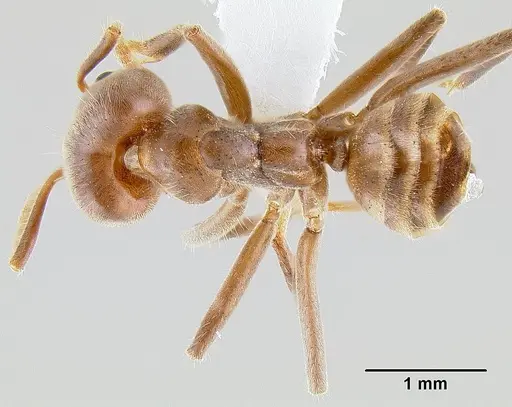
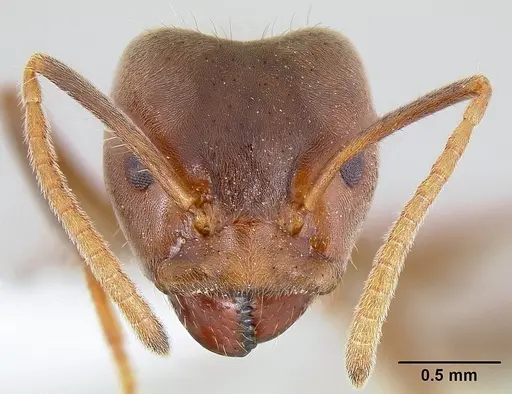
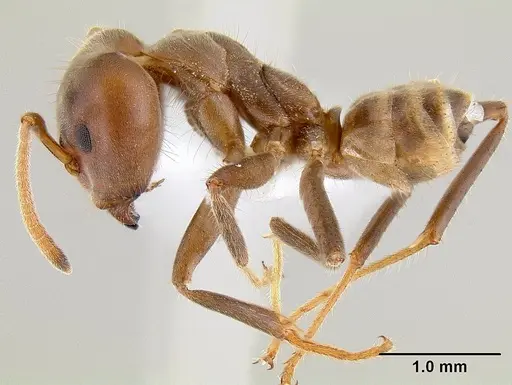
CASENT0631765
View on AntWeb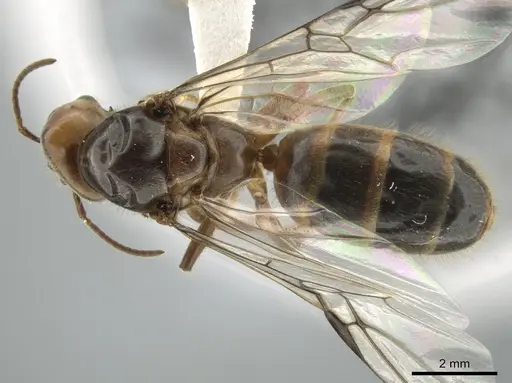
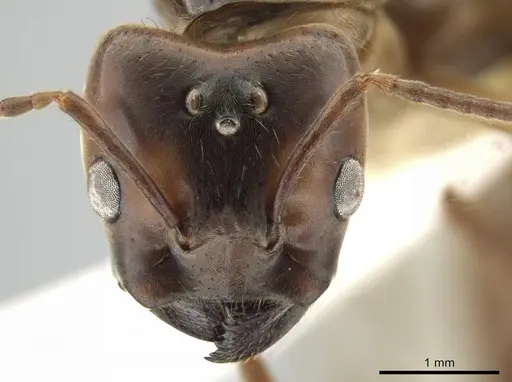
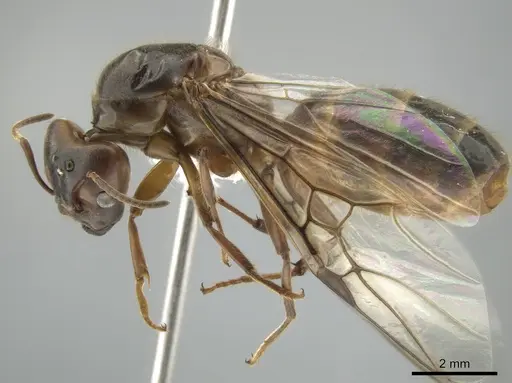
CASENT0903009
View on AntWeb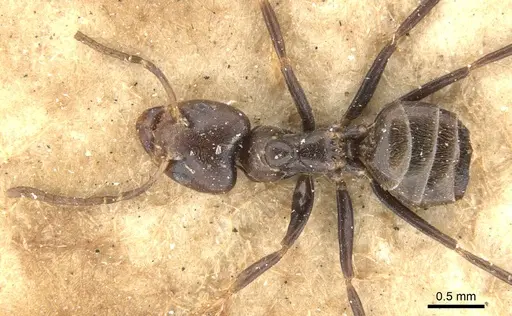
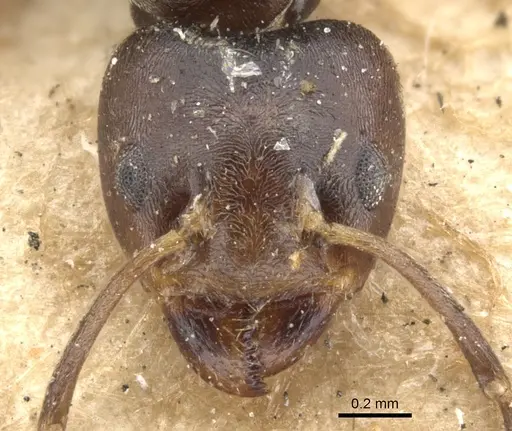
CASENT0903010
View on AntWeb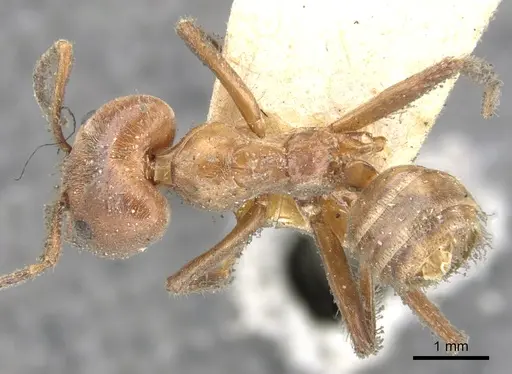
CASENT0909639
View on AntWeb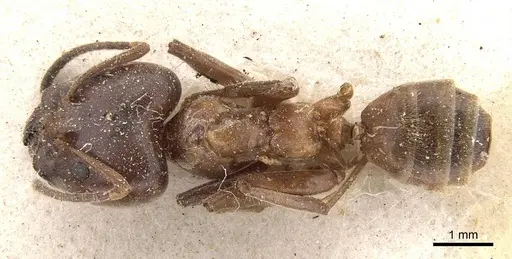
CASENT0909640
View on AntWeb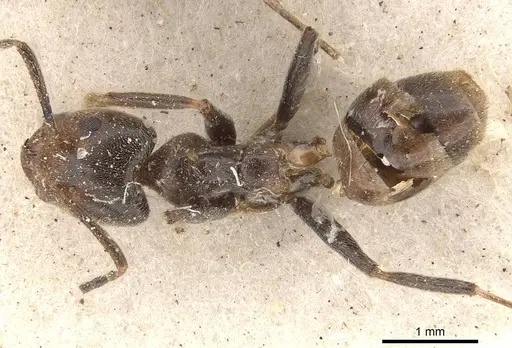
CBUMAGENT41841
View on AntWeb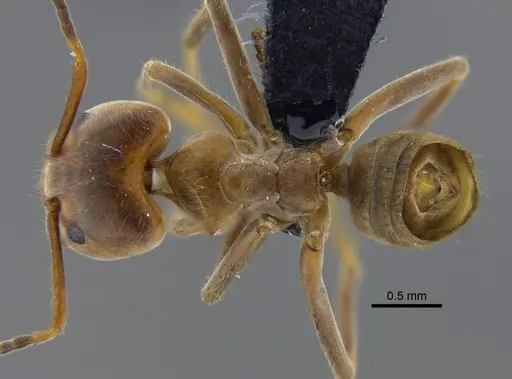
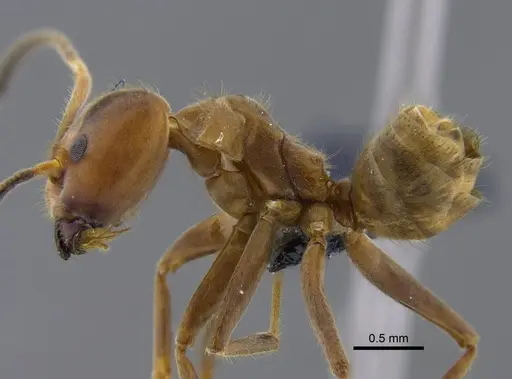
INBIOCRI001280964
View on AntWeb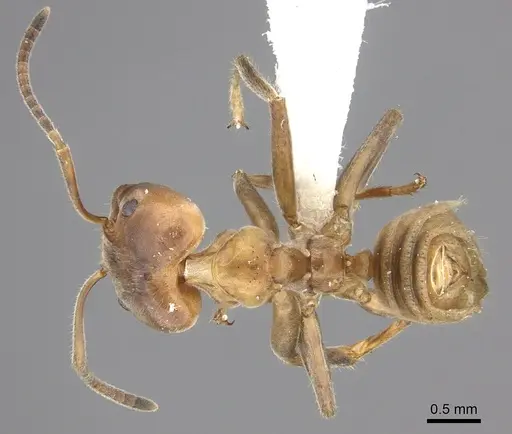
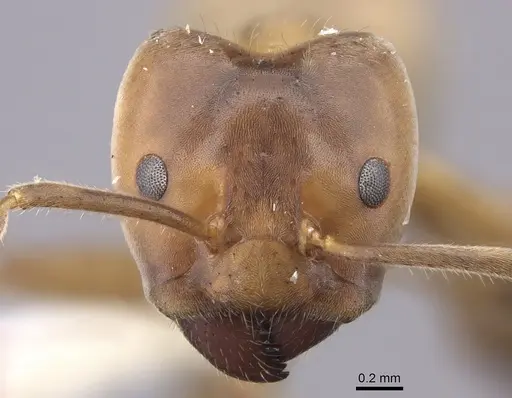
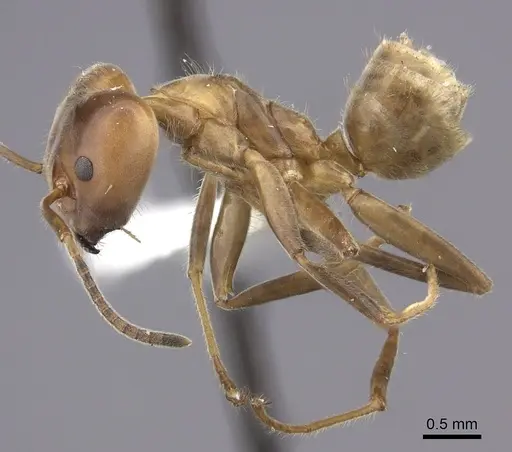
INBIOCRI001280981
View on AntWeb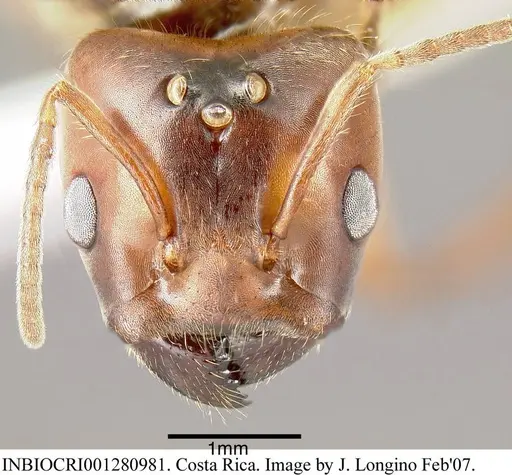
JTLC000005624
View on AntWeb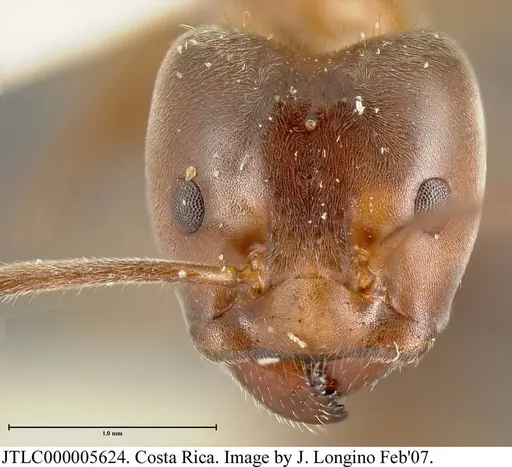
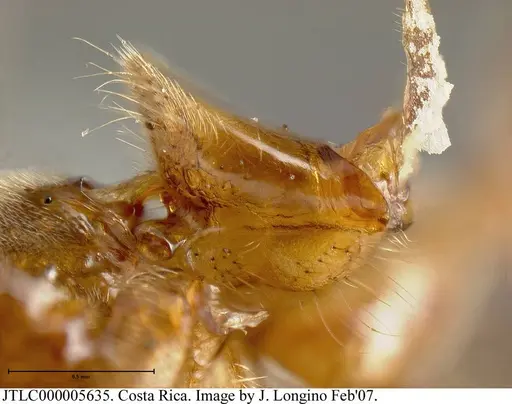
JTLC000005635
View on AntWeb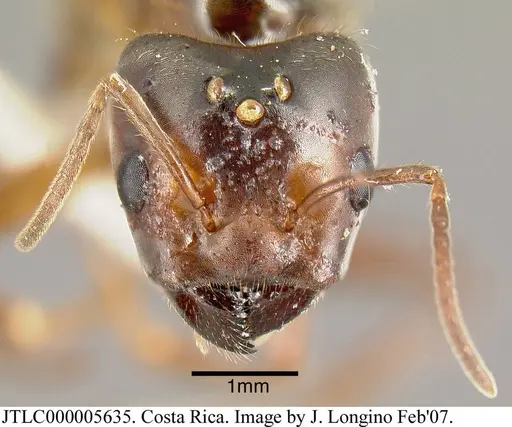
JTLC000009445
View on AntWeb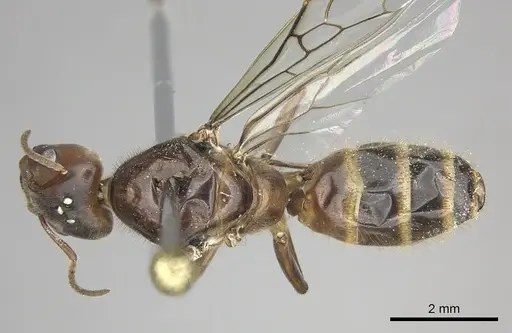
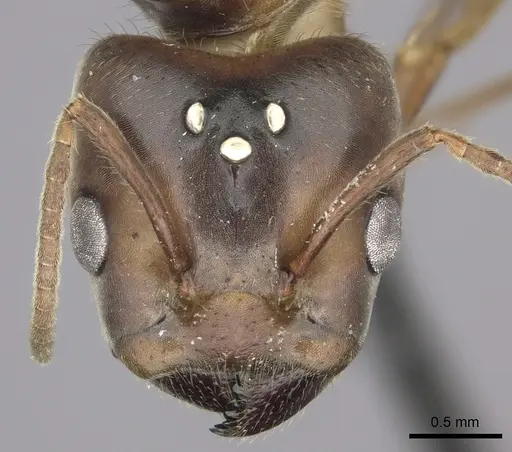
JTLC000009539
View on AntWeb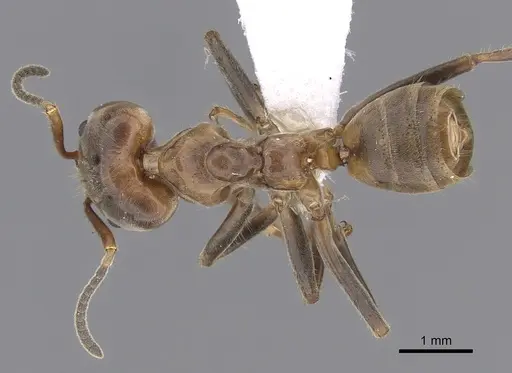
Literature
Loading...Loading products...