

Proceratium numidicum
- Scientific Name
- Proceratium numidicum
- Tribe
- Proceratiini
- Subfamily
- Proceratiinae
- Author
- Santschi, 1912
- Distribution
- Found in 2 countries
Proceratium numidicum Overview
Proceratium numidicum is an ant species of the genus Proceratium. It is primarily documented in 2 countries , including Tunisia, Türkiye. Detailed taxonomic data and occurrence records can be further explored via authoritative databases such as AntWeb or the Global Biodiversity Information Facility (GBIF).
Proceratium numidicum
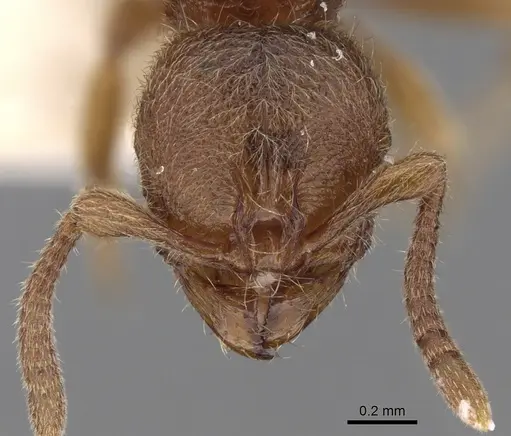
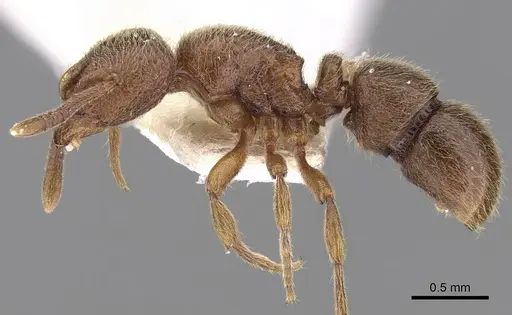
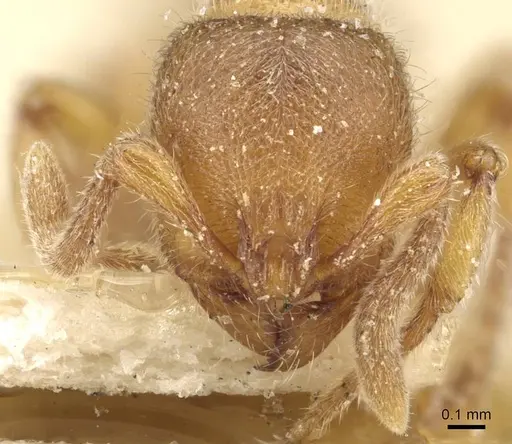
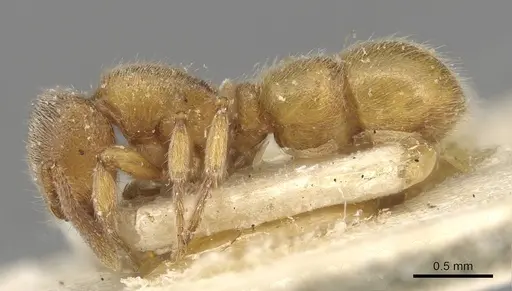
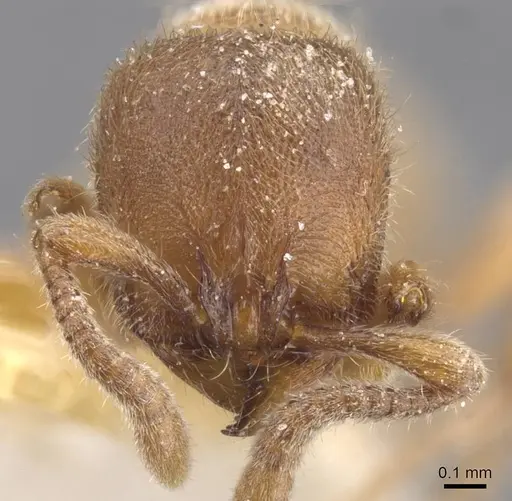
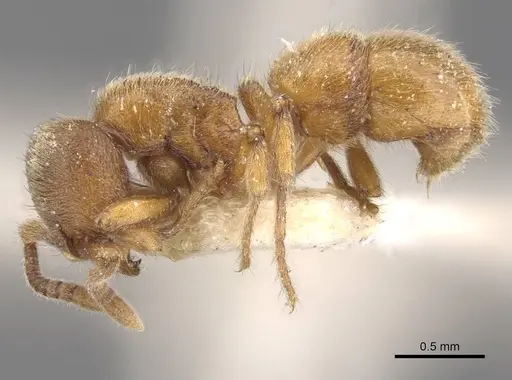
Proceratium numidicum is a tiny, cryptic ant species belonging to the subfamily Proceratiinae. Workers measure just 3.03-3.29mm, making them one of the smallest Proceratium species known [1]. They have a distinctive dark ferrugineous-brown coloration with slightly lighter antennae and legs, and some specimens show a dark brown patch on the back of the head [1]. The head is almost as broad as it is long, with broad frontal carinae that partly cover the antennal insertions. This species belongs to the silaceum clade and resembles Proceratium japonicum but can be distinguished by its broader frontal carinae, narrower petiole, and more superficial sculpture [2].
This is one of the rarest ant species in the Mediterranean, with a very scattered distribution across several countries. Almost nothing is known about their biology in the wild, they have been collected in Greece using pitfall traps, which suggests they are ground-nesting and cryptic [1]. As with most Proceratium species, they are likely predatory on small soil arthropods like springtails, but specific dietary observations are lacking. Their rarity and the genus's cryptic habits make them a challenging species for even experienced antkeepers.
Quick Summary
- Difficulty: Expert
- Origin & Habitat: Southern and eastern Mediterranean region, found in Albania, Algeria, Bulgaria, Cyprus, Greece, Morocco, Tunisia, and Turkey [1]. They appear to be a tertiary relict species, suggesting they prefer stable, shaded microhabitats in Mediterranean woodlands or rocky areas [3].
- Colony Type: Colony structure is unconfirmed. Like other Proceratium species, they likely have single-queen colonies, but this has not been documented.
- Size & Growth:
- Queen: 3.98-4.08mm [1]
- Worker: 3.03-3.29mm [1]
- Colony: Unknown, Proceratium colonies typically remain small, likely under 100 workers based on genus patterns
- Growth: Likely slow, Proceratium species are known for very slow colony development
- Development: Unknown, likely 2-3 months based on genus patterns for small Proceratium species (No direct development data exists for this species. Estimates based on typical Proceratium genus patterns.)
- Antkeeping:
- Temperature: Unconfirmed, start around 20-24°C and observe colony activity. Mediterranean distribution suggests they can tolerate moderate temperatures.
- Humidity: Likely requires high humidity, Proceratium species typically inhabit damp forest floor microhabitats. Keep substrate consistently moist but not waterlogged.
- Diapause: Unknown, Mediterranean species may tolerate cooler temperatures in winter but specific diapause requirements are unconfirmed.
- Nesting: Likely prefers naturalistic setups with damp soil, small chambers, and minimal disturbance. They are cryptic and probably nest in small chambers under stones or in rotting wood.
- Behavior: Extremely cryptic and rarely observed. Likely predatory on small arthropods like springtails and mites. Workers are probably slow-moving and non-aggressive. Escape risk is moderate due to their small size, standard barriers should suffice but fine mesh is recommended. Temperament is likely docile, consistent with the genus.
- Common Issues: lack of biological data makes captive care largely speculative, very small size means escape prevention must be excellent, slow growth requires patience, colonies may take months to show visible progress, wild-caught colonies may have parasites or fail to adapt to captivity, diet acceptance is unknown, may require live micro-prey
Housing and Nest Setup
Proceratium numidicum is an extremely cryptic species that has rarely been observed in the wild. Based on genus patterns, they likely nest in small chambers under stones, in rotting wood, or within leaf litter in Mediterranean habitats. For captivity, a naturalistic setup works best, a small container with damp soil (like a plastic box or acrylic formicarium) with small chambers or passages scaled to their tiny size. Test tubes can work for founding colonies if kept humid, but these ants seem to prefer more enclosed spaces. Avoid large, open areas, they do best in compact setups with minimal free space. Keep the nest area dark or covered, as Proceratium species avoid light. A hydration system that maintains consistent dampness without flooding is essential, these ants are not aquatic but need moist conditions. [1][2]
Feeding and Diet
The diet of Proceratium numidicum has not been documented, but Proceratium species are typically predatory on small soil arthropods. In captivity, you should offer small live prey such as springtails, micro-arthropods, and tiny insects. Fruit flies and small mealworm pieces may also be accepted. Unlike some ants, they are unlikely to accept sugar water or honey, Proceratium species are not known for tending aphids or consuming nectar. Feed small amounts of live prey every few days and remove any uneaten prey to prevent mold. Since so little is known about this species, be prepared to experiment with different small prey items and observe what workers accept. [2]
Temperature and Seasonal Care
No specific temperature requirements have been documented for this species. Their Mediterranean distribution (Tunisia, Greece, Turkey, Albania, etc.) suggests they can tolerate temperatures ranging from roughly 15°C to 30°C, with optimal development likely in the low-to-mid 20s°C. A heating cable on one side of the nest can create a temperature gradient, allowing workers to choose their preferred zone. Observe colony behavior, if workers cluster consistently in warmer areas, increase heat slightly, if they avoid heated areas, reduce temperature. Winter care is unconfirmed, but Mediterranean species typically tolerate cooler room temperatures without requiring full hibernation. Keep them in an area that does not drop below 10°C. [1]
Handling and Colony Maintenance
Proceratium numidicum is likely a docile, non-aggressive species that poses no threat to keepers. They have no functional stinger (Proceratiinae use chemical defenses like formic acid spray rather than stinging). However, their tiny size and cryptic nature make them difficult to observe and handle. Minimize disturbances to the nest, these ants prefer stability and may abandon or neglect brood if stressed. Colony growth will be very slow, so patience is essential. Do not expect rapid population increases. Monitor for mold, mites, and other pests that can quickly overwhelm small, slow-moving colonies. Quarantine any new colonies or specimens before introducing them to existing setups. [2]
Frequently Asked Questions
How long does it take for Proceratium numidicum to produce first workers?
Unknown, no development data exists for this species. Based on genus patterns for small Proceratium species, expect 2-3 months from egg to worker at optimal temperature. Growth is typically very slow.
Can I keep Proceratium numidicum in a test tube?
Yes, test tubes can work for founding colonies if kept humid and dark. However, a small naturalistic setup with damp soil may be better since this is a cryptic species that likely prefers enclosed spaces. Test tubes work but monitor humidity carefully.
What do Proceratium numidicum ants eat?
Likely predatory on small soil arthropods like springtails and micro-arthropods. Offer small live prey items. Sugar sources are probably not accepted, these are not honeydew-feeding ants.
Are Proceratium numidicum ants dangerous?
No. Proceratiinae ants do not have functional stingers, they may spray formic acid as a defense but this poses no serious threat to keepers. They are docile and cryptic.
How big do Proceratium numidicum colonies get?
Unknown, but Proceratium colonies typically remain small, likely under 100 workers based on genus patterns. Their rarity suggests they do not form large colonies.
Do Proceratium numidicum ants need hibernation?
Unconfirmed. Mediterranean species may tolerate cooler winter temperatures but full hibernation may not be required. Keep them above 10°C in winter.
Are Proceratium numidicum good for beginners?
No. This is an expert-level species due to: almost no biological data exists for captive care, extremely cryptic habits, likely requires live micro-prey, very slow growth, and rarity makes obtaining colonies difficult. Not recommended for beginners.
Why are my Proceratium numidicum dying?
Without specific data, common causes likely include: wrong humidity (too dry or too wet), stress from disturbance, accepted prey not being offered (they may refuse standard ant foods), temperature extremes, or parasites from wild-caught colonies. These are poorly understood in captivity.
Where is Proceratium numidicum found?
Southern and eastern Mediterranean: Albania, Algeria, Bulgaria, Cyprus, Greece, Morocco, Tunisia, and Turkey [1]. They are a rare, scattered species.
Can I keep multiple queens together?
Unknown. Colony structure has not been documented for this species. Do not attempt combining unrelated queens, this has not been studied and could result in fighting.
References

This caresheet is licensed under CC BY-SA 4.0 .
CASENT0281855
View on AntWeb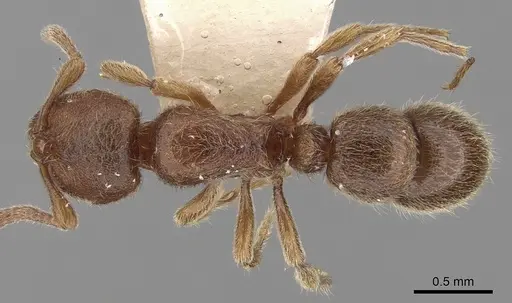
CASENT0915314
View on AntWeb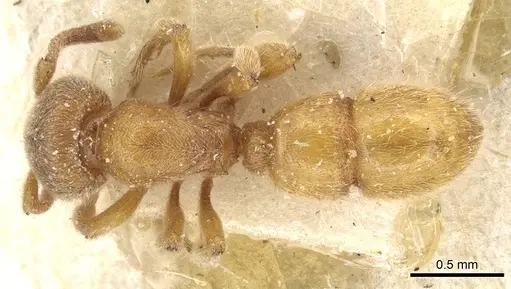
CASENT0915315
View on AntWeb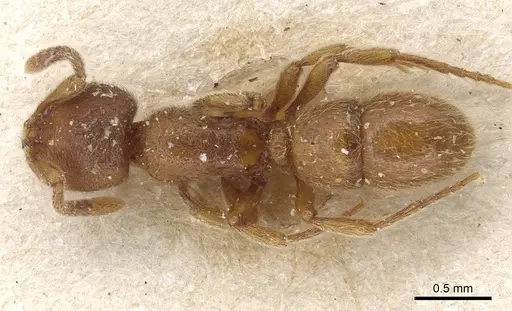
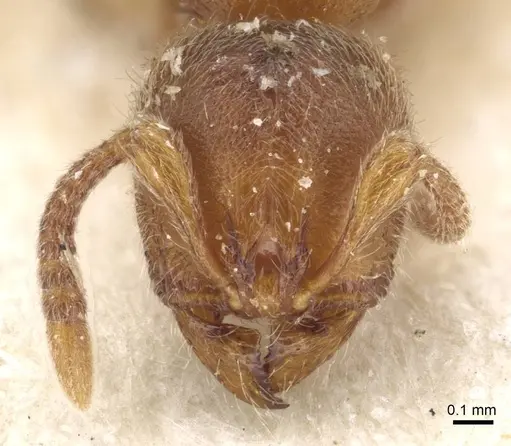
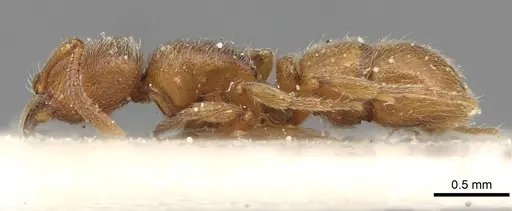
CASENT0916807
View on AntWeb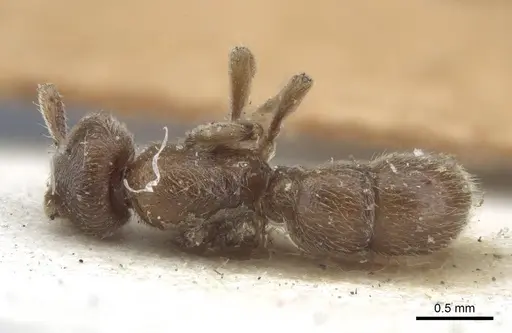
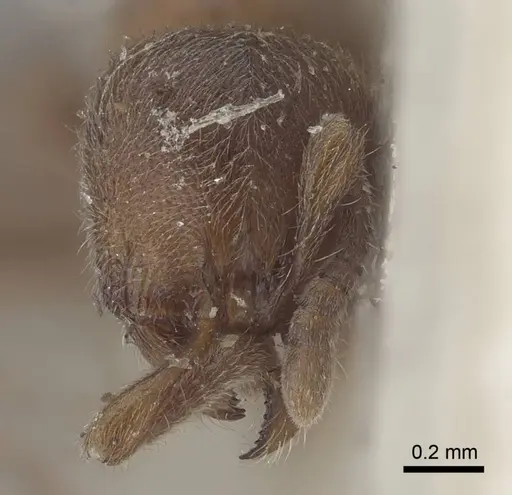
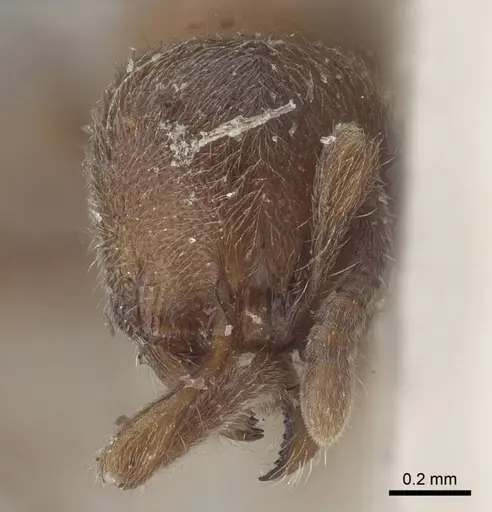
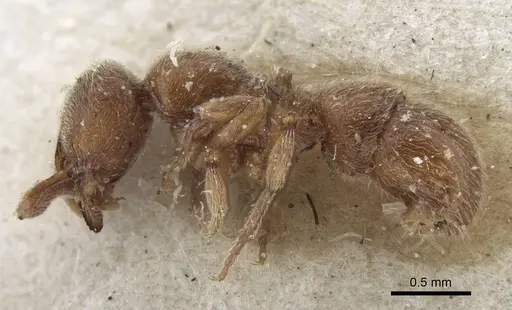
CASENT0916808
View on AntWeb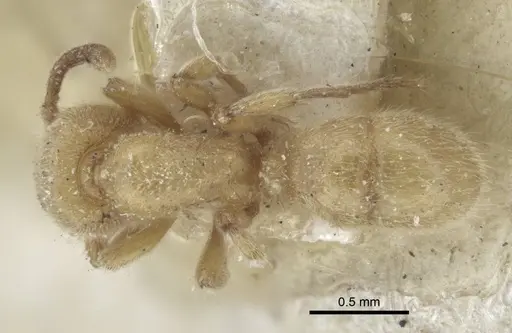
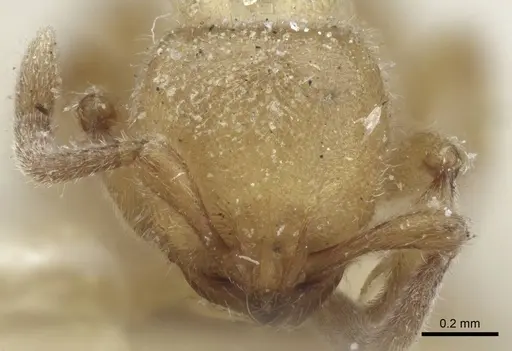
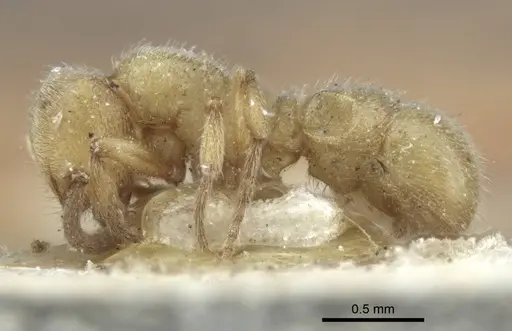
RMCAENT000017722
View on AntWeb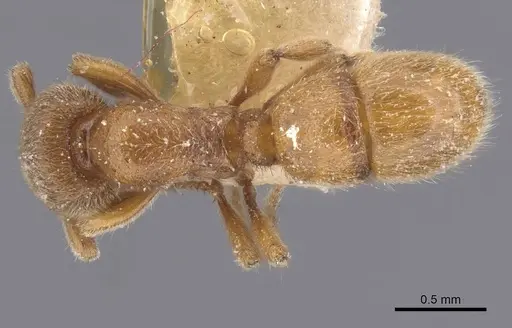
Literature
Loading...Loading products...