

Proceratium japonicum
- Scientific Name
- Proceratium japonicum
- Tribe
- Proceratiini
- Subfamily
- Proceratiinae
- Author
- Santschi, 1937
- Distribution
- Found in 1 countries
Proceratium japonicum Overview
Proceratium japonicum is an ant species of the genus Proceratium. It is primarily documented in 1 countries , including Japan. Detailed taxonomic data and occurrence records can be further explored via authoritative databases such as AntWeb or the Global Biodiversity Information Facility (GBIF).
Proceratium japonicum
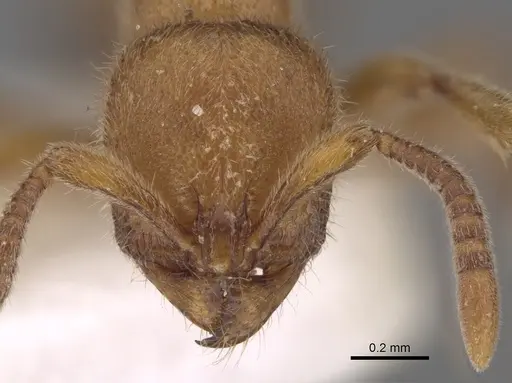
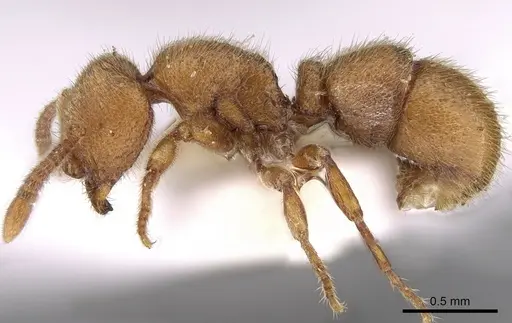
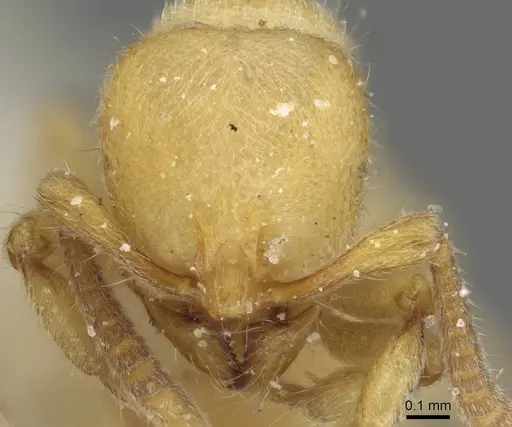
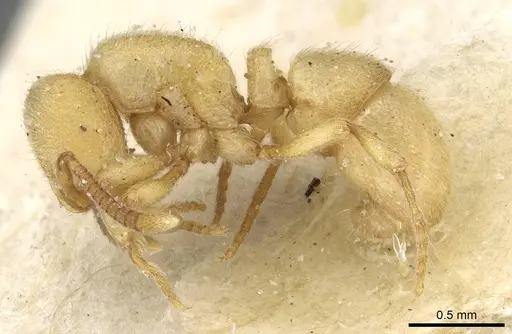
Proceratium japonicum is a small, cryptic ant species native to East Asia, found from Japan (except Hokkaido) to Taiwan and southern China [1]. Workers measure 2.84-3.32mm and have a distinctive yellow to brown coloration with slightly lighter antennae and legs [2]. They belong to the subfamily Proceratiinae, characterized by their reduced clypeus and unusual morphology. Unlike many common ants, these are secretive ground-dwellers that nest in deadwood within evergreen broad-leaved forests [1]. The colony size remains modest, typically reaching over 150 workers [1]. What makes this species particularly unusual is that queens have been observed practicing larval hemolymph feeding, literally biting larvae and drinking their hemolymph, a behavior sometimes called 'vampirism' in ants [3].
Quick Summary
- Difficulty: Medium
- Origin & Habitat: Japan (except Hokkaido), Taiwan, and southern China. Nests are found in deadwood within evergreen broad-leaved forests [1][4]. This is a stenochoric species, meaning it has very specific habitat requirements and is only found in particular forest types [5].
- Colony Type: Monogyne, single-queen colonies have been documented in the Ryukyu Islands [5]. Colonies can reach over 150 workers [1].
- Colony: Monogyne
- Size & Growth:
- Queen: 3.48-3.75mm [2]
- Worker: 2.84-3.32mm [1]
- Colony: Over 150 workers [1]
- Growth: Slow, Proceratium species are known for slow colony development
- Development: Estimated 8-12 weeks based on related Proceratium species, direct data unavailable for this species (Colony growth is typically slow, with founding colonies taking many months to produce their first workers. Larval development may be extended due to their specialized predatory lifestyle.)
- Antkeeping:
- Temperature: Keep at room temperature, roughly 20-25°C. No specific studies on this species' thermal requirements exist, but related Proceratium species prefer moderate temperatures. A gentle gradient allowing workers to self-regulate is ideal.
- Humidity: High humidity is essential, these ants live in damp forest floor environments. Keep nest substrate consistently moist but not waterlogged. Evergreen forest habitats indicate they need stable moisture conditions.
- Diapause: Unknown, no specific studies on overwintering requirements. Given the Japanese distribution (except Hokkaido), a mild winter rest period may be beneficial but is not confirmed.
- Nesting: Natural nesting occurs in deadwood [1]. In captivity, well-humidified setups like plaster nests, Y-tong nests, or naturalistic setups with damp substrate work best. Avoid dry environments entirely.
- Behavior: These are secretive, slow-moving ants that are not aggressive. Workers forage individually on the forest floor, typically hunting for small prey rather than scavenging. They are not escape artists due to their moderate size, but excellent escape prevention is still recommended. Their cryptic lifestyle means they spend most of time hidden within their nest galleries. The larval hemolymph feeding behavior observed in related species suggests queens may occasionally feed on larval hemolymph during founding [3].
- Common Issues: slow colony growth can frustrate keepers expecting rapid development, high humidity requirements mean mold can be a problem if ventilation is poor, wild-caught colonies may have parasites that are difficult to detect, their cryptic nature means you won't see much activity, this is normal, not a problem, specialized diet requirements may make them harder to feed than typical ants
Housing and Nest Preferences
Proceratium japonicum naturally nests in deadwood within evergreen broad-leaved forests [1]. In captivity, you should replicate these damp, dark conditions. A Y-tong (AAC) nest or plaster nest works well because they hold humidity consistently. Naturalistic setups with damp soil and pieces of rotting wood can also work, though they make observation more difficult. The key is maintaining high humidity without letting the nest become waterlogged. These ants are not climbers and will stay within their nest chambers, so you don't need elaborate outworld setups. A simple test tube setup with a water reservoir can work if you keep the entire setup in a humid enclosure, but plaster or Y-tong nests are preferable for long-term housing.
Feeding and Diet
Proceratium japonicum is a specialized predator. In the wild, they likely hunt small arthropods and their eggs. Related Proceratium species are known to be predators of spider eggs and other small arthropod prey [6]. In captivity, you should offer small live prey such as springtails, fruit flies, and other tiny insects. Frozen fruit flies or small mealworm pieces may be accepted but live prey is preferred. Sugar sources are unlikely to be accepted, these are strict carnivores. Some keepers report success with very small pieces of raw meat or insect parts. Feed sparingly and remove uneaten prey to prevent mold. The unusual larval hemolymph feeding behavior seen in related species (queens biting larvae to drink hemolymph) [3] suggests they have a unique relationship with their brood, but this should not be relied upon in captivity.
Temperature and Seasonal Care
No specific temperature studies exist for Proceratium japonicum, but their distribution across Japan (except cold Hokkaido) and Taiwan suggests they prefer moderate temperatures. Aim for roughly 20-25°C as a starting point. Room temperature in most homes (around 20-22°C) should be suitable. Avoid temperature extremes, they come from stable forest floor environments. If your room is cooler, a heating cable on one side of the nest can create a gentle gradient. Place heating on top of the nest, not underneath, to avoid drying out the substrate. Regarding diapause, their range includes areas with cold winters, so a mild hibernation period (around 10-15°C for 2-3 months) may be beneficial, but this is not confirmed by research. [1]
Behavior and Colony Dynamics
This is a secretive, slow-moving species that does not form large colonies. Maximum colony size is around 150 workers [1], which is modest compared to many common ant species. Workers forage individually rather than in groups, hunting small prey on the forest floor. They are not aggressive and do not have a functional sting. Their cryptic nature means you will see less activity than with typical ants, this is normal behavior, not a sign of problems. Colonies grow slowly, so patience is essential. The monogyne (single queen) colony structure is confirmed [5], meaning you should only keep one queen per colony. Queens may exhibit larval hemolymph feeding behavior during founding [3], which is unusual among ants and something to observe for rather than worry about.
Frequently Asked Questions
How long does it take for Proceratium japonicum to produce first workers?
Direct data is not available for this species, but based on related Proceratium species, expect 8-12 months from founding to first workers. These are slow-growing ants by nature.
Can I keep multiple Proceratium japonicum queens together?
No. This species is monogyne, meaning colonies have a single queen [5]. Multiple unrelated queens will fight. Only introduce a single queen when starting a colony.
What do Proceratium japonicum ants eat?
They are specialized predators. Feed small live prey such as springtails, fruit flies, and tiny insects. They are unlikely to accept sugar water or fruits. Raw meat or insect pieces may be accepted.
Do Proceratium japonicum ants sting?
They do not have a functional sting and are not dangerous to humans. They are completely harmless.
Are Proceratium japonicum good for beginners?
They are considered medium difficulty. Their slow growth and specific humidity requirements make them more challenging than common species like Lasius, but they are not as difficult as some specialized predators.
What size colony do Proceratium japonicum colonies reach?
Maximum around 150 workers [1]. This is a modest colony size compared to many ant species.
Do Proceratium japonicum need hibernation?
It is unclear. Their range includes areas with cold winters, so a mild winter rest at 10-15°C for 2-3 months may be beneficial, but this has not been specifically studied for this species.
Why is my Proceratium japonicum colony not growing?
Slow growth is normal for this species. Proceratium colonies naturally develop slowly. Ensure high humidity, appropriate temperature (20-25°C), and offer suitable live prey. If workers are dying, check for mold or improper humidity.
References

This caresheet is licensed under CC BY-SA 4.0 .
CASENT0281854
View on AntWeb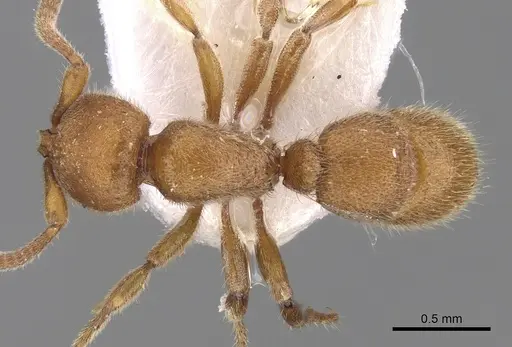
CASENT0915312
View on AntWeb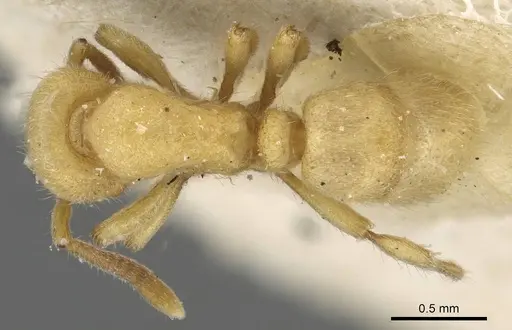
Literature
Loading...Loading products...