

Proceratium cavinodus
- Scientific Name
- Proceratium cavinodus
- Tribe
- Proceratiini
- Subfamily
- Proceratiinae
- Author
- de Andrade, 2003
- Distribution
- Found in 1 countries
Proceratium cavinodus Overview
Proceratium cavinodus is an ant species of the genus Proceratium. It is primarily documented in 1 countries , including Australia. Detailed taxonomic data and occurrence records can be further explored via authoritative databases such as AntWeb or the Global Biodiversity Information Facility (GBIF).
Proceratium cavinodus
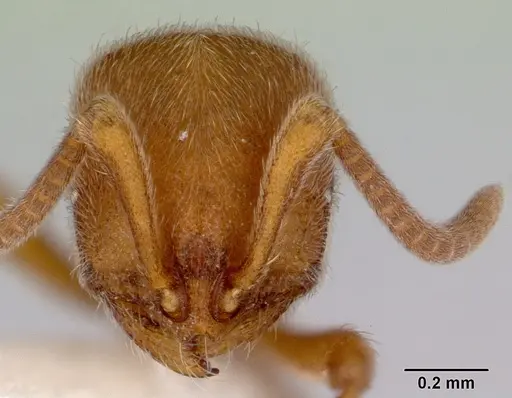
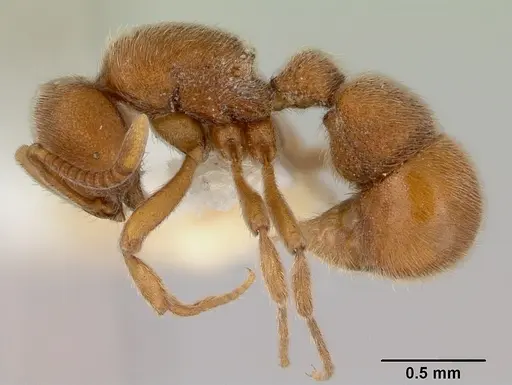
Proceratium cavinodus is a tiny, cryptic ant species native to the Northern Territory of Australia. Workers measure just 3.29mm, making it the smallest species in the stictum clade, notably smaller than its relatives which all measure 3.5mm or larger [1]. The species has a light brown coloration and distinctive morphology including a uniquely concave postpetiole (the node between the waist segments) that gives it the species name 'cavinodus' (Latin for 'concave node') [1]. These ants have unusually reduced eyes with only a single convex lens facet, suggesting they live in dark microhabitats and rely less on vision than many ants [1].
Nothing is known about the biology of this species in the wild. Proceratium ants are typically cryptic, living in hidden microhabitats like soil cavities, rotting wood, or under stones. The genus is known for being slow-growing and secretive, with colonies typically remaining small. Based on related Proceratium species, these ants are likely predatory on small invertebrates and would be considered a specialist species best suited for experienced antkeepers who enjoy observing unusual behaviors.
Quick Summary
- Difficulty: Expert
- Origin & Habitat: Northern Territory, Australia, specifically collected near Tor Rock in an outcrop area [1]. The exact habitat type is unconfirmed, but Proceratium species typically inhabit cryptic microhabitats like soil, rotting wood, or under stones in forested areas.
- Colony Type: Colony structure is unconfirmed. Based on genus patterns, likely single-queen (monogyne) colonies with small worker populations.
- Size & Growth:
- Queen: Unconfirmed, no queen has been described in scientific literature
- Worker: 3.29mm total length [1]
- Colony: Likely small, Proceratium colonies typically remain under 100 workers
- Growth: Likely slow, Proceratium species are known for slow development
- Development: Unknown, no direct observations exist. Based on typical Proceratium patterns and small colony sizes, estimate 3-6 months at optimal temperature. (Development is likely very slow compared to common ant species. Be patient with this species.)
- Antkeeping:
- Temperature: Aim for 24-28°C, this species comes from tropical northern Australia so warmth is important. A gentle heat gradient allows workers to regulate their temperature.
- Humidity: Keep substrate moderately moist but not waterlogged. Proceratium species prefer stable microhabitats with consistent moisture. Provide a water tube for drinking access.
- Diapause: Unconfirmed, northern Australia has mild winters, so diapause may not be required. If kept in a temperate climate, a cool period of 2-3 months at 15-18°C may be beneficial during winter months.
- Nesting: Use a naturalistic setup with moist substrate (soil or sand mixture) that allows them to create small chambers. A Y-tong or acrylic nest with tight chambers scaled to their tiny size also works well. Provide darkness and minimal disturbance.
- Behavior: Proceratium cavinodus is likely secretive and slow-moving. Workers probably forage individually rather than in groups. Their tiny size (3.29mm) and reduced eyes suggest they are adapted for life in dark microhabitats. Escape prevention is critical due to their small size, use fine mesh and tight-fitting barriers. They are likely non-aggressive and would retreat from threats rather than attack.
- Common Issues: no biological data exists, all care recommendations are genus-level estimates, slow growth may cause keepers to lose patience or overfeed, tiny size makes escape prevention challenging, wild-caught colonies may have parasites or health issues, they may refuse food if conditions aren't optimal, this is a specialist species
Appearance and Identification
Proceratium cavinodus workers are tiny at just 3.29mm total length, making them the smallest species in the stictum clade [1]. They are light brown in color [1]. The most distinctive feature is the postpetiole (the second waist segment) which is concave in the center but slightly raised on the sides, this unique shape gives the species its name 'cavinodus' meaning 'concave node' [1]. They have unusually reduced eyes with only a single convex lens facet, placed below the midline of the head [1]. The head is longer than broad with subparallel sides, and the mandibles have 3-4 small denticles before the apical tooth [1]. These morphological features suggest adaptation to dark, cryptic microhabitats.
Distribution and Habitat
This species is known only from the Northern Territory of Australia, specifically collected near Tor Rock at approximately 11.59°S,133.05°E [1]. The type specimen was collected from an 'outcrop area' in June 1973 [1]. Nothing is known about their natural nesting habitat, but Proceratium species in general typically nest in cryptic locations such as soil cavities, under stones, or in rotting wood. The northern Australian location suggests they prefer warm, possibly seasonal tropical or subtropical conditions.
Feeding and Diet
The diet of Proceratium cavinodus has not been documented. However, Proceratium species are typically predatory on small invertebrates like springtails, mites, and other micro-arthropods found in soil and leaf litter. In captivity, you should offer small live prey such as springtails, fruit flies, and other tiny insects. Sugar sources may be accepted but are not a primary food source for this genus. Start with live prey and observe acceptance. Feed small amounts 2-3 times per week, removing uneaten prey after 24 hours.
Temperature and Care
Since this species comes from tropical northern Australia, aim for temperatures in the 24-28°C range. Use a heating cable on one side of the nest to create a gentle gradient, allowing workers to choose their preferred temperature. Proceratium species prefer stable conditions rather than temperature fluctuations. Keep humidity moderate, the substrate should feel damp but not waterlogged. Provide a water tube or small water source for drinking. Avoid placing the nest in direct sunlight or in areas with drafts.
Nesting Preferences
Proceratium cavinodus has never been documented in the wild, so we must infer nesting preferences from genus patterns. These ants likely prefer dark, humid microhabitats with small chambers. In captivity, use a naturalistic setup with moist substrate (a soil and sand mixture works well) or a Y-tong/plaster nest with tight chambers scaled to their tiny 3.29mm size. Avoid tall, open spaces, they prefer cramped, enclosed areas. Provide darkness and minimize disturbance, especially in the early stages of colony establishment.
Behavior and Temperament
Nothing specific is known about the behavior of Proceratium cavinodus, but Proceratium species in general are secretive, slow-moving, and non-aggressive. Workers likely forage individually rather than in groups. Their reduced eyes suggest they rely more on chemical and tactile cues than vision. They will likely retreat from threats rather than engage in aggressive defense. Due to their tiny size, escape prevention is critical, use fine mesh (0.5mm or smaller) and ensure all connections are secure. These ants are best observed through the nest walls rather than being handled or disturbed.
Frequently Asked Questions
How long does it take for Proceratium cavinodus to produce first workers?
This is unknown as no colonies have been documented in captivity. Based on typical Proceratium patterns and their small colony size, expect 3-6 months from founding to first workers. Be patient, this is a slow-growing species.
What do Proceratium cavinodus ants eat?
Their diet is unconfirmed, but Proceratium species are typically predatory. Offer small live prey like springtails, fruit flies, and tiny insects. Sugar water may be accepted occasionally but should not be the primary food source.
Are Proceratium cavinodus good for beginners?
No. This is an expert-level species because almost no biological data exists, all care recommendations are genus-level estimates. They are slow-growing, tiny, and require specific conditions that are not well-documented. Beginners should start with species like Lasius niger, Camponotus, or Myrmica that have well-established care protocols.
Do Proceratium cavinodus ants sting?
Proceratium species have stingers but are not known for aggressive stinging behavior. Given their tiny size (3.29mm), their sting would likely be imperceptible to humans. They are non-aggressive and will likely flee from threats.
What temperature should I keep Proceratium cavinodus at?
Aim for 24-28°C based on their Australian tropical origin. Use a gentle heat gradient so workers can regulate their own temperature. Avoid temperatures below 20°C or above 32°C.
How big do Proceratium cavinodus colonies get?
Colony size is unconfirmed, but Proceratium species typically have small colonies, likely under 100 workers. They are not a fast-spreading species and prefer to remain cryptic.
Can I keep multiple queens together?
This has not been documented for this species. Based on typical Proceratium patterns, single-queen colonies are likely. Do not attempt to combine unrelated queens without documented evidence that they will tolerate each other.
Do Proceratium cavinodus need hibernation?
Unconfirmed. Northern Australia has mild winters, so a true diapause may not be required. If you live in a temperate climate, a cool period of 2-3 months at 15-18°C during winter may be beneficial, but this is not definitively required.
What size escape prevention do I need?
Critical, these ants are tiny at 3.29mm and can squeeze through extremely small gaps. Use fine mesh (0.5mm or smaller), seal all connections with fluon or other barriers, and check enclosures regularly. Even tiny gaps in tubing or lids can allow escapes.
When should I move them to a formicarium?
Wait until the colony has at least 20-30 workers and is actively foraging. Proceratium species prefer stability, so avoid moving them unnecessarily. A naturalistic setup with test tubes connected to a foraging area often works well for small colonies.
References

This caresheet is licensed under CC BY-SA 4.0 .
CASENT0172098
View on AntWeb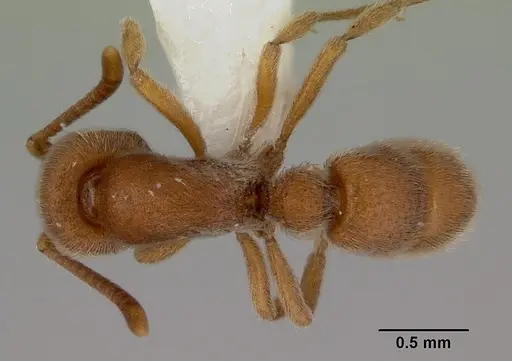
Literature
Loading...Loading products...