

Proceratium catio
- Scientific Name
- Proceratium catio
- Tribe
- Proceratiini
- Subfamily
- Proceratiinae
- Author
- de Andrade, 2003
- Distribution
- Found in 0 countries
Proceratium catio Overview
Proceratium catio is an ant species of the genus Proceratium. It is primarily documented in 0 countries . Detailed taxonomic data and occurrence records can be further explored via authoritative databases such as AntWeb or the Global Biodiversity Information Facility (GBIF).
Proceratium catio
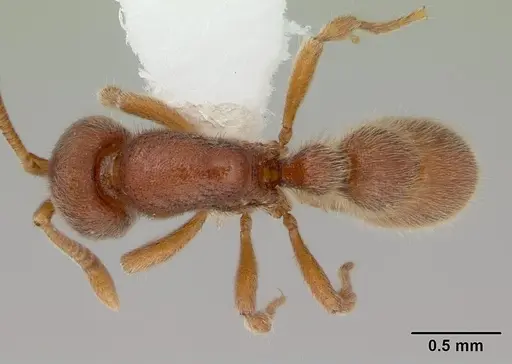
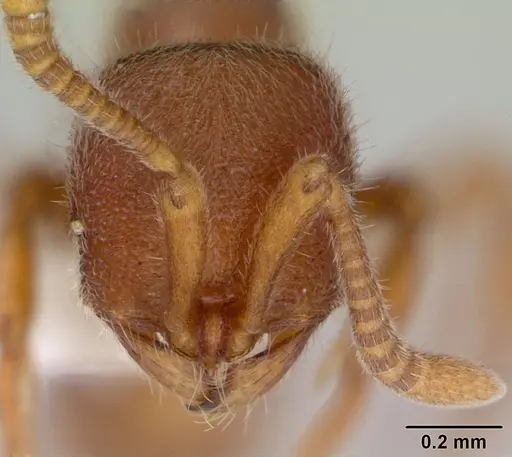
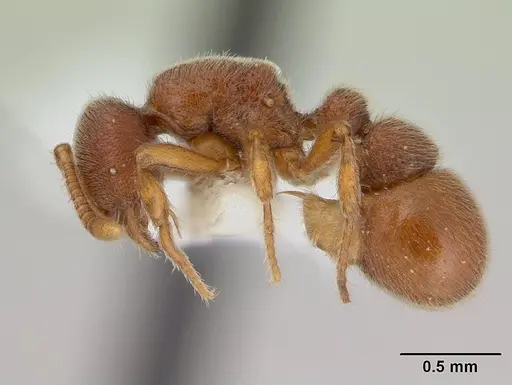
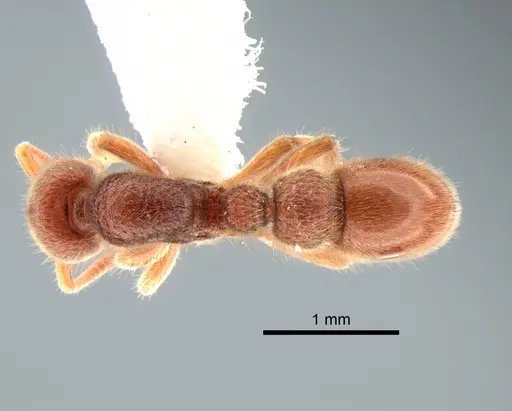
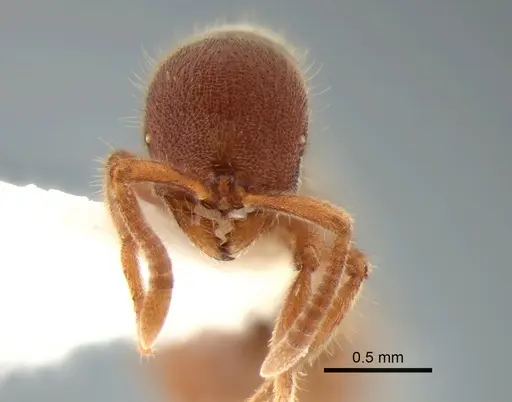
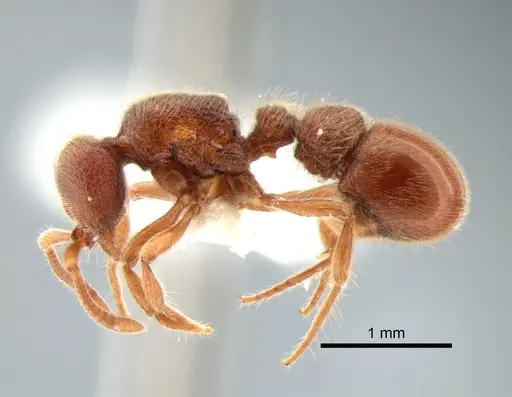
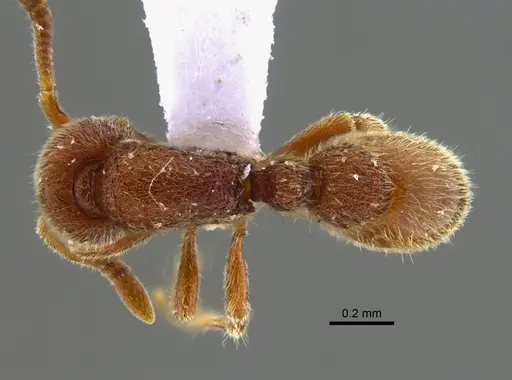
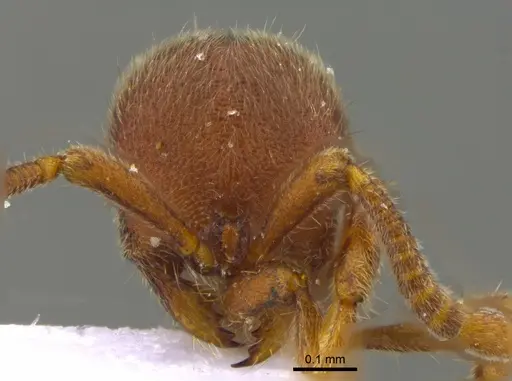
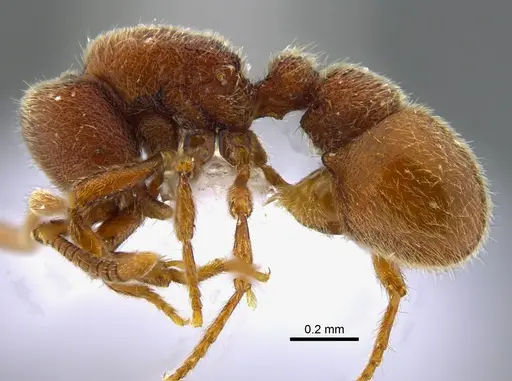
Proceratium catio is a small, cryptic ant species native to the Neotropical rainforests of Colombia, Ecuador, and Venezuela. Workers measure just 3.38mm and have a distinctive dark ferrugineous (rusty brown) coloration with slightly lighter antennae and legs. Their most notable morphological features are a petiole that is one-fifth longer than broad and a convex gaster. These ants belong to the micrommatum group and are the sister species to Proceratium brasiliense. In the wild, they live in the leaf litter layer of tropical rainforests, making them a challenging but rewarding species for experienced antkeepers who can replicate their humid, forest-floor environment.
Quick Summary
- Difficulty: Expert
- Origin & Habitat: Tropical rainforest leaf litter in Colombia, Ecuador, and Venezuela (1700m elevation in Colombia) [1][2]. Found in departments including Antioquia, Cauca, Risaralda, Santander, and Valle del Cauca [2][3].
- Colony Type: Colony structure is unconfirmed. Proceratium colonies are typically small, with wild colonies likely containing dozens to a few hundred workers.
- Size & Growth:
- Queen: 3.40-4.03mm [4]
- Worker: 3.38mm [4]
- Colony: Likely under 500 workers based on typical Proceratium colony sizes
- Growth: Slow, Proceratium species develop slowly and have small colonies
- Development: Estimated 8-12 weeks based on typical Proceratium genus patterns (Development time is estimated, no specific study exists for this species. Proceratium are known for slow development compared to many other ants.)
- Antkeeping:
- Temperature: Keep around 22-26°C. These are tropical rainforest ants that need warm, stable conditions. A heating cable on one side of the nest creates a gentle gradient.
- Humidity: High humidity is essential, think damp forest floor. Keep the nest substrate consistently moist but not waterlogged. Provide a water tube but ensure the cotton doesn't flood. Mist the outworld occasionally.
- Diapause: No, as a tropical species, they do not require hibernation. Keep temperatures stable year-round.
- Nesting: These tiny leaf-litter ants need a naturalistic setup with moist substrate. A Y-tong (AAC) nest with tight chambers works well, or a naturalistic setup with soil and leaf litter. They prefer tight, enclosed spaces scaled to their 3mm size.
- Behavior: Proceratium cats are cryptic, slow-moving ants that spend most of their time in the leaf litter layer. They are not aggressive and will avoid confrontation. Workers are small at 3.38mm, so escape prevention is critical, they can squeeze through tiny gaps. They are likely predatory on small invertebrates like springtails or spider eggs, following the Proceratium genus pattern. Activity level is low, they are not prolific foragers.
- Common Issues: escape prevention is critical due to their tiny 3mm size, use fine mesh and tight-fitting lids, slow growth tests patience, colonies take months to establish and years to grow large, high humidity requirements can lead to mold if ventilation is poor, wild-caught colonies may have parasites that kill them in captivity, difficulty finding appropriate live prey, they need tiny invertebrates like springtails
Nest Preferences and Housing
Proceratium catio is a leaf-litter dwelling species that naturally nests in the damp, decomposing material on the forest floor. In captivity, they need a setup that mimics this microhabitat. A Y-tong (AAC) formicarium with tight chambers scaled to their tiny 3mm size works well, or you can use a naturalistic setup with moist soil and leaf litter. The key is providing consistently damp substrate without flooding. These ants are not climbers and prefer to stay at ground level. Because they are so small, even minor gaps in your setup can lead to escapes, inspect all connections and use fine mesh on any ventilation holes. [2]
Feeding and Diet
Proceratium species are specialized predators that primarily hunt small arthropods in the leaf litter. While specific diet data for P. catio is lacking, the genus is known to prey on springtails, tiny mites, and spider eggs. In captivity, offer small live prey like springtails, micro-arthropods, and fruit fly larvae. They are unlikely to accept sugar water or honey, these are not typical Proceratium food sources. Feed small prey items every 3-5 days, removing any uneaten prey after 24 hours. A constant clean water source is essential.
Temperature and Humidity
As a tropical rainforest species from Colombia and Venezuela, Proceratium catio needs warm, humid conditions. Keep temperatures in the 22-26°C range, stable warmth is more important than exact precision. A small heating cable on one side of the nest can create a gentle gradient if your room temperature runs cooler. Humidity is critical: aim for consistently moist substrate that feels damp but doesn't have standing water. The outworld can be slightly drier, but the nest chamber should stay humid. Poor ventilation leads to mold, but excessive airflow dries them out, balance is key. [1]
Behavior and Colony Life
Proceratium catio workers are slow-moving and cryptic, spending much of their time hidden in the leaf litter layer. They are not aggressive and will retreat from threats rather than engage. Colonies are small, even mature wild colonies likely contain only a few hundred workers. Queens are only slightly larger than workers at 3.4-4mm, and the species shows minimal size dimorphism. Workers forage individually rather than in groups, hunting small prey in the substrate. This is not a species for observers who want active, visible colonies, they are best appreciated for their unusual morphology and cryptic lifestyle. [4][1]
Growth and Development
Proceratium ants are known for slow development compared to many other ant species. While no specific study exists for P. catio, the genus pattern suggests 8-12 weeks from egg to first worker at optimal temperature. First workers (nanitics) will be smaller than mature workers. Growth is gradual, expect months before you see significant colony growth, and years to reach a few hundred workers. This slow pace makes them a species for patient keepers who enjoy watching gradual development rather than rapid expansion.
Frequently Asked Questions
How long does it take for Proceratium catio to produce first workers?
Estimated 8-12 weeks from egg to worker based on typical Proceratium genus patterns. No specific study exists for this species, so development time is an educated estimate.
Can I keep Proceratium catio in a test tube setup?
Test tubes can work for founding colonies, but these ants need high humidity that can be difficult to maintain long-term. A Y-tong nest with a water reservoir or naturalistic setup with moist substrate is more suitable for established colonies.
What do Proceratium catio ants eat?
They are likely predatory on small invertebrates like springtails, micro-mites, and similar leaf-litter prey. Do not expect them to accept sugar water or honey, these are not typical Proceratium food sources.
Are Proceratium catio ants aggressive?
No, they are cryptic and non-aggressive. Workers are small and slow-moving, preferring to avoid confrontation rather than engage.
Do Proceratium catio ants need hibernation?
No, as a tropical species from Colombia and Venezuela, they do not require hibernation. Keep temperatures stable year-round in the 22-26°C range.
How big do Proceratium catio colonies get?
Likely under 500 workers based on typical Proceratium colony sizes. These are small colonies even at maturity.
Are Proceratium catio good for beginners?
No, this is an expert-level species. Their small size, high humidity requirements, need for live prey, slow growth, and cryptic behavior make them challenging even for experienced antkeepers.
Why are my Proceratium catio dying?
Common causes include: wrong humidity (too dry or too wet), temperatures outside their 22-26°C range, lack of appropriate live prey, escapes due to inadequate barrier setup, or parasites from wild-caught colonies.
When should I move Proceratium catio to a formicarium?
Wait until the colony has at least 20-30 workers and is actively foraging. They prefer tight spaces, so a Y-tong with small chambers or a naturalistic setup works better than large open spaces.
Do Proceratium catio ants sting?
Proceratium ants have a stinger but are too small and non-aggressive to pose any threat to humans. Their sting is not medically significant.
References

This caresheet is licensed under CC BY-SA 4.0 .
Literature
Loading...Loading products...