

Proceratium brasiliense
- Scientific Name
- Proceratium brasiliense
- Tribe
- Proceratiini
- Subfamily
- Proceratiinae
- Author
- Borgmeier, 1959
- Distribution
- Found in 2 countries
Proceratium brasiliense Overview
Proceratium brasiliense is an ant species of the genus Proceratium. It is primarily documented in 2 countries , including Brazil, Colombia. Detailed taxonomic data and occurrence records can be further explored via authoritative databases such as AntWeb or the Global Biodiversity Information Facility (GBIF).
Proceratium brasiliense
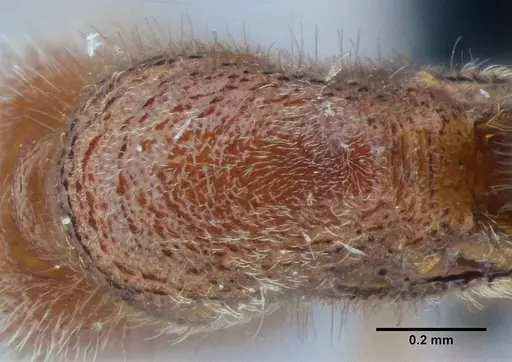
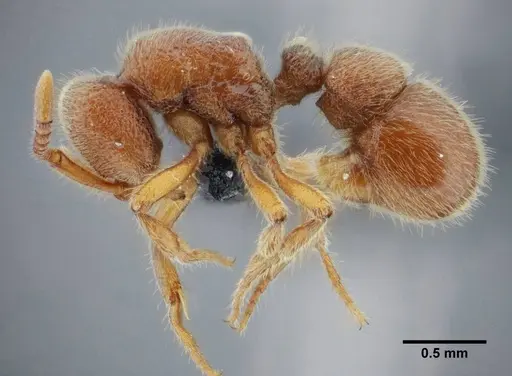
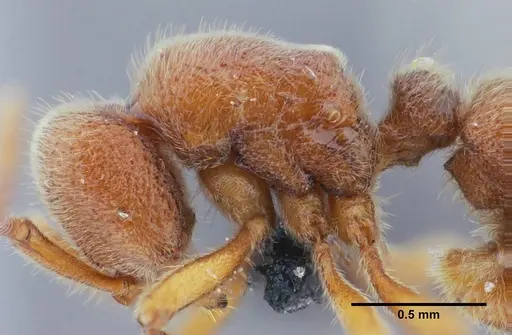
Proceratium brasiliense is a small, cryptic ant species native to the Brazilian Atlantic Forest and surrounding regions. Workers measure 3.4-3.9mm and queens reach 3.7-4.2mm, with a distinctive granulate sculpture on the head, mesosoma, petiole, and postpetiole. The gaster is smoother with only limited sculpture on the posterior portion. These ants are part of the micrommatum clade and are sister species to Proceratium catio. They are subterranean dwellers, living in soil and leaf litter, making them one of the harder-to-find ants in the Neotropics [1][2]. Unlike many ants, they are specialist predators that hunt small prey in the cryptic microhabitats of the forest floor [3].
Quick Summary
- Difficulty: Expert
- Origin & Habitat: Brazil (Bahia, Minas Gerais, Rio de Janeiro, São Paulo, Santa Catarina) and Colombia. Found in Atlantic Forest remnants, living in soil and leaf litter at elevations from near sea level to 500m [2][4][5].
- Colony Type: Colony structure is unconfirmed. This species appears to be rare in the wild, found in only 0.2% of soil samples [6]. Alate queens have been collected during mating flights in March, June, and October, suggesting seasonal reproduction [2].
- Size & Growth:
- Queen: 3.7-4.2 mm [1]
- Worker: 3.4-3.9 mm [1]
- Colony: Unknown, likely small colonies based on rarity and cryptic lifestyle [6]
- Growth: Unknown, no captive breeding data available
- Development: Unknown, no development data exists for this species. Based on typical Proceratium patterns and tropical location, estimate 6-10 weeks at warm temperatures, but this is a rough guess. (No captive colony development has been documented. Estimates based on genus-level patterns only.)
- Antkeeping:
- Temperature: Keep around 24-28°C. This species comes from tropical Atlantic Forest regions where temperatures are warm year-round. A gentle heat gradient allows ants to regulate their temperature [2].
- Humidity: High humidity required, these ants live in soil and leaf litter in humid forest environments. Keep the nest substrate consistently moist but not waterlogged. Provide a humid outworld as well.
- Diapause: Unknown, tropical species may not require a true diapause, but may slow down during cooler periods.
- Nesting: Y-tong or plaster nests work well for these small cryptic ants. They prefer tight chambers and narrow passages. A naturalistic setup with moist soil/litter in a shallow container can also work. Avoid dry conditions entirely.
- Behavior: Very cryptic and secretive. These ants are specialist predators that hunt small arthropods in the soil and litter layer. They are not aggressive and will avoid confrontation. Workers are slow-moving and spend most of their time underground. Escape risk is moderate, their small size means they can slip through small gaps, but they are not strong climbers. They do not sting and pose no danger to keepers.
- Common Issues: captive care is completely uncharted, no established protocols exist for keeping this species, extreme difficulty in establishing wild-caught colonies, they are rarely found and sensitive to disturbance, slow growth and small colony sizes mean colonies are fragile, humidity must be carefully maintained, dry conditions quickly kill these forest-floor ants, mating flights occur at specific times, timing is critical for catching queens
Natural History and Distribution
Proceratium brasiliense is known from the Brazilian Atlantic Forest region, with records from Bahia, Minas Gerais, Rio de Janeiro, São Paulo, and Santa Catarina, as well as Colombia in the states of Caldas, Quindío, and Valle del Cauca [2][4]. They are found at low to mid elevations, typically below 500m. This is a rare species, in one study, they appeared in only 0.2% of soil samples, ranking 59th in abundance [6]. They are strictly subterranean or litter-dwelling, collected using specialized extraction methods rather than standard ant collecting techniques [5]. The species was originally described in 1959 by Borgmeier from Santa Catarina and São Paulo, with the queen first described in 2003 by Baroni Urbani and de Andrade [1].
Identification and Distinguishing Features
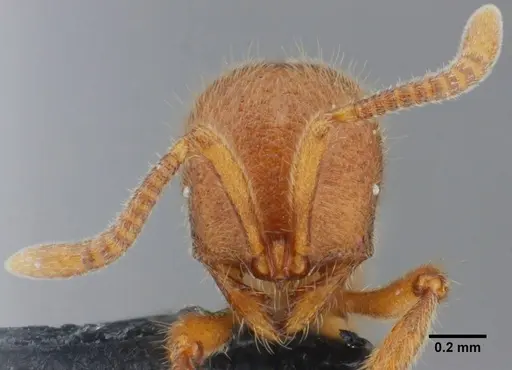
Workers of P. brasiliense can be identified by several key features: the petiole is slightly longer than broad (1/8 longer), the postpetiole is longer than half of the first gastral tergite, and the gaster is less convex than related species. The head, mesosoma, petiole, and postpetiole have distinctive granulate sculpture, while the dorsal surface of the first gastral tergite is smoother with only minute piligerous punctures [1]. The color ranges from light to dark ferrugineous (rusty brown), with antennae and legs being lighter [1]. This species belongs to the micrommatum clade and is sister to Proceratium catio, from which it differs in the petiole proportions and postpetiole shape [2].
Reproduction and Nuptial Flights
Alate (winged) queens have been collected during mating flights in Ilhéus, Brazil at specific times: June 2,1994 at 8:00,March 19,1995 at 7:00,January 30,1996,and October 23,2002 [2]. This suggests the species has seasonal mating flights, primarily in the warmer months. The timing indicates these ants likely conduct nuptial flights during the wet, warm season typical of the Brazilian Atlantic coast. Males have been studied through morphological examination of alate females, confirming the generic characters for Proceratium males [7].
Feeding and Diet
Proceratium ants are specialist predators. Based on guild classification, P. brasiliense falls into the 'specialist predators living in litter and soil' category [3]. They hunt small arthropods and other invertebrates in the soil and leaf litter layer. In captivity, you should offer small live prey appropriate to their size, small fruit flies, pinhead crickets, booklice, or other tiny arthropods. Given their cryptic nature and small size, they likely prefer very small prey items. Sugar sources are not typically accepted by this genus, as they are obligate predators. Feed small prey items every few days, adjusting based on consumption.
Housing and Nesting
These are subterranean ants that require high humidity and dark conditions. Y-tong (acrylic) nests or plaster nests work well, as they hold humidity well. The chambers should be appropriately sized for their small worker size (3.4-3.9mm). A naturalistic setup with moist soil or leaf litter in a shallow container can also simulate their natural environment. Keep the nest area dark and quiet, these ants are sensitive to vibration and light. The outworld should also be humid, and you can provide a moisture gradient by keeping one end of the nest slightly moister than the other.
Challenges and Why This Species Is Expert-Only
Proceratium brasiliense is not a species for beginners. There is no established captive care protocol, everything must be inferred from genus knowledge and related species. They are extremely rare in the wild and difficult to find. When you do locate a colony, they are highly sensitive to disturbance and humidity changes. Their small size and cryptic lifestyle mean they are fragile. Growth is likely slow, and colonies stay small. If you manage to find a queen, establishing a colony requires patience and careful attention to humidity, temperature, and appropriate small prey. Most antkeepers should start with species that have established care protocols before attempting Proceratium. [6][5]
Frequently Asked Questions
Can I keep Proceratium brasiliense in a test tube?
A test tube setup can work for founding colonies if kept humid, but these ants need more humidity than standard test tube setups provide. A Y-tong or plaster nest with better humidity control is preferable for established colonies.
How long does it take for first workers to appear?
The egg-to-worker timeline is completely unconfirmed for this species. Based on typical Proceratium patterns and their tropical origin, expect 6-10 weeks at optimal warm temperatures, but this is a rough estimate.
Are Proceratium brasiliense good for beginners?
No. This is an expert-only species. There is no established captive care protocol, they are extremely rare to find, and they require very specific humidity and temperature conditions that make them challenging even for experienced keepers.
Do Proceratium brasiliense ants sting?
They do not sting and pose no danger to keepers. They are completely harmless.
What do Proceratium brasiliense eat?
They are specialist predators that hunt small invertebrates in soil and leaf litter. In captivity, offer small live prey like fruit flies, tiny crickets, booklice, or other small arthropods. They are unlikely to accept sugar sources.
Where can I find Proceratium brasiliense in the wild?
They are found in Brazilian Atlantic Forest regions (Bahia, Minas Gerais, Rio de Janeiro, São Paulo, Santa Catarina) and Colombia. They live in soil and leaf litter and are collected using specialized subterranean extraction methods. They are very rare, appearing in only 0.2% of soil samples.
Can I keep multiple queens together?
The colony structure is unconfirmed. There is no data on whether they are monogyne (single queen) or polygyne (multiple queens). Combining unrelated queens is not recommended due to lack of documentation.
Do they need hibernation?
As a tropical species from the Brazilian Atlantic Forest, they likely do not require a true diapause. However, they may slow down during cooler periods. Maintain warm temperatures year-round.
How big do colonies get?
Colony size is unknown but likely small based on their rarity in samples. Cryptic subterranean ants typically have smaller colonies than surface-nesting species.
Why are they so difficult to keep?
There is no captive care information for this species, they are extremely rare to find, they require high humidity and specific conditions, and they are sensitive to disturbance. Their small size and cryptic nature make them fragile.
References

This caresheet is licensed under CC BY-SA 4.0 .
UFV-LABECOL-000053
View on AntWeb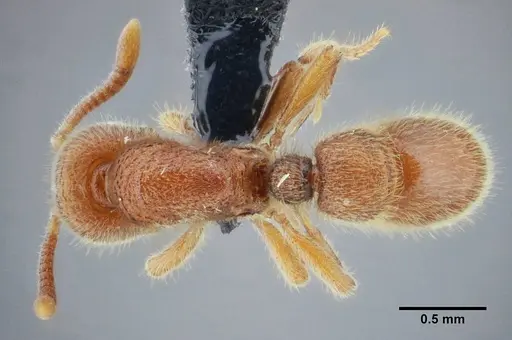
Literature
Loading...Loading products...