

Pristomyrmex rigidus
- Scientific Name
- Pristomyrmex rigidus
- Tribe
- Crematogastrini
- Subfamily
- Myrmicinae
- Author
- Wang, 2003
- Distribution
- Found in 2 countries
Pristomyrmex rigidus Overview
Pristomyrmex rigidus is an ant species of the genus Pristomyrmex. It is primarily documented in 2 countries , including Brunei Darussalam, Malaysia. Detailed taxonomic data and occurrence records can be further explored via authoritative databases such as AntWeb or the Global Biodiversity Information Facility (GBIF).
Pristomyrmex rigidus
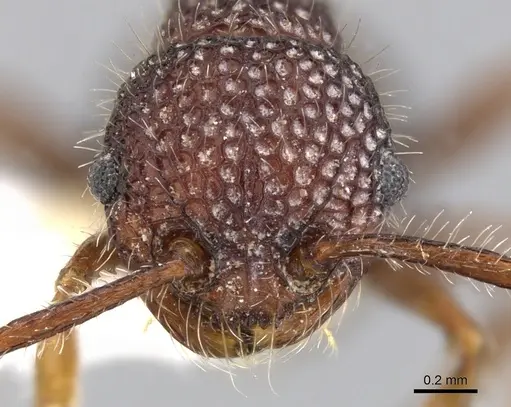
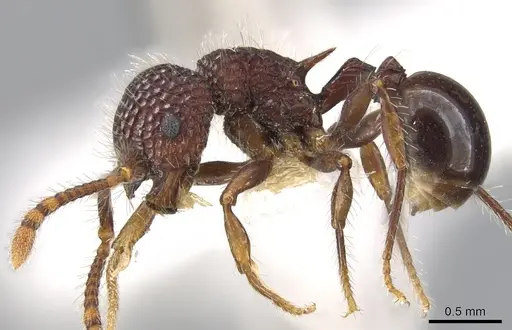
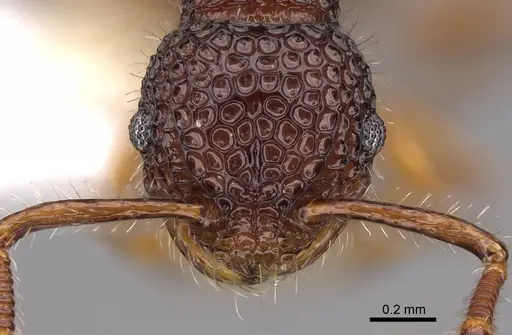
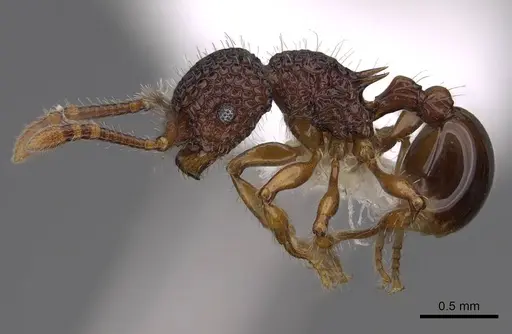
Pristomyrmex rigidus is a small to medium-sized ant native to Southeast Asian rainforests. Workers measure 2.73-3.44mm and queens reach 3.30-4.02mm, with a uniform reddish-brown coloration [1]. This species is closely related to Pristomyrmex punctatus and belongs to the Punctatus species group. They inhabit leaf litter in tropical rainforests across the Indomalaya region, including Borneo, Brunei, Indonesia, Malaysia, Thailand, and Vietnam. The species was described in 2003 by Wang, who noted that specimens from different locations show slight morphological variations, possibly representing two distinct species. Males have never been collected, suggesting their reproductive biology remains poorly understood.
Quick Summary
- Difficulty: Medium
- Origin & Habitat: Tropical rainforest of Southeast Asia (Borneo, Brunei, Indonesia, Malaysia, Thailand, Vietnam). Found in leaf litter through Winkler extraction and pitfall trapping in primary and secondary forest habitats [2][3][4].
- Colony Type: Colony structure is unconfirmed. No data exists on whether they are single-queen (monogyne) or multi-queen (polygyne). Males have never been collected, indicating their nuptial flight season and reproductive behavior remain unknown.
- Size & Growth:
- Queen: 3.30-4.02mm [1]
- Worker: 2.73-3.44mm [1]
- Colony: Unknown, no colony size data available. Based on related species and typical Pristomyrmex patterns, colonies likely reach several hundred workers.
- Growth: Moderate, inferred from tropical leaf-litter ant patterns
- Development: 6-10 weeks, estimated based on typical Myrmicinae development at tropical temperatures (Development timeline is unconfirmed for this species. Tropical ants typically develop faster than temperate species, possibly 4-8 weeks at optimal warm temperatures.)
- Antkeeping:
- Temperature: Keep at 24-28°C. As a tropical rainforest species, they require warm, stable temperatures. A heating cable on one side of the nest creates a suitable gradient. Avoid temperatures below 22°C for extended periods.
- Humidity: High humidity (70-85%). Keep the nest substrate consistently moist but not waterlogged. These leaf-litter ants prefer damp conditions similar to the forest floor. Provide a water tube and mist occasionally, but monitor for condensation buildup.
- Diapause: No, as a tropical species, they do not require hibernation. Maintain warm conditions year-round. Some reduction in activity during cooler months may occur naturally.
- Nesting: Use a naturalistic setup with moist substrate (soil/peat mix) or a Y-tong/plaster nest with small chambers. Their small size and leaf-litter habitat mean they prefer tight, humid spaces. Avoid large, open formicaria. A test tube setup with damp cotton works for founding colonies.
- Behavior: These are small, active ants with somewhat aggressive foraging behavior. Stable isotope studies indicate they are predatory, feeding on small invertebrates [3][4]. They likely hunt micro-prey in the leaf litter layer. Workers have well-developed mandibles for capturing prey. Escape prevention is important due to their small size, use fine mesh barriers. They are not known to be particularly aggressive toward humans but will defend their nest.
- Common Issues: small size means escapes are likely without fine mesh barriers, tropical humidity requirements can lead to mold if ventilation is poor, predatory diet makes them harder to feed than omnivorous species, live prey is essential, limited availability in the antkeeping hobby means husbandry knowledge is limited, wild-caught colonies may have parasites that affect survival in captivity
Housing and Setup
Pristomyrmex rigidus is a leaf-litter ant that requires a setup mimicking the humid forest floor. For founding colonies, a test tube setup with a water reservoir works well, keep the cotton damp but not flooded. As the colony grows, transition to a naturalistic setup with a soil/peat mixture that holds moisture well, or a Y-tong/plaster nest with small chambers scaled to their tiny size. The nest should have tight-fitting lids and fine mesh on any ventilation holes, these small ants can squeeze through surprisingly small gaps. Provide an outworld for foraging where you can offer prey items. Keep the entire setup in a warm, humid location away from direct sunlight and drafts. [2][1]
Feeding and Diet
Stable isotope studies from Borneo show Pristomyrmex species have high δ15Ncor values (5.79-6.71), indicating a predatory diet rich in animal protein [3][4]. These ants are active hunters of small invertebrates in the leaf litter. In captivity, offer small live prey such as fruit flies, pinhead crickets, mealworms, and other tiny insects. Feed protein prey 2-3 times per week, adjusting based on colony size and consumption. Sugar sources like honey or sugar water may be accepted but are not their primary food, focus on providing varied protein prey. Remove uneaten prey after 24 hours to prevent mold.
Temperature and Humidity
As a tropical rainforest species from Southeast Asia, Pristomyrmex rigidus requires warm and humid conditions. Maintain temperatures between 24-28°C year-round. A heating cable placed on part of the nest creates a thermal gradient allowing ants to self-regulate. Humidity should remain high at 70-85%, the substrate should feel consistently damp but never waterlogged. A water tube connected to the nest helps maintain humidity. Avoid both excessive dryness (which can kill brood) and stagnant, overly wet conditions (which promotes mold). Good ventilation is essential while maintaining humidity.
Colony Development
The colony development timeline for this species is not well documented. Based on typical Myrmicinae patterns and their tropical origin, expect 6-10 weeks from egg to first worker at optimal temperatures. Queens measure 3.30-4.02mm and are chunky enough to have substantial fat reserves for claustral founding, though this is not confirmed. Workers emerge at 2.73-3.44mm and are smaller than the queen. Colony growth is likely moderate, faster than temperate species but not as rapid as some tropical specialists. Males have never been collected, suggesting their reproductive biology differs from many common ants or is simply undocumented. If your colony produces alates (reproductives), this indicates the colony is mature and well-established. [1]
Behavior and Temperament
Pristomyrmex rigidus workers are active foragers that hunt prey in the leaf litter layer. They have well-developed mandibles and are capable of delivering a bite if provoked, though they are not considered dangerous to humans. These ants are not known for aggressive swarming or stinging. In the wild, they coexist with numerous other leaf-litter ant species in complex forest-floor communities. They are not escape artists in the traditional sense (they don't climb smooth surfaces aggressively), but their small size means they can slip through tiny gaps, fine mesh barriers are essential. They prefer to stay within the nest and foraging area rather than exploring widely.
Frequently Asked Questions
How long does it take for Pristomyrmex rigidus to produce first workers?
The exact timeline is unconfirmed, but based on typical Myrmicinae development at tropical temperatures (24-28°C), expect 6-10 weeks from egg to first worker. This is an estimate as this species' development has not been directly studied.
What do Pristomyrmex rigidus ants eat?
They are predatory ants that hunt small invertebrates. Feed them small live prey like fruit flies, pinhead crickets, mealworms, and other tiny insects 2-3 times per week. Sugar sources like honey water may be accepted occasionally but protein prey is essential.
Can I keep Pristomyrmex rigidus in a test tube?
Yes, test tubes work well for founding colonies. Keep the water reservoir damp but not flooded, and use a tight-fitting cotton plug. As the colony grows to 20-30+ workers, consider transitioning to a naturalistic setup with moist substrate.
Do Pristomyrmex rigidus ants need hibernation?
No, as a tropical species from Southeast Asian rainforests, they do not require hibernation. Keep them warm year-round at 24-28°C. Some reduction in activity may occur during cooler periods but no special winter care is needed.
Are Pristomyrmex rigidus ants dangerous?
No, they are not considered dangerous. They have mandibles for biting but are not aggressive toward humans. Their small size means any bite would be minimal. They are not known to sting.
How big do Pristomyrmex rigidus colonies get?
Colony size is not well documented for this species. Based on related Pristomyrmex species, colonies likely reach several hundred workers. They are not known to form supercolonies.
What temperature and humidity do Pristomyrmex rigidus need?
Keep them at 24-28°C with humidity at 70-85%. Use a heating cable on part of the nest for warmth and maintain damp substrate. They are sensitive to both cold and dry conditions.
Is Pristomyrmex rigidus good for beginners?
This species is rated as medium difficulty. While not the hardest ant to keep, their predatory diet and humidity requirements make them better suited for keepers with some experience. Their limited availability in the hobby also means less established husbandry knowledge.
Why are my Pristomyrmex rigidus dying?
Common causes include: temperature too cold (below 22°C), humidity too low or too high (aim for damp but not waterlogged), insufficient protein prey (they need live prey regularly), mold from poor ventilation, or escapes due to inadequate barriers. Check these parameters and adjust accordingly.
References

This caresheet is licensed under CC BY-SA 4.0 .
CASENT0901707
View on AntWeb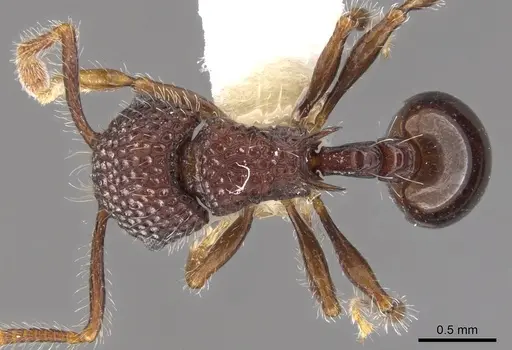
CASENT0922997
View on AntWeb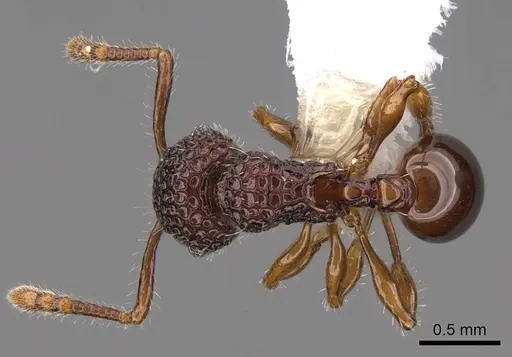
Literature
Loading...Loading products...