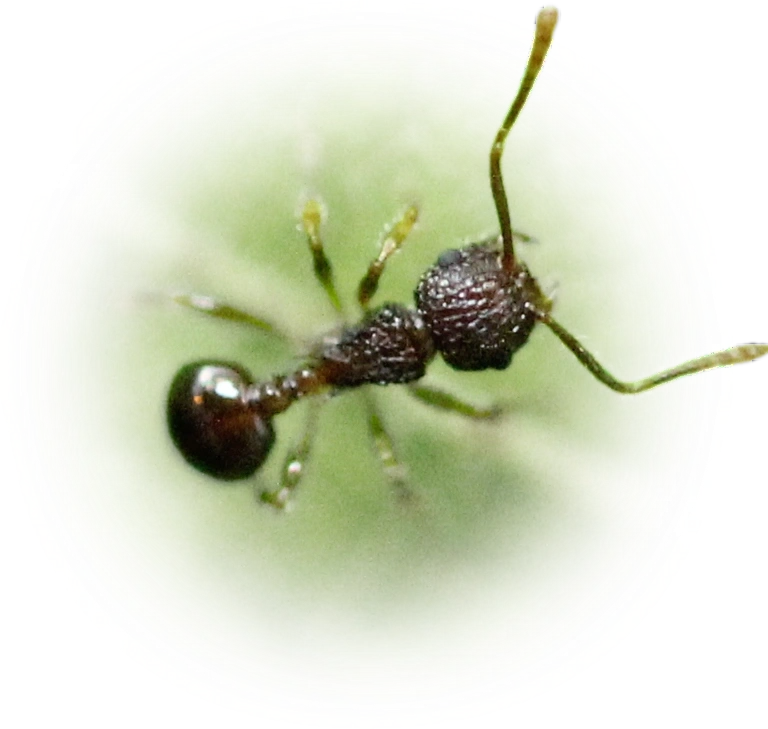
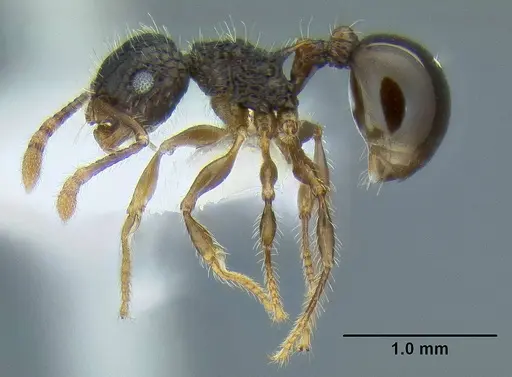
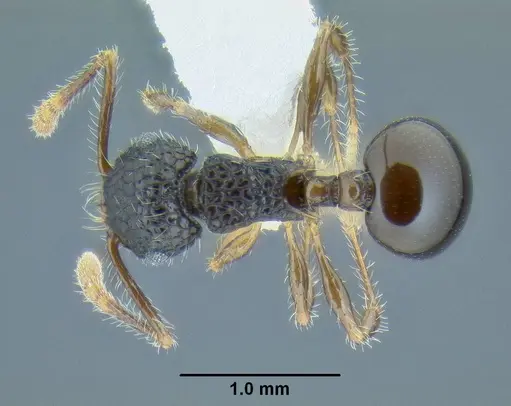
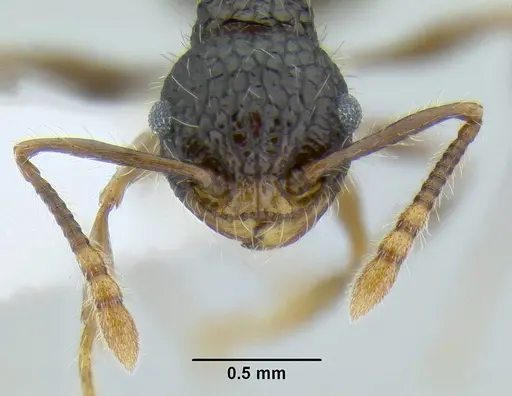
Pristomyrmex punctatus - "Japanese Queenless Ant"
Pristomyrmex punctatus is a fascinating ant species known for its unique reproductive strategy: it is largely queenless. Instead of a typical winged queen, young worker ants lay unfertilized eggs that develop into more workers, a process called thelytokous parthenogenesis. While some colonies may rarely feature ergatoid queens (wingless females that are larger and also lay eggs) and occasional males, the primary reproductive force resides within the workers themselves. These ants are relatively small, typically dark brown, and are notable for their ability to thrive in disturbed and open habitats, making them quite adaptable.
- Difficulty: Easy
- Origin & Habitat: Southeast Asia, particularly prevalent in South China, Japan, Indonesia, Malaysia, and Thailand. They have also been detected in the United States, indicating a potential for human-aided spread. in Open and disturbed habitats, including bare hills, agricultural areas, and beaches. They nest in diverse locations such as soil, leaf litter, rotten wood, or around plant roots..
- Colony Type: Polygynous (due to multiple reproductive workers and sometimes ergatoid queens), budding/fission (colonies split off from existing ones). new colonies are not founded by a single queen but by a group of workers. founding.
- Size & Growth:
- Queen: Not specified
- Worker: 3-4mm
- Colony: Large (thousands to hundreds of thousands; ranges from about a dozen to several thousand workers in Pristomyrmex generally, but P. punctatus can reach 4,000 to 320,000 adults).. Fast (exponentially fast, as young workers constantly lay eggs) growth.
- Antkeeping:
- Temperature: Ideally 22-28°C (71.6-82.4°F), though they can tolerate 20-30°C (68-86°F) for short periods. Higher temperatures can lead to faster development but shorter lifespans for individual ants..
- Humidity: High humidity is preferred in the nest, above 50%, ideally around 70-80%. However, humidity above 80% should not be maintained for more than a day or two. The outworld can be kept at 50-60%..
- Diapause: Not required. Not specified at Not specified.
- Nesting: Versatile; they nest in soil, leaf litter, and rotten wood in the wild. For captivity, a high-humidity nest is crucial. Test tubes are suitable for initial setups, followed by other humid formicarium types..
- Behavior: Medium (towards prey items, but low towards handlers) aggressiveness.
- Common Issues: Humidity fluctuations (requires consistent high humidity), Mold in nest (due to high humidity if ventilation is poor), Colony stalling (if protein or humidity levels are insufficient).
One of the most remarkable aspects of keeping Pristomyrmex punctatus is their queenless reproduction. Unlike many ant species where a single queen is the sole egg-layer, young workers in a P. punctatus colony are capable of laying unfertilized eggs that develop into more workers. This unique trait means the colony's survival isn't solely dependent on a single queen, making them incredibly resilient and difficult to eradicate by targeting a 'queen'. Even if an ergatoid queen is present, the workers continue to reproduce, ensuring the colony's continuous growth.
These ants exhibit a fascinating division of labor that shifts with age. Younger workers remain inside the nest, primarily focusing on egg-laying and brood care, essentially acting as the reproductive engine of the colony. As they age, their egg-laying capabilities diminish, and they transition to becoming foragers, venturing outside the nest to gather food. This age-based polyethism ensures a constant influx of new reproductive individuals while maintaining a robust foraging force.
Colonies of Pristomyrmex punctatus are known for their nomadic tendencies in the wild, frequently relocating their nests. They don't construct elaborate underground structures but instead utilize pre-existing cavities like spaces under stones or within rotten wood. This adaptability extends to their diet as well; they are omnivorous and eager hunters, readily consuming insects, and also enjoy a variety of sweets and fruits. Providing a diverse diet will help your colony thrive.
Despite their prolific growth and aggressive nature towards prey, Pristomyrmex punctatus are generally not aggressive towards keepers. They are not known to sting humans and their bites are negligible, causing only mild irritation if provoked. This makes them a surprisingly good species for beginners, provided their specific temperature and high humidity needs are met. While they are good climbers, an appropriate barrier system on your outworld will prevent escapes.
Frequently Asked Questions
What makes *Pristomyrmex punctatus* unique among ant species for antkeeping?
These ants are truly special because they don't rely on a typical winged queen. Instead, their young workers are the primary egg-layers, reproducing through parthenogenesis. This means the colony's survival isn't tied to a single queen, making them incredibly resilient and fascinating to observe in your formicarium. It's a game-changer for antkeepers, as 'queen failure' isn't a threat to the entire colony.
How do *Pristomyrmex punctatus* colonies grow without a queen?
It's all thanks to their unique reproductive biology! Young worker ants in a P. punctatus colony can lay unfertilized eggs that develop into more workers. This process, known as thelytokous parthenogenesis, ensures continuous colony growth. Occasionally, you might even see ergatoid queens, which are larger, wingless females, also contributing to egg-laying.
What kind of enclosure is best for a *Pristomyrmex punctatus* colony?
Since these ants prefer high humidity, especially within the nest, a setup that maintains consistent moisture is key. They're quite adaptable in nature, nesting in soil, leaf litter, and even rotten wood. For your antkeeping setup, starting them in a test tube is often ideal, and then transitioning them to a formicarium designed for higher humidity is recommended. Look for nests with good hydration systems.
What do *Pristomyrmex punctatus* eat?
These ants are omnivores with a hearty appetite! They're excellent predators, so they'll readily take feeder insects, especially if cut up since they're relatively small. Don't forget their sweet tooth, though! They also really enjoy sugar water and various fruits. A varied diet will keep your colony thriving and active in their outworld.
Are *Pristomyrmex punctatus* difficult to keep for beginners?
Surprisingly, no! Despite their unique biology, Pristomyrmex punctatus are considered an easy species for antkeepers. Their resilience due to the lack of a single queen is a huge plus. The main challenge is consistently providing the high humidity and stable temperatures they prefer, which is a common requirement for many tropical ant species. They're not aggressive towards humans, making handling less stressful.
Do *Pristomyrmex punctatus* sting or bite?
Good news for antkeepers! Pristomyrmex punctatus workers do not sting. While they might attempt to bite if severely provoked, any bites are typically negligible and cause only mild irritation. You'll find them quite docile towards you, often just exploring your hand if they get out, rather than perceiving you as a threat.
What is the typical colony size for *Pristomyrmex punctatus*?
Pristomyrmex punctatus colonies can grow quite large, ranging from thousands to potentially hundreds of thousands of individuals in mature setups. Their rapid growth rate, fueled by all the egg-laying young workers, means you'll see your colony flourish into an impressive population over time.
Do *Pristomyrmex punctatus* need a diapause or hibernation period?
No, as a tropical species, Pristomyrmex punctatus does not require a diapause or hibernation period. Consistent temperatures and humidity levels year-round are essential for their continuous activity and reproduction. This means no tricky cool-downs are needed, making their care somewhat simpler.
How fast do *Pristomyrmex punctatus* colonies grow?
These colonies grow at an impressively fast, almost exponential rate! With young workers constantly laying eggs, the brood pile can increase rapidly, leading to a quick expansion of the colony's numbers. Providing ample protein and consistent conditions will help facilitate this speedy growth.
What should I do if my *Pristomyrmex punctatus* colony seems to be stalling?
If your P. punctatus colony isn't growing as expected, first double-check your humidity levels within the nest – they truly need it high. Also, assess their protein intake; ensure they have a consistent supply of feeder insects. Sometimes, fluctuations in temperature or insufficient food can cause a colony to slow its growth. A consistent environment and a rich diet are key to getting them back on track.
Are there different types of females in a *Pristomyrmex punctatus* colony?
Yes, it's quite interesting! While they don't have a typical winged queen, you'll find 'workers' that are the main egg-layers when young. Some colonies can also have 'ergatoid queens,' which are wingless females that are generally larger than workers and also contribute to reproduction. These ergatoids are more focused on laying eggs and less on other colony tasks.
How do *Pristomyrmex punctatus* found new colonies in the wild?
In nature, Pristomyrmex punctatus colonies expand and form new nests through a process called budding or fission. This means a portion of an existing colony, including workers and brood, will simply split off and establish a new satellite nest, which can then become an independent colony. They don't have a single queen flying out to start a new lineage.
Is it true that *Pristomyrmex punctatus* workers change roles as they age?
Absolutely! This species exhibits a fascinating age-based division of labor. Younger workers typically stay within the nest, dedicating themselves to laying eggs and tending to the brood. As they mature and their reproductive capacity wanes, they transition to becoming foragers, taking on the crucial role of finding and bringing food back to the nest. It's an efficient system that optimizes colony resources.