

Prenolepis shanialena
- Scientific Name
- Prenolepis shanialena
- Tribe
- Lasiini
- Subfamily
- Formicinae
- Author
- Williams & LaPolla, 2016
- Distribution
- Found in 1 countries
Prenolepis shanialena Overview
Prenolepis shanialena is an ant species of the genus Prenolepis. It is primarily documented in 1 countries , including China. Detailed taxonomic data and occurrence records can be further explored via authoritative databases such as AntWeb or the Global Biodiversity Information Facility (GBIF).
Prenolepis shanialena
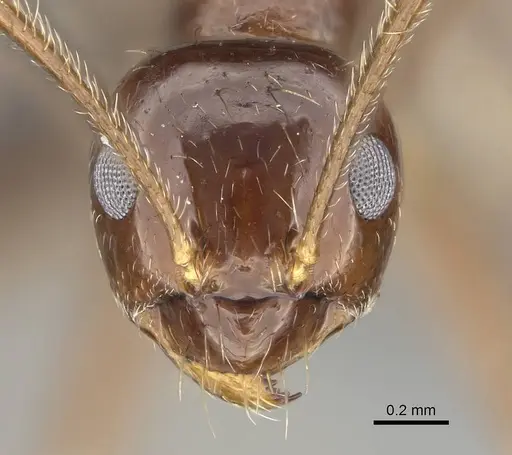
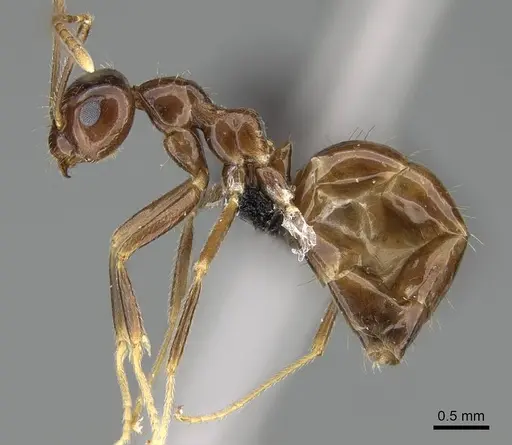
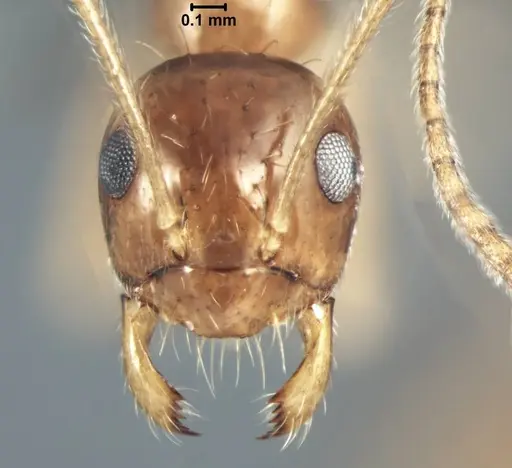
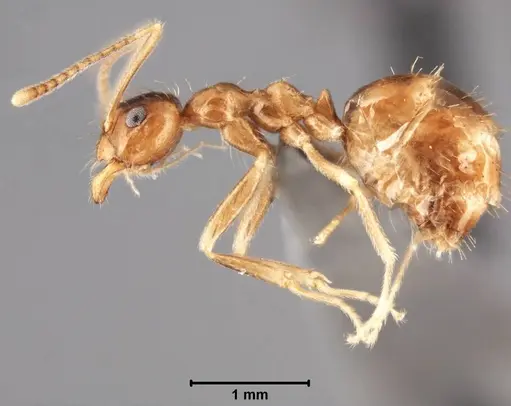
Prenolepis shanialena is a small to medium-sized ant species native to high-elevation regions of Southeast Asia, including Vietnam, Thailand, and southern China. Workers measure 3.01-4.28mm and display a uniform light to medium brown coloration with smooth, shiny cuticle. The species is distinguished by its relatively large, oval compound eyes and a characteristic hump-like bulge on the mesonotum that rises above the pronotum when viewed from the side. A unique feature is the pair of prominent anterolateral lobes on the clypeus, giving this species a distinctive facial profile. This ant was formally described in 2016 and is part of a group of high-elevation Asian Prenolepis species that includes P. rinpoche, P. darlena, and P. fisheri.
Quick Summary
- Difficulty: Unknown
- Origin & Habitat: High-elevation regions of Southeast Asia, including Mount Fansipan in Vietnam (the highest peak in Indochina), Thailand, and southern China. Specimens have been collected at elevations around 2300m in the Mustang district of Nepal [1][2].
- Colony Type: Colony structure is unconfirmed. Based on genus patterns, likely single-queen (monogyne) colonies, though this has not been directly documented for this species.
- Size & Growth:
- Queen: Undescribed, queen measurements not available in original description [2]
- Worker: 3.01-4.28mm total length [2]
- Colony: Unknown, colony size has not been documented
- Growth: Unknown
- Development: Unconfirmed, no development data exists for this species. Based on typical Prenolepis patterns, expect 6-10 weeks at optimal temperature. (Development timeline is unconfirmed. Related Prenolepis species typically require several months from egg to first worker.)
- Antkeeping:
- Temperature: Keep at room temperature, roughly 20-25°C. This species comes from high-elevation regions in tropical/subtropical Asia, so it likely prefers cooler conditions than many tropical ants. Start at room temperature and observe colony activity.
- Humidity: Moderate humidity is likely appropriate. Provide a moisture gradient with a damp section and a drier area so ants can self-regulate.
- Diapause: Unknown, no specific data on overwintering requirements. High-elevation origin suggests they may tolerate or require cooler temperatures seasonally.
- Nesting: Natural nesting behavior is unconfirmed. Most Prenolepis species nest in soil or under stones. A test tube setup works well for founding colonies, mature colonies can be kept in Y-tong nests or naturalistic setups with soil substrate.
- Behavior: Behavior is unstudied in this species. Based on genus patterns, they are likely relatively docile and not aggressive. Workers are small (under 5mm), so escape prevention should be moderate, standard test tube barriers and fine mesh on outworlds will suffice. They probably forage on the ground and may tend aphids for honeydew.
- Common Issues: lack of biological data makes care requirements uncertain, keepers should be prepared to experiment, queen and colony development data is completely absent, so growth timelines are estimates only, high-elevation origin means they may have specific temperature needs different from typical tropical ants, wild-caught colonies may have unknown parasites or health issues
Discovery and Taxonomy
Prenolepis shanialena was formally described in 2016 by Jason Williams and John LaPolla through a comprehensive taxonomic revision of the genus Prenolepis. The species was named after Shani Alena, the first author's fiancée. The type specimens were collected from Mount Fansipan in Lai Chau Province, Vietnam, the highest mountain in Indochina at 3,147 meters. This species was subsequently found in Thailand and southern China, with historical records from Nepal later re-identified as the closely related species P. rinpoche. The distinctive features that separate P. shanialena from similar species include its large oval compound eyes, the characteristic hump-like bulge of the mesonotum rising above the pronotum, and the prominent anterolateral lobes on the clypeus. [2]
Distribution and Habitat
This species occupies high-elevation habitats across mainland Southeast Asia. The confirmed range includes Vietnam (where the type locality is Mount Fansipan), Thailand, and southern China. Historical records from Nepal at approximately 2300m elevation were originally attributed to this species but have since been re-identified as P. rinpoche following more detailed examination. The high-elevation distribution suggests this species prefers cooler, more temperate conditions than many other Southeast Asian ants. Mount Fansipan and similar highland areas feature montane forest ecosystems with significant moisture and cooler temperatures compared to lowland tropical areas. [1][2]
Identification and Distinguishing Features
Workers of Prenolepis shanialena measure 3.01-4.28mm in total length and display a uniform light to medium brown coloration throughout the body. The cuticle on the head, pronotum, mesopleuron, and gaster is smooth and shiny. Several key morphological features distinguish this species: the compound eyes are relatively large and oval-shaped, the mesonotum has a distinctive anterior bulge that rises above the pronotum in profile view, and the clypeus bears a pair of prominent anterolateral lobes. The most similar species is Prenolepis mediops, but P. shanialena can be separated by its larger compound eyes and the distinct anterodorsal bulge on the mesonotum. Another close relative, P. rinpoche, has a more quadrate head with a flat posterior margin and lacks the mesonotum hump. [2]
Known Biology and Care Considerations
Unfortunately, the complete biology of Prenolepis shanialena remains undocumented in scientific literature. The original species description focuses entirely on morphology and does not include any biological observations. This is not unusual for newly described ants from remote regions, as detailed ecological and behavioral studies often follow years after initial discovery. Based on the genus-level knowledge of Prenolepis, these ants likely form moderate-sized colonies, nest in soil or under stones, and feed on honeydew and small insects. The high-elevation origin suggests they may prefer cooler temperatures than typical tropical ants. Keepers interested in this species should be prepared to learn through observation and potentially adjust care conditions based on colony response. [2]
Frequently Asked Questions
How long does it take for Prenolepis shanialena to produce first workers?
The egg-to-worker development time is unconfirmed for this species as no biological studies exist. Based on typical Prenolepis genus patterns, expect approximately 6-10 weeks at optimal temperature (around 22-25°C). However, this is an estimate, actual development may be faster or slower depending on conditions.
What do Prenolepis shanialena ants eat?
Specific diet preferences are unstudied for this species. Based on genus patterns, they likely accept sugar sources (honey water, sugar water) and protein (small insects like fruit flies, mealworms). They may also tend aphids for honeydew in captivity.
Can I keep Prenolepis shanialena in a test tube setup?
Yes, test tube setups are appropriate for founding colonies of this species. Use standard test tube water reservoirs and provide an outworld for foraging once the colony grows. The small worker size (3-4mm) means standard test tube barriers should prevent escapes.
What temperature is best for Prenolepis shanialena?
Keep them at room temperature, roughly 20-25°C. This species comes from high-elevation regions in Southeast Asia, so they may prefer cooler conditions than typical tropical ants. Start at room temperature and adjust based on colony activity.
Do Prenolepis shanialena ants need hibernation?
Diapause requirements are unknown for this species. Their high-elevation origin suggests they may tolerate or benefit from cooler seasonal temperatures, but specific overwintering protocols have not been documented.
How big do Prenolepis shanialena colonies get?
Colony size is unknown, no colony size data exists for this species. Based on related Prenolepis species, colonies likely reach several hundred workers at maturity.
Is Prenolepis shanialena a good species for beginners?
Difficulty level cannot be determined due to lack of biological data. Without information on founding success rates, development timelines, or specific care requirements, it is difficult to recommend this species to beginners. Experienced antkeepers interested in a challenge may find this species interesting, but be prepared for a learning curve.
Can I keep multiple Prenolepis shanialena queens together?
Colony structure is unconfirmed for this species. The safety of combining unrelated queens (pleometrosis) has not been documented. Without this data, it is not possible to recommend multi-queen setups.
When do Prenolepis shanialena nuptial flights occur?
Nuptial flight timing is unknown for this species. No research exists on reproduction timing, seasonal flight periods, or dealate behavior.
What humidity level do Prenolepis shanialena ants need?
Specific humidity requirements are unconfirmed. Provide moderate humidity with a moisture gradient, a damp section for the nest and a drier area for the outworld. This allows the colony to self-regulate.
Where can I acquire Prenolepis shanialena ants?
This is a recently described species (2016) with limited distribution in high-elevation Southeast Asia. It is unlikely to be available through common ant suppliers. This species may only be obtainable through specialized breeding programs or by collecting in its native range (where permitted by local laws).
References

This caresheet is licensed under CC BY-SA 4.0 .
CASENT0203393
View on AntWeb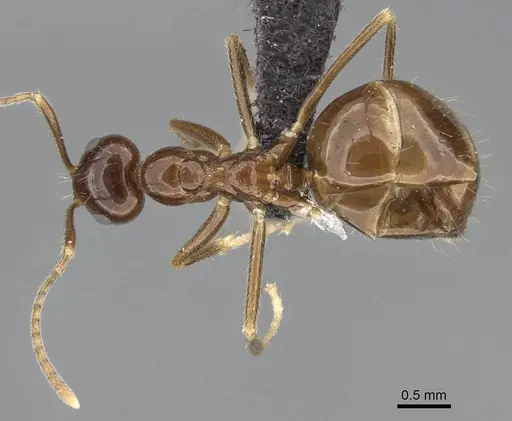
USNMENT00755093
View on AntWeb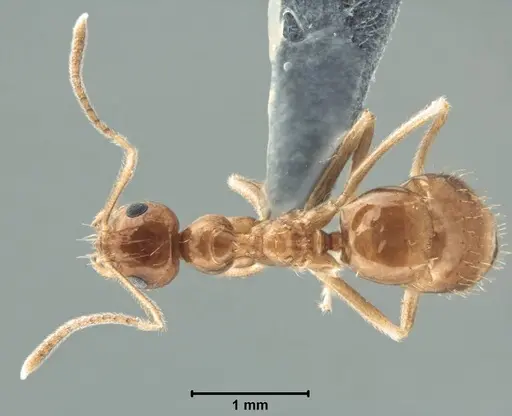
Literature
Loading...Loading products...