

Prenolepis mediops
- Scientific Name
- Prenolepis mediops
- Tribe
- Lasiini
- Subfamily
- Formicinae
- Author
- Williams & LaPolla, 2016
- Distribution
- Found in 1 countries
Prenolepis mediops Overview
Prenolepis mediops is an ant species of the genus Prenolepis. It is primarily documented in 1 countries , including China. Detailed taxonomic data and occurrence records can be further explored via authoritative databases such as AntWeb or the Global Biodiversity Information Facility (GBIF).
Prenolepis mediops
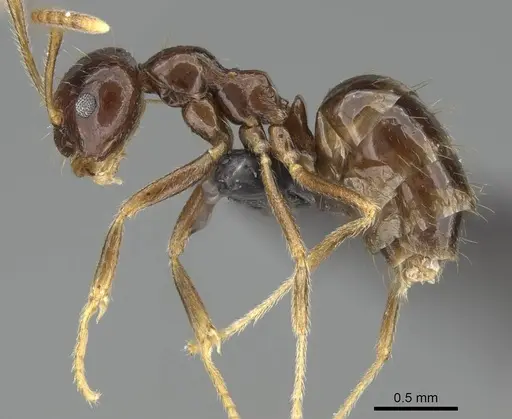
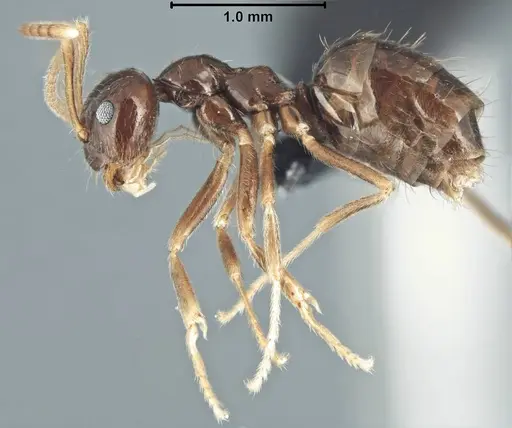
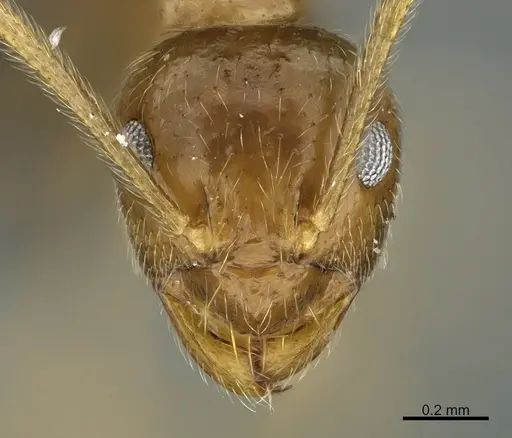
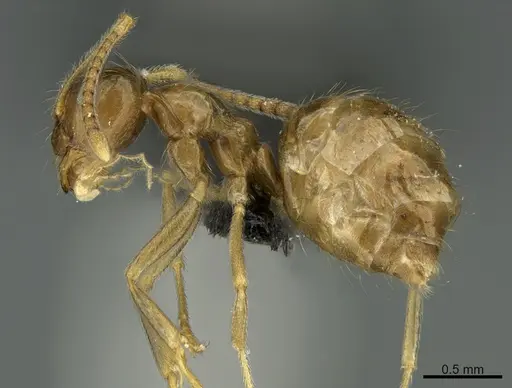
Prenolepis mediops is a tiny ant species described from China, measuring just 2.85-3.32mm in total length. Workers have a distinctive appearance with a yellow-brown head and mesosoma contrasting sharply against a dark brown to black gaster. Their eyes are moderately sized, rounded, and spaced far apart, giving them a somewhat wide-set look. The cuticle is smooth and shiny on the head and body, with abundant long erect hairs on the head, pronotum, mesonotum, and gaster. This is a recently described species (2016), and remarkably little is known about its biology in the wild. It belongs to the Formicinae subfamily and is part of the Lasiini tribe, which includes other small, generally peaceful ants.
Quick Summary
- Difficulty: Unknown, likely Easy to Medium based on genus-level patterns
- Origin & Habitat: China (Palaearctic Region), likely temperate forest or grassland habitats based on regional patterns
- Colony Type: Unconfirmed, colony structure has not been documented for this species
- Size & Growth:
- Queen: Undescribed, no queen measurements available
- Worker: 2.85-3.32mm total length
- Colony: Unknown, no colony size data available
- Growth: Unknown, no development data exists
- Development: Unconfirmed, no direct measurements exist. Based on typical Prenolepis patterns and small worker size, estimate 6-10 weeks at room temperature, but this is a rough guess. (This is a complete estimate with low confidence, the species has not been studied in captivity.)
- Antkeeping:
- Temperature: Start around 18-22°C and observe colony activity. As a Chinese species from temperate latitudes, they likely tolerate cooler conditions than tropical ants. Avoid overheating.
- Humidity: Keep nest substrate moderately moist but not waterlogged. These are small ants that likely prefer stable, moderately damp conditions similar to forest floor microhabitats.
- Diapause: Likely yes, Chinese temperate species typically require a winter rest period. Provide 2-3 months at 10-15°C during winter if colony becomes less active.
- Nesting: No specific nesting data exists. Based on genus patterns, they likely accept test tubes, Y-tong nests, or plaster nests with narrow chambers scaled to their tiny size.
- Behavior: Temperament is unconfirmed but Prenolepis species are generally peaceful and not aggressive. They are small ants with no significant defense mechanisms, escape prevention should focus on their tiny size rather than sting concerns. Foraging style is unknown but likely involves ground-level searching for honeydew and small prey.
- Common Issues: no captive husbandry data exists, this is essentially an unstudied species in captivity, tiny size makes escape prevention critical, use fine mesh barriers, complete lack of development data makes growth unpredictable, no confirmed feeding preferences, start with sugar water and small protein sources, winter care requirements are unconfirmed but likely necessary
Species Identification and Appearance
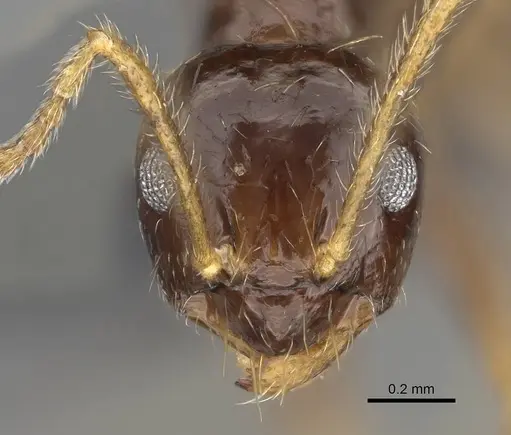
Prenolepis mediops workers are among the smallest ants you'll encounter in the antkeeping hobby, measuring just 2.85-3.32mm total length. Their most striking feature is the color contrast: a yellow-brown head and mesosoma (the middle body section) paired with a dark brown to black gaster (the rear section, often called the abdomen in casual terms). They have moderately sized, rounded eyes that are spaced quite far apart, giving them a distinctive wide-faced look. The body surface is smooth and shiny, covered with long erect hairs on the head, pronotum, mesonotum, and gaster. The propodeum (the rear part of the mesosoma) is obtusely angled with a flat dorsal face. This species was only formally described in 2016,which explains why so little is known about its biology.
Distribution and Native Habitat
Prenolepis mediops is known only from China, specifically in the Palaearctic Region. The exact habitat type is not documented in scientific literature, but based on the distribution in northern China and the general patterns of the genus, this species likely inhabits temperate regions with distinct seasons. Related Prenolepis species in Asia often nest in soil, under stones, or in rotting wood in forested or grassland areas. They probably experience cold winters and warm summers in their native range. This temperate origin suggests they may be more tolerant of cooler temperatures than many tropical ant species.
Current State of Knowledge
This is one of the least-studied ant species you could keep. Prenolepis mediops was only described in 2016,and literally nothing has been published about its biology, behavior, colony structure, or captive care. The original description focuses entirely on physical identification, body measurements, color, shape, and morphological features. No research exists on nuptial flight timing, founding behavior, diet preferences, temperature tolerance, or any other aspect of its natural history. This means you're essentially pioneering captive husbandry for this species. Any care advice given here is based on educated guesses from genus-level patterns and what we know about other small temperate ants, not on specific evidence for this species.
Getting Started - What to Expect
If you acquire a Prenolepis mediops colony, expect a slow and uncertain journey. Since no captive breeding data exists, your colony's growth rate is unpredictable. Start with a simple test tube setup, these tiny ants do well in small, humid chambers. Offer sugar water (honey or sucrose solution) as a constant energy source, and small protein sources like fruit flies, pinhead crickets, or other tiny insects. Because they're so small, prey items must be appropriately sized. Monitor how your colony responds to different temperatures, starting around room temperature (18-22°C) and adjusting based on activity levels. Be patient, with no development data to reference, you'll be learning through observation.
Similar Species and Identification Tips
Prenolepis mediops can be distinguished from other Prenolepis species by its specific color pattern (yellow-brown head/mesosoma with dark gaster), the shape and spacing of its compound eyes, and its very small overall size. Related species like Prenolepis dugasi or Prenolepis rinpoche have different colorations and distributions. If you're keeping this species, take clear photos of workers from multiple angles, side (profile), top (dorsal), and front views showing the head and eyes. These photos could contribute to citizen science and help others identify the species. The antkeeping community benefits when keepers document new species in captivity.
Frequently Asked Questions
How long does it take for Prenolepis mediops to produce first workers?
We don't know. No scientific data exists on the development time of this species. Based on typical Prenolepis patterns and their very small worker size (under 3.5mm), a reasonable guess would be 6-10 weeks from egg to worker at warm room temperature, but this is purely an estimate with no supporting research.
What do Prenolepis mediops ants eat?
Unconfirmed, no feeding studies exist for this species. Based on genus patterns, they likely accept sugar sources (honey water, sugar water) and small protein prey like fruit flies, springtails, or other tiny arthropods. Start with sugar water always available and small live prey offered 2-3 times per week.
Are Prenolepis mediops good for beginners?
This is difficult to answer because the species has never been kept in captivity before. Based on their small size and likely temperate origin, they may be forgiving of basic mistakes, but the complete lack of documented care information makes them a species for adventurous keepers who don't mind experimenting.
What temperature should I keep Prenolepis mediops at?
No specific data exists. As a Chinese temperate species, start around 18-22°C (room temperature) and observe colony behavior. If they seem sluggish, slightly warmer might help. Avoid temperatures above 28°C since there's no evidence they tolerate heat. A gentle temperature gradient allows them to choose their preferred zone.
Do Prenolepis mediops need hibernation?
Likely yes, Chinese temperate species typically require a winter rest period. If your colony shows reduced activity in winter, provide 2-3 months at 10-15°C. However, this is an inference from related species, not documented behavior for this specific species.
How big do Prenolepis mediops colonies get?
Unknown, no colony size data has been published. Most Prenolepis species form moderate-sized colonies, but this species is so poorly studied that maximum colony size is completely unknown.
Can I keep multiple Prenolepis mediops queens together?
We don't know. No research exists on the colony structure of this species. Combining unrelated queens is generally not recommended for ants unless specifically documented as pleometrotic (multiple queens founding together), which we have no data about for P. mediops.
What type of nest is best for Prenolepis mediops?
No specific data exists. Use test tubes or small nests with chambers scaled to their tiny size (under 3.5mm workers). Y-tong nests or small acrylic setups with narrow passages work well. Keep the nest moderately humid.
Is Prenolepis mediops aggressive?
Undocumented, no behavioral studies exist. Based on genus patterns, Prenolepis species are generally peaceful and not aggressive defenders. These tiny ants are unlikely to pose any threat to keepers.

This caresheet is licensed under CC BY-SA 4.0 .
CASENT0203583
View on AntWeb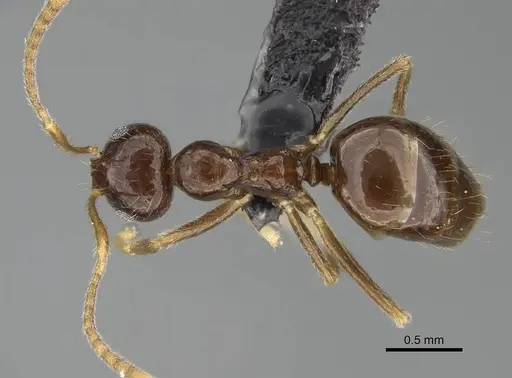
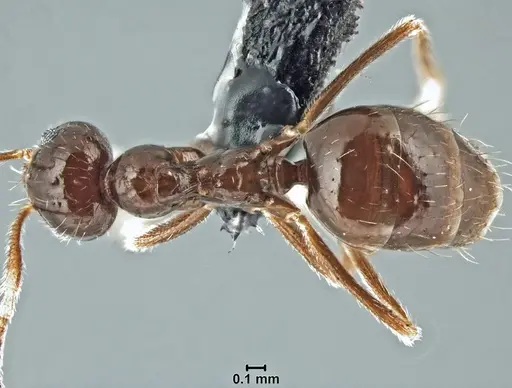
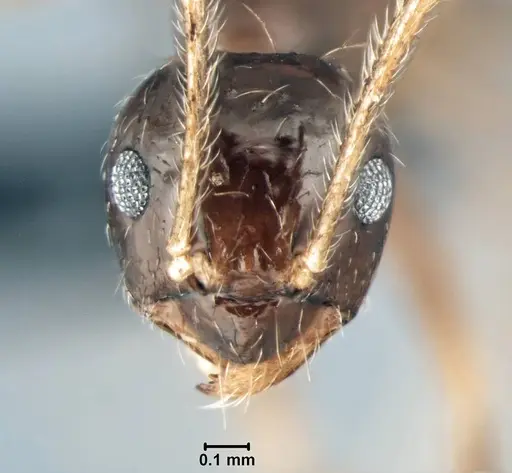
CASENT0203585
View on AntWeb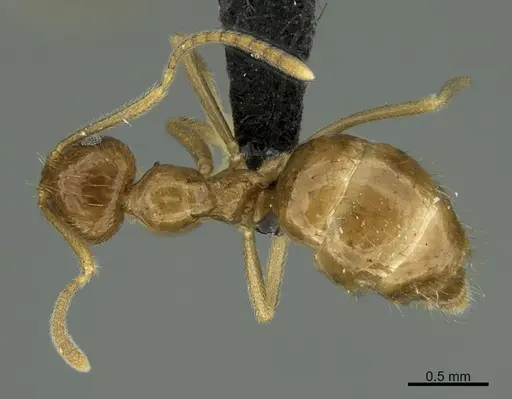
Literature
Loading...Loading products...