
Prenolepis nitens exhibits a clear seasonal flight window. Peak flight activity is concentrated in April, with the overall period spanning March to April. The concentrated timeframe makes peak months critical for sightings.
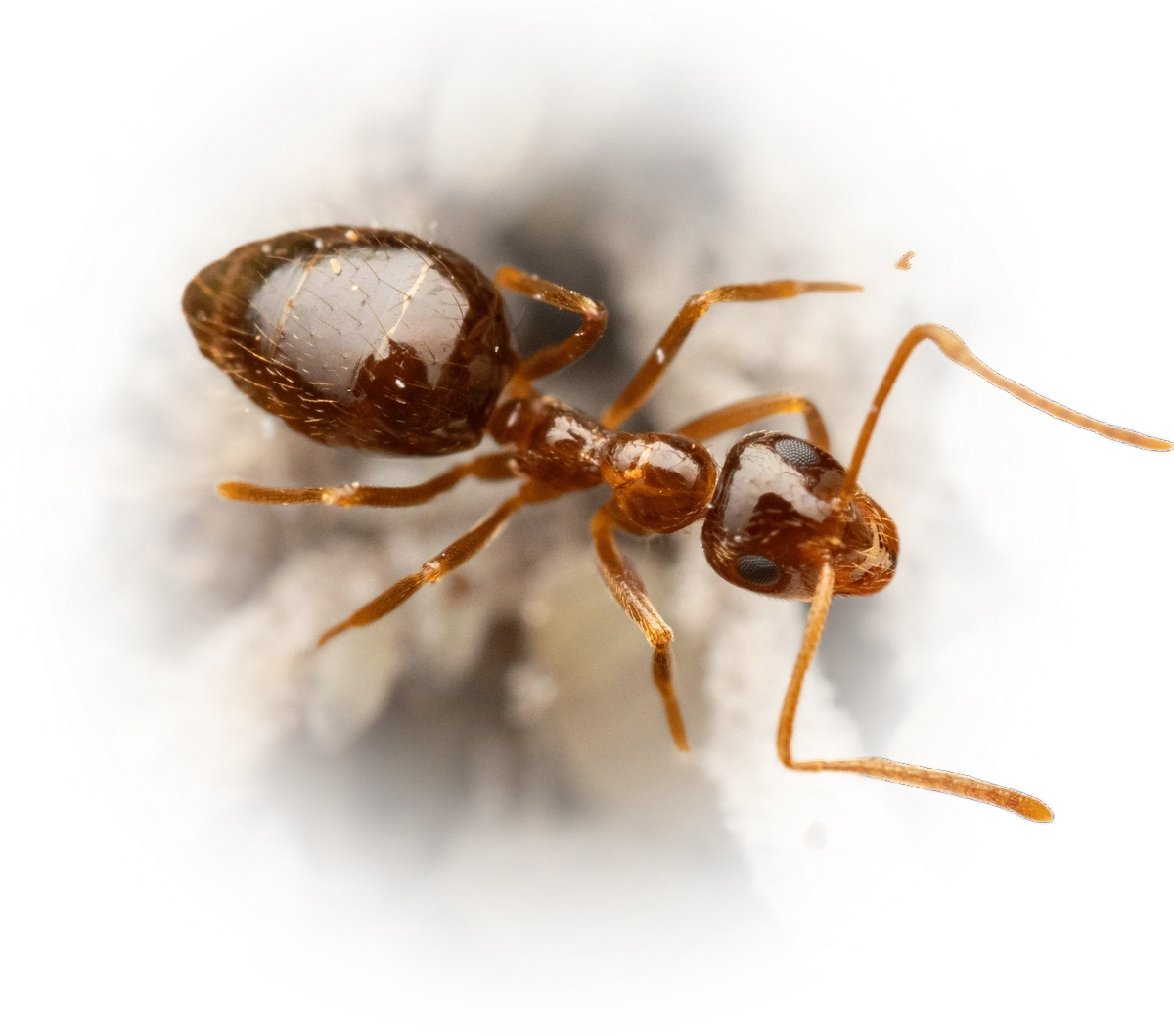
Prenolepis nitens
- Scientific Name
- Prenolepis nitens
- Tribe
- Lasiini
- Subfamily
- Formicinae
- Author
- Mayr, 1853
- Common Name
- Eurasian Winter Ant
- Distribution
- Found in 10 countries
- Nuptial Flight
- from March to April, peaking in April
AI Identifiable
try →
Prenolepis nitens Overview
Prenolepis nitens (commonly known as the Eurasian Winter Ant) is an ant species of the genus Prenolepis. It is primarily documented in 10 countries , including Austria, Bulgaria, Greece. Detailed taxonomic data and occurrence records can be further explored via authoritative databases such as AntWeb or the Global Biodiversity Information Facility (GBIF).
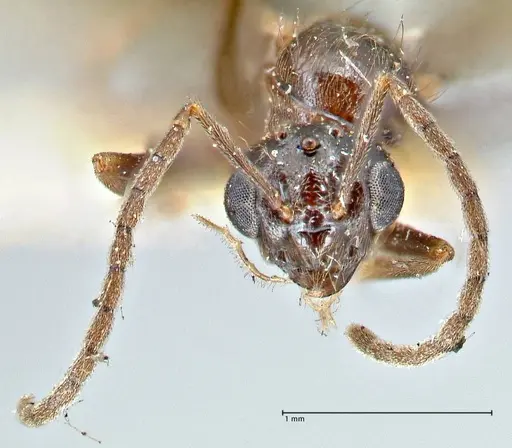
The nuptial flight of Prenolepis nitens is a significant biological event, typically occurring from March to April, peaking in April. During this time, winged queens and males leave the nest to mate and establish new colonies.
Prenolepis nitens - "Eurasian Winter Ant"
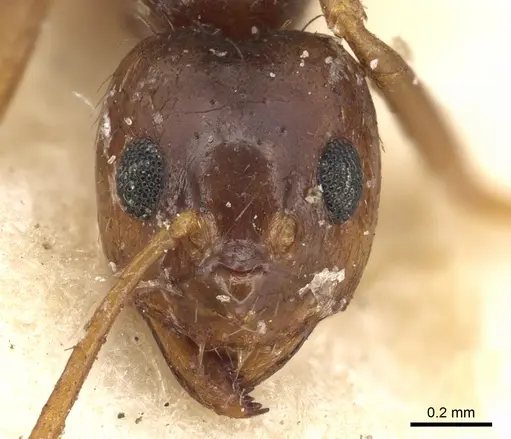
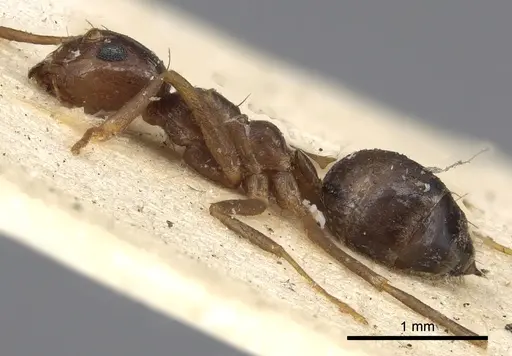
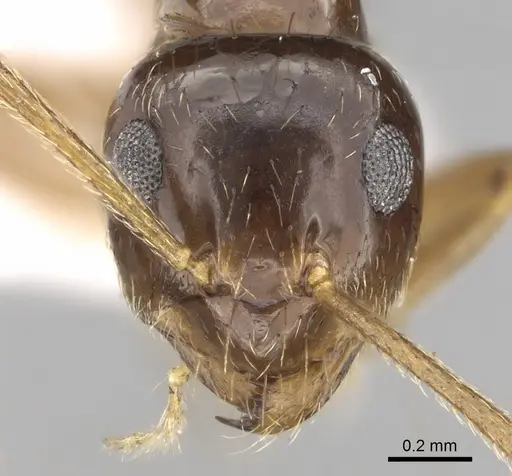
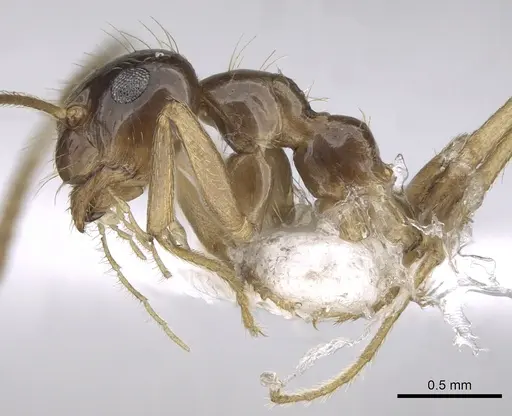
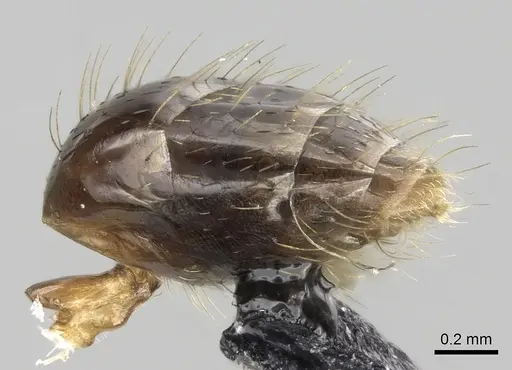
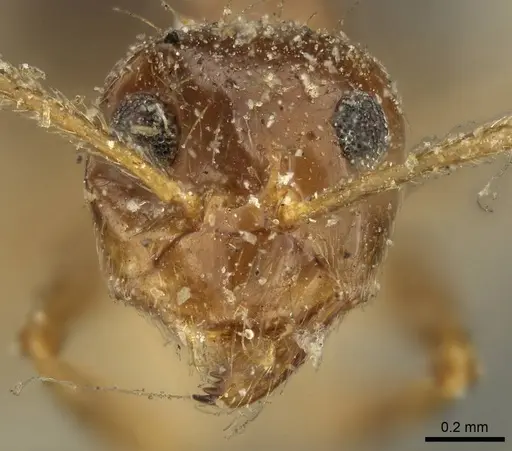
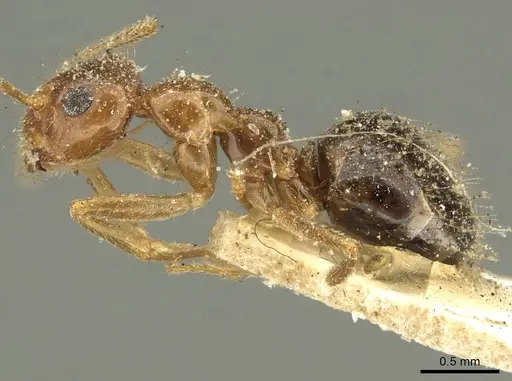
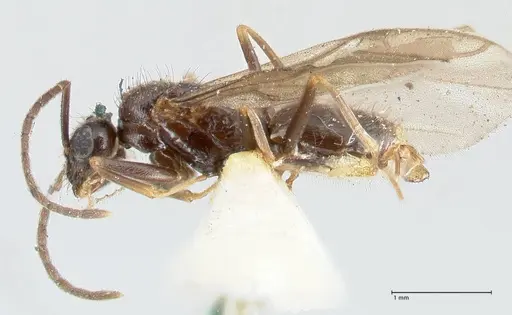
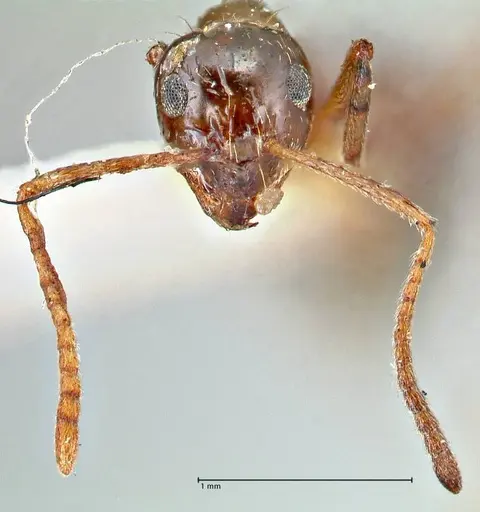
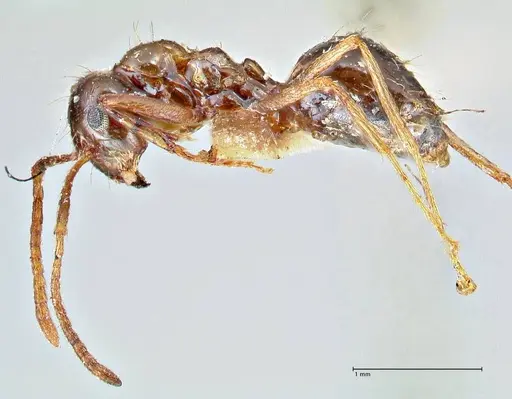
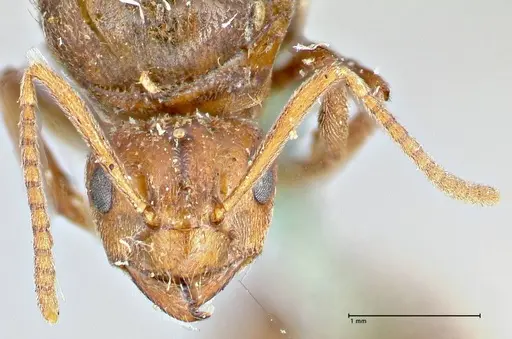
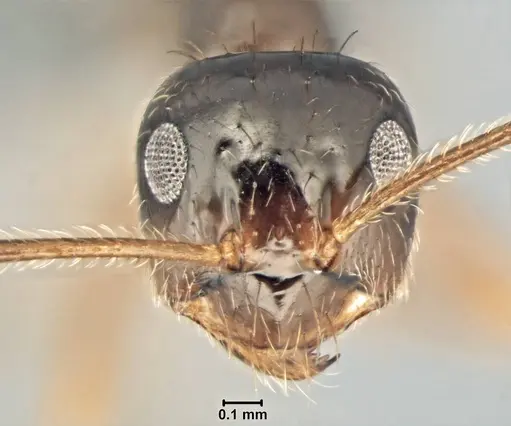
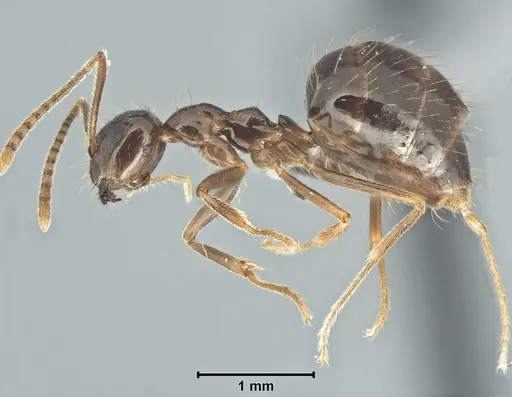
Prenolepis nitens is a small, glossy ant native to southern and central Europe. Workers measure 2.8-3.9mm and are light to dark brown with a distinctly shiny, smooth cuticle that catches the light. The queen is much larger at around 8.5mm. This species is nearly identical to its North American relative Prenolepis imparis, but has a more robust mesosoma. What makes P. nitens special is its winter activity, it's one of the first ants to emerge in late winter and can even forage at near-freezing temperatures, making it a fascinating species for keepers who want to observe ant behavior outside the typical warm-season window [1].
Quick Summary
- Difficulty: Medium
- Origin & Habitat: Native to southeastern Europe, the Balkans, and parts of Asia Minor. Found across Austria, Hungary, Croatia, Slovenia, Greece, Bulgaria, Romania, and Turkey. Prefers shady, damp deciduous and mixed forests, often nesting under stones in warm areas like vineyards and forest edges [2][3].
- Colony Type: Monogyne, single queen colonies. Colonies expand their polydomous nest system in early spring and late autumn [4].
- Colony: Monogyne
- Founding: Claustral
- Size & Growth:
- Queen: 8.51 mm [5]
- Worker: 2.8-3.9 mm [5]
- Colony: Unknown for captive colonies, wild colonies are moderately sized
- Growth: Moderate, slower than tropical species but faster than some temperate ants
- Development: Estimated 6-10 weeks based on related Formicinae species at optimal temperature (Development is likely slower due to their cold-adapted nature, expect 2-3 months from egg to first worker at room temperature)
- Antkeeping:
- Temperature: Keep cool compared to most ants, aim for 15-22°C. They remain active at temperatures as low as 6°C and show peak activity at 12-22°C [6]. Room temperature is acceptable but avoid warm conditions above 25°C.
- Humidity: Moderate humidity. Keep the nest substrate damp but not waterlogged. These ants prefer shady, damp natural habitats but can adapt to drier conditions in captivity.
- Diapause: Yes, they are naturally winter-active and should be given a cold period. However, unlike many temperate ants, P. nitens is most active during winter months. Provide a cool period around 5-10°C during winter months (December-February in the Northern Hemisphere) [1].
- Nesting: Test tube setups work well for founding colonies. For established colonies, provide access to a moist substrate area, they naturally nest under stones and in soil. A Y-tong or plaster nest with a damp section works well.
- Behavior: Generally peaceful and non-aggressive. Workers are moderate foragers and will readily collect sugar sources. They form a unique 'honeypot' system where some workers (called repletes) store liquid food in their distended abdomens, these stay in the nest and feed other workers. Escape risk is moderate, they're small but not extremely tiny. Use standard barrier methods.
- Common Issues: colonies may be slow to establish compared to faster-growing species, they prefer cool temperatures, overheating can be fatal, winter activity means keepers may need to adjust feeding schedules for cold periods, wild-caught colonies may be difficult to find due to their cryptic nesting habits, confusion with similar species like Lasius niger, ensure you have correctly identified your ants
Nuptial Flight Activity Analysis 213 observations
Flight Activity by Hour 213 observations
Prenolepis nitens nuptial flight activity peaks around 14:00 during the afternoon. Activity is spread across a 10-hour window (10:00–19:00). Times may be influenced by human observation patterns.
Housing and Nest Setup
Prenolepis nitens does well in standard test tube setups for founding colonies. Use a test tube with a water reservoir plugged with cotton, the ants will naturally keep the cotton area moist. For larger colonies, transfer to a Y-tong (acrylic) nest or a plaster nest that allows you to maintain humidity. These ants don't need high temperatures, so avoid placing the nest on a heating mat. Instead, keep them at room temperature or slightly below. A section of the nest should stay damp while allowing workers to move to drier areas if they choose. Because they nest under stones in the wild, they appreciate a naturalistic setup with a damp substrate layer and flat stones or hiding spots [7].
Feeding and Diet
These ants have a strong sweet tooth. Offer sugar water, honey, or diluted maple syrup regularly, they will readily accept these carbohydrate sources. They also collect honeydew from aphids in the wild, so they're well-adapted to sugar-rich diets [8]. For protein, offer small insects like fruit flies, small crickets, or frozen bloodworms. In winter months, they strongly prefer carbohydrates (honey) over protein [6]. The unique feature of this species is their 'honeypot' behavior, some workers develop enormously swollen abdomens filled with liquid food, acting as living food storage vessels. These repletes stay in the nest and regurgitate food to feed other workers. You may see some workers with noticeably larger abdomens, this is normal and indicates a healthy, well-fed colony [9].
Temperature and Seasonal Care
This is the most important aspect of keeping P. nitens successfully. Unlike most ant species that prefer warmth, these ants are cold-adapted and thrive at cooler temperatures. Keep the nest area at 15-22°C, this matches their natural conditions where peak activity occurs at 12-22°C [6]. They can tolerate temperatures as low as 2-3°C and remain active in winter, which is unusual for ants. During winter (roughly December-February), provide a cold period at 5-10°C but do not freeze them. Unlike species that go into full hibernation, P. nitens remains active during winter in the wild, so keep them cool but not completely dormant. You may actually see more activity in winter than summer! In summer, avoid temperatures above 25°C, they become less active when it's too warm [1].
Behavior and Observation
P. nitens is a fascinating species to observe due to its unusual activity patterns. In the wild, they show two peaks of activity, one in spring and another in autumn, with reduced activity during the hot summer months [6]. They are among the first ants to become active in late winter, sometimes emerging when snow is still on the ground. Workers forage individually and can travel significant distances from the nest. The colony structure is polydomous, meaning they maintain multiple nest entrances connected underground, you may see workers using different exits. Their shiny, golden-brown appearance makes them visually distinctive, and the presence of 'honeypot' workers with swollen abdomens adds visual interest to the colony. They are not aggressive and rarely bite or sting, making them safe to handle gently [7].
Colony Founding
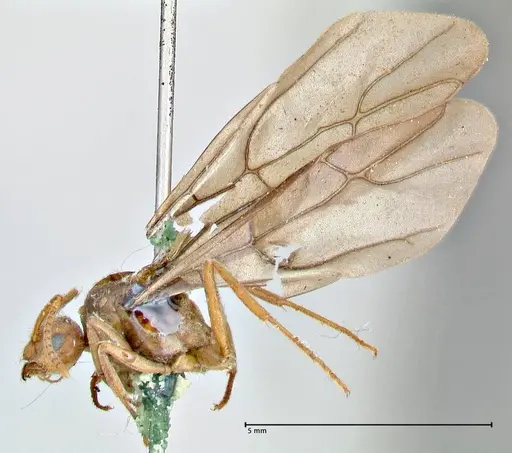
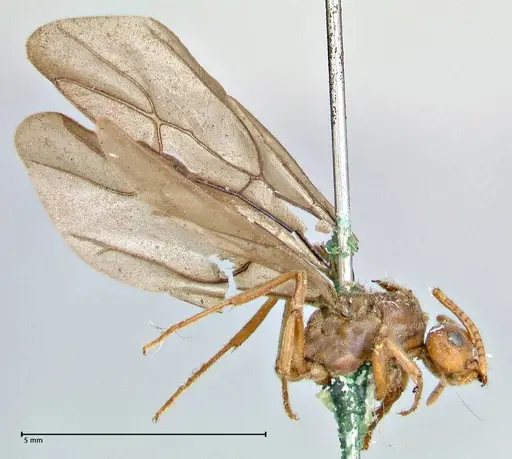
Prenolepis nitens queens found colonies independently (claustrally). The queen seals herself in a small chamber and raises the first brood alone, living on fat reserves until her first workers emerge. This process typically takes 4-8 weeks depending on temperature. Founding colonies should be kept in a quiet, dark location with minimal disturbance. Once workers arrive (nanitics will be smaller than normal workers), you can begin offering food. The colony will grow slowly at first but accelerates once the first batch of workers is established. Queens are 8.5mm and much larger than workers, with a robust, light brown coloration [5][10].
Frequently Asked Questions
Can I keep Prenolepis nitens in a test tube?
Yes, test tubes work perfectly for founding colonies. Use a standard test tube setup with a water reservoir and cotton plug. Keep the tube in a cool, dark location and wait for the queen to seal her chamber. Once workers arrive, you can continue keeping them in the test tube for several months, or transfer to a larger formicarium.
Do Prenolepis nitens need hibernation?
They need a cool period rather than true hibernation. In the wild, they remain active during winter at near-freezing temperatures. Keep them at 5-10°C during winter months rather than completely shutting them down. This is the opposite of most ant species, you'll see more activity from them in winter than summer!
What do Prenolepis nitens eat?
They primarily need sugar sources, offer sugar water, honey, or diluted maple syrup regularly. For protein, provide small insects like fruit flies or small crickets. In winter, they strongly prefer carbohydrates over protein. Some workers may develop swollen abdomens (repletes) that store liquid food, this is normal and healthy.
How long does it take for Prenolepis nitens to raise first workers?
Expect 6-10 weeks from egg to worker at optimal (cool) temperatures. Development is slower than tropical ants due to their cold-adapted nature. The first workers (nanitics) will be smaller than normal workers.
Are Prenolepis nitens good for beginners?
They are intermediate in difficulty. The main challenge is understanding their reversed temperature needs, they prefer cool conditions, not warm ones like most pet ants. If you can provide the right cool temperatures and understand their winter activity pattern, they are rewarding to keep.
Why is my Prenolepis nitens colony not very active?
Check your temperature, if it's too warm (above 25°C), they will become less active. They prefer 15-22°C and are most active at 12-22°C. Also ensure they have sugar water available constantly, they need carbohydrates year-round.
Can I keep multiple Prenolepis nitens queens together?
No, this is a monogyne species with single queen colonies. Only keep one queen per colony. Multiple unrelated queens will fight.
What temperature is best for Prenolepis nitens?
Keep them at 15-22°C. They can tolerate 6-25°C but show peak activity at 12-22°C. Avoid heating the nest, room temperature or slightly below is ideal. They are cold-adapted and suffer in warm conditions.
When should I move Prenolepis nitens to a formicarium?
Move them when the test tube becomes crowded or the water reservoir needs frequent refilling. A good indicator is when you consistently see 20+ workers and the colony has been established for 6+ months. Use a nest with both damp and dry areas.
References

This caresheet is licensed under CC BY-SA 4.0 .
CASENT0179603
View on AntWeb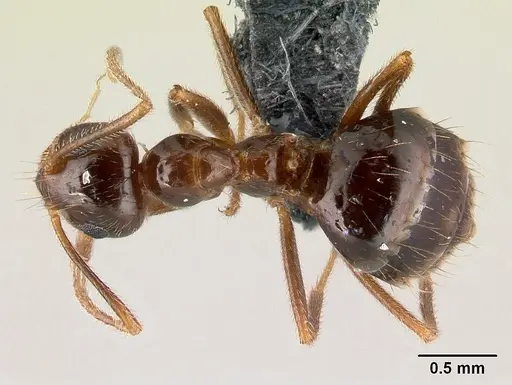
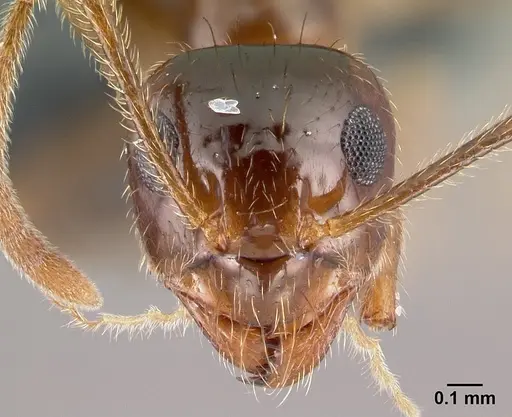
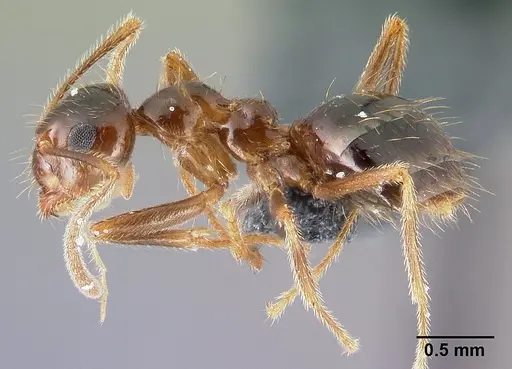
CASENT0901941
View on AntWeb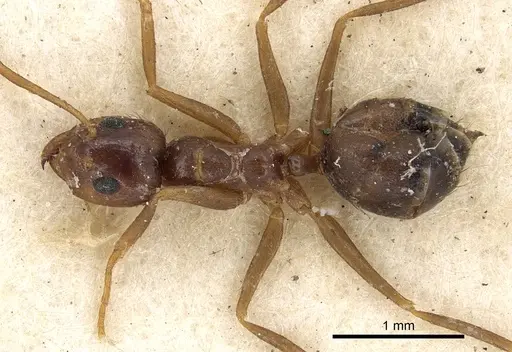
CASENT0906085
View on AntWeb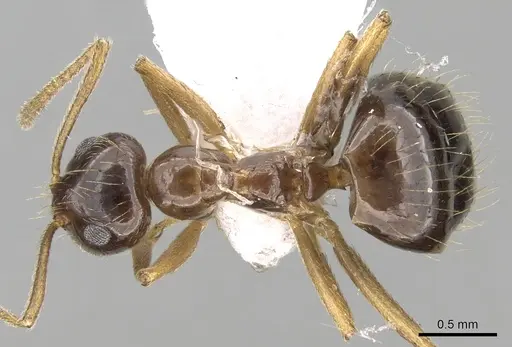
CASENT0915728
View on AntWeb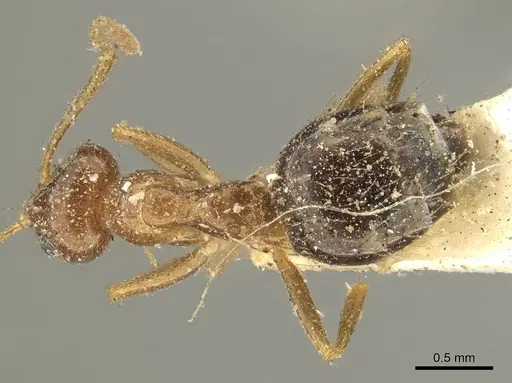
FOCOL2728
View on AntWeb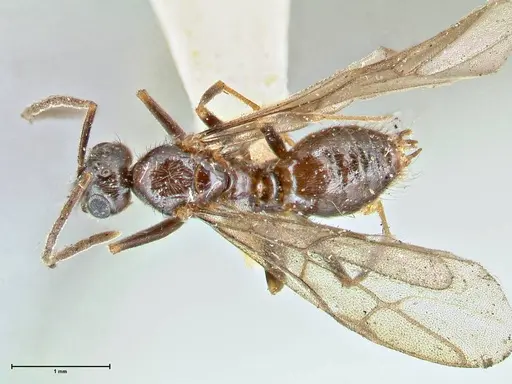
FOCOL2729
View on AntWeb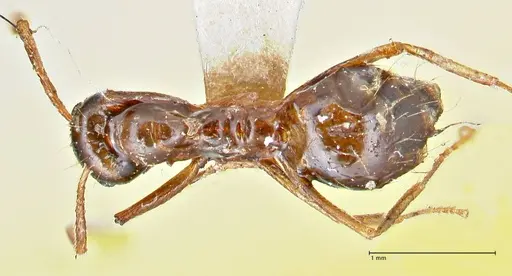
FOCOL2730
View on AntWeb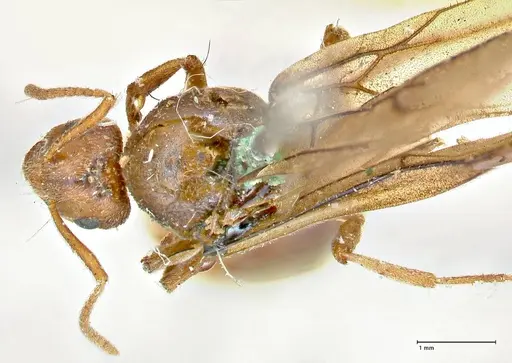
USNMENT00755076
View on AntWeb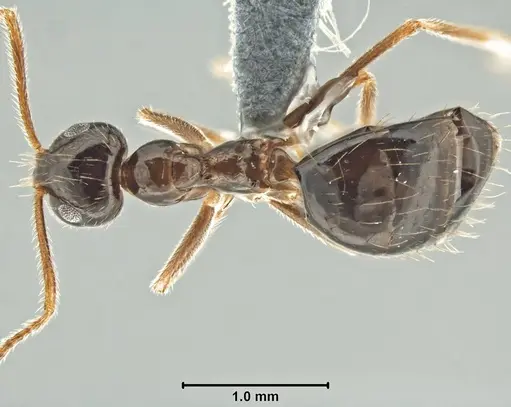
Literature
Loading...Loading products...