

Ponera incerta
- Scientific Name
- Ponera incerta
- Tribe
- Ponerini
- Subfamily
- Ponerinae
- Author
- Wheeler, 1933
- Distribution
- Found in 10 countries
Ponera incerta Overview
Ponera incerta is an ant species of the genus Ponera. It is primarily documented in 10 countries , including American Samoa, Australia, Fiji. Detailed taxonomic data and occurrence records can be further explored via authoritative databases such as AntWeb or the Global Biodiversity Information Facility (GBIF).
Ponera incerta
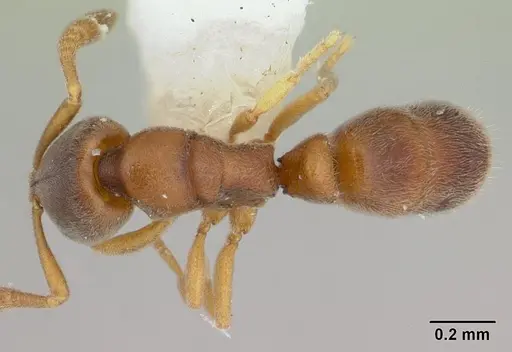
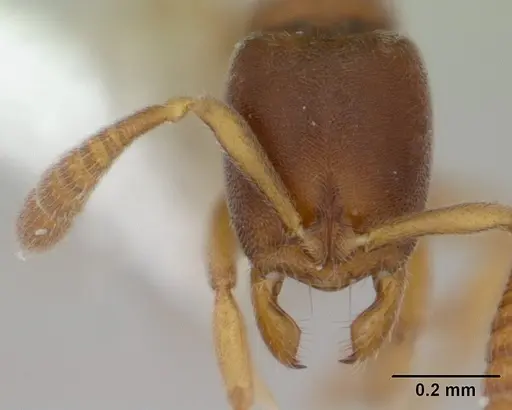
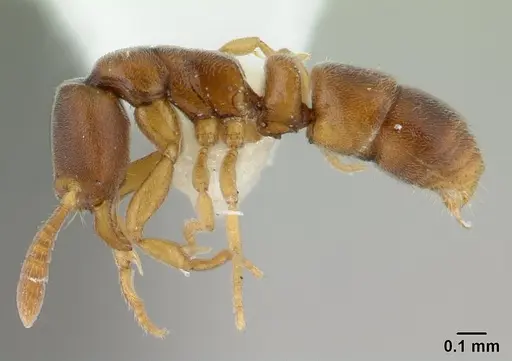
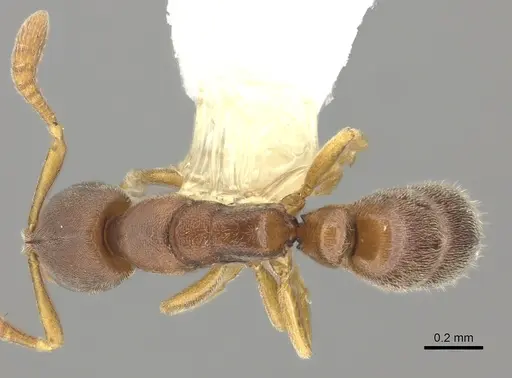
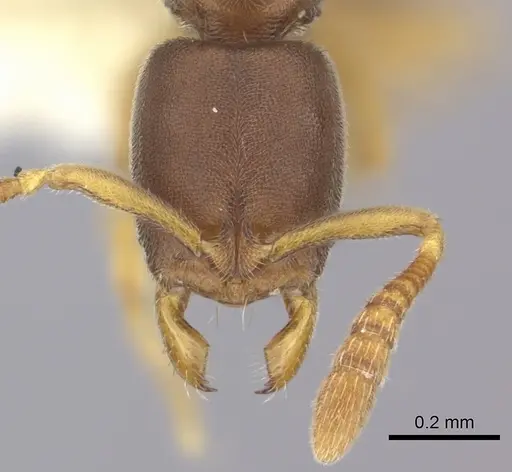
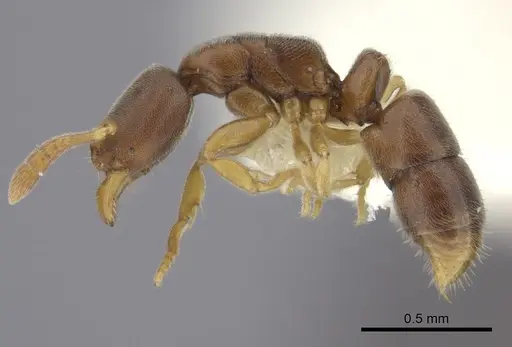
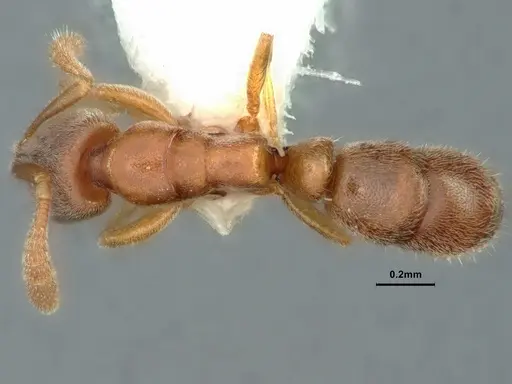
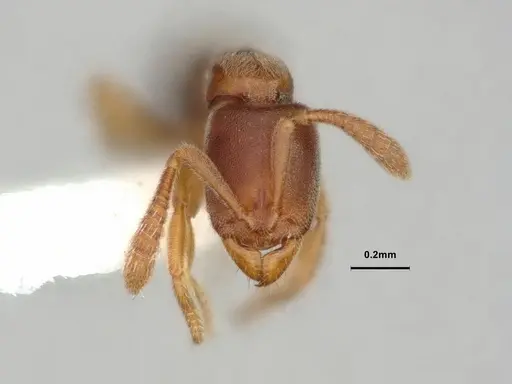
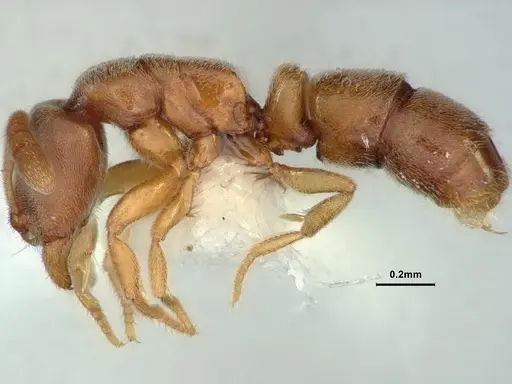
Ponera incerta is a tiny rainforest ant native to the Indo-Pacific region, found across Australia, New Guinea, Indonesia, the Philippines, Micronesia, Samoa, Tonga, and the Solomon Islands [1][2]. Workers are among the smallest in the genus Ponera at just 1.5mm total length, with a head width of 0.36-0.40mm [1]. Queens are slightly larger at 2mm with head widths of 0.43-0.44mm [1]. The species belongs to the japonica species group, identified by their distinctly to indistinctly 5-segmented antennal club and the clearly incised dorsal mesometanotal suture on workers [1]. They are reddish-brown to castaneous in color, with a well-developed sting [1]. Unlike many Ponera species, P. incerta is commonly found in ground layer moss in rainforests, while the similar species P. tenuis dominates in tree moss in the same areas [1].
Quick Summary
- Difficulty: Medium
- Origin & Habitat: Rainforest species native to the Indo-Pacific region, including Australia, New Guinea, Indonesia, Philippines, Micronesia, Samoa, Tonga, and Solomon Islands. Found in ground leaf litter and moss on trees in wet rainforest environments [1][3].
- Colony Type: Colony structure is unconfirmed. No documented studies on queen number or colony founding behavior for this species.
- Size & Growth:
- Queen: 2mm (head width 0.43-0.44mm) [1]
- Worker: 1.5mm (head width 0.36-0.40mm) [1][2]
- Colony: Unknown, no colony size data available
- Growth: Unknown, no development timing data available
- Development: Unknown, no direct development data available. Based on typical Ponera patterns, expect 6-10 weeks at tropical temperatures. (Pupae are enclosed in cocoons, which is typical for Ponera. Larvae have 3 pairs of glutinous abdominal tubercles [1].)
- Antkeeping:
- Temperature: Keep at tropical temperatures around 24-28°C. This species is native to warm, humid rainforest environments in Samoa, Tonga, and the Solomon Islands where temperatures remain consistently warm year-round [4][3].
- Humidity: Requires high humidity, they are a rainforest species found in moss and leaf litter [1]. Keep the nest substrate consistently moist but not waterlogged. Provide a water tube for drinking access.
- Diapause: Unlikely, as a tropical species from Samoa and the Pacific Islands, they probably do not require a diapause period. However, this has not been directly studied.
- Nesting: Natural nesting occurs in ground leaf litter and moss in rainforests [1]. In captivity, a small test tube setup or a small acrylic/plaster nest with high humidity works well. The tiny size of these ants (1.5mm workers) means they need very small chambers and passages. Keep the nest area humid and provide a moisture gradient.
- Behavior: These are tiny, cryptic ants that forage in leaf litter and moss. They have a well-developed sting but due to their minute size, it is unlikely to penetrate human skin [1]. They are likely predatory like other Ponera species, hunting small invertebrates in the leaf litter layer. The small size makes them excellent escape artists, fine mesh barriers are essential. They are not aggressive and will likely flee rather than attack. Activity level is moderate, they forage individually rather than in visible trails.
- Common Issues: tiny size means escapes are likely without fine mesh barriers, high humidity requirements can lead to mold if ventilation is poor, slow growth with no available development data makes colony establishment challenging, predatory diet may be difficult to meet in captivity, small live prey needed, no colony structure data makes it unclear how many queens to keep together
Natural History and Distribution
Ponera incerta is a widespread Indo-Pacific species found across northern Australia, New Guinea, Indonesia, the Philippines, Micronesia (Chuuk, Yap, Palau), Samoa, Tonga, and the Solomon Islands [1][2][4]. It was originally described from Java by Wheeler in 1933 and was later synonymized with Ponera incerta described from New Britain [1]. In Samoa, this species is very widespread and common on all three main islands (Upolu, Tutuila, and Ta'ū), found from sea level to high elevations [1][5]. They are a rainforest species typically found in ground leaf litter or moss on trees, preferring the damp, shaded microhabitats of the forest floor [1]. At Afiamalu in Samoa, researchers found P. incerta dominant in ground layer moss while the similar species P. tenuis dominated in tree moss, a statistically significant difference showing clear microhabitat separation [1].
Identification and Distinguishing Features
Ponera incerta belongs to the Ponera japonica species group, which can be identified by their distinctly to indistinctly 5-segmented antennal club and the clearly incised dorsal mesometanotal suture visible on workers [1]. Workers measure 1.5mm total length with a head width of 0.36-0.40mm, making them moderately small compared to other Ponera species [1]. Queens are larger at 2mm with head widths of 0.43-0.44mm [1]. The species can be distinguished from the similar P. japonica (which is larger with HW 0.42-0.50mm in workers) and P. swezeyi (which is smaller with HW 0.29-0.33mm in workers) by size alone where they are sympatric [1]. On Java, P. incerta is sympatric with P. japonica, while on Samoa it overlaps with P. swezeyi [1]. The palpal formula (mouthpart structure) is Maxillary 2: Labial 2 for both workers and queens [1].
Housing and Nest Setup
Because of their tiny 1.5mm size, Ponera incerta requires carefully designed housing with very small chambers and narrow passages [1]. A small test tube setup works well for founding colonies, use a test tube with a small water reservoir and plug the other end with cotton. For established colonies, a small acrylic nest or plaster formicarium with chambers scaled to their tiny size is ideal. High humidity is essential, these ants come from rainforest leaf litter environments where moisture is constantly high [1]. Use a water tube attached to the nest to provide drinking water. Escape prevention must be excellent, their small size allows them to squeeze through gaps that larger ants cannot. Use fine mesh on any ventilation holes and ensure all connections are tight-fitting. A naturalistic setup with damp soil and moss can also work well, mimicking their natural habitat.
Feeding and Diet
Like other Ponera species, P. incerta is likely predatory, hunting small invertebrates in the leaf litter layer [1]. Their larvae have 3 pairs of glutinous abdominal tubercles, which is typical of predatory Ponerinae and may help them handle prey items [1]. In captivity, offer small live prey such as springtails, fruit flies, tiny crickets, and other small arthropods. Due to their minute size, prey items should be appropriately sized, no larger than a few millimeters. Sugar sources may be accepted occasionally, but protein-rich live prey should be the primary food. Feed small amounts every few days and remove uneaten prey to prevent mold. The predatory nature means they may be difficult to establish on artificial diets, live food is likely essential.
Temperature and Humidity Requirements
As a tropical species from Samoa, Tonga, and the Solomon Islands, Ponera incerta requires warm, humid conditions [4][3]. Keep the nest at temperatures around 24-28°C, consistent tropical warmth without significant fluctuations. Room temperature in most homes may be too cool, a small heating cable on one side of the nest can provide additional warmth if needed. High humidity is critical, these ants live in rainforest leaf litter and moss where humidity is constantly high [1]. Keep the substrate consistently moist but not waterlogged. Provide a humidity gradient so ants can choose their preferred zone. Avoid both stagnant air (which causes mold) and excessive airflow (which dries the nest). A small water tube for drinking access is also important.
Behavior and Temperament
Ponera incerta is a cryptic, ground-dwelling ant that forages individually in leaf litter and moss [1]. They are not aggressive and will likely retreat rather than engage threats. The species has a well-developed sting, but due to their minute 1.5mm size, it is unlikely to penetrate human skin [1]. They are not known for swarming or forming visible foraging trails. Their small size and cryptic nature make them fascinating to observe but challenging to keep, they are easily overlooked and can escape through tiny gaps. They are most active in humid, warm conditions and may become less active if conditions dry out or cool down. Provide plenty of cover and hiding spots in the outworld to reduce stress.
Frequently Asked Questions
How long does it take for Ponera incerta to produce first workers?
The exact development timeline is unknown for this species, no direct studies exist on their egg-to-worker time. Based on typical Ponera genus patterns, expect approximately 6-10 weeks at tropical temperatures (24-28°C). The presence of cocoons around pupae means development includes a cocoon stage [1].
Can I keep multiple Ponera incerta queens together?
The colony structure of this species has not been documented. Without data on whether they are single-queen (monogyne) or multi-queen (polygyne), it is unclear whether multiple queens can be kept together successfully. It is best to start with a single queen until more information is available.
What do Ponera incerta ants eat?
Like other Ponera species, they are likely predatory on small invertebrates. Offer small live prey such as springtails, fruit flies, tiny crickets, and other micro-arthropods. Small protein sources should be the primary diet. Sugar water may be occasionally accepted but should not be the main food source.
Do Ponera incerta ants sting?
Yes, they have a well-developed sting [1]. However, due to their very small 1.5mm size, the sting is unlikely to penetrate human skin and the pain would be minimal if at all detectable.
Are Ponera incerta good for beginners?
This species is rated as Medium difficulty. While their small size and high humidity requirements make them more challenging than common species like Lasius or Camponotus, they can be kept by hobbyists willing to provide the specific conditions they need. The lack of available development data and potentially difficult dietary requirements add to the challenge.
What temperature should I keep Ponera incerta at?
Keep them at tropical temperatures around 24-28°C. This species is native to warm Pacific islands like Samoa and Tonga where temperatures remain consistently warm year-round [4][3]. Room temperature may be too cool, consider using a small heating cable if needed.
Do Ponera incerta need hibernation?
Unlikely, as a tropical species from Samoa and the Pacific Islands, they probably do not require a diapause or hibernation period [4][3]. However, this has not been directly studied. If anything, they may slow down slightly during cooler periods but should be kept warm year-round.
Why are my Ponera incerta dying?
Common issues include: humidity dropping too low (they need consistently damp conditions), temperature being too cool (they need 24-28°C), escapes through tiny gaps due to their minute size, and possibly inadequate food, they likely need live small prey. Check that your setup maintains high humidity, warm temperatures, and has excellent escape prevention with fine mesh barriers.
When should I move Ponera incerta to a formicarium?
For founding colonies, keep them in a small test tube setup until the colony reaches at least 10-20 workers. Moving too early can stress the colony. When moving, ensure the new nest has appropriately sized chambers for their tiny 1.5mm workers and maintains high humidity.
How big do Ponera incerta colonies get?
The maximum colony size is unknown, no documented colony size data exists for this species. Based on their small worker size and the typical size of Ponera colonies, they likely remain relatively small, probably under 100-200 workers in captivity.
References

This caresheet is licensed under CC BY-SA 4.0 .
Literature
Loading...Loading products...