

Ponera japonica
- Scientific Name
- Ponera japonica
- Tribe
- Ponerini
- Subfamily
- Ponerinae
- Author
- Wheeler, 1906
- Distribution
- Found in 2 countries
Ponera japonica Overview
Ponera japonica is an ant species of the genus Ponera. It is primarily documented in 2 countries , including Japan, Korea, Republic of. Detailed taxonomic data and occurrence records can be further explored via authoritative databases such as AntWeb or the Global Biodiversity Information Facility (GBIF).
Ponera japonica
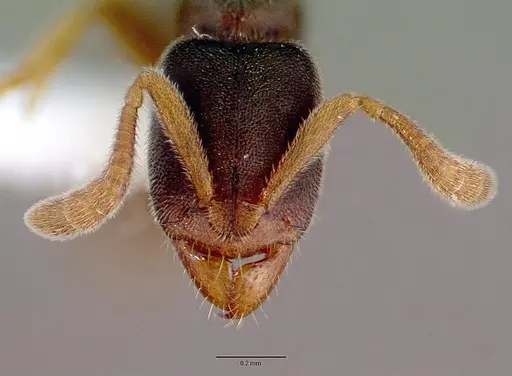
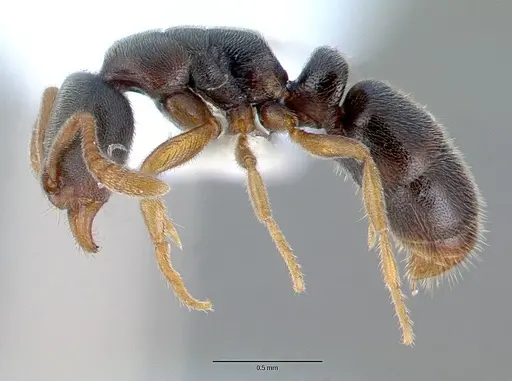
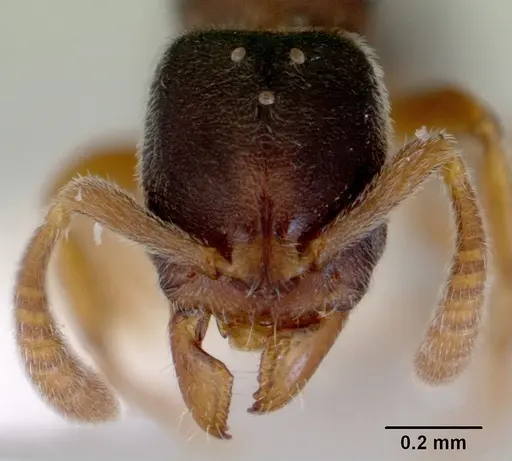
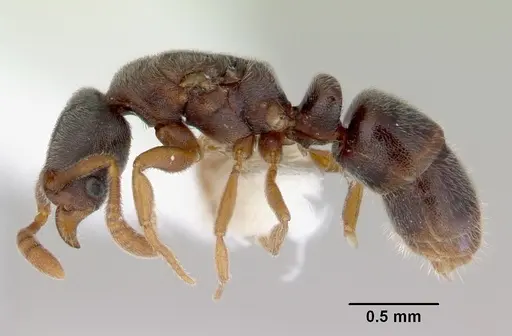
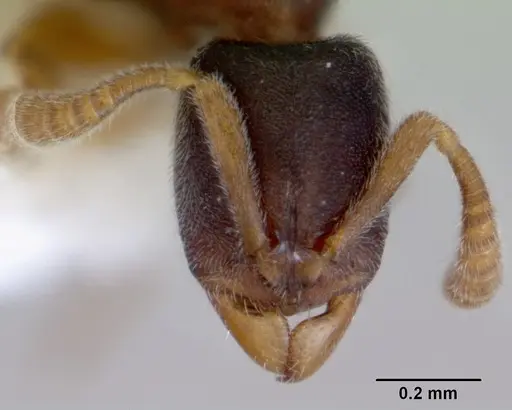
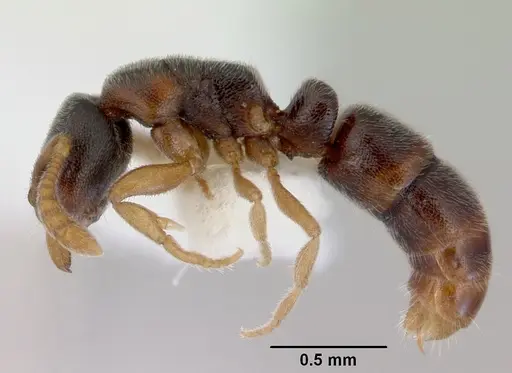
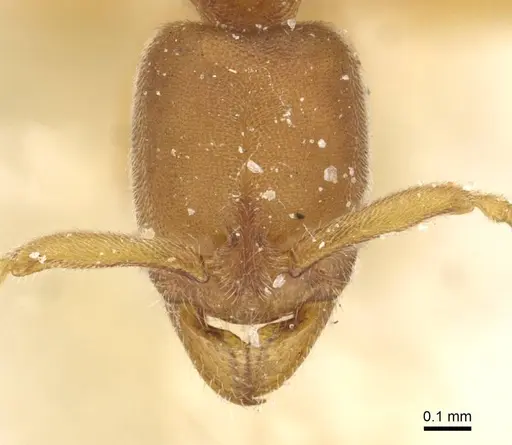
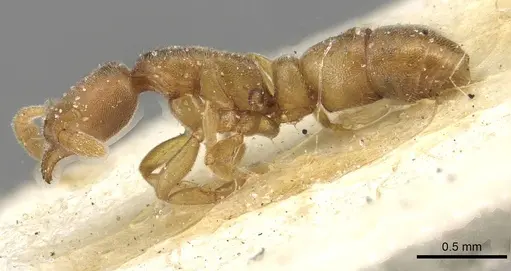
Ponera japonica is a tiny subterranean ant native to East Asia, found across Japan, Korea, China, and the Russian Far East. Workers measure just 2.5mm and are brown to blackish brown in color, with notably short antennal scapes that don't reach the back of the head [1][2]. This species is one of the most dominant hypogaeic (soil-dwelling) ants in northern Japan's deciduous forests, where it lives almost entirely underground [3]. Unlike many ants, their larvae do not spin cocoons, so pupae are naked [2]. Queens are slightly larger at 2.7mm and darker than workers [4].
What makes P. japonica special is its completely subterranean lifestyle, you will rarely, if ever, see workers foraging above ground. They are indicator species for healthy forest environments, preferring damp, shaded forest floors with moderate moisture [5][6]. Their colonies are tiny, typically containing fewer than 15 workers, making them one of the smallest ant colonies you'll encounter [7].
Quick Summary
- Difficulty: Medium
- Origin & Habitat: Native to East Asia: Japan (Hokkaido to Kyushu), South Korea, North Korea, China, and Russian Far East (Primorye, Kuril Islands) [8][2]. Found in forested habitats as well as open sites, from low-lying areas to mountainous sites [4]. Prefers forest floor environments with low light intensity and moderate moisture, they thrive in broadleaf woods and grasslands but avoid very dry or waterlogged areas [9][10].
- Colony Type: Single queen colonies (monogyne). Colony size is very small, typically under 15 workers [7]. Queens are known to have ergatoid (wingless) replacement reproductives that can take over if the primary queen dies, this is common in the genus Ponera.
- Colony: Monogyne
- Founding: Claustral
- Size & Growth:
- Queen: 2.7mm [4]
- Worker: 2.5mm (HL 0.50-0.58mm, HW 0.41-0.47mm) [1][2]
- Colony: Under 15 workers, one of the smallest colony sizes recorded for any ant species [7][11]
- Growth: Slow, small colonies grow very gradually
- Development: Estimated 8-12 weeks based on typical Ponerinae development patterns at room temperature. No specific studies on this species, but related Ponera species suggest a slow development compared to faster-growing myrmicine ants. (Development is likely slow given their small colony size and northern distribution. Larvae do not spin cocoons, so pupae are naked, this may affect development time compared to cocoon-spinning species.)
- Antkeeping:
- Temperature: Keep cool to moderate, around 18-22°C. This species is adapted to northern Japan's cool-temperate climate and may struggle in warm conditions. Room temperature is likely ideal, avoid heating above 24°C.
- Humidity: High humidity is essential. These are forest floor ants that live in damp soil and humus. Keep the nest substrate consistently moist but not waterlogged. Provide a gradient with a consistently damp area and a slightly drier area for the ants to choose between.
- Diapause: Yes, required. Found in northern Japan where winters are cold. You should provide a winter rest period of 3-4 months at temperatures around 5-10°C (unheated garage or refrigerator works). Reduce feeding during this time.
- Nesting: Naturalistic setup works best, a shallow soil/plaster nest that stays moist. They prefer tight chambers close to the surface (they're a shallow-nesting species). Test tubes with cotton can work but may need to be kept more humid than typical. Avoid deep, dry setups.
- Behavior: Extremely docile and non-aggressive. Workers are tiny and completely subterranean, you will rarely see them outside the nest. They do not form visible foraging trails and are not interested in sugar sources. They are poor escape artists due to their small size but can squeeze through very small gaps. They pose no threat to humans, they are too small to sting effectively.
- Common Issues: tiny colony size means slow growth and small colony populations, don't expect large colonies, high humidity requirements are easy to get wrong, too dry and they die, too wet and mold becomes a problem, subterranean lifestyle makes them nearly invisible, this is normal, not a sign something is wrong, winter diapause is required in temperate regions, skipping it will weaken or kill the colony, they are not interested in sugar or honey, protein is their primary food source
Housing and Nest Setup
Ponera japonica is a shallow-nesting subterranean species that requires high humidity and tight, moist chambers. A naturalistic setup with a shallow soil or plaster nest works best, these ants don't need deep spaces, they prefer to stay near the surface where it's easier to maintain moisture [10]. The nest should have chambers scaled to their tiny 2.5mm workers, standard test tubes can work but may dry out too quickly. If using test tubes, keep them in a humid setup like a plastic container with damp substrate. A small formicarium with narrow passages and a water reservoir works well. Because they are so small and live almost entirely underground, you won't see much activity, this is completely normal for this species. Escape prevention is important despite their small size, they can squeeze through surprisingly small gaps, so ensure all connections are tight.
Feeding and Diet
Like other Ponera species, P. japonica is primarily predatory on small soil micro-arthropods. In captivity, they accept small live prey such as springtails, tiny mites, and fruit fly larvae. They are NOT interested in sugar sources or honey, this is typical for predatory Ponerinae. Feed small protein prey items 2-3 times per week, removing any uneaten prey after 24 hours. Because their colonies are tiny (under 15 workers), even one small prey item is a substantial meal. Do not overfeed, excess prey can rot and cause mold problems in their humid setup. Some keepers report success with very small pieces of raw meat or fish, but live prey is preferred. [2]
Temperature and Seasonal Care
Keep these ants cool, they are adapted to northern Japan's temperate to cool-temperate climate. Room temperature (18-22°C) is ideal. They do poorly in warm conditions and may become sluggish or die above 24°C. In summer, ensure they are not near heat sources. In winter, they require a diapause (winter rest) period of 3-4 months at temperatures around 5-10°C. This can be achieved by moving them to an unheated garage, basement, or refrigerator (not freezer). Reduce feeding during diapause but do not stop entirely, occasionally offer a tiny piece of prey. The nuptial flight occurs in September in the wild [5], so if you have a mature colony, watch for winged reproductives around that time.
Understanding Their Subterranean Lifestyle
One of the most important things to understand about P. japonica is that they are almost entirely subterranean, you will rarely see workers outside the nest. Studies show they have no aboveground worker activity and are indicator species for forest floor environments [6]. They live in the top few centimeters of soil, particularly in the humus layer, and forage underground. This means you should not expect to see them marching around an outworld or collecting sugar water. Their tiny colonies (under 15 workers) also mean they will always appear as a small, quiet cluster. This is not a species for someone who wants to watch active foraging, it's for keepers who appreciate the quiet, hidden world of soil-dwelling ants. If you want to observe them, use a shallow naturalistic setup where you can see into the chambers.
Growth and Development
P. japonica colonies grow very slowly due to their tiny natural colony size. Wild colonies contain fewer than 15 workers [7], and captive colonies will likely max out at 20-30 workers even under ideal conditions. The larvae do not spin cocoons, resulting in naked pupae [2], this is unusual among ants and may affect how you recognize brood stages. Development from egg to worker likely takes 8-12 weeks based on typical Ponerinae patterns, but no specific studies exist for this species. First workers (nanitics) will be very small and may take longer to develop than subsequent workers. Patience is essential with this species, small, consistent feedings of appropriate prey will gradually build the colony over many months or even years.
Colony Founding
While not directly studied, Ponera species are typically claustral founders. The queen seals herself in a small chamber and survives entirely on her stored fat reserves until her first workers emerge. She does not forage during founding. After the first workers (nanitics) hatch, the colony expands slowly. In the wild, colonies are founded in soil or under stones in shaded forest locations. For captive founding, provide a claustral setup with a small test tube or founding chamber kept humid and undisturbed. Do not feed the founding queen, she does not need it. Wait patiently for 8-12 weeks before expecting any workers, and do not disturb the chamber during this time.
Frequently Asked Questions
How long does it take for Ponera japonica to produce first workers?
Estimated 8-12 weeks from egg to worker at room temperature (18-22°C). This is based on typical Ponerinae development patterns since specific studies on this species are not available. Be patient, they grow slowly.
Can I keep Ponera japonica in a test tube?
Yes, but it requires careful humidity management. Keep the test tube in a humid container or use a small setup with damp substrate. Standard test tubes work but may dry out faster than with larger ants. A shallow naturalistic or plaster nest is often better for maintaining the high humidity they need.
What do Ponera japonica eat?
They are predatory on small soil micro-arthropods. Feed small live prey like springtails, tiny mites, and fruit fly larvae. They are NOT interested in sugar or honey. Protein-only diet is essential for this species.
Are Ponera japonica good for beginners?
They are challenging due to their specific humidity requirements, slow growth, tiny colony size, and nearly invisible subterranean lifestyle. They are not recommended as a first ant but can be rewarding for keepers who appreciate soil-dwelling species and have experience maintaining high humidity setups.
Do Ponera japonica need hibernation?
Yes, they require a winter diapause. In their native range (northern Japan), winters are cold. Provide 3-4 months at 5-10°C in winter (unheated garage or refrigerator). Reduce feeding during this period but do not stop completely.
Why can't I see my Ponera japonica workers?
This is completely normal, they are a subterranean species with no aboveground worker activity. They live in the top few centimeters of soil and forage underground. You will only see them if you look carefully into a shallow nest setup.
How big do Ponera japonica colonies get?
Very small, wild colonies have fewer than 15 workers [7]. In captivity, they may reach 20-30 workers at maximum. This is one of the smallest colony sizes of any ant species. Do not expect large, impressive colonies.
Can I keep multiple Ponera japonica queens together?
Not recommended. While they are not documented as polygynous, combining unrelated foundresses carries risks of fighting. Single-queen colonies are standard for this species.
When do Ponera japonica have nuptial flights?
September in the wild [5]. If you have a mature colony, watch for winged reproductives around early to mid-fall.
References

This caresheet is licensed under CC BY-SA 4.0 .
CASENT0008646
View on AntWeb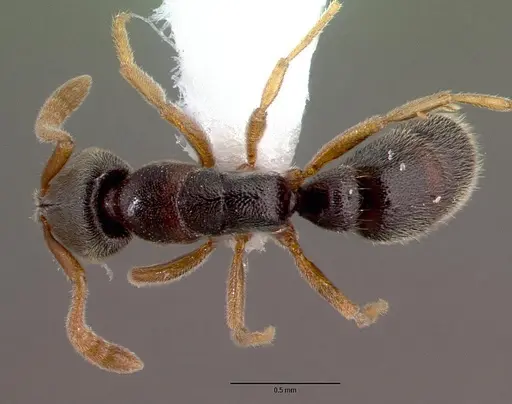
CASENT0172426
View on AntWeb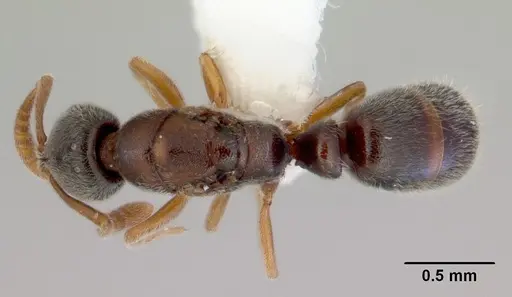
CASENT0172427
View on AntWeb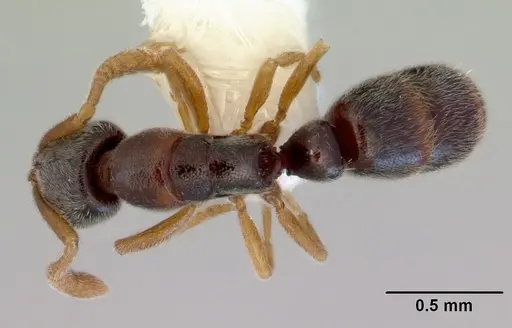
CASENT0915295
View on AntWeb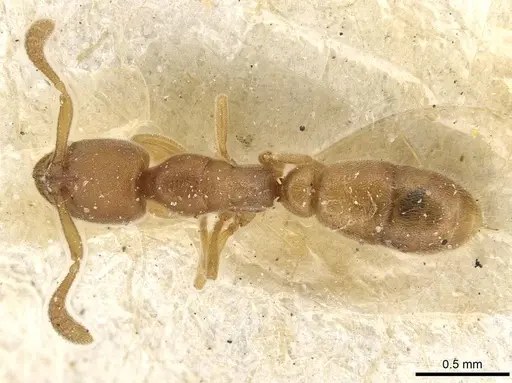
Literature
Loading...Loading products...