

Polyrhachis wroughtonii
- Scientific Name
- Polyrhachis wroughtonii
- Subgenus
- Myrmhopla
- Tribe
- Camponotini
- Subfamily
- Formicinae
- Author
- Forel, 1894
- Distribution
- Found in 1 countries
Polyrhachis wroughtonii Overview
Polyrhachis wroughtonii is an ant species of the genus Polyrhachis. It is primarily documented in 1 countries , including India. Detailed taxonomic data and occurrence records can be further explored via authoritative databases such as AntWeb or the Global Biodiversity Information Facility (GBIF).
Polyrhachis wroughtonii
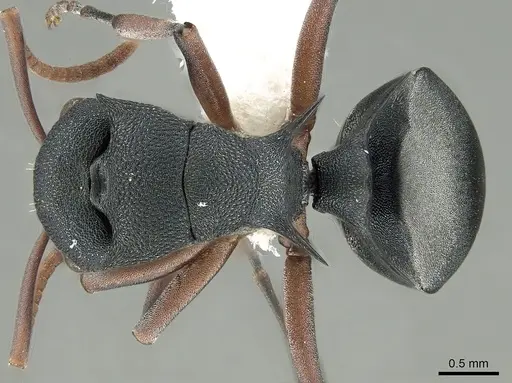
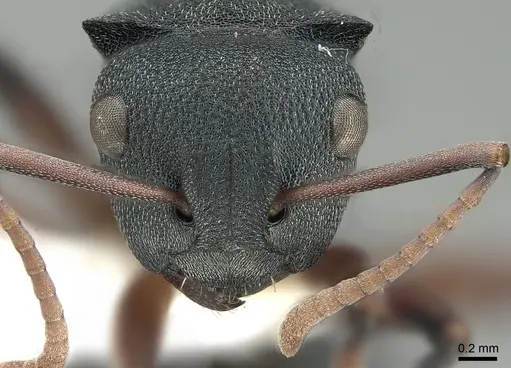
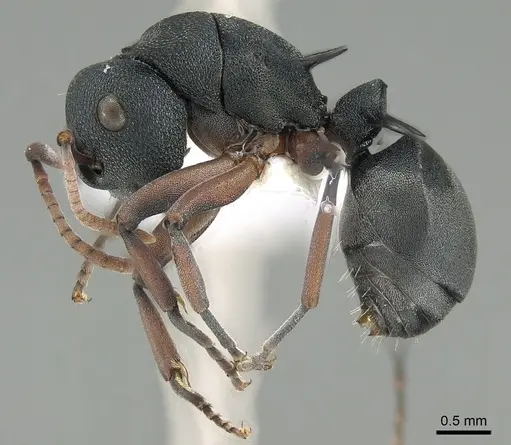
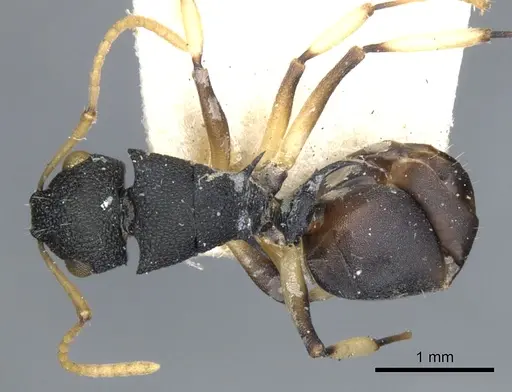
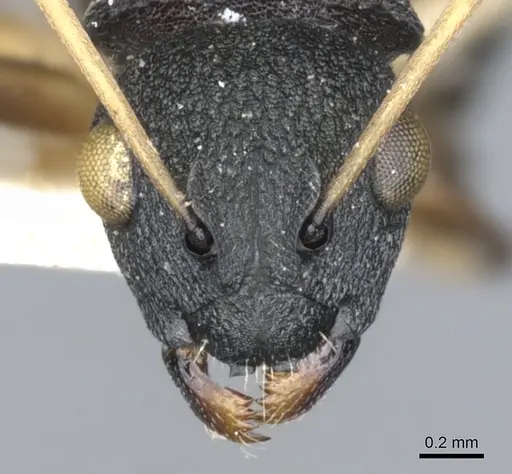
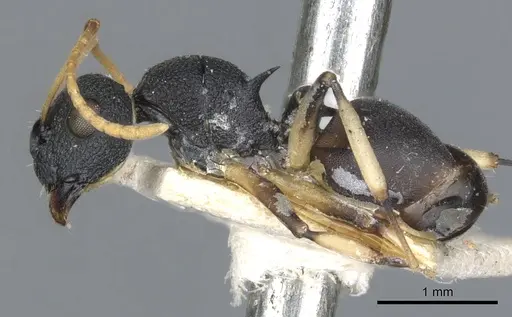
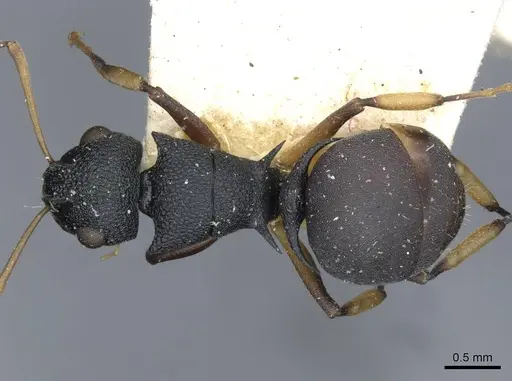
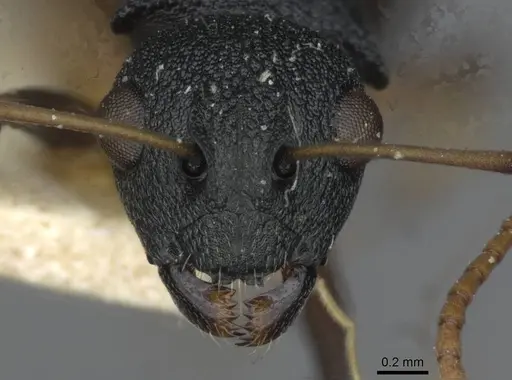
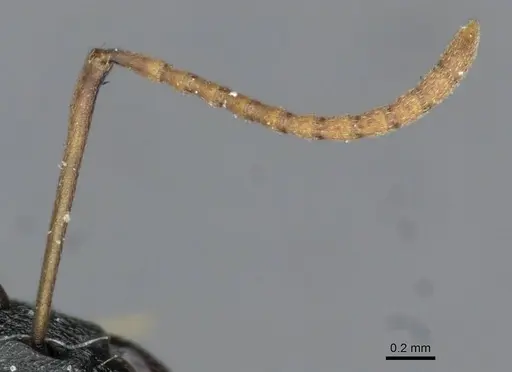
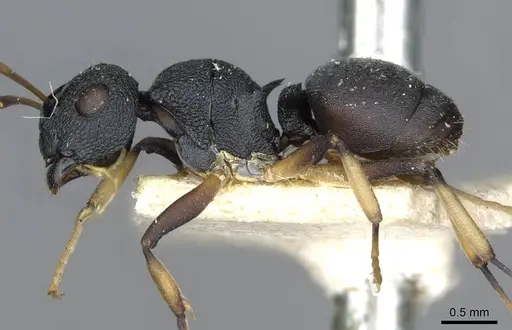
Polyrhachis wroughtonii is a small, strikingly bicolored ant native to India and Sri Lanka. Workers measure just 4.5-5mm with a black body and yellow to light reddish-brown legs and antennae [1]. This species belongs to the Polyrhachis cryptoceroides species-group, distinguished by its rounded mesosoma sides and lack of a metanotal groove [1]. The species is apparently quite rare, having been collected only a few times in the wild [1]. As a member of the Formicinae subfamily, these ants lack a stinger but can defend themselves through biting and formic acid喷射.
Quick Summary
- Difficulty: Medium
- Origin & Habitat: Native to the Indomalaya region, specifically India and Sri Lanka, with records from Arunachal Pradesh, Meghalaya, and Sikkim [2][3]. Found in tropical to subtropical climates.
- Colony Type: Likely monogyne (single queen) based on typical Polyrhachis patterns, though colony structure is not directly documented for this rare species.
- Size & Growth:
- Queen: Not directly measured, estimated 6-8mm based on genus patterns
- Worker: 4.5-5mm (4.54-4.99mm TL from syntypes) [1]
- Colony: Unknown, likely moderate, similar to related Polyrhachis species
- Growth: Moderate, estimated based on typical Formicinae development
- Development: Estimated 6-8 weeks at optimal temperature based on genus patterns (Development time inferred from related Formicinae species, actual timing unconfirmed for this species)
- Antkeeping:
- Temperature: Keep at 24-28°C. Being from tropical India, they prefer warm conditions. A gentle gradient allowing them to self-regulate is ideal.
- Humidity: Moderate to high humidity (60-80%). Provide a moist nest area but ensure ventilation to prevent mold.
- Diapause: Likely minimal or no true diapause given their tropical origin. A slight cooling period (2-4 weeks at 18-20°C) may be beneficial but is not required.
- Nesting: Semi-arboreal preferences suggest they do well in Y-tong or acrylic nests with some vertical space. They may appreciate twigs or branches in the outworld.
- Behavior: Generally calm and non-aggressive compared to some other ants. Workers are active foragers. As small ants, they can escape through standard barriers but are not particularly fast or determined escape artists. They likely recruit nestmates to food sources through chemical trails.
- Common Issues: Rare species means limited availability and higher cost, Specific humidity and temperature requirements may be finicky, Colony growth may be slow, requiring patience, Wild-caught colonies may have low genetic diversity, Limited information makes care optimization challenging
Housing and Nest Setup
Polyrhachis wroughtonii does well in standard formicarium setups. A Y-tong (acrylic) nest works well, providing dark chambers for the colony. Given their small size (under 5mm), ensure any connections between nest and outworld are narrow enough to prevent escapes. Many keepers success with a test tube setup for founding colonies, transitioning to a proper formicarium once the colony reaches 20-30 workers. The outworld should include substrate for foraging and potential decoration with small plants or branches to mimic their natural arboreal tendencies. [1]
Feeding and Diet
Like most Polyrhachis species, these ants are omnivorous. Offer sugar water or honey as a constant energy source. For protein, provide small insects like fruit flies, pinhead crickets, or mealworms. In the wild, they likely forage for honeydew from aphids and small arthropods. Feed protein 2-3 times per week, adjusting based on colony size and consumption. Remove uneaten prey after 24-48 hours to prevent mold.
Temperature and Heating
Being native to tropical India and Sri Lanka, Polyrhachis wroughtonii prefers warm conditions. Maintain nest temperatures between 24-28°C. A small heating cable or mat on one side of the nest creates a gentle gradient, allowing ants to self-regulate. Place heating on top of the nest rather than underneath to avoid excessive drying. Room temperature (22-25°C) may suffice in warmer climates, but supplemental heating is often beneficial for optimal brood development. [2]
Humidity and Water
These ants prefer moderate to high humidity, around 60-80%. Keep the nest substrate consistently moist but not waterlogged. A water tube attached to the nest provides a constant moisture source. Monitor for condensation, some condensation is good but excessive moisture leads to mold. Ensure adequate ventilation to balance humidity with fresh air. The outworld should have a shallow water dish for drinking.
Colony Founding
Queen founding behavior has not been directly documented for this species. Based on typical Formicinae patterns, the queen likely seals herself in a claustral chamber and raises her first workers on stored fat reserves. The founding chamber should be small and dark. Expect 4-8 weeks for first workers (nanitics) to emerge. Do not disturb the queen during this critical period. Once nanitics arrive, you can begin offering minimal food.
Behavior and Temperament
Polyrhachis wroughtonii workers are relatively calm and not particularly aggressive. They are active foragers and will explore the outworld in search of food. Workers likely communicate via chemical trails and may recruit nestmates to good food sources. While they lack a stinger, they can bite and spray formic acid as defense. Their small size makes them vulnerable in captivity, ensure they cannot be accidentally crushed when cleaning or feeding. [1]
Frequently Asked Questions
How long does it take for Polyrhachis wroughtonii to produce first workers?
Based on typical Formicinae development, expect first workers (nanitics) in 6-8 weeks after the queen lays eggs. This timeline is estimated rather than directly documented for this rare species.
What do Polyrhachis wroughtonii ants eat?
They are omnivorous. Offer sugar water or honey constantly for energy, and protein sources like small insects (fruit flies, pinhead crickets, mealworms) 2-3 times per week.
What temperature do Polyrhachis wroughtonii need?
Keep them warm at 24-28°C. Being from tropical India, they prefer warmer conditions. A heating cable on one side of the nest creates an ideal gradient.
Are Polyrhachis wroughtonii good for beginners?
This species is rated as Medium difficulty. While not the hardest species, their specific humidity needs and the fact that they are rare and not well-documented makes them better suited for keepers with some experience.
How big do Polyrhachis wroughtonii colonies get?
Colony size is not directly documented for this rare species. Based on related Polyrhachis species, colonies likely reach several hundred workers.
Can I keep multiple Polyrhachis wroughtonii queens together?
Colony structure is unconfirmed for this species. Based on typical Polyrhachis patterns, they likely form single-queen colonies. Combining unrelated queens is not recommended without documented evidence of pleometrosis.
Do Polyrhachis wroughtonii need hibernation?
Probably not. Being from tropical India and Sri Lanka, they likely do not require a true diapause. A slight cooling period (2-4 weeks at 18-20°C) may be beneficial but is not required.
Why is my Polyrhachis wroughtonii colony dying?
Common causes include: temperature too low (below 22°C), humidity too dry or too wet, mold from poor ventilation, stress from disturbance during founding, or poor nutrition. Review each parameter and adjust gradually.
When should I move my colony to a formicarium?
Move from a test tube setup to a formicarium once the colony reaches 20-30 workers and the water tube is running low. Make the transition gradually by connecting the tube to the formicarium and allowing the colony to explore on their own.
References

This caresheet is licensed under CC BY-SA 4.0 .
Literature
Loading...Loading products...