

Polyrhachis wellmani
- Scientific Name
- Polyrhachis wellmani
- Subgenus
- Myrma
- Tribe
- Camponotini
- Subfamily
- Formicinae
- Author
- Forel, 1909
- Distribution
- Found in 1 countries
Polyrhachis wellmani Overview
Polyrhachis wellmani is an ant species of the genus Polyrhachis. It is primarily documented in 1 countries , including Cameroon. Detailed taxonomic data and occurrence records can be further explored via authoritative databases such as AntWeb or the Global Biodiversity Information Facility (GBIF).
Polyrhachis wellmani
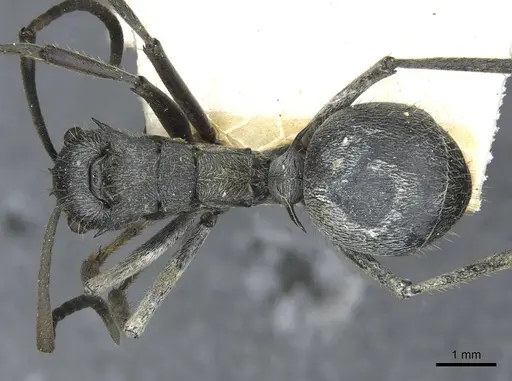
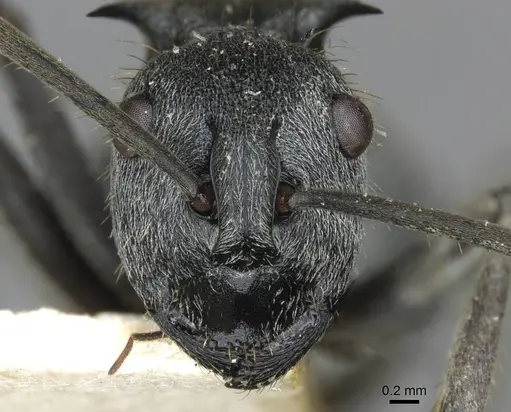
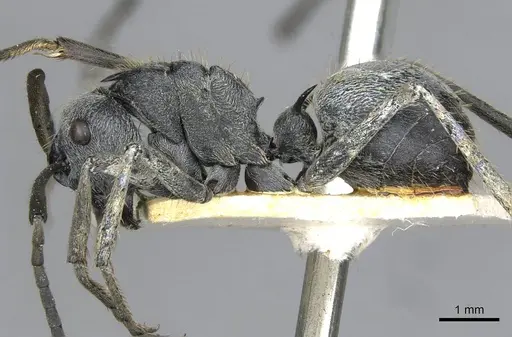
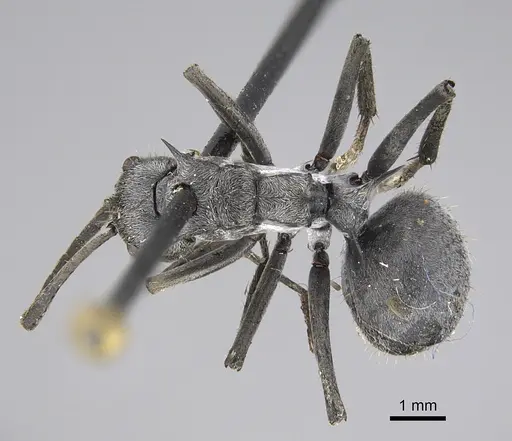
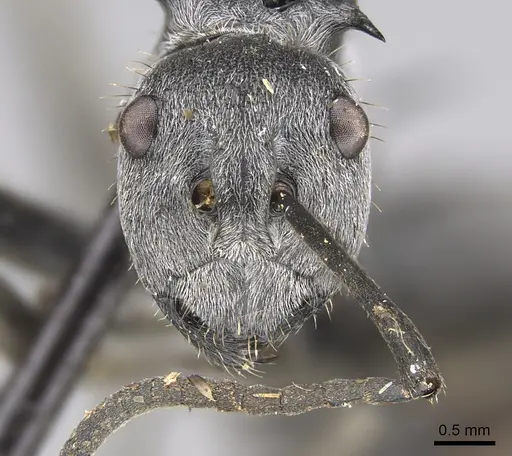
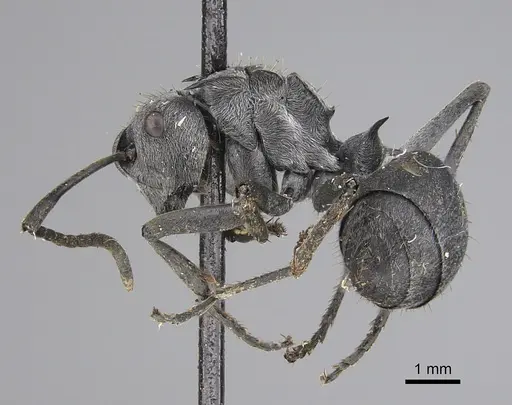
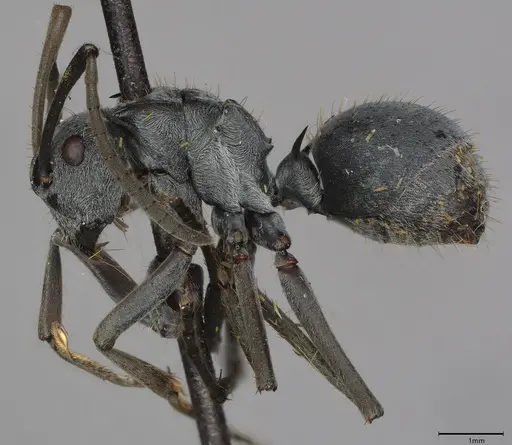
Polyrhachis wellmani is a medium-sized African ant belonging to the Formicinae subfamily, measuring 8.3-8.7mm in total length. Workers have a distinctive appearance with long spines protruding from the pronotum (the first segment of the thorax), short upcurved teeth on the propodeum, and a single pair of spines on the petiole, the key identifying feature that separates them from their close relative P. schistacea which has additional lateral teeth. The entire body is covered in numerous erect yellow-white hairs and dense pubescence that partially hides the sculpturing. These ants are found across the Afrotropical region including Angola, the Democratic Republic of Congo, and Zambia [1][2].
The biology of P. wellmani specifically remains unstudied, but researchers note it closely resembles Polyrhachis schistacea, suggesting similar life history traits [3]. This relationship means keepers can draw reasonable care inferences from what we know about related Polyrhachis species in the militaris group.
Quick Summary
- Difficulty: Medium
- Origin & Habitat: Afrotropical region, found in Angola, Democratic Republic of Congo, and Zambia [1][2]. Likely inhabits tropical savanna and forest edge habitats typical of the genus.
- Colony Type: Colony structure is unconfirmed. Based on related species in the militaris group, likely forms single-queen colonies (monogyne) with moderate colony sizes.
- Colony: Monogyne
- Founding: Claustral
- Size & Growth:
- Queen: Unknown for this species, related Polyrhachis queens are typically 10-15mm
- Worker: 8.3-8.7mm
- Colony: Likely several hundred workers based on related species patterns
- Growth: Moderate, inferred from genus patterns
- Development: 8-12 weeks estimated based on typical Formicinae development at warm temperatures (Development time is estimated from related Polyrhachis species, specific data for this species does not exist)
- Antkeeping:
- Temperature: Keep at 24-28°C. Provide a gentle temperature gradient allowing workers to self-regulate. Related Polyrhachis species are tropical and require warmth [3].
- Humidity: Moderate to high humidity around 60-80%. Keep nest substrate moist but not waterlogged. Provide a water source.
- Diapause: Unlikely, as a tropical African species, they probably do not require a true hibernation period. They may show reduced activity during cooler months.
- Nesting: In captivity, they do well in Y-tong (AAC), plaster, or acrylic nests. Provide narrow chambers scaled to their medium size. They may accept naturalistic setups with soil and decorative elements.
- Behavior: Polyrhachis ants are generally less aggressive than some genera, with a moderate temperament. Workers are active foragers that likely scavenge and tend honeydew-producing insects. Escape prevention should be moderate, their medium size makes them capable climbers but not as prone to escaping as tiny species. They do not have a painful sting, though Formicinae ants can spray formic acid as a defense [3].
- Common Issues: tropical warmth requirements mean colonies can struggle in cool rooms or during winter without heating, limited specific biology data means keepers must adapt care from related species, medium size requires appropriately scaled nest chambers, too large chambers can stress colonies, wild-caught colonies may have parasites or diseases that cause captive failures, poor escape prevention can allow escapes despite their moderate size
Nest Preferences and Housing
Polyrhachis wellmani is a medium-sized ant that does well in standard formicarium setups. Y-tong (acrylic) nests work excellently, provide chambers roughly 10-15mm in height with connecting tunnels. Plaster nests are also suitable and help maintain humidity. The key is matching chamber size to worker size, avoid overly large spaces that can make the colony feel insecure. A test tube setup works for founding colonies, but you'll need to move them to a proper formicarium once the colony reaches 20-30 workers. Naturalistic setups with a soil chamber and decorative elements can mimic their natural habitat and encourage natural behaviors. [3]
Feeding and Diet
Like other Polyrhachis species, P. wellmani is an omnivorous forager. Offer a varied diet including sugar sources (honey water, sugar water) and protein (dead insects, mealworms, crickets). In the wild, they likely forage for honeydew from aphids and scale insects, plus dead arthropods. Feed protein 2-3 times per week and keep a sugar source available constantly. Remove uneaten prey after 24-48 hours to prevent mold. Fresh water should always be available, a small water tube or shallow dish works well.
Temperature and Seasonal Care
As a tropical African species, P. wellmani requires warm conditions. Keep the nest area at 24-28°C with a gentle gradient so workers can move to their preferred temperature zone. A heating cable or mat on one side of the nest works well, place it on top of the formicarium, not underneath, to avoid excessive drying. Room temperature alone is often insufficient unless your home is naturally warm. During cooler months, monitor activity levels, if workers become sluggish, slight heating may help. Unlike temperate species, they do not require a true hibernation period. [3]
Behavior and Colony Dynamics
Polyrhachis wellmani workers are active foragers with a moderate temperament. They are not particularly aggressive but will defend their nest if threatened. The genus is known for workers that can be quite bold in exploring their environment. Workers communicate through chemical trails and can recruit nestmates to food sources. The colony will establish definite foraging patterns once established. Unlike some Formicinae, they do not possess a painful sting, but they can spray formic acid as a defensive response. Colony growth is moderate, expect several months to reach significant worker numbers from a founding queen.
Frequently Asked Questions
How long does it take for Polyrhachis wellmani to produce first workers?
First workers (nanitics) typically appear in 8-12 weeks under optimal warm conditions. This is an estimate based on related Polyrhachis species since specific development data for P. wellmani does not exist.
What do Polyrhachis wellmani ants eat?
They are omnivorous. Offer sugar water or honey constantly, plus protein sources like dead insects, mealworms, or small crickets 2-3 times weekly. They likely also collect honeydew in the wild.
What temperature do Polyrhachis wellmani ants need?
Keep them at 24-28°C. Provide a temperature gradient so workers can regulate their own temperature by moving between warmer and cooler areas of the nest.
Are Polyrhachis wellmani good for beginners?
They are rated as medium difficulty. While not as challenging as some species, the limited specific biology data means keepers may need to adapt care based on related species. Their warmth requirements are the primary consideration.
How big do Polyrhachis wellmani colonies get?
Based on related species in the militaris group, colonies likely reach several hundred workers. Specific maximum colony size for this species has not been documented.
Can I keep multiple Polyrhachis wellmani queens together?
Colony structure is not confirmed for this species. Based on related Polyrhachis patterns, they likely form single-queen colonies. Combining unrelated queens is not recommended as it has not been studied.
Do Polyrhachis wellmani need hibernation?
No, as a tropical African species, they do not require hibernation. They may show reduced activity during cooler periods but should be kept warm year-round.
When should I move Polyrhachis wellmani to a formicarium?
Keep founding colonies in a test tube setup. Move to a formicarium once the colony reaches 20-30 workers or when the test tube becomes crowded. Ensure the new nest has appropriately sized chambers.
Why is my Polyrhachis wellmani colony declining?
Common causes include: temperatures below 24°C, low humidity, insufficient protein, or disease from wild-caught colonies. Check that warmth and humidity are adequate, and ensure food is being consumed. Wild-caught colonies often carry parasites.
References

This caresheet is licensed under CC BY-SA 4.0 .
Literature
Loading...Loading products...