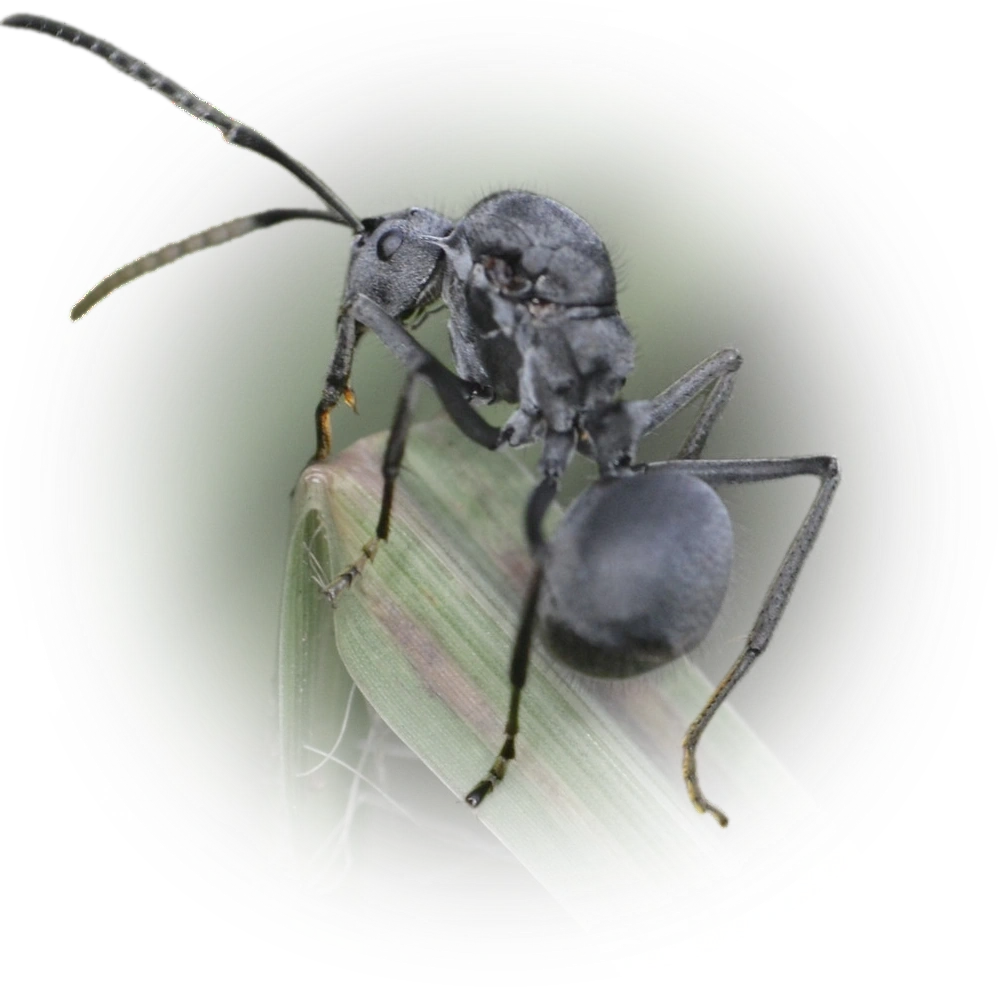

Polyrhachis schistacea
- Scientific Name
- Polyrhachis schistacea
- Subgenus
- Myrma
- Tribe
- Camponotini
- Subfamily
- Formicinae
- Author
- Gerstäcker, 1859
- Common Name
- Savanna Spiny Sugar Ant
- Distribution
- Found in 10 countries
Polyrhachis schistacea Overview
Polyrhachis schistacea (commonly known as the Savanna Spiny Sugar Ant) is an ant species of the genus Polyrhachis. It is primarily documented in 10 countries , including Botswana, Congo, Democratic Republic of the. Detailed taxonomic data and occurrence records can be further explored via authoritative databases such as AntWeb or the Global Biodiversity Information Facility (GBIF).
Polyrhachis schistacea - "Savanna Spiny Sugar Ant"
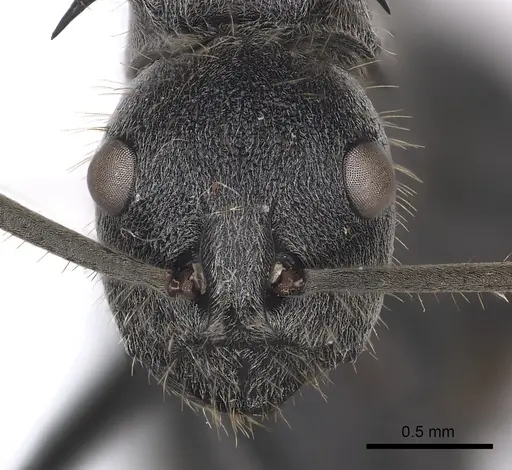
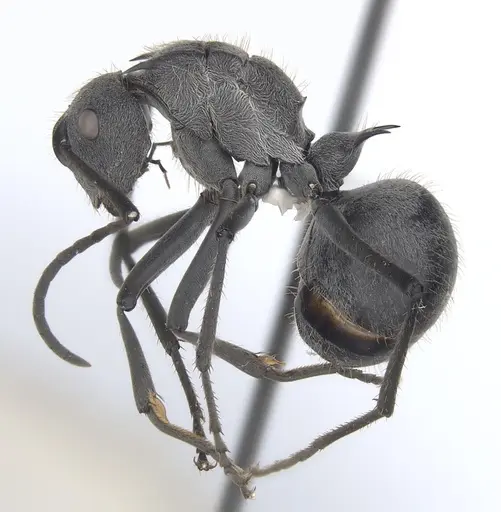
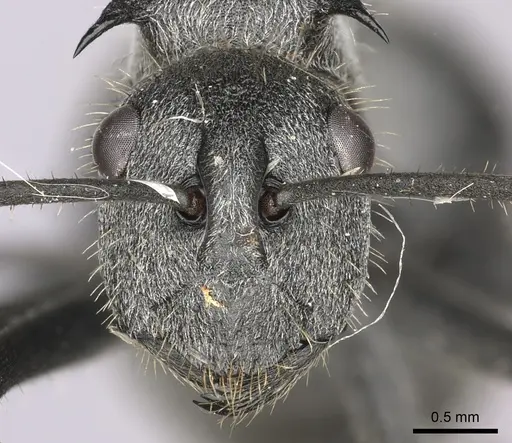
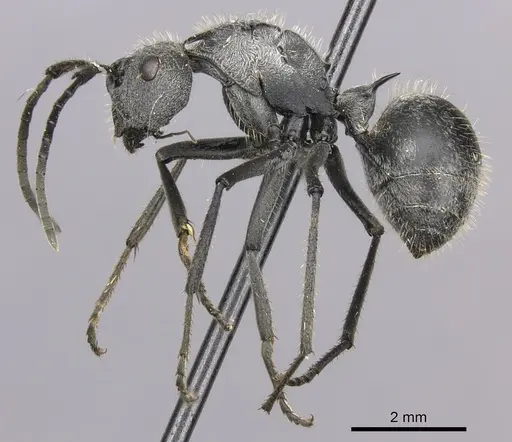
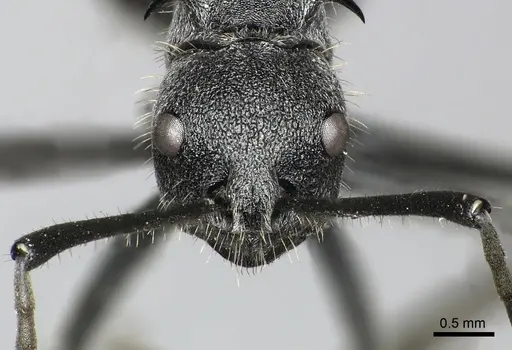
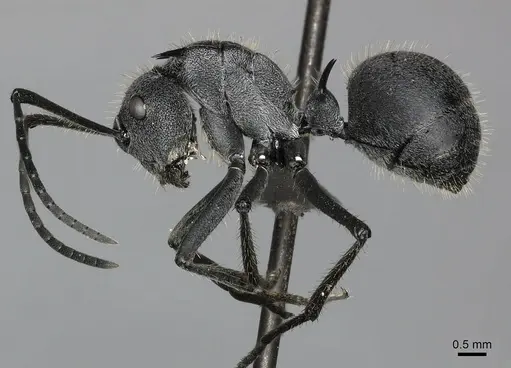
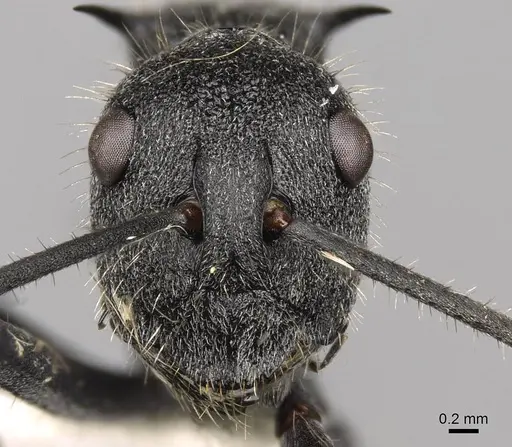
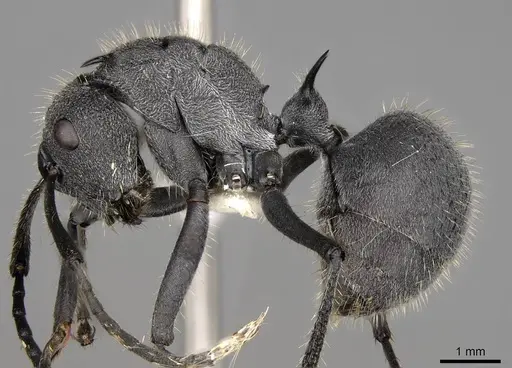
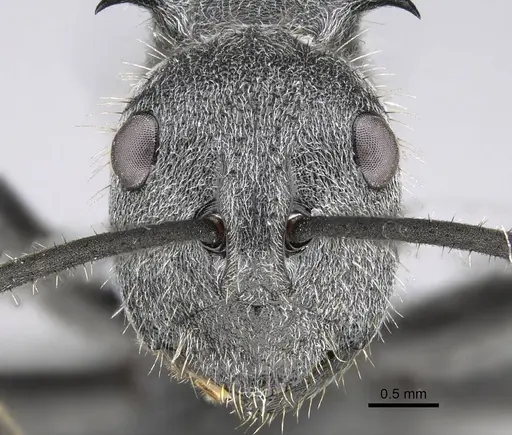
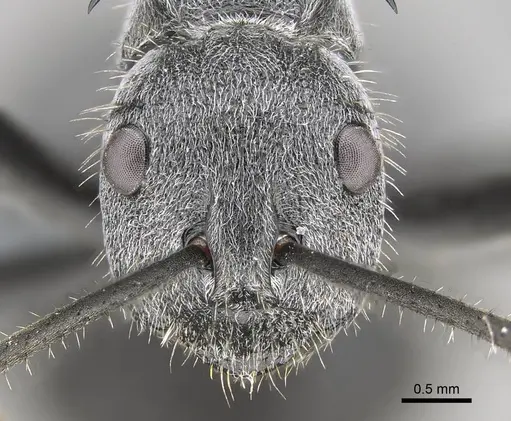
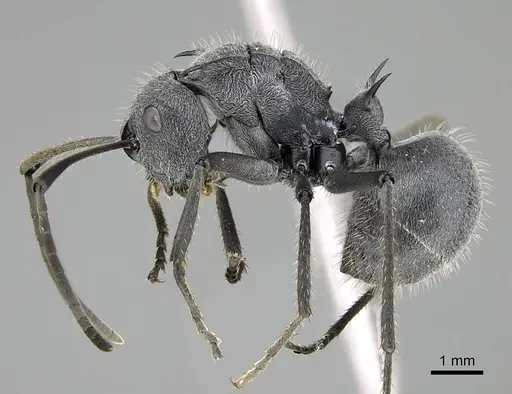
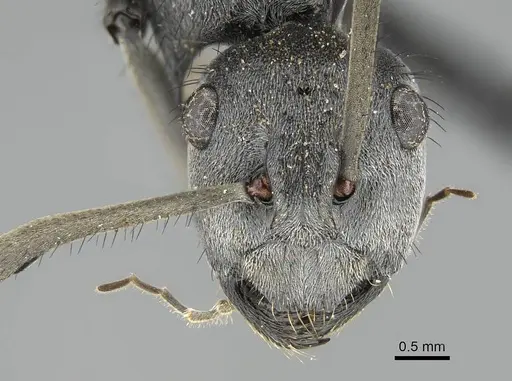
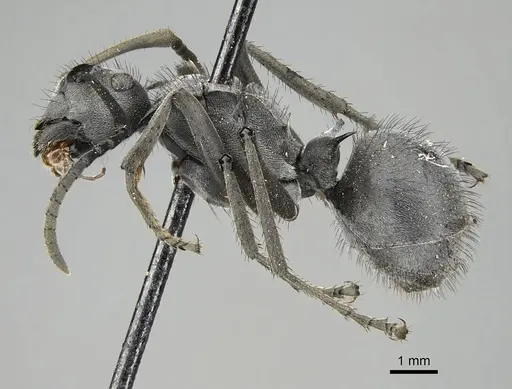
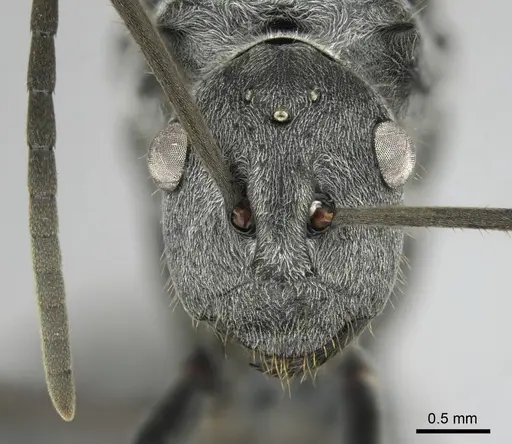
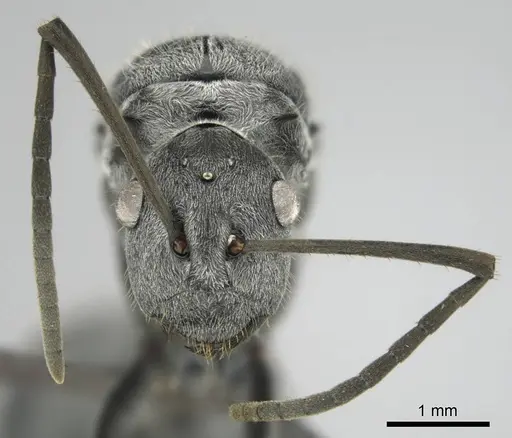
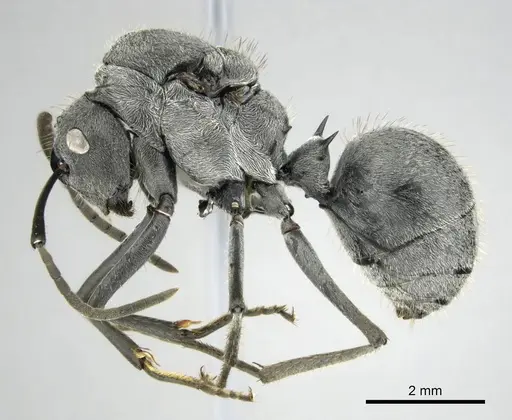
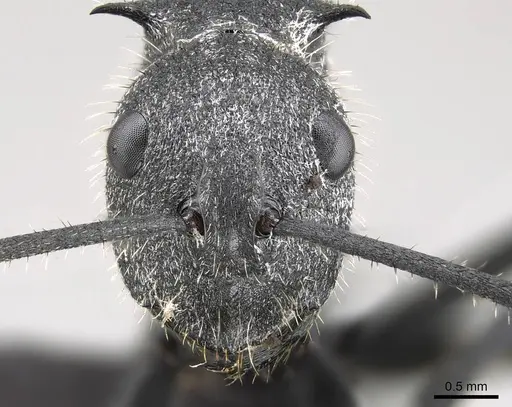
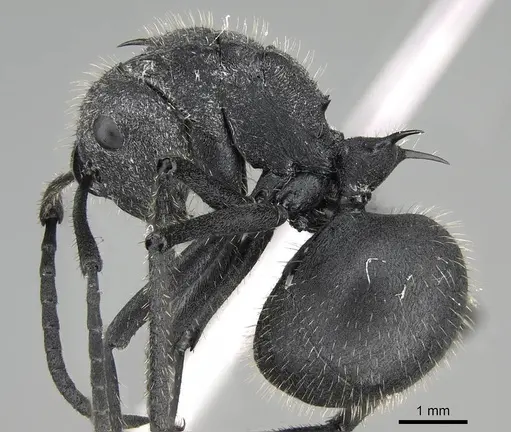
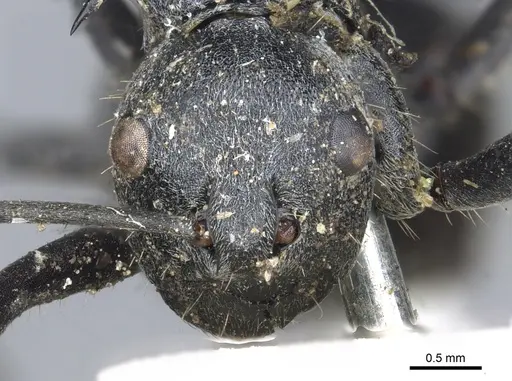
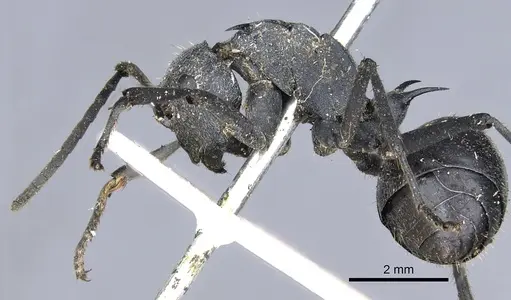
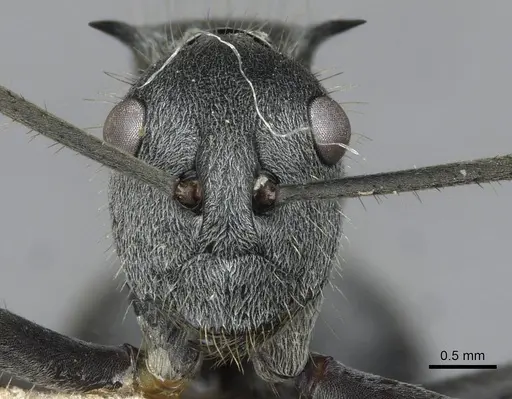
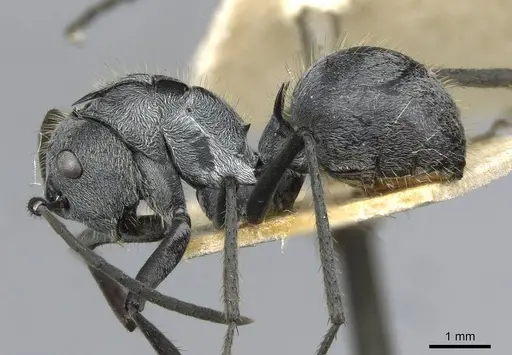
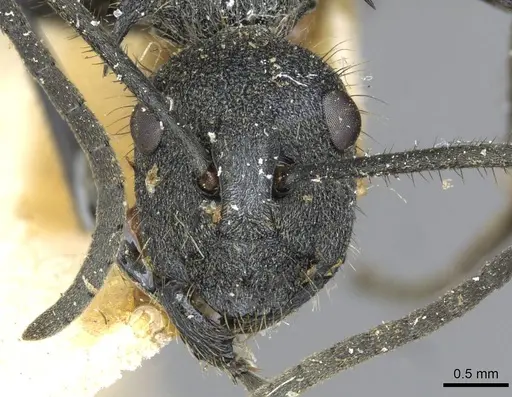
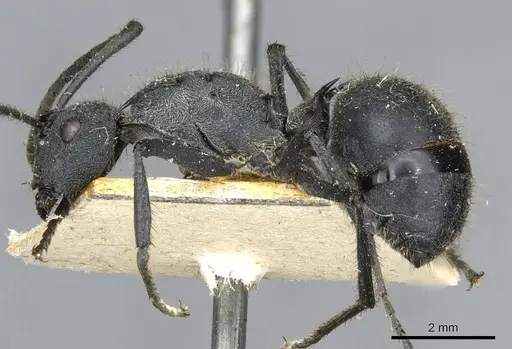
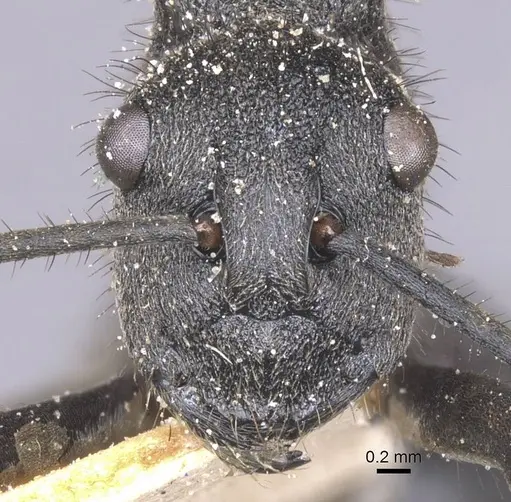
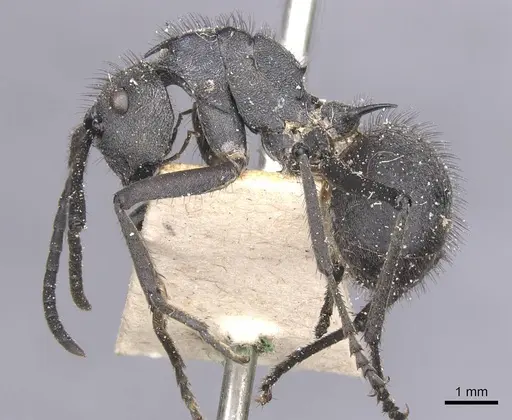
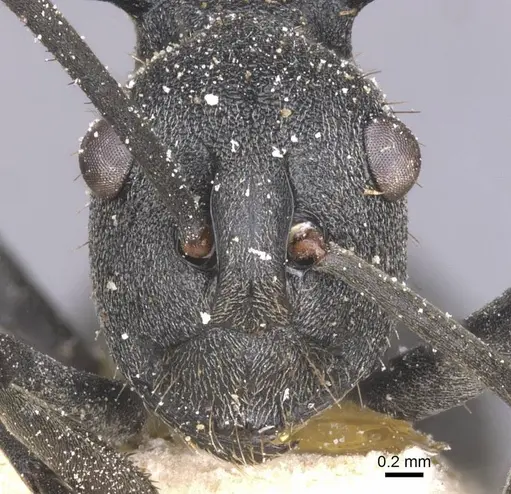
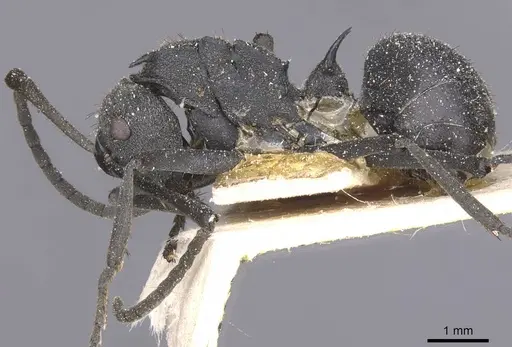
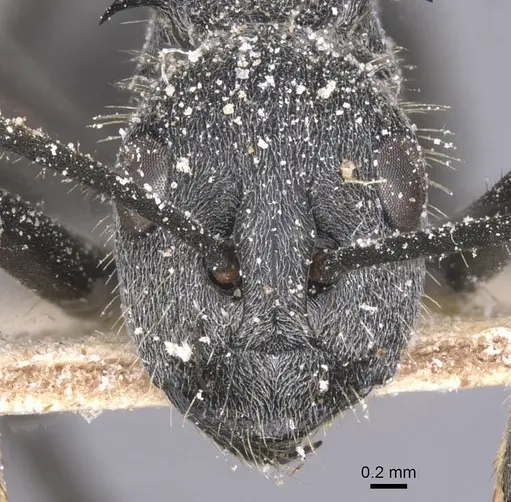
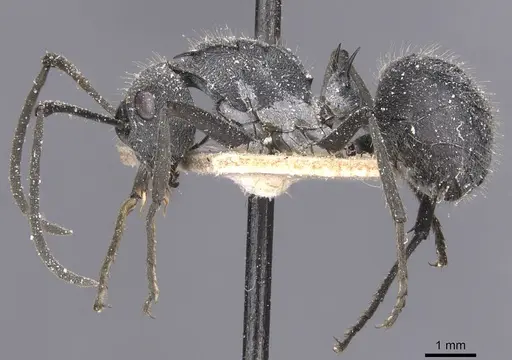
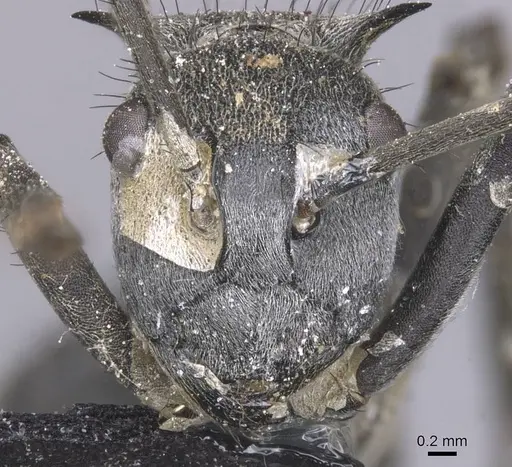
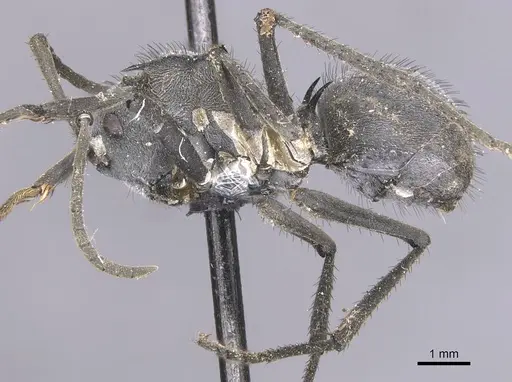
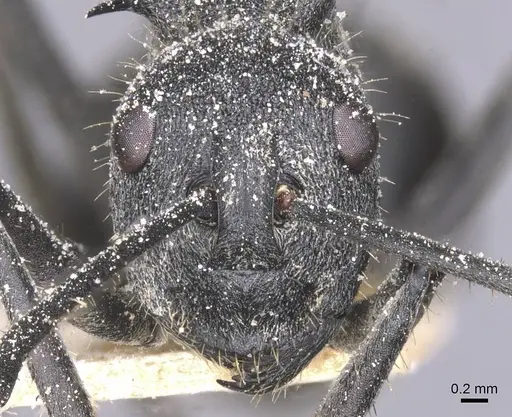
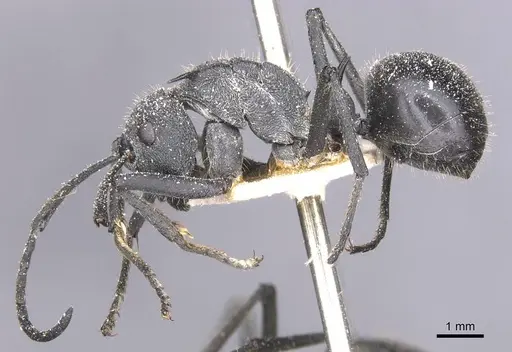
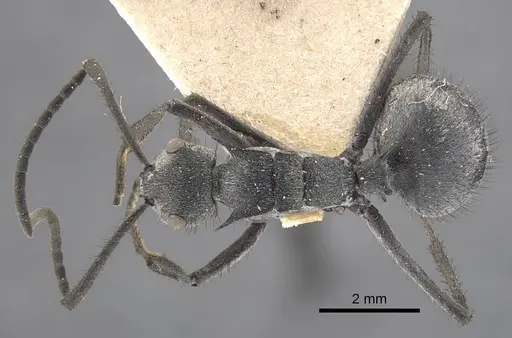
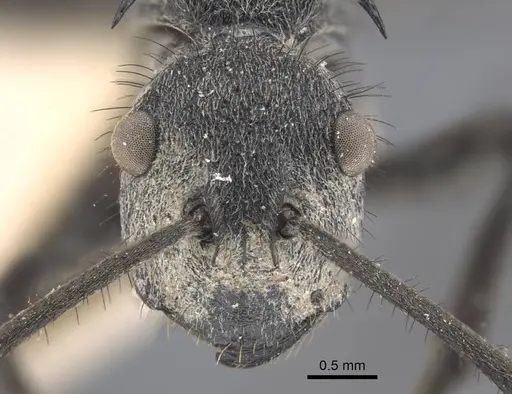
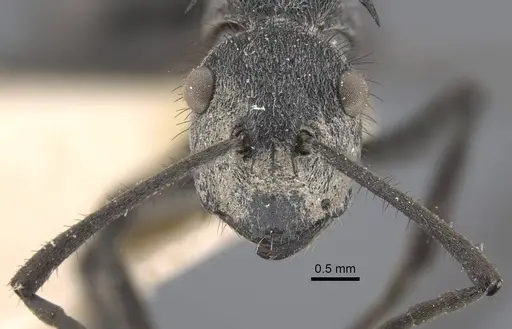
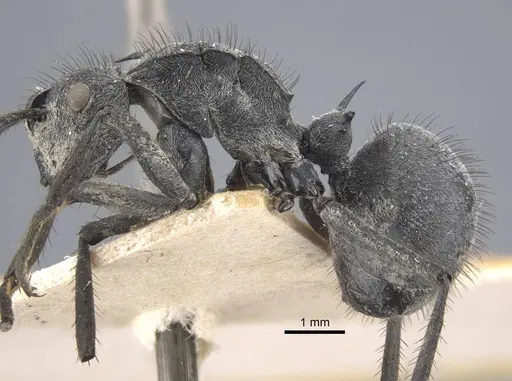
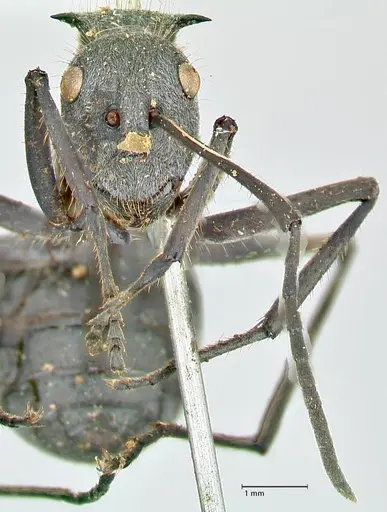
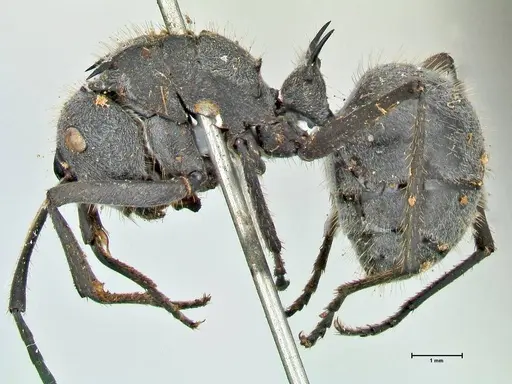
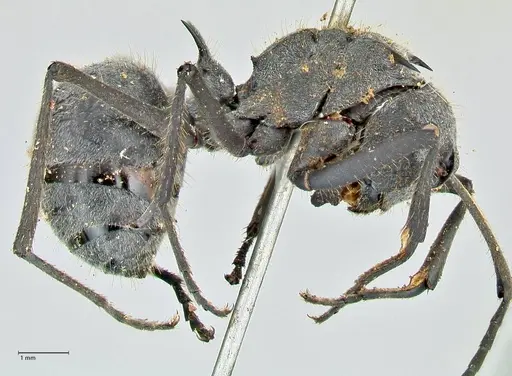
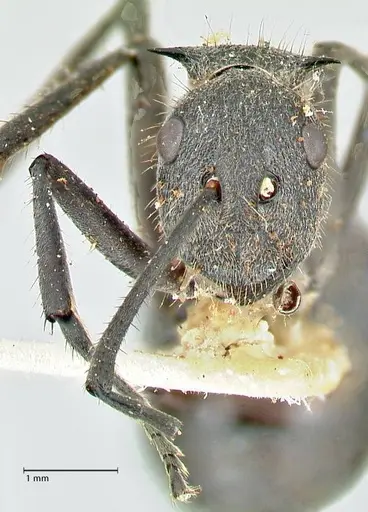
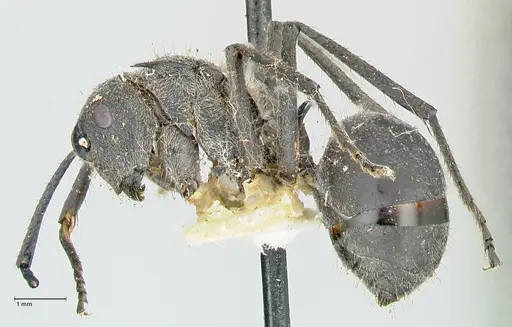
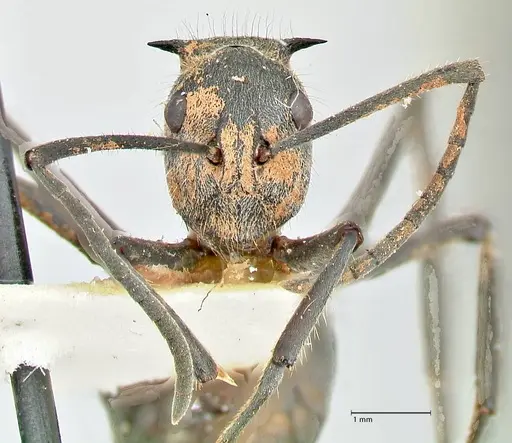
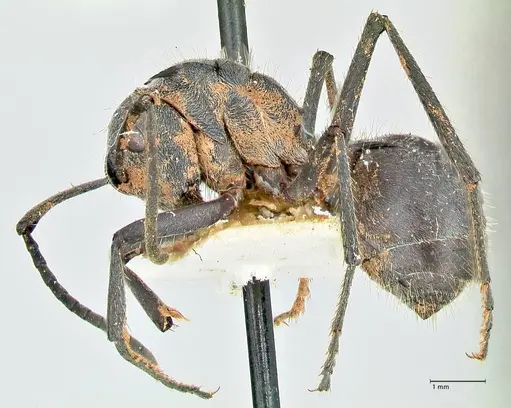
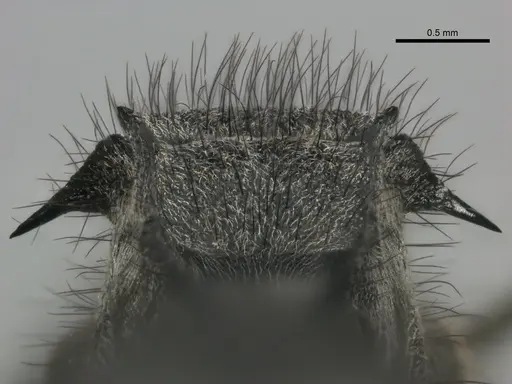
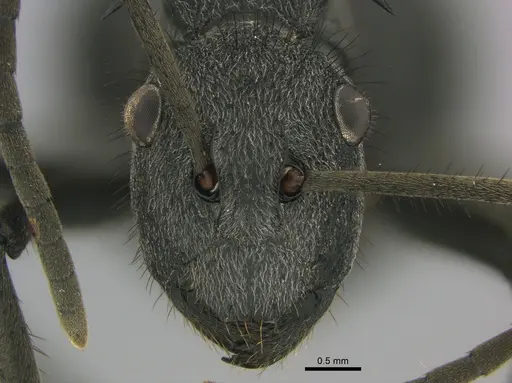
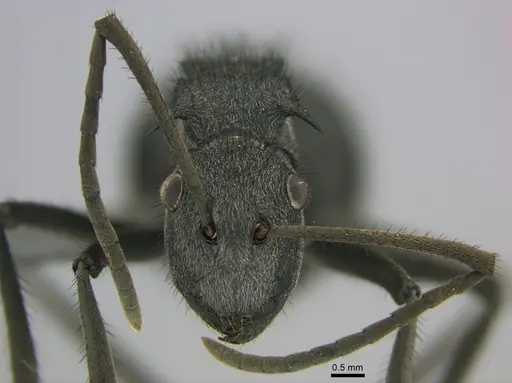
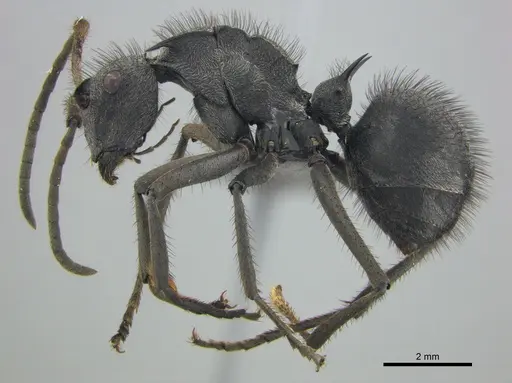
Polyrhachis schistacea is a large, striking ant native to savannahs and scrub forests across sub-Saharan Africa. Workers measure 9.3-13.7mm and are uniformly black or black-brown, typically with a dull appearance though occasionally the abdomen can be polished. This species belongs to the militaris species-group within the subgenus Myrma, characterized by their long pronotal spines and robust build. They construct nests in the soil, either directly in open ground where they build a distinctive crater-like entrance surrounded by a cup-like wall made of woven grass blades, or under stones. More rarely, they nest in or under decaying wood. Foragers travel along the ground surface, grass stems, and low bushes where they tend aphids and scale insects for honeydew. This species is absent from rainforests, where it is replaced by the closely related Polyrhachis militaris.
Quick Summary
- Difficulty: Medium
- Origin & Habitat: Savannah and scrub forest habitats across sub-Saharan Africa, ranging from Sudan to South Africa and from east to west coasts. Absent from rainforest regions. Nests are constructed in soil in open ground or under stones [1].
- Colony Type: Colony structure is not well documented in scientific literature. Based on genus patterns, likely monogyne (single queen) but polygyny has not been ruled out. Further research needed on colony structure.
- Founding: Claustral
- Size & Growth:
- Queen: Not directly measured in available literature, estimated based on worker size (9.3-13.7mm) to be 12-16mm, typical for Polyrhachis queens [1].
- Worker: 9.3-13.7mm [2][1].
- Colony: Not directly documented in research. Based on related Polyrhachis species and their large size, colonies likely reach several hundred to a few thousand workers.
- Growth: Moderate, based on typical Polyrhachis development patterns.
- Development: Estimated 8-12 weeks based on typical Polyrhachis genus patterns at optimal temperature. Not directly studied for this species. (Development time is inferred from genus-level data since specific development studies are unavailable.)
- Antkeeping:
- Temperature: Keep at 24-28°C. As a tropical to subtropical species, they benefit from warm conditions. A heating cable on one side of the nest creates a suitable gradient [1].
- Humidity: Moderate humidity around 50-70%. Keep the nest substrate moderately moist but not waterlogged. These are ground-nesting ants that tolerate drier conditions compared to rainforest species [1].
- Diapause: Likely minimal or no true diapause, as a tropical/subtropical species from Africa, they probably do not require hibernation. However, a slight cooling period during winter months may be beneficial.
- Nesting: Soil-based naturalistic setups work well. They nest in earth and under stones in the wild, so a naturalistic setup with compact soil or a Y-tong/plaster nest with soil chamber works best. They use silk to line their nests and construct cocoons [3].
- Behavior: These ants are generally moderate in temperament, not particularly aggressive but will defend if threatened. Workers forage on the ground and on vegetation, actively hunting for prey and tending homoptera. They are large ants with a powerful sting, though they typically rely on their spines and size for defense rather than aggressive biting. Escape risk is moderate, their large size makes them easier to contain, but they are active foragers so secure boundaries are still important. They are known to be preyed upon by pangolins in the wild [4] and are involved in mimicry relationships with spiders [5].
- Common Issues: colonies may be slow to establish due to their moderate growth rate compared to faster-growing tropical species, they require regular feeding with protein sources and sugar, colony health depends on consistent nutrition, as ground-nesting ants, they need appropriate depth in their nesting area to construct proper chambers, their large size and active foraging means they need more space than smaller ant species, humidity control is important, too wet can cause fungal issues, too dry can desiccate brood
Housing and Nest Setup
Polyrhachis schistacea is a ground-nesting species that does well in naturalistic setups with compact soil or in Y-tong/plaster nests with soil chambers. In the wild, they build nests in open ground with distinctive crater-like entrances surrounded by woven grass blade walls, or under stones. For captivity, provide a nesting area with enough depth (at least 5-8cm) for the colony to construct proper chambers. A naturalistic setup with a soil layer and flat stones on top works well, this mimics their natural nesting preferences. They use silk to line their nests and construct cocoons, so include some fine materials they can work with [3]. The outworld should include climbing structures since they naturally forage on vegetation.
Feeding and Diet
These ants are opportunistic foragers with a varied diet. In the wild, they actively hunt small invertebrates and tend aphids and scale insects (homoptera) for honeydew [2][1]. In captivity, offer a balanced diet: protein sources like small crickets, mealworms, or other insects 2-3 times per week, and constant access to sugar water or honey. Their large size means they can handle larger prey items than tiny ants. The fact that they tend homoptera in the wild suggests they readily accept sugar sources, keep a sugar water dispenser available at all times. Remove uneaten prey after 24-48 hours to prevent mold.
Temperature and Seasonal Care
As a savannah species from tropical to subtropical Africa, Polyrhachis schistacea prefers warm conditions. Keep the nest area at 24-28°C for optimal brood development. A heating cable placed on one side of the nest creates a temperature gradient allowing the ants to self-regulate. They are found across a wide range of African latitudes (Sudan to South Africa), suggesting they can tolerate some temperature variation. Unlike temperate species, they likely do not require a true hibernation period, but a slight reduction in temperature during winter months (down to around 20-22°C) may help simulate natural seasonal cycles. Avoid temperatures below 18°C for extended periods. [1]
Behavior and Defense
Workers are active foragers that travel along the ground and climb vegetation in search of food. They are not particularly aggressive but will defend their nest if threatened. Their primary defense is their large size and powerful sting, these ants can deliver a painful sting if handled roughly or if their nest is disturbed. They are known to be preyed upon by pangolins in the wild, which specifically target their colonies [4]. They are also involved in a mimicry relationship with the spider Mexcala elegans, which resembles them to avoid predation [5]. This suggests they have effective defensive adaptations. In captivity, they are generally calm and easy to work with when colonies are established.
Growth and Development
Colony growth is moderate, these are large ants but development is not as rapid as some tropical species. Queens are substantial (estimated 12-16mm based on worker size) and likely lay eggs continuously once established. The first workers (nanitics) will be smaller than mature workers but still relatively large. Pupal cocoons are present in this species [3], which is typical for the genus. Expect the founding colony to take several months to establish a stable worker population. Once the colony reaches 20-50 workers, growth typically accelerates. Maximum colony size is not documented but related Polyrhachis species commonly reach several thousand workers.
Frequently Asked Questions
How long does it take for Polyrhachis schistacea to produce first workers?
Based on typical Polyrhachis development, expect 8-12 weeks from egg to first worker at optimal temperature (24-28°C). This is an estimate since specific development studies are not available for this species.
Can I keep Polyrhachis schistacea in a test tube?
Test tubes can work for founding colonies, but these large ants will need more space quickly. Move to a larger setup (Y-tong, plaster nest, or naturalistic) once the colony reaches 15-20 workers or the test tube becomes cramped.
What do Polyrhachis schistacea ants eat?
They accept a varied diet: protein sources like crickets, mealworms, and other insects 2-3 times per week, plus constant access to sugar water or honey. They also tend aphids in the wild, so sugar sources are important.
Are Polyrhachis schistacea good for beginners?
They are rated as medium difficulty. They are larger and more forgiving than tiny ants, but they do have specific temperature and space requirements. They are a good intermediate species for those who have kept simpler ants like Lasius.
Do Polyrhachis schistacea need hibernation?
Probably not, as a tropical/subtropical African species, they likely do not require true hibernation. A slight temperature reduction in winter (to around 20-22°C) may be beneficial but is not required.
How big do Polyrhachis schistacea colonies get?
Maximum colony size is not documented, but based on related species, colonies likely reach several hundred to a few thousand workers. They are a large, robust species with significant colony growth potential.
When should I move my Polyrhachis schistacea to a formicarium?
Move from a founding setup to a larger formicarium once the colony reaches 15-30 workers or shows signs of needing more space. A naturalistic setup with soil or a Y-tong with soil chambers works best for this ground-nesting species.
Can I keep multiple queens together?
Colony structure is not well documented for this species. Polyrhachis is typically monogyne (single queen), but polygyny has not been ruled out. It is generally not recommended to combine unrelated queens as aggression is likely.
Why are my Polyrhachis schistacea dying?
Common causes include: temperature too low (keep above 24°C), humidity issues (too wet causes mold, too dry desiccates brood), poor nutrition (ensure protein and sugar are provided regularly), or stress from disturbance. Check these parameters first.
References

This caresheet is licensed under CC BY-SA 4.0 .
CASENT0217799
View on AntWeb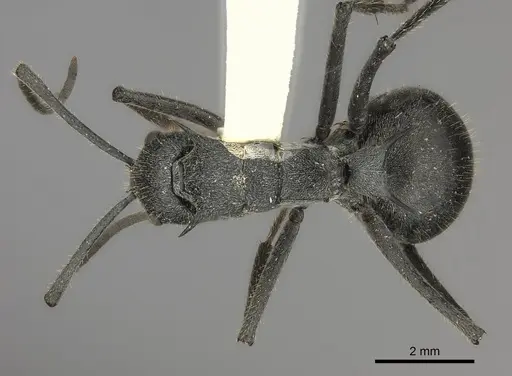
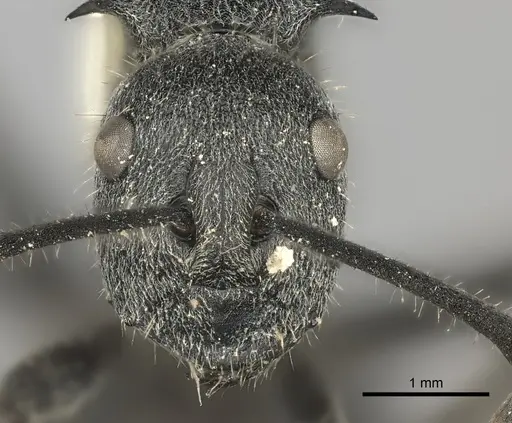
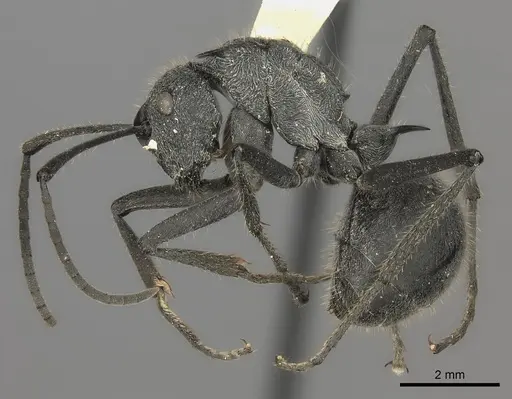
CASENT0227567
View on AntWeb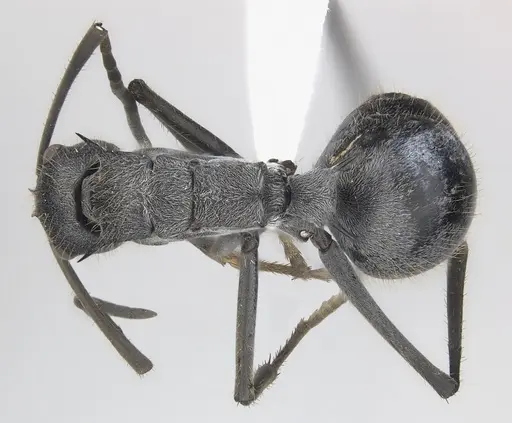
CASENT0235677
View on AntWeb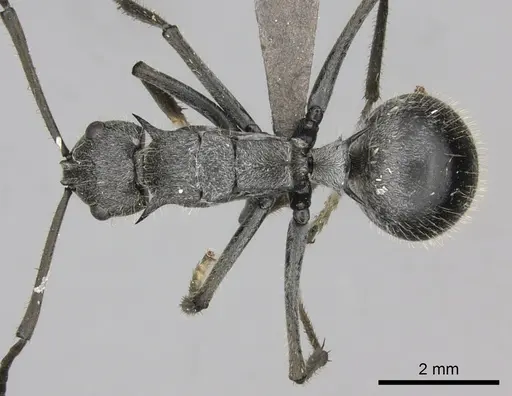
CASENT0235991
View on AntWeb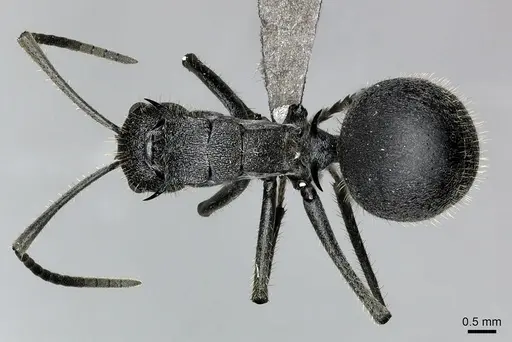
CASENT0281451
View on AntWeb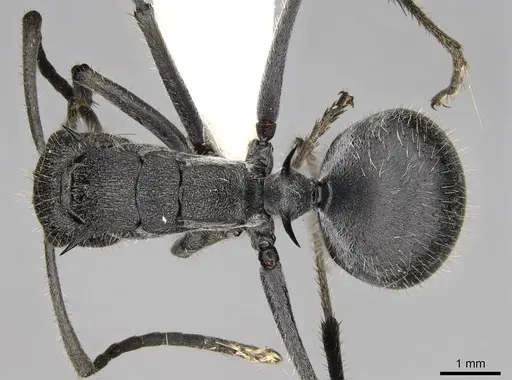
CASENT0785930
View on AntWeb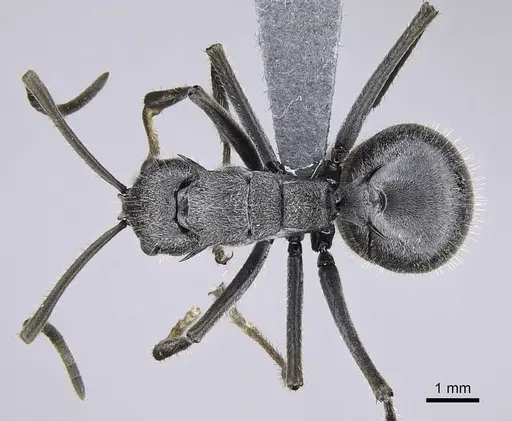
CASENT0797836
View on AntWeb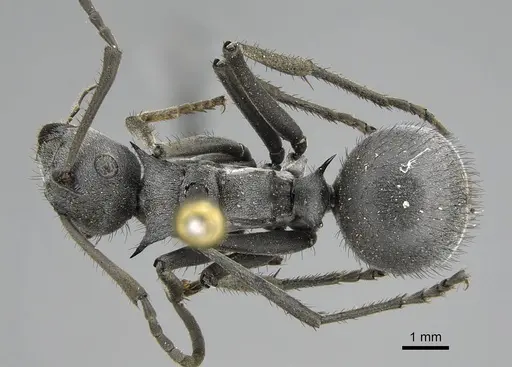
CASENT0815049
View on AntWeb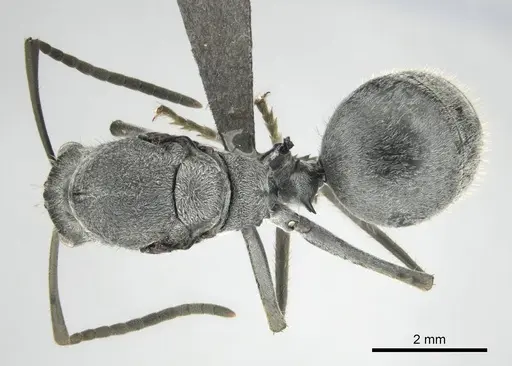
CASENT0822209
View on AntWeb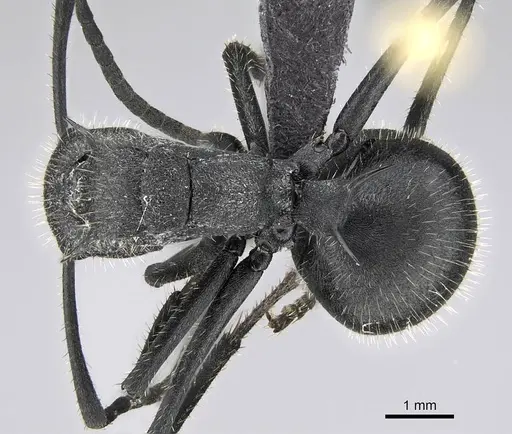
CASENT0903450
View on AntWeb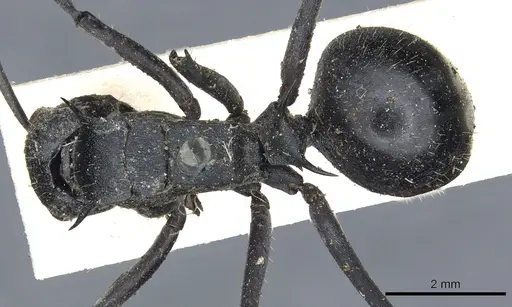
CASENT0910911
View on AntWeb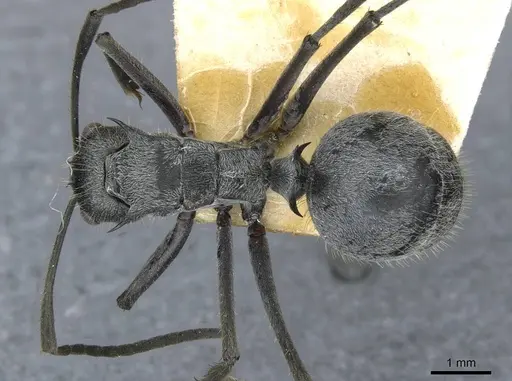
CASENT0910912
View on AntWeb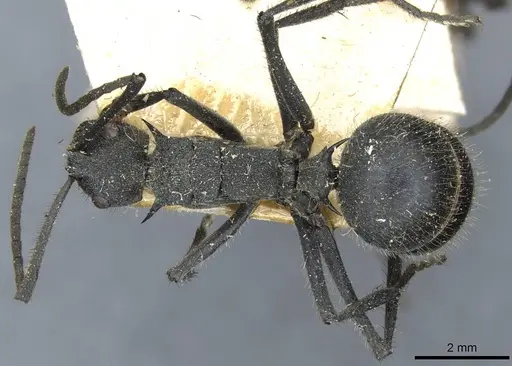
CASENT0912134
View on AntWeb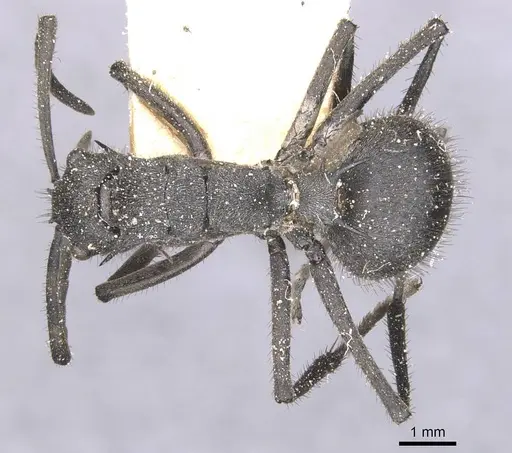
CASENT0912135
View on AntWeb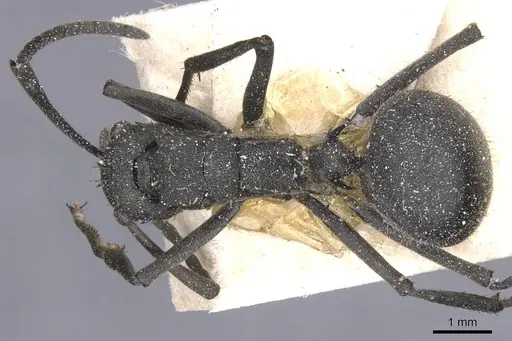
CASENT0912136
View on AntWeb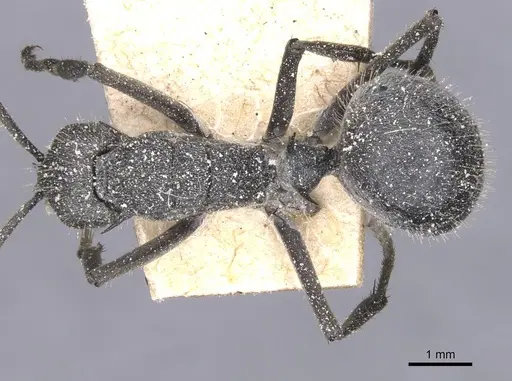
CASENT0912137
View on AntWeb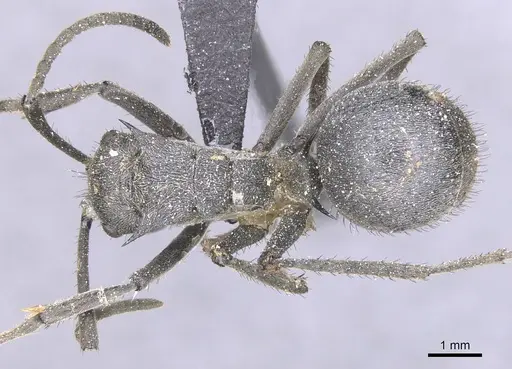
CASENT0912138
View on AntWeb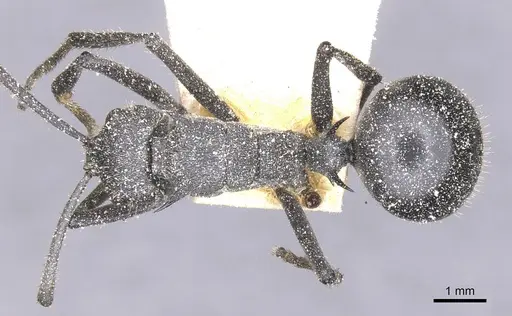
CASENT0917283
View on AntWeb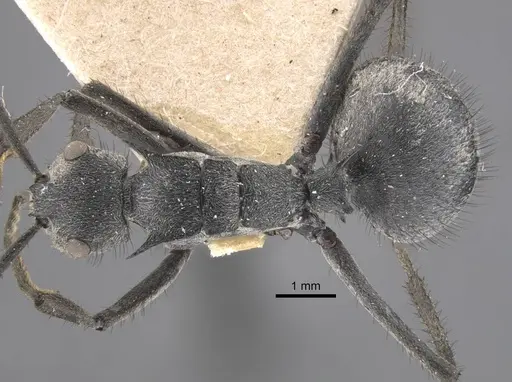
FOCOL2576
View on AntWeb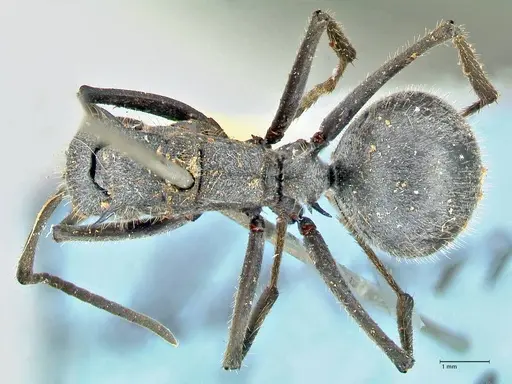
FOCOL2577
View on AntWeb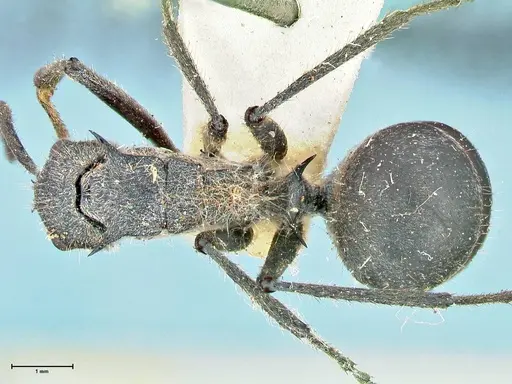
FOCOL2578
View on AntWeb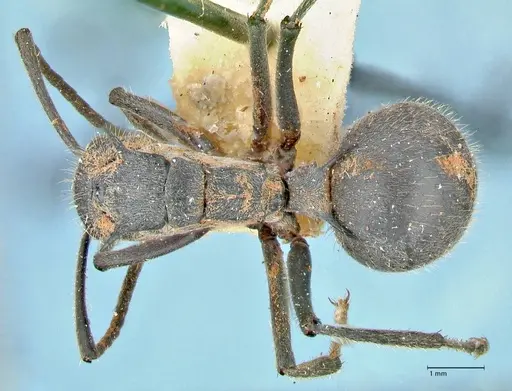
SAM-HYM-C002548
View on AntWeb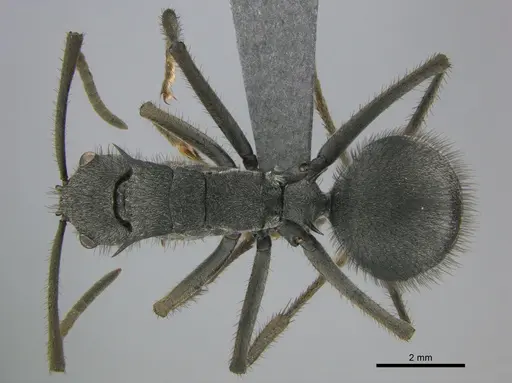
Literature
Loading...Loading products...