

Polyrhachis militaris
- Scientific Name
- Polyrhachis militaris
- Subgenus
- Myrma
- Tribe
- Camponotini
- Subfamily
- Formicinae
- Author
- Fabricius, 1782
- Common Name
- Warlike Spiny Sugar ant
- Distribution
- Found in 17 countries
Polyrhachis militaris Overview
Polyrhachis militaris (commonly known as the Warlike Spiny Sugar ant) is an ant species of the genus Polyrhachis. It is primarily documented in 17 countries , including Congo, Democratic Republic of the, Central African Republic. Detailed taxonomic data and occurrence records can be further explored via authoritative databases such as AntWeb or the Global Biodiversity Information Facility (GBIF).
Polyrhachis militaris - "Warlike Spiny Sugar ant"
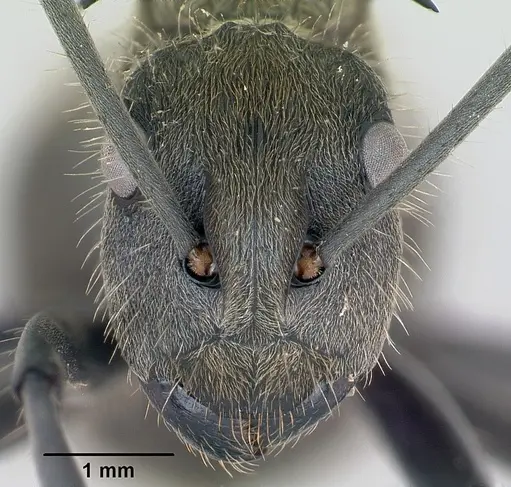
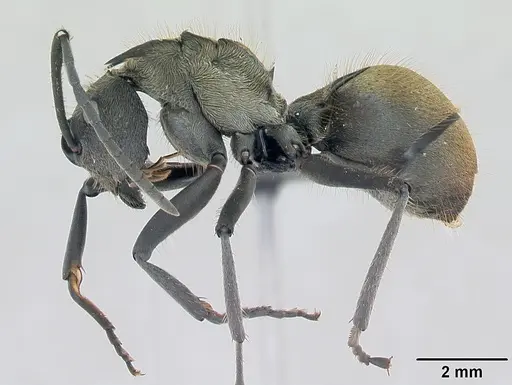
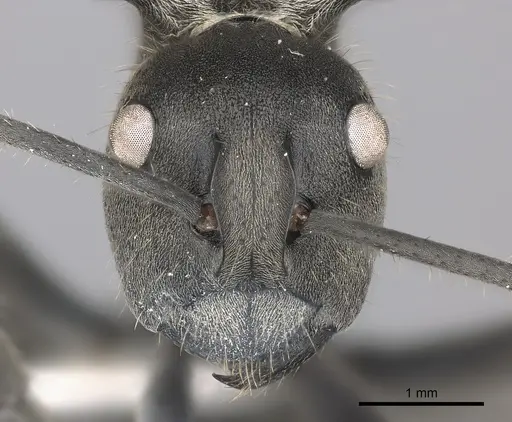
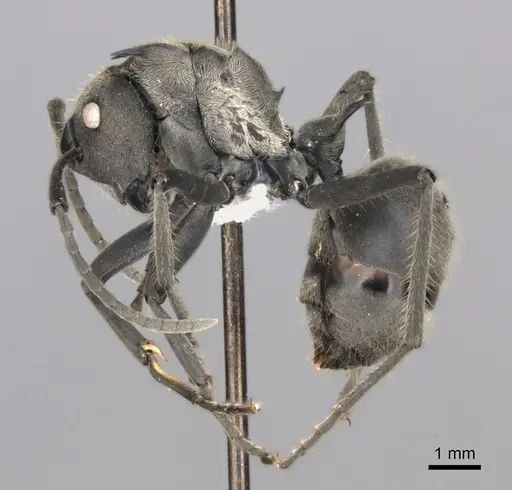
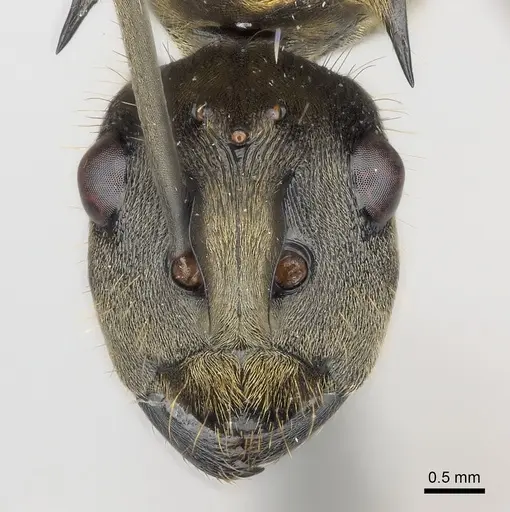
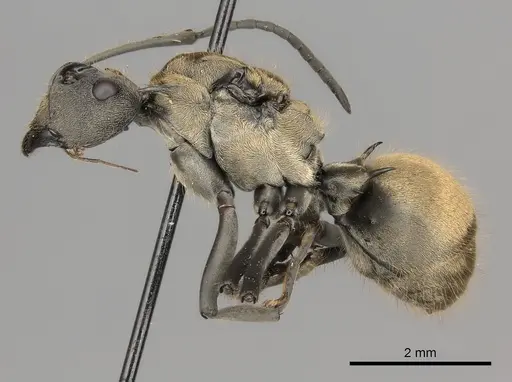
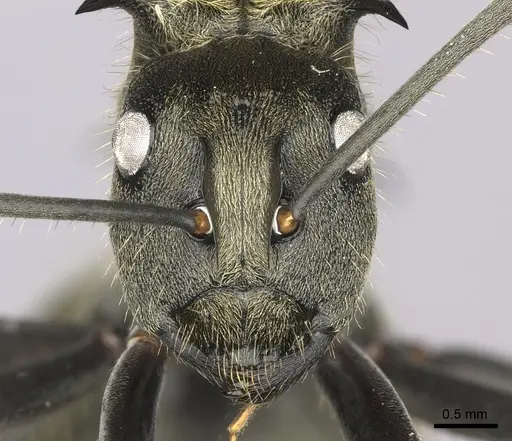
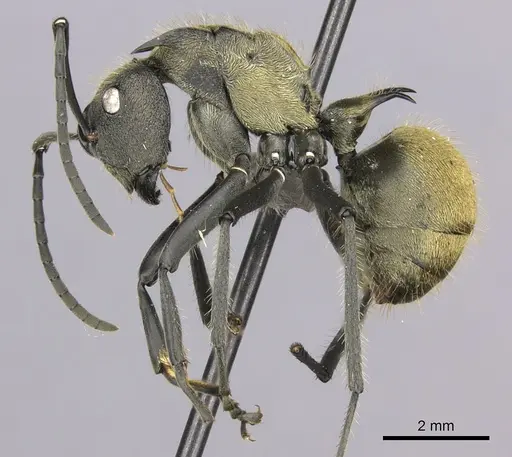
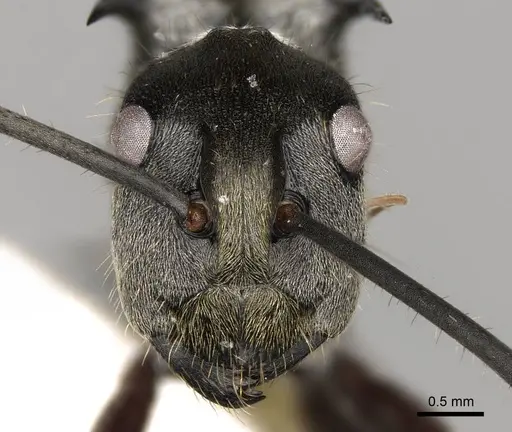
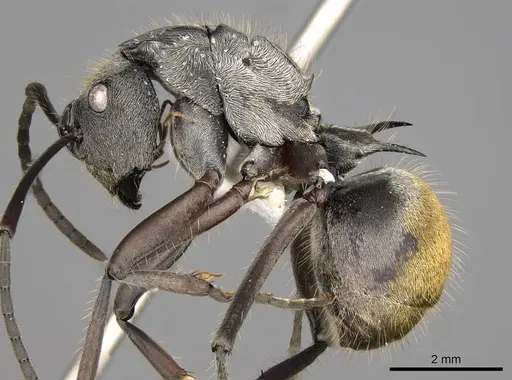
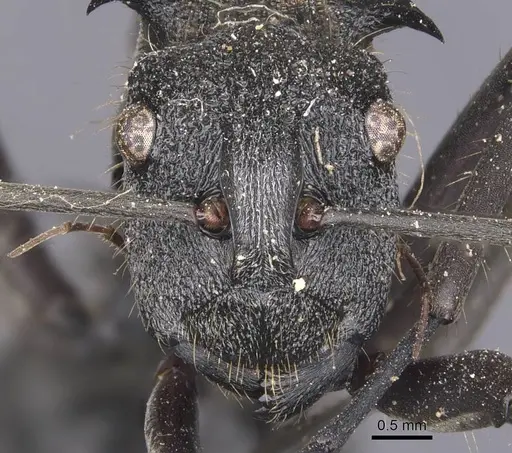
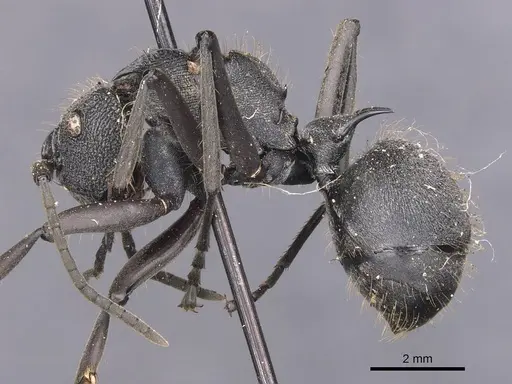
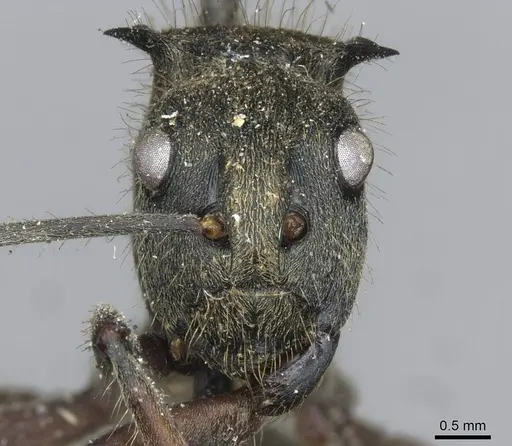
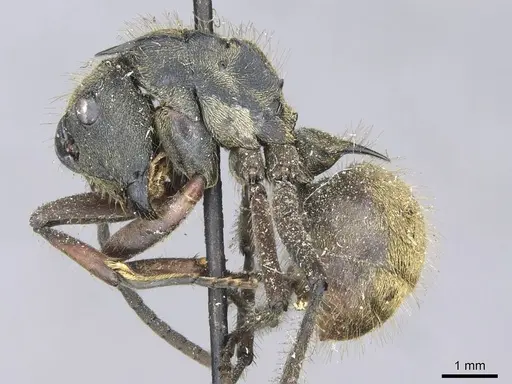
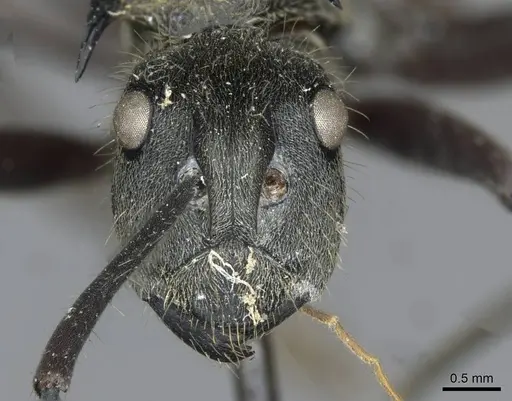
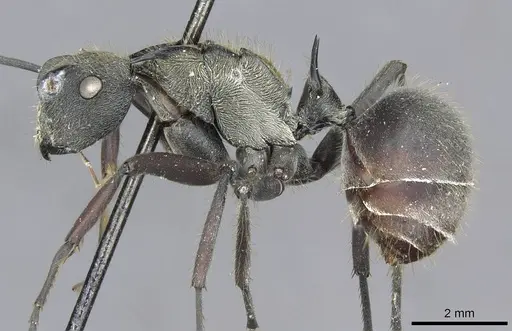
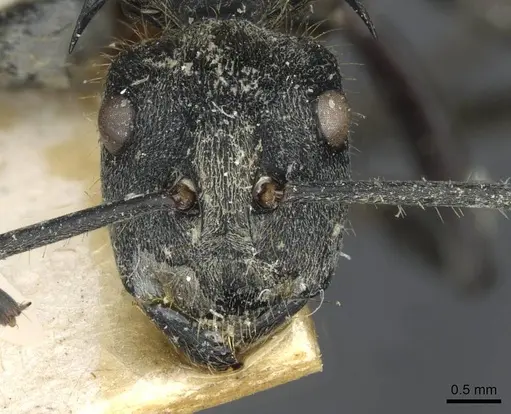
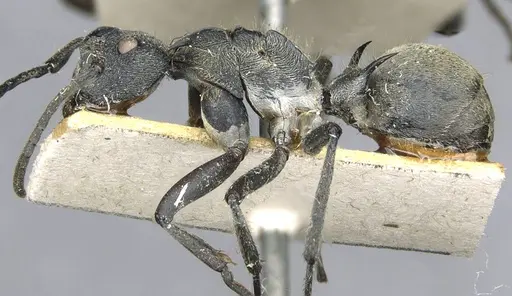
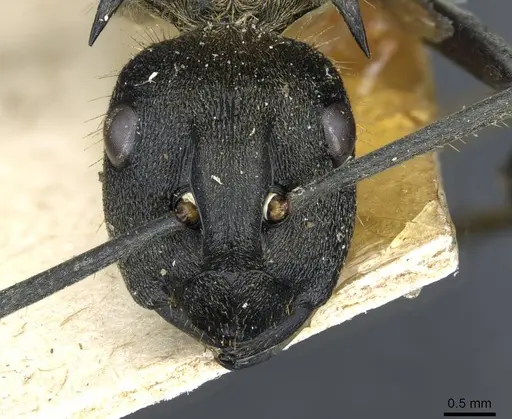
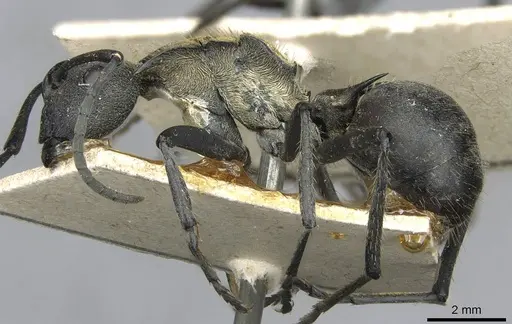
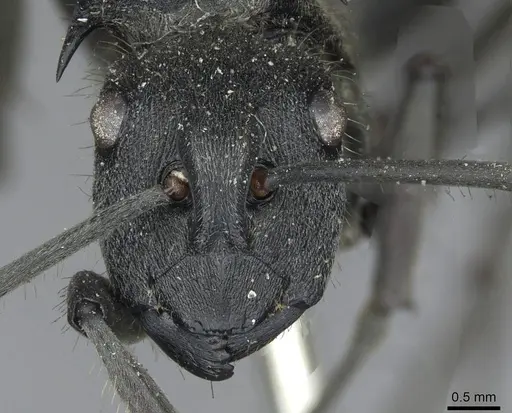
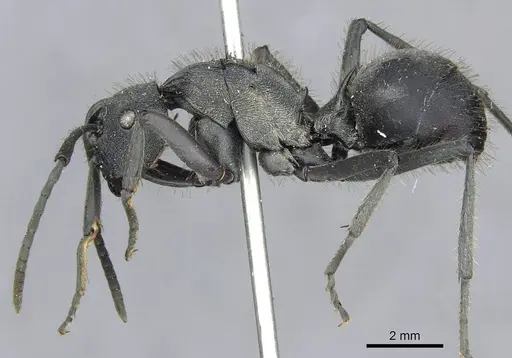
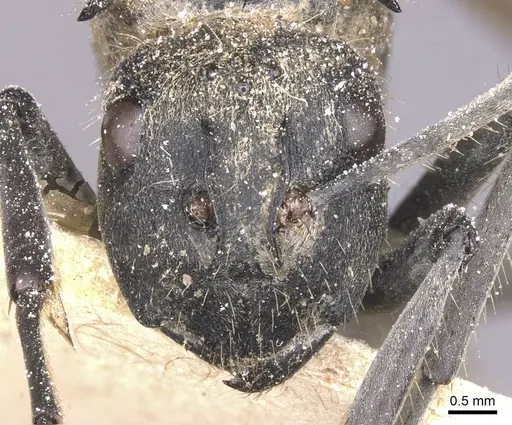
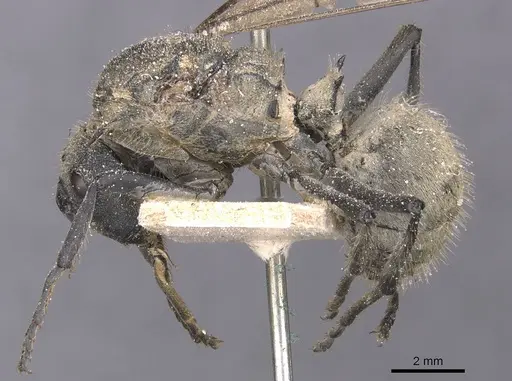
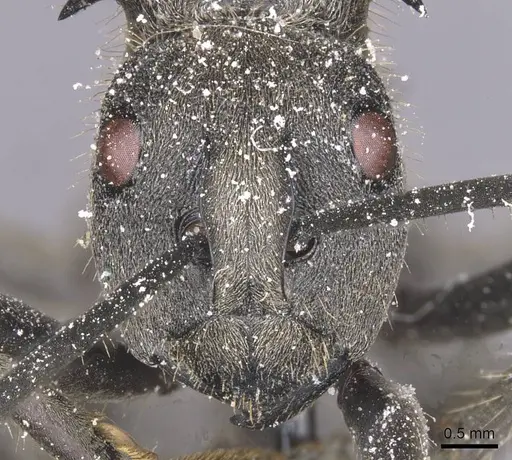
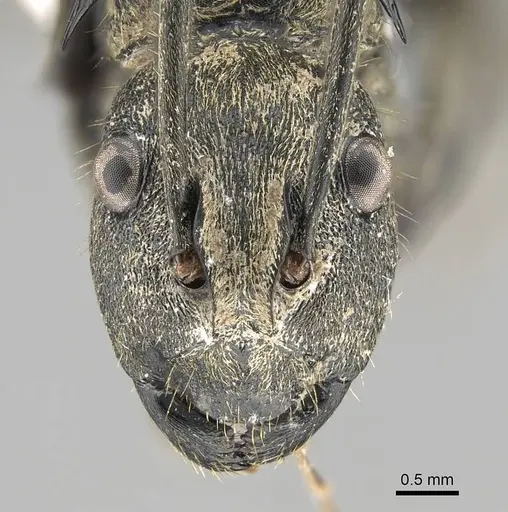
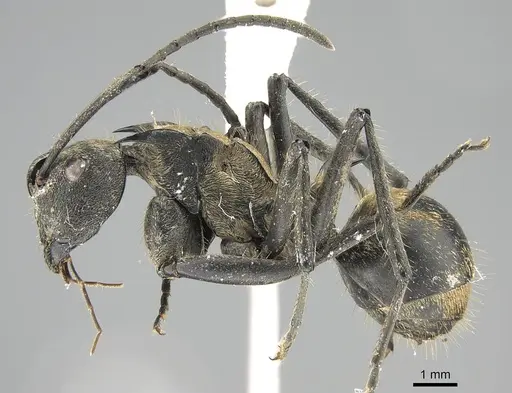
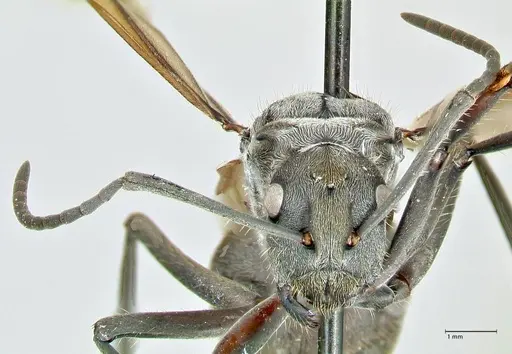
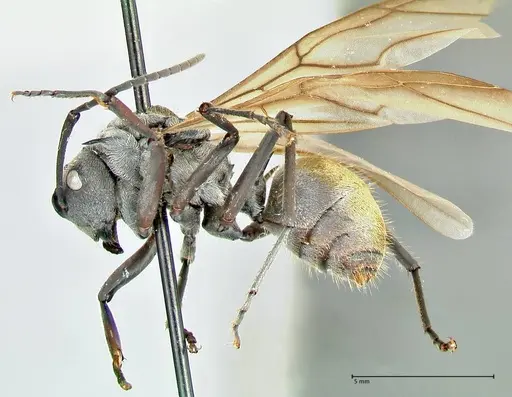
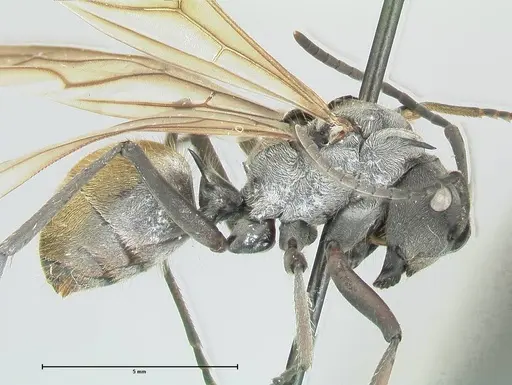
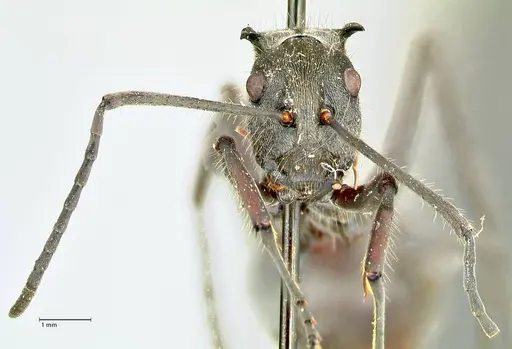
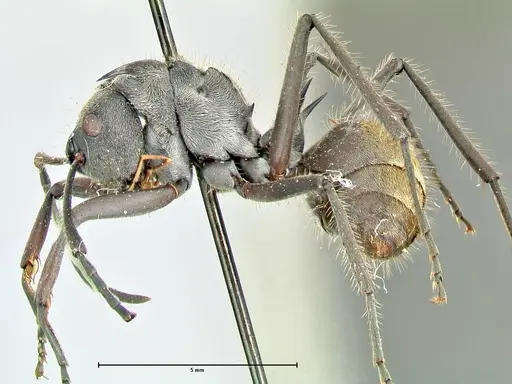
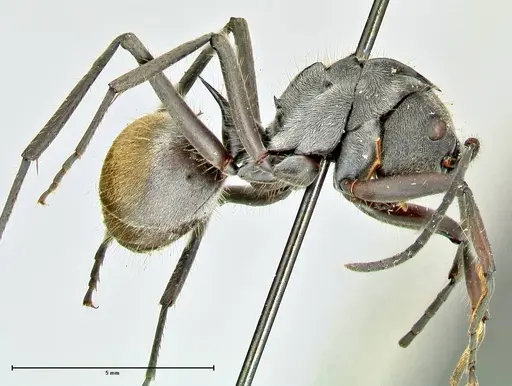
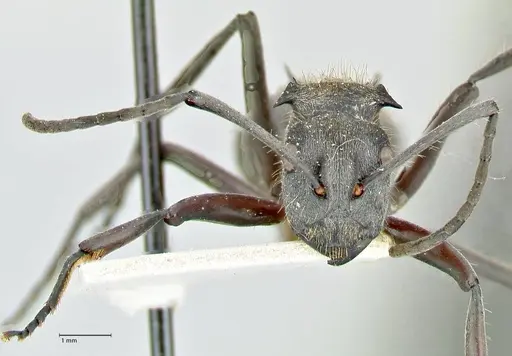
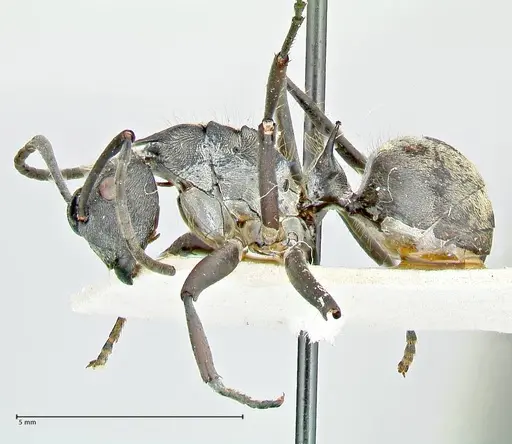
Polyrhachis militaris is one of the largest ants in the genus, with workers measuring an impressive 10.8-14.1mm [1]. These striking ants have a hairy body covered in long golden to greyish pubescence that often hides their underlying sculpture. They feature distinctive spines on the pronotum, propodeum, and petiole, giving them an armored appearance. The head is somewhat rectangular with a blunt margination behind each eye [2].
This species is arboreal, nesting in rotten parts of standing trees, typically in the trunk or broken branch stubs, often high above the ground [1]. They are widespread across sub-Saharan Africa, from West Africa through Central Africa to East Africa [2]. When disturbed, workers have a dramatic defense response: they curve their gasters beneath the body to spray formic acid while tapping their gasters on surfaces, producing a distinct rattling sound [1].
Quick Summary
- Difficulty: Medium
- Origin & Habitat: Sub-Saharan Africa, found in forested regions across West, Central, and East Africa including Nigeria, Ghana, Cameroon, Gabon, Uganda, Kenya, and Tanzania [1][2]. Naturally nests in rotten wood of standing trees, often in tree trunks or broken branches [1].
- Colony Type: Colony structure is not well-documented in scientific literature. Based on typical Polyrhachis patterns, likely single-queen (monogyne) colonies.
- Size & Growth:
- Queen: Not specifically measured in available literature, estimated similar to workers at 10-14mm based on genus patterns
- Worker: 10.8-14.1mm [1]
- Colony: Unknown, likely several hundred workers based on typical Polyrhachis colony sizes
- Growth: Moderate, estimated based on genus patterns
- Development: Unknown, no direct development data available. Based on typical Formicinae development at tropical temperatures, estimate 6-10 weeks (Development time is unconfirmed for this species. Related Polyrhachis species typically develop faster in warm conditions.)
- Antkeeping:
- Temperature: Keep at 24-28°C, these are tropical forest ants that need warmth. A gentle temperature gradient allows ants to regulate their own conditions.
- Humidity: Moderate to high humidity (60-80%). As arboreal wood-nesters, they prefer damp but not waterlogged conditions. Provide a water tube for drinking water.
- Diapause: No, being a tropical species, they do not require hibernation. Maintain consistent warm temperatures year-round.
- Nesting: Arboreal nesting species, they need wood-based nesting material. A naturalistic setup with rotten wood pieces or a wooden formicarium works well. They do not use silk in nest building [1]. Avoid fully enclosed plastic nests unless they have wood inserts.
- Behavior: These ants are defensive and will spray formic acid when threatened [1]. Workers forage singly across the forest floor, traveling between trees [1]. They are large ants with a strong grip, if disturbed on branches, they release their grip and drop to the ground [1]. Escape prevention is important but not critical as they are large ants that cannot squeeze through typical ant barriers. They are not aggressive toward humans but will defend their nest vigorously.
- Common Issues: formic acid spraying, keep away from valued surfaces and handle with care, tropical temperature requirements mean colonies may struggle in cool rooms, arboreal nesting means they need wood-based housing, not standard test tubes, large size requires appropriately sized chambers and passages, potential parasite risk, they can be affected by zombie ant fungus (Ophiocordyceps) in the wild [3]
Housing and Nest Setup
Polyrhachis militaris is an arboreal species that naturally nests in rotten wood of standing trees [1]. In captivity, they need wood-based housing rather than test tubes or plastic nests. A naturalistic setup with pieces of rotten wood, a wooden formicarium, or an acrylic nest with wood inserts works best. The nest material should be moist but not waterlogged, think damp forest wood, not a swamp.
Because they are large ants, ensure the nest chambers and passages are appropriately sized. They do not use silk to construct nests [1], so they will occupy existing cavities in wood rather than building elaborate structures. Provide a water tube as a drinking source, and consider adding small plants or branches in the outworld to simulate their natural arboreal environment.
Feeding and Diet
Polyrhachis militaris is a generalist forager that hunts singly [1]. In the wild, they prey on small insects and likely tend honeydew-producing insects. In captivity, offer a varied diet: protein sources like mealworms, small crickets, or other small insects 2-3 times per week. They should also have constant access to sugar water or honey.
As large active ants, they have substantial food requirements. Monitor consumption and adjust feeding frequency based on colony size and activity. Remove uneaten prey after 24-48 hours to prevent mold issues.
Temperature and Humidity
These are tropical forest ants from sub-Saharan Africa, so they need warm and humid conditions [1][2]. Maintain temperatures between 24-28°C with a gentle gradient so workers can choose their preferred zone. Room temperature may be sufficient in warm climates, but most keepers will need a heating cable or mat on one side of the nest.
Humidity should be moderate to high (60-80%). As wood-nesting ants, they prefer damp conditions but the substrate should not be waterlogged. Mist the nest occasionally and provide a water tube for drinking. Good ventilation helps prevent mold while maintaining humidity.
Defense and Handling
When threatened, Polyrhachis militaris workers have two dramatic defense responses. First, they curve their gasters beneath the alitrunk and spray formic acid [1]. Second, they tap their gasters rapidly against surfaces, producing a distinctive rattling sound, this is audible when multiple workers perform it together [1].
When handling these ants or working with the colony, expect formic acid spraying. Work in a well-ventilated area and avoid having the ants crawl on bare skin. If disturbed on branches in the outworld, they may release their grip and drop to the ground, this is a natural escape response [1].
Seasonal Care
As a tropical species from sub-Saharan Africa, Polyrhachis militaris does not require hibernation or diapause [1]. Maintain consistent warm temperatures year-round. These ants are active throughout the year in their native habitat.
Nuptial flights have been recorded in various months across different regions: Ghana (June, September, October), Nigeria (May), Uganda (January, July, September, October), Kenya (November), Tanzania (February, June) [1]. This suggests flights are not strictly seasonal but may occur during warmer/wetter periods.
Frequently Asked Questions
How long does it take for Polyrhachis militaris to produce first workers?
The exact egg-to-worker development time is unconfirmed for this species. Based on typical Formicinae development patterns in warm tropical conditions, expect approximately 6-10 weeks from egg to first worker. Patience is key, large species often develop more slowly than smaller ants.
Can I keep Polyrhachis militaris in a test tube?
No, test tubes are not suitable for this species. Polyrhachis militaris is an arboreal species that naturally nests in rotten wood [1]. They need wood-based housing like a wooden formicarium, acrylic nest with wood inserts, or a naturalistic setup with wood pieces.
Are Polyrhachis militaris good for beginners?
This species is rated as Medium difficulty. They require specific arboreal housing (wood-based nests), tropical temperatures, and moderate humidity. They are also defensive and will spray formic acid. Beginners should have some antkeeping experience before attempting this species.
How big do Polyrhachis militaris colonies get?
Colony size is not well-documented, but based on typical Polyrhachis patterns, colonies likely reach several hundred workers. They are one of the largest Polyrhachis species with workers up to 14mm [1].
What do Polyrhachis militaris eat?
They are generalist foragers. Feed protein (small insects like mealworms, crickets) 2-3 times per week and provide constant access to sugar water or honey. They forage singly and will hunt prey in the outworld.
Do Polyrhachis militaris need hibernation?
No, as a tropical African species, they do not require hibernation [1]. Maintain warm temperatures (24-28°C) year-round. They are active throughout the year in their native habitat.
Why does my Polyrhachis militaris make a rattling sound?
This is a normal defense behavior. When disturbed, workers tap their gasters rapidly against surfaces, producing a distinctive rattling sound [1]. This alarm signal alerts other workers and helps defend the colony.
When should I move my colony to a formicarium?
Move them when the colony reaches 20-30 workers and you see them struggling in the founding setup. Since they need wood-based nesting, introduce wood pieces or a wooden formicarium when the colony is established. They do well in naturalistic setups.
Can I keep multiple queens together?
Combining unrelated queens has not been documented for this species. Based on typical Polyrhachis behavior, single-queen colonies are likely. It is not recommended to attempt combining foundress queens.
References

This caresheet is licensed under CC BY-SA 4.0 .
CASENT0094091
View on AntWeb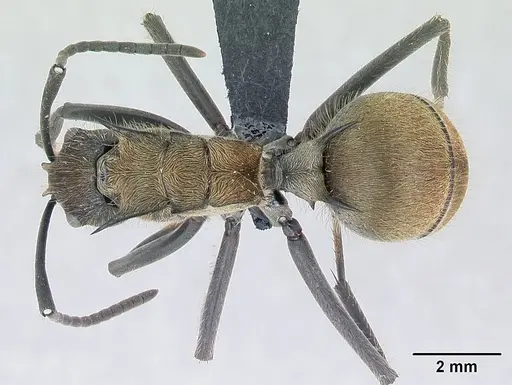
CASENT0227543
View on AntWeb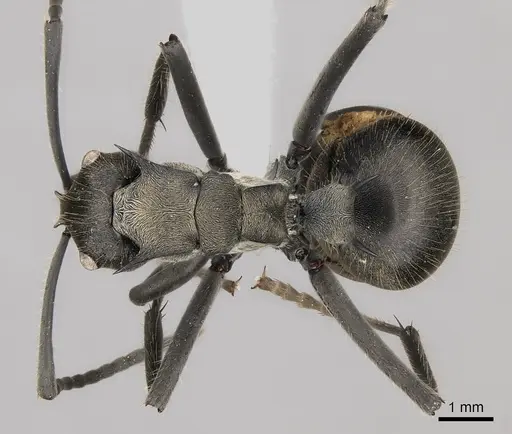
CASENT0227546
View on AntWeb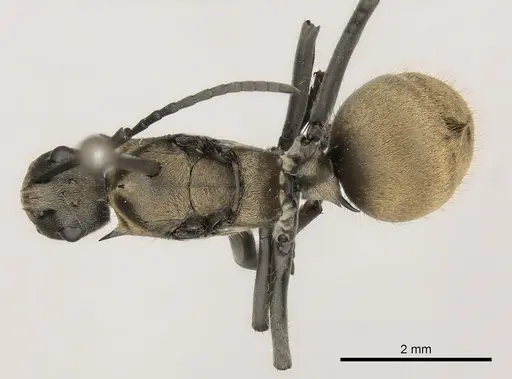
CASENT0235673
View on AntWeb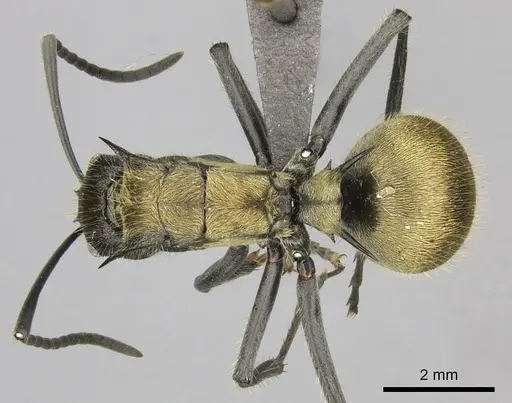
CASENT0281452
View on AntWeb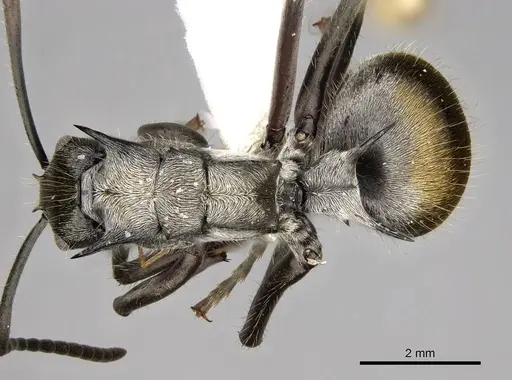
CASENT0905628
View on AntWeb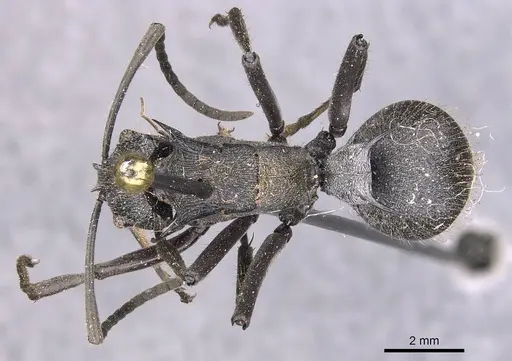
CASENT0910906
View on AntWeb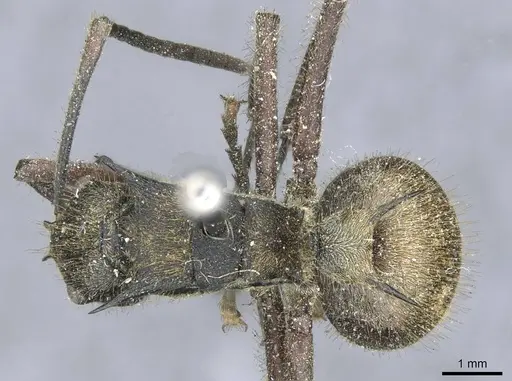
CASENT0910907
View on AntWeb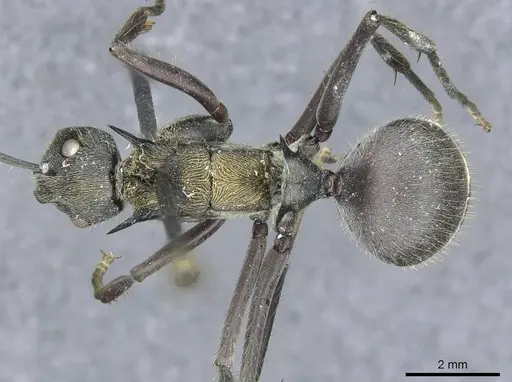
CASENT0910909
View on AntWeb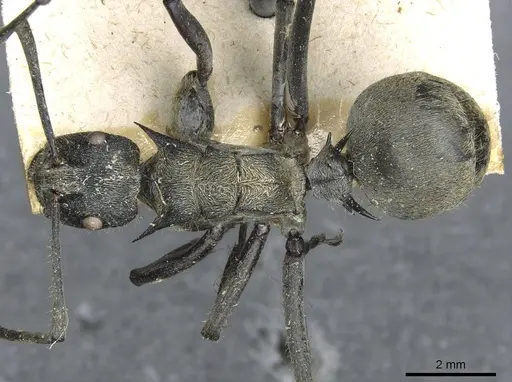
CASENT0910910
View on AntWeb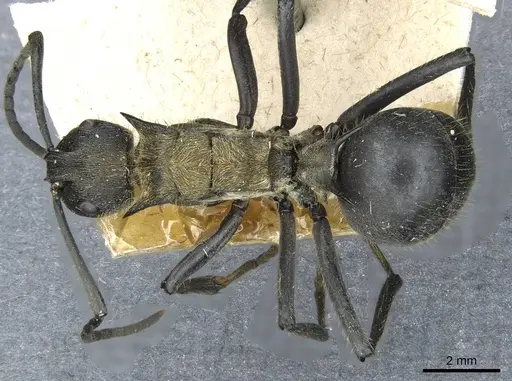
CASENT0910918
View on AntWeb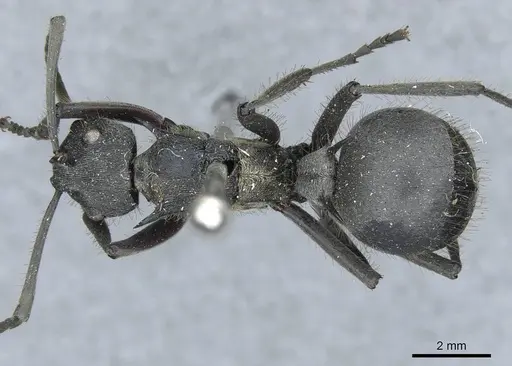
CASENT0912127
View on AntWeb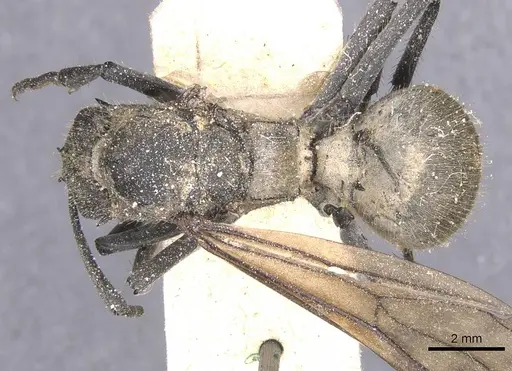
CASENT0912128
View on AntWeb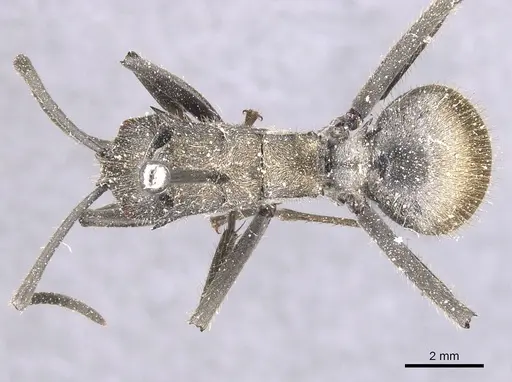
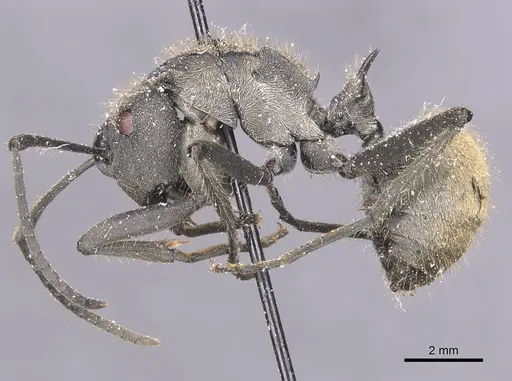
CASENT0912129
View on AntWeb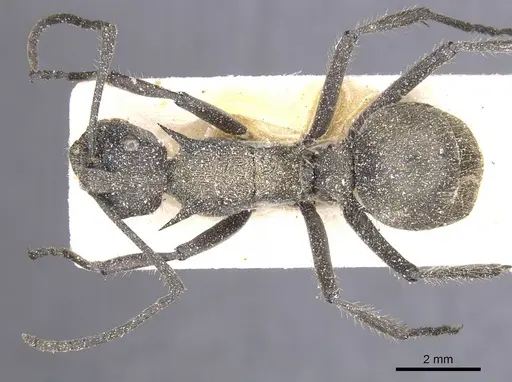
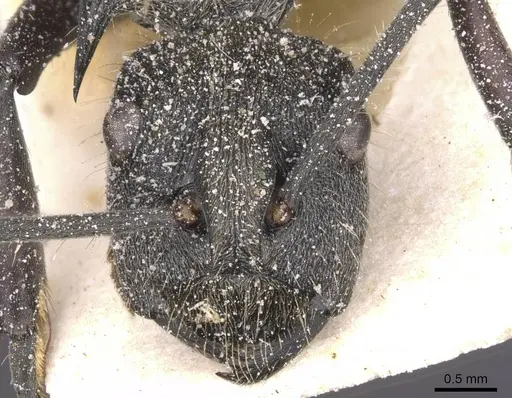
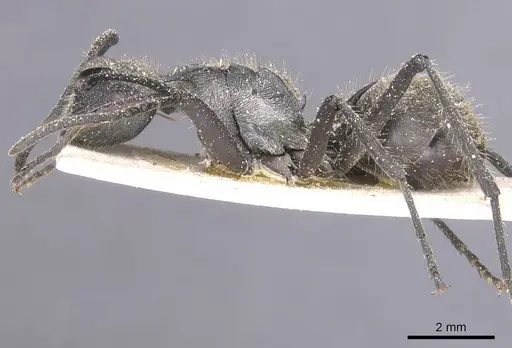
CASENT0919913
View on AntWeb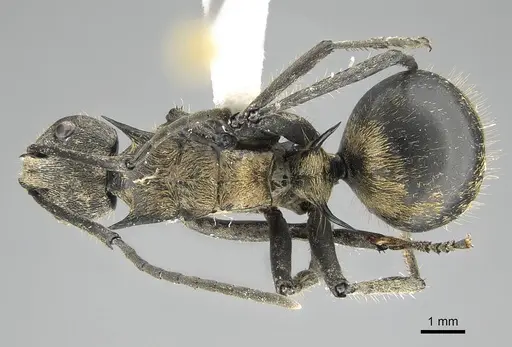
FOCOL2569
View on AntWeb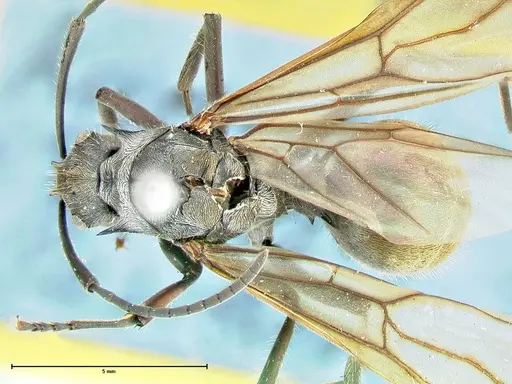
FOCOL2570
View on AntWeb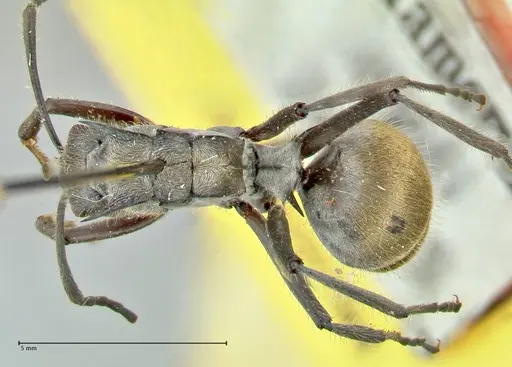
FOCOL2571
View on AntWeb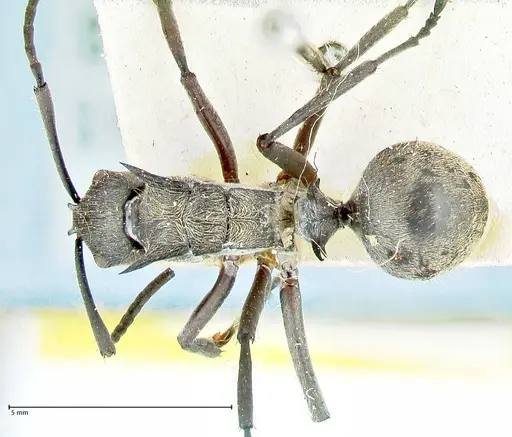
Literature
Loading...Loading products...