

Polyrhachis submarginata
- Scientific Name
- Polyrhachis submarginata
- Subgenus
- Myrma
- Tribe
- Camponotini
- Subfamily
- Formicinae
- Author
- Rigato, 2016
- Distribution
- Found in 1 countries
Polyrhachis submarginata Overview
Polyrhachis submarginata is an ant species of the genus Polyrhachis. It is primarily documented in 1 countries , including Central African Republic. Detailed taxonomic data and occurrence records can be further explored via authoritative databases such as AntWeb or the Global Biodiversity Information Facility (GBIF).
Polyrhachis submarginata
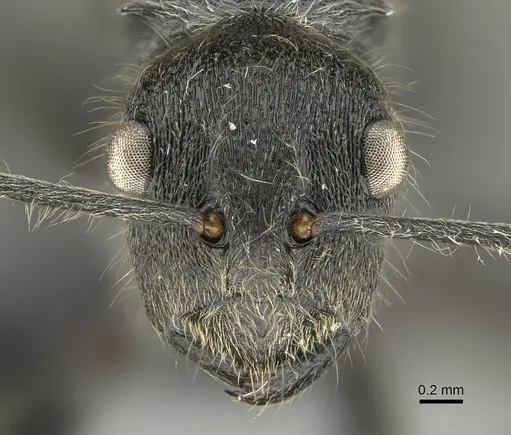
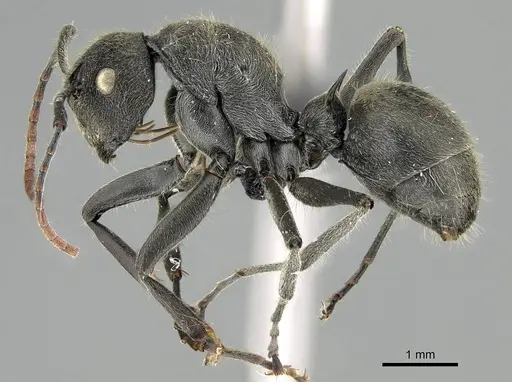
Polyrhachis submarginata is a relatively large ant species in the Polyrhachis revoili species-group, described in 2016 from the Central African Republic. Workers are black with rusty-colored antennae and jaw tips, measuring around 1.6mm in head length with relatively long antennae (scape index 162). The species is characterized by weak pronotal margination and very faint propodeal ridges on the mesosoma. The petiole has a distinctive pair of moderately long dorsal spines and shorter lateral teeth. This is a newly described species with no published biological data, everything we know about keeping Polyrhachis comes from related species in the same genus [1][2].
Quick Summary
- Difficulty: Medium
- Origin & Habitat: Central African Republic, specifically the Dzanga-Sangha Reserve at 420m elevation in the Afrotropical region. The natural habitat is likely moist forest given the collection data from this protected area [1][2].
- Colony Type: Unconfirmed, no published data on colony structure. Most Polyrhachis species are single-queen (monogyne) colonies, but this has not been documented for P. submarginata specifically.
- Size & Growth:
- Queen: Not documented, no queen caste has been described for this species [1].
- Worker: Workers are 1.62-1.66mm head length, making them relatively large for a Polyrhachis [1].
- Colony: Unknown, no colony size data exists for this species.
- Growth: Unknown, no development data available. Based on related Polyrhachis species, expect moderate growth.
- Development: Unconfirmed, no direct measurements exist. Based on typical Polyrhachis patterns, estimate 6-10 weeks at optimal temperature. (This is an estimate based on genus-level data since species-specific development has not been studied.)
- Antkeeping:
- Temperature: Keep around 24-28°C based on Afrotropical habitat. Related Polyrhachis species do well in warm, humid conditions. A gentle heat gradient allows workers to regulate their temperature.
- Humidity: High humidity is essential, aim for 70-85%. These ants come from a moist forest region in Central Africa. Keep the nest substrate consistently damp but not waterlogged.
- Diapause: Unknown for this species. Most Afrotropical Polyrhachis do not require true hibernation but may slow down during cooler periods.
- Nesting: In captivity, Polyrhachis do well in Y-tong (AAC) nests, plaster nests, or naturalistic setups with moisture retention. They prefer tight, humid chambers. Avoid dry environments.
- Behavior: Polyrhachis submarginata is relatively calm and not particularly aggressive. Workers are active foragers that search for honeydew and small prey. Escape prevention should be moderate, while not tiny, they can climb smooth surfaces. They are primarily arboreal or forest-dwelling, so they appreciate vertical space and climbing opportunities. Related species show moderate activity levels and are not nocturnal extremes.
- Common Issues: no biological data means care is based on genus-level estimates, adjust based on colony behavior, high humidity requirements can lead to mold if ventilation is poor, lack of documented colony size makes it hard to predict growth patterns, newly described species means there may be unknown aspects of their care, related Polyrhachis can be sensitive to dry conditions, monitor substrate moisture closely
Species Discovery and Taxonomy
Polyrhachis submarginata was formally described in 2016 by Fabrizio Rigato, making it one of the more recently described Polyrhachis species available in the antkeeping hobby. It belongs to the revoili species-group, which is characterized by specific morphological features including pronotal margination and propodeal ridge patterns. The species was discovered in the Dzanga-Sangha Reserve in the Central African Republic, a region known for its dense tropical forest. The type specimens were collected in May 2001 at an elevation of 420 meters. This species is morphologically similar to Polyrhachis kohli, P. volkarti, and P. otleti, with the main differences being subtle measurements and the degree of pronotal margination [1].
Housing and Nest Preferences
For Polyrhachis submarginata, use a nest that maintains high humidity while providing good ventilation. Y-tong (AAC) nests work well because they hold humidity consistently and allow you to observe the colony easily. Plaster nests are another excellent option, the plaster absorbs and holds moisture, creating the damp environment these ants prefer. Naturalistic setups with a soil/soil mixture substrate can also work well, especially if you include pieces of rotting wood or bark for them to nest in. The key is maintaining substrate that feels damp to the touch without being waterlogged. Provide a water test tube as a humidity source, and consider misting the outworld occasionally. Since this species is from a moist forest habitat, avoid dry setups entirely [2].
Feeding and Diet
Like other Polyrhachis species, P. submarginata is omnivorous with a preference for sweet liquids and protein. Offer sugar water, honey, or diluted maple syrup as a constant carbohydrate source. For protein, provide small insects like fruit flies, pinhead crickets, or mealworms. Some Polyrhachis also accept honeydew, which you can provide throughaphid-infested plants or specialized honeydew feeders. Feed protein 2-3 times per week, and keep sugar water available at all times. Remove uneaten prey after 24-48 hours to prevent mold. Since we have no species-specific feeding data, start with standard Polyrhachis offerings and observe what your colony accepts best [2].
Temperature and Humidity Management
Maintain temperatures between 24-28°C for optimal colony health and activity. This species comes from a warm Afrotropical region, so they do not tolerate cool conditions well. Use a heating cable or mat on one side of the nest to create a gentle temperature gradient, allowing workers to move between warmer and cooler areas. Humidity is critical, aim for 70-85% relative humidity within the nest. The substrate should feel consistently damp. Monitor for condensation on nest walls, which indicates good humidity. Poor humidity leads to sluggish behavior and can stunt brood development. Combine good humidity with adequate ventilation to prevent mold growth [2].
Behavior and Colony Dynamics
Polyrhachis submarginata workers are relatively calm and not prone to excessive biting or stinging. They are active foragers that will search both the nest area and outworld for food. Based on related species, they likely use chemical trails to coordinate foraging and may recruit nestmates to good food sources. The petiole spines suggest they may use defensive behaviors when threatened, though Polyrhachis are generally less aggressive than some other genera. Workers are relatively large for their genus, which may make them easier to observe. Expect moderate colony growth, Polyrhachis colonies typically reach several hundred workers over time, though we have no specific data for this species [2].
Frequently Asked Questions
How long does it take for Polyrhachis submarginata to produce first workers?
The egg-to-worker timeline is unconfirmed for this species since no biological studies exist. Based on typical Polyrhachis development, expect 6-10 weeks from egg to nanitic worker at optimal temperature (24-28°C). Be patient, this is a newly described species and growth data is not available.
What should I feed Polyrhachis submarginata?
Offer a balanced diet of sugar water or honey for carbohydrates and small insects like fruit flies, pinhead crickets, or mealworms for protein. Provide sugar sources constantly and protein 2-3 times per week. Remove uneaten prey promptly to prevent mold.
What temperature do Polyrhachis submarginata ants need?
Keep them warm at 24-28°C. This Afrotropical species does not tolerate cool conditions. Use a heating cable on one side of the nest to create a gentle gradient, and monitor with a thermometer.
Do Polyrhachis submarginata ants need hibernation?
Diapause requirements are unknown for this species. Most Afrotropical Polyrhachis do not require true hibernation but may slow activity during cooler periods. Do not attempt hibernation unless your colony shows clear signs of dormancy.
How big do Polyrhachis submarginata colonies get?
Colony size is unconfirmed, no published data exists for this species. Based on related Polyrhachis, expect colonies to reach several hundred workers over time. This is a newly described species and specific colony growth patterns are unknown.
Are Polyrhachis submarginata good for beginners?
This species is rated Medium difficulty primarily because no species-specific biological data exists. You will be relying on genus-level care information. If you have experience with other Polyrhachis species, this can work well. Beginners may find the lack of specific data challenging.
What humidity level do Polyrhachis submarginata need?
High humidity is essential, aim for 70-85%. Keep the nest substrate consistently damp but not waterlogged. This species comes from moist forest habitat in Central Africa and is sensitive to dry conditions.
Can I keep multiple Polyrhachis submarginata queens together?
Colony structure is unconfirmed for this species. Most Polyrhachis are single-queen colonies, but polygyny has not been documented for P. submarginata. Do not combine unrelated foundress queens without documented evidence that they can co-exist.
What type of nest is best for Polyrhachis submarginata?
Y-tong (AAC) nests or plaster nests work well because they hold humidity effectively. Provide tight, humid chambers scaled to their size. Avoid dry setups entirely, this species requires consistent moisture.
References

This caresheet is licensed under CC BY-SA 4.0 .
CASENT0087089
View on AntWeb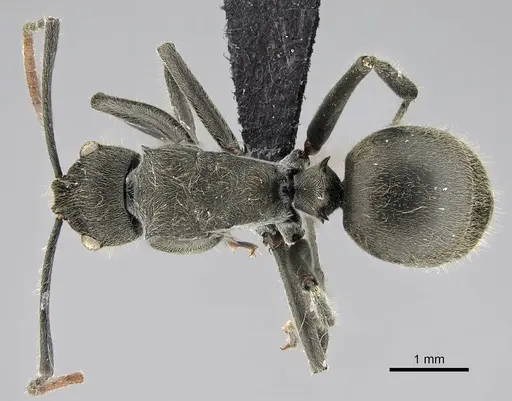
CASENT0088752
View on AntWeb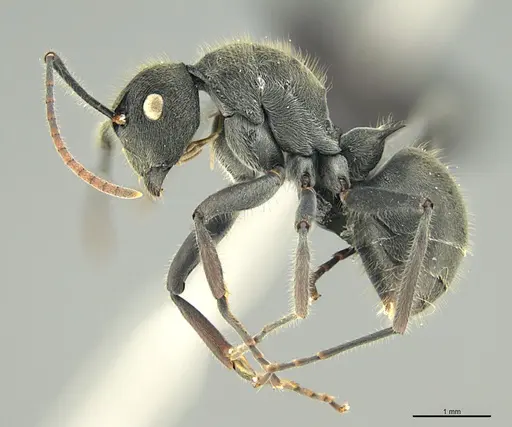
Literature
Loading...Loading products...