

Polyrhachis schellerichae
- Scientific Name
- Polyrhachis schellerichae
- Subgenus
- Myrmhopla
- Tribe
- Camponotini
- Subfamily
- Formicinae
- Author
- Dorow, 1996
- Distribution
- Found in 1 countries
Polyrhachis schellerichae Overview
Polyrhachis schellerichae is an ant species of the genus Polyrhachis. It is primarily documented in 1 countries , including Malaysia. Detailed taxonomic data and occurrence records can be further explored via authoritative databases such as AntWeb or the Global Biodiversity Information Facility (GBIF).
Polyrhachis schellerichae
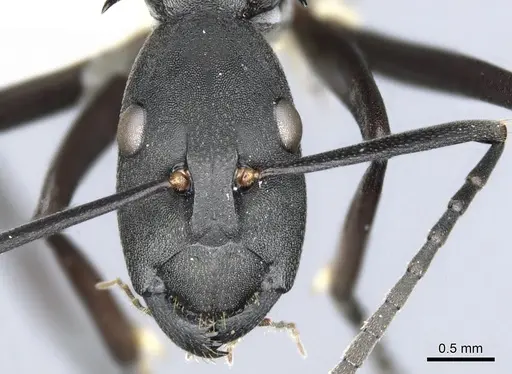
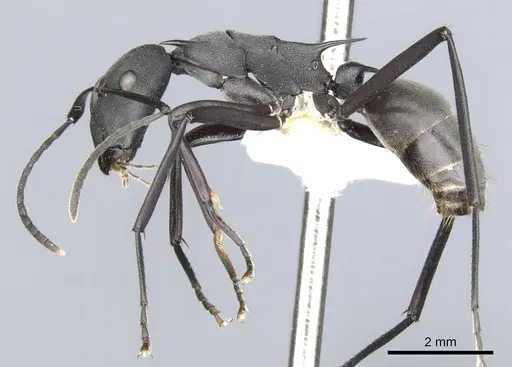
Polyrhachis schellerichae is a striking tropical ant species native to Malaysia, instantly recognizable by its remarkably elongated head, especially in queens, and the long spines protruding from its thorax. Workers measure 8.7-9.8mm and are black to blackish-brown with a subtle silky sheen, while queens are even more dramatic at 12.6-13.6mm with their distinctly rectangular, elongated heads [1]. This species belongs to the hector-group within the subgenus Myrmhopla, characterized by flattened tibiae and antennae [1]. What makes P. schellerichae truly special is its exclusive specialization: it nests almost entirely inside the hollow internodes of giant bamboo (Gigantochloa thoii), making it one of the most niche-specific ants in the world [1].
Quick Summary
- Difficulty: Expert
- Origin & Habitat: Tropical rainforests of West Malaysia, specifically the Ulu Gombak area at 240-500 meters elevation [1]. In the wild, they live exclusively inside bamboo culm internodes.
- Colony Type: Polydomous colonies, a single colony occupies multiple bamboo culms (one studied colony spanned 47 separate culms with over 7200 workers). They are monogyne, meaning each colony has just one queen [2][1].
- Colony: Monogyne
- Size & Growth:
- Queen: 12.6-13.6mm (mean 13.05mm) [1]
- Worker: 8.7-9.8mm (mean 9.29mm) [1]
- Colony: Up to 7200+ workers in mature colonies (one studied colony had 7203 workers,605 alate queens, and 1310 males across 47 bamboo culms) [1]
- Growth: Moderate, based on related Polyrhachis species
- Development: Estimated 6-8 weeks at tropical temperatures (25-28°C), based on typical Polyrhachis development patterns (Pupae develop in cocoons attached to bamboo walls using larval silk [1])
- Antkeeping:
- Temperature: Keep at 24-28°C, these are tropical ants from lowland Malaysia. A gentle gradient is helpful but not critical since they nest internally.
- Humidity: High humidity (70-85%), bamboo internodes maintain consistent moisture. Use a water reservoir or misting system, but avoid waterlogging.
- Diapause: No, being a tropical species, they do not require hibernation. Maintain warm temperatures year-round.
- Nesting: This is the critical challenge. P. schellerichae is an obligate bamboo-dweller. In captivity, you need to provide artificial bamboo culms or very close approximations. PVC tubes with appropriate diameter (around 8cm based on natural internode size) can work, but they strongly prefer the bamboo structure. Multiple connected chambers are ideal since colonies are polydomous.
- Behavior: These ants are diurnal and relatively peaceful, they are subordinate and will readily retreat from conflicts with other ant species [1]. Workers forage individually rather than in groups, though they use trail pheromones for recruitment to food sources or new nest sites [1]. They are not aggressive and cannot sting (Formicinae spray formic acid instead). The biggest concern for keepers is escape prevention, while not tiny, they are agile and will explore any gap. Their most unusual behavior is the mealybug farming: they keep scale insects inside their nests and tend them for honeydew, which is their primary food source [1].
- Common Issues: Providing suitable nesting is extremely difficult, they are obligate bamboo dwellers and reject most conventional formicaria, Maintaining mealybug colonies is challenging, without their trophobionts, nutrition becomes difficult since honeydew is their primary food, Polydomous structure means they need multiple connected chambers/nests to thrive, High humidity requirements can lead to mold in suboptimal setups, Being tropical, they cannot tolerate temperatures below 20°C for extended periods
The Bamboo Dwelling Specialization
Polyrhachis schellerichae is one of the most ecologically specialized ants in the world. Unlike most ants that nest in soil, rotting wood, or under stones, this species is an obligate inhabitant of giant bamboo culms. In the wild, they nest inside the hollow internodes of Gigantochloa thoii bamboo, with each internode averaging 42.7cm long and 8.1cm in diameter [1]. A single colony can span dozens of bamboo culms, one studied colony occupied 47 separate culms connected by distinct trails along the bamboo stems and on the ground [1]. This specialization extends to their biology: they have evolved to thrive in the unique microclimate inside bamboo internodes, which maintain relatively stable humidity and temperature. For captive care, this means you must replicate this unique nesting environment as closely as possible. Plain acrylic or plaster nests will likely be rejected. The best approach is using actual bamboo sections or PVC tubes sized to match natural internode dimensions (around 8cm diameter). Multiple sections should be connected to allow the polydomous colony structure they naturally maintain [1].
Trophobiosis and Feeding
In their natural habitat, P. schellerichae maintains a tight symbiotic relationship with mealybugs (scale insects) that live inside the bamboo internodes alongside the ants [1]. The ants protect the mealybugs and transport them when relocating to new nest internodes, but only the crawler (first instar) larvae are moved, not the adults [1]. This relationship is their primary food source: the mealybugs feed on plant sap and excrete honeydew, which the ants consume. Workers with distended gasters (full of honeydew) can be observed walking between internodes, effectively acting as living food storage [1]. In captivity, replicating this trophobiotic relationship is one of the biggest challenges. You would need to culture mealybugs inside the nest chambers, which is difficult and often fails. Alternatively, you can offer sugar water (honey or sucrose solution) as a substitute for honeydew, though this bypasses their natural feeding system. They may also accept small insects occasionally, but these are not their primary food source in the wild, no predation or scavenging was observed in field studies [1].
Colony Structure and Behavior
P. schellerichae forms polydomous colonies, meaning one colony maintains multiple nest sites across different bamboo culms, connected by worker traffic routes [1]. The studied colony had over 7200 workers,605 alate queens, and 1310 males spread across 47 bamboo culms [1]. Each occupied internode typically has just one oval nest entrance (2-15mm long,1-6mm wide), always guarded by one or several workers [1]. During rain, more workers guard the entrances, blocking the opening with their heads to prevent water from entering [1]. The colony is monogyne, despite having hundreds of alate queens, only one queen is active per colony [2]. They are diurnal and relatively non-aggressive, readily retreating when encountering other ant species like Polyrhachis arachne [1]. Workers use trail pheromones for recruitment, though this appears to function more for colony cohesion and nest relocation than for coordinated foraging [1]. Most workers traveling between nests are not foraging but moving between nest sites, only a minority leave to forage for sugar sources.
Temperature and Environmental Needs
As a tropical species from lowland Malaysia, P. schellerichae requires warm, humid conditions year-round. Their natural habitat in the Ulu Gombak area sits at 240-500 meters elevation in a tropical rainforest climate [1]. Keep temperatures in the 24-28°C range, never allow temperatures to drop below 20°C for extended periods. Humidity should be high (70-85%), mimicking the stable conditions inside bamboo internodes. Unlike temperate species, they do not enter diapause and need consistent warmth throughout the year. Rainfall strongly affects their activity, field observations showed nearly zero foraging activity during rain events [1]. In captivity, avoid placing the nest in areas with drafts or temperature fluctuations. A heating cable on one side of the setup can help maintain warmth, but ensure humidity is maintained as well, heating can dry out the nest quickly.
Nesting in Captivity
Providing appropriate housing is the single greatest challenge in keeping P. schellerichae. They are obligate bamboo dwellers and will likely reject conventional formicaria. The ideal setup uses actual bamboo sections with appropriate dimensions, natural internodes average about 8cm diameter and 43cm long [1]. Cut bamboo sections with a single oval entrance hole (2-15mm) and connect multiple sections to allow the polydomous structure they naturally maintain. If bamboo is unavailable, PVC pipe of similar diameter (7-9cm) can serve as a substitute, though acceptance is not guaranteed. The interior should not be lined with any material, in the wild, they do not modify the inner bamboo walls with silk or other materials [1]. Only larval silk is used to attach cocoons to the walls. Ensure the nest entrance can be guarded, these ants always station workers at entrance points [1]. Multiple connected chambers are essential for a healthy colony.
Frequently Asked Questions
Can I keep Polyrhachis schellerichae in a regular formicarium?
Almost certainly no. This species is an obligate bamboo dweller and will likely reject standard acrylic, plaster, or ytong nests. You need to provide bamboo sections or PVC tubes sized to match natural internode dimensions (around 8cm diameter). This is not a species for beginners precisely because of this specialized housing requirement.
What do Polyrhachis schellerichae eat?
Their primary food source is honeydew from mealybugs (scale insects) they farm inside their nests. In captivity, you can offer sugar water (honey or sucrose solution) as a substitute for honeydew. They may accept small insects occasionally, but these are not their main food, field studies showed no predation or scavenging behavior [1].
How big do Polyrhachis schellerichae colonies get?
Mature colonies can be massive. One wild colony studied had over 7200 workers,605 alate queens, and 1310 males spread across 47 bamboo culms [1]. In captivity, expect colonies to reach several thousand workers if properly maintained.
Do they need hibernation or diapause?
No. Being a tropical species from Malaysia, they do not require hibernation. Maintain warm temperatures (24-28°C) year-round. They are active diurnally and reduce activity during rain [1].
How do I provide the mealybugs they need?
This is challenging. In the wild, they keep mealybugs inside every occupied bamboo internode and transport them during nest relocations. In captivity, you would need to culture mealybugs inside the nest chambers, this is difficult and often fails. Many keepers simply offer sugar water as a substitute for the honeydew the mealybugs would provide.
Are Polyrhachis schellerichae good for beginners?
No. This is an expert-level species due to their specialized bamboo-dwelling habitat, need for multiple connected nest chambers (polydomous structure), difficulty replicating their trophobiotic relationship with mealybugs, and strict temperature/humidity requirements. This species is recommended only for experienced antkeepers who can provide the specific bamboo housing they require.
How many queens does a colony have?
P. schellerichae is monogyne, each colony has a single queen, despite having hundreds of alate queens produced for reproduction [2]. The colony structure is polydomous (multiple nest sites) but monogyne (single egg-laying queen) [1].
When do alates appear in the colony?
The studied colony had 605 alate queens and 1310 males present simultaneously [1]. This suggests they produce alates year-round in tropical conditions, though specific seasonal timing is not well documented.
How do I connect multiple nest sections?
In the wild, workers travel between bamboo culms via distinct routes, both along the bamboo stems and across the ground. In captivity, connect your bamboo or PVC sections with tubes allowing worker traffic between chambers. This polydomous structure is essential for colony health [1].
References

This caresheet is licensed under CC BY-SA 4.0 .
CASENT0903372
View on AntWeb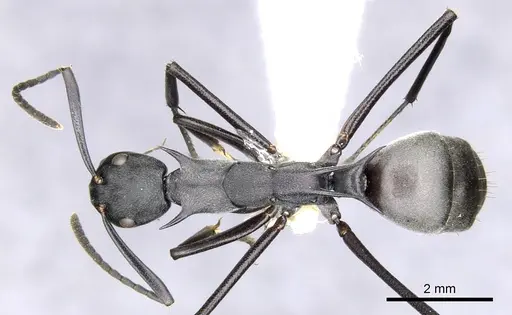
Literature
Loading...Loading products...