

Polyrhachis arachne
- Scientific Name
- Polyrhachis arachne
- Subgenus
- Myrmhopla
- Tribe
- Camponotini
- Subfamily
- Formicinae
- Author
- Emery, 1896
- Distribution
- Found in 2 countries
Polyrhachis arachne Overview
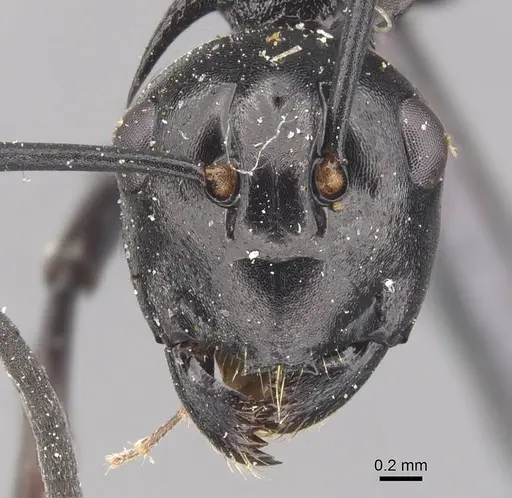
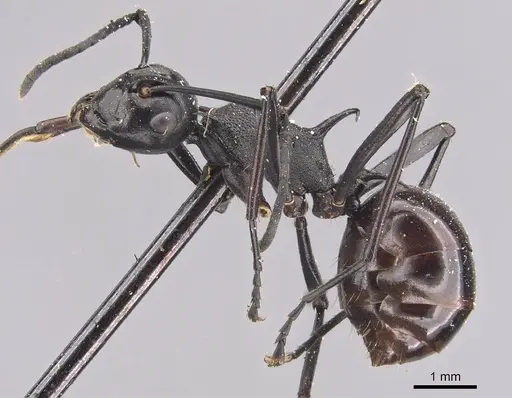
Polyrhachis arachne is an ant species of the genus Polyrhachis. It is primarily documented in 2 countries , including Indonesia, Malaysia. Detailed taxonomic data and occurrence records can be further explored via authoritative databases such as AntWeb or the Global Biodiversity Information Facility (GBIF).
Polyrhachis arachne
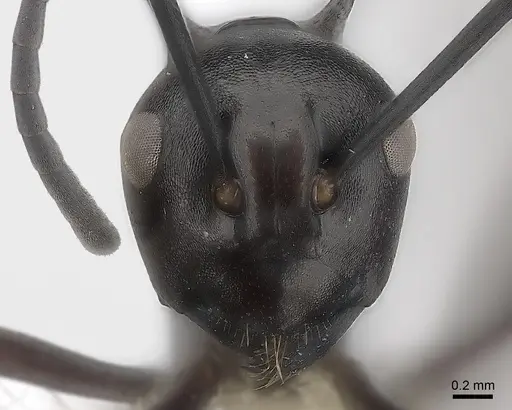
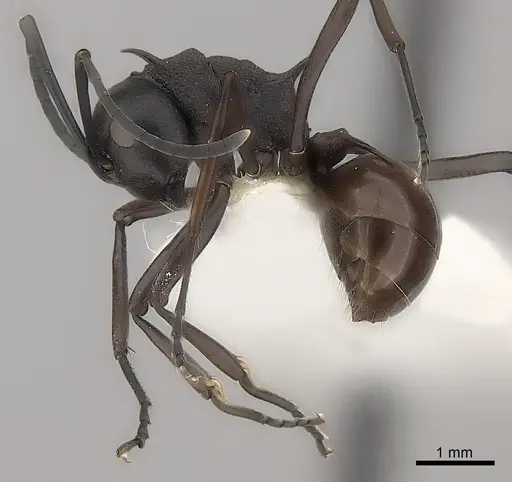
Polyrhachis arachne is a distinctive arboreal ant native to Southeast Asia, known for its unique nesting behavior in bamboo internodes. Workers are medium-sized with a dark body and characteristic spines on the thorax. This species belongs to the Myrmhopla subgenus and constructs elaborate silk pavilions under bamboo leaves where they tend hemipteran partners like mealybugs. Colonies are polydomous, meaning they occupy multiple connected nest sites across bamboo internodes, with each colony containing hundreds of workers [1][2].
What makes P. arachne particularly fascinating is their relationship with bamboo. Unlike most ants, they don't nest in soil but exclusively use the hollow chambers inside dead bamboo culms. They also narrow their nest entrances using silk and detritus, a behavior not seen in their close relative P. schellerichae. These ants are active foragers that establish short-term trails to collect honeydew from tended insects and dead prey [3][2].
Quick Summary
- Difficulty: Medium
- Origin & Habitat: Native to Indonesia (Java) and Thailand in the Indomalaya region. Found exclusively in broad-leaved bamboo habitats where they nest inside dead bamboo internodes and build silk pavilions under bamboo leaves [1][4].
- Colony Type: Monogyne (single queen) colonies that are polydomous, meaning the colony spreads across multiple bamboo internodes and leaf pavilions. Each colony can contain 125-1088 workers distributed across multiple nest sites [1][2].
- Colony: Monogyne
- Founding: Claustral
- Size & Growth:
- Queen: Approximately 8-9mm (estimated based on genus patterns)
- Worker: 5-7mm [1]
- Colony: Up to 1000+ workers in established colonies [1]
- Growth: Moderate
- Development: 6-8 weeks (estimated based on related Formicinae species) (Development time is estimated as no specific study exists for this species. Related Polyrhachis species in the Myrmhopla group typically develop in 6-8 weeks at tropical temperatures.)
- Antkeeping:
- Temperature: Keep at 24-28°C. These are tropical ants from Southeast Asia that need warm, stable conditions. A heating cable on one side of the nest creates a gentle gradient [1].
- Humidity: High humidity (70-85%). Their natural bamboo habitat is consistently humid. Keep the nest substrate moist but ensure ventilation prevents mold buildup. The bamboo internodes they naturally use retain moisture well [1][2].
- Diapause: No, these are tropical ants that do not require hibernation. Maintain year-round warm conditions [1].
- Nesting: Arboreal specialists that need vertical spaces mimicking bamboo internodes. Y-tong (AAC) nests or acrylic nests with narrow vertical chambers work well. Provide materials like cork, cardboard tubes, or bamboo sections for them to nest in. They will also construct silk structures if given appropriate surfaces [5][2].
- Behavior: Generally calm and non-aggressive compared to many Formicinae. Workers are active foragers that establish temporary trails to food sources. They tend hemipterans (mealybugs) for honeydew and collect dead insects. Escape risk is moderate, they are good climbers but can be contained with standard barriers. They are polydomous, meaning they will use multiple nest chambers connected by trails [3][2].
- Common Issues: humidity control is critical, too dry and colonies stagnate, too wet and mold becomes a problem, they need vertical nesting spaces scaled to their arboreal lifestyle, horizontal test tubes work poorly, polydomous colonies may spread across multiple chambers, making it hard to keep track of the queen, wild-caught colonies may have parasites or be stressed from bamboo collection, their need for hemipteran partners means they may not thrive on sugar alone, protein is important
Housing and Nest Setup
P. arachne requires arboreal-style housing that mimics their natural bamboo habitat. Vertical acrylic nests (Y-tong style) work well, or you can provide actual bamboo sections with internode chambers. The key is providing narrow, vertical chambers they can patrol and defend. Cork inserts or cardboard tubes give them surfaces to walk on and can absorb some humidity. Because they are polydomous, they will use multiple chambers if available, so consider connecting two or three nest units with tubing. Outworlds should include vertical structures (branches, cork pieces) for climbing and foraging. Use a water test tube as a humidity source, positioned so condensation can reach the nest chambers [5][2].
Feeding and Diet
These ants are opportunistic foragers with a sweet tooth. They primarily collect honeydew from tended hemipterans (mealybugs, aphids) in the wild, so offering sugar water or honey water is essential. They also accept dead insects like fruit flies, small crickets, and mealworms. Unlike some Polyrhachis species, P. arachne does not appear to be strictly predatory, they prefer scavenging and trophobiosis. Offer protein (insects) 2-3 times per week and keep a constant sugar source available. If possible, providing a small mealybug culture on a plant cutting can enrich their environment and mimic their natural behavior [3][2].
Temperature and Seasonal Care
As tropical ants from Indonesia and Thailand, P. arachne needs consistent warmth year-round. Keep the nest area at 24-28°C with minimal temperature fluctuations. A small heating cable placed on one side of the nest creates a gradient while avoiding direct heat on the entire colony. Room temperature in heated homes (around 22-24°C) may suffice, but monitor colony activity, if workers seem sluggish, add gentle heating. There is no diapause requirement for this species. High humidity (70-85%) complements the warm temperatures, mist the outworld occasionally and keep the water tube filled, but ensure ventilation prevents stagnant, moldy conditions [1].
Colony Structure and Polydomy
P. arachne colonies are polydomous, meaning they naturally spread across multiple nest sites. In the wild, they occupy several bamboo internodes connected by trails, with workers moving freely between chambers. This is important to understand in captivity, your colony may seem to 'split' across connected nests, and this is normal behavior, not a sign of swarming or queen loss. Each colony is monogyne with a single founding queen, but she may eventually be housed in one chamber while workers distribute brood across others. When setting up connected nest units, ensure passages are wide enough for workers but consider that they may concentrate brood in the warmest, most humid chamber [2][3].
Behavior and Foraging
Workers of P. arachne are active foragers that use short-term trail systems. Unlike some ants that establish permanent foraging highways, they create temporary trails to food sources that dissolve once the resource is depleted. They are competent climbers and will readily ascend vertical surfaces to reach food or explore. Their temperament is generally calm, they are not particularly aggressive and rarely show threat displays. When threatened, they may flee rather than attack. This makes them manageable in captivity, though their climbing ability means escape prevention should be taken seriously. They are primarily active during warmer hours of the day, with reduced activity at night [3][6].
Frequently Asked Questions
Can I keep Polyrhachis arachne in a test tube setup?
Standard horizontal test tubes are not ideal for this species. P. arachne is an arboreal ant that naturally nests in vertical bamboo internodes. Use a vertical Y-tong nest, acrylic formicarium, or provide actual bamboo sections with internal chambers. They need vertical space to move and patrol, not horizontal tubes.
What do Polyrhachis arachne ants eat?
They need a mix of sugar and protein. Offer sugar water or honey water constantly, and feed dead insects (fruit flies, mealworms, small crickets) 2-3 times weekly. In the wild they tend mealybugs for honeydew, so a sugar source is essential for their wellbeing.
How long does it take for Polyrhachis arachne to raise first workers?
Based on related Polyrhachis species in the Myrmhopla group, expect 6-8 weeks from egg to worker at optimal tropical temperatures (24-28°C). claustral founding queens seal themselves in and raise the first brood alone, so be patient during the founding phase.
Do Polyrhachis arachne ants need hibernation?
No. These are tropical ants from Southeast Asia that do not require hibernation. Keep them warm year-round at 24-28°C. They remain active throughout the year in their natural habitat.
Are Polyrhachis arachne ants aggressive?
No, they are generally calm and non-aggressive. They prefer to flee rather than engage when threatened. Workers are active foragers but not particularly defensive. This makes them manageable in captivity.
How big do Polyrhachis arachne colonies get?
Mature colonies can reach 1000+ workers. In the wild, researchers found 125-1088 workers per colony distributed across multiple bamboo internodes. They are polydomous, meaning the colony spreads across multiple connected nest sites.
Can I keep multiple queens together in one setup?
No. P. arachne is monogyne, colonies have a single queen. Multiple unrelated queens will fight. If you capture a wild colony, there is only one reproductive queen, though ergatoid replacement reproductives may exist if the queen dies.
Why is my Polyrhachis arachne colony not growing?
Check three things: temperature (should be 24-28°C), humidity (should be 70-85% but ventilated), and food (sugar source constant + protein 2-3x weekly). Also ensure they have appropriate vertical nesting space. If conditions are correct and they still stagnate, the queen may be old or the colony may be stressed from collection.
When should I move my colony to a formicarium?
Move them when they outgrow their founding setup or when the test tube/water setup becomes difficult to maintain. For P. arachne, this is typically when the colony reaches 30-50 workers. Use a formicarium with vertical chambers and ensure connections to the outworld are secure, these are good climbers.
References

This caresheet is licensed under CC BY-SA 4.0 .
CASENT0217744
View on AntWeb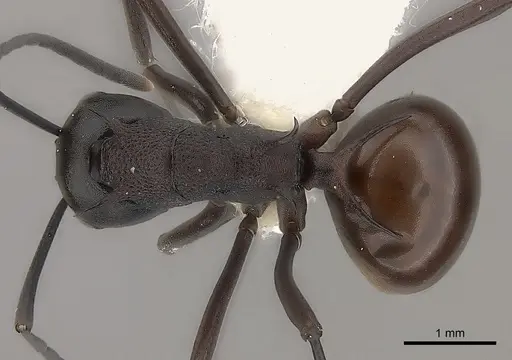
CASENT0905640
View on AntWeb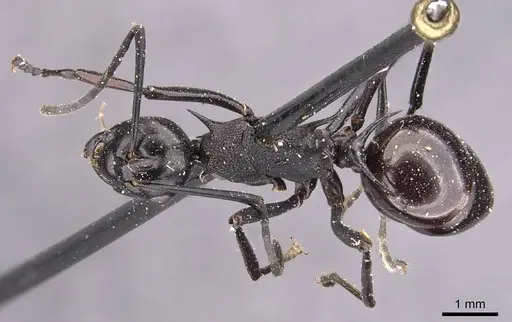
Literature
Loading...Loading products...