

Polyrhachis rufofemorata
- Scientific Name
- Polyrhachis rufofemorata
- Subgenus
- Myrma
- Tribe
- Camponotini
- Subfamily
- Formicinae
- Author
- Smith, 1859
- Distribution
- Found in 3 countries
Polyrhachis rufofemorata Overview
Polyrhachis rufofemorata is an ant species of the genus Polyrhachis. It is primarily documented in 3 countries , including Australia, Indonesia, Papua New Guinea. Detailed taxonomic data and occurrence records can be further explored via authoritative databases such as AntWeb or the Global Biodiversity Information Facility (GBIF).
Polyrhachis rufofemorata
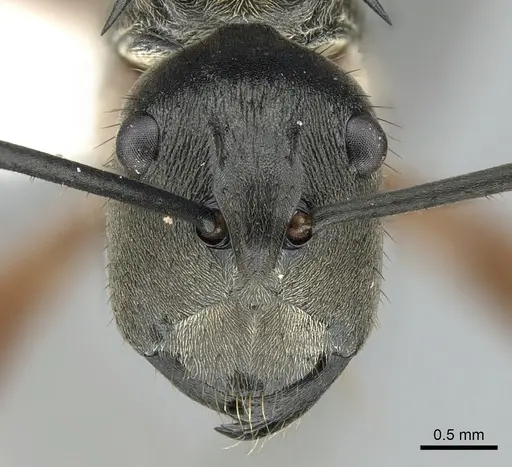
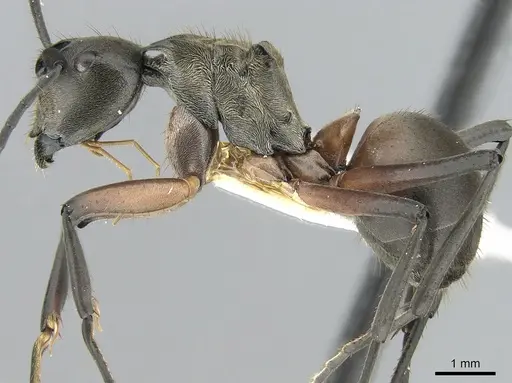
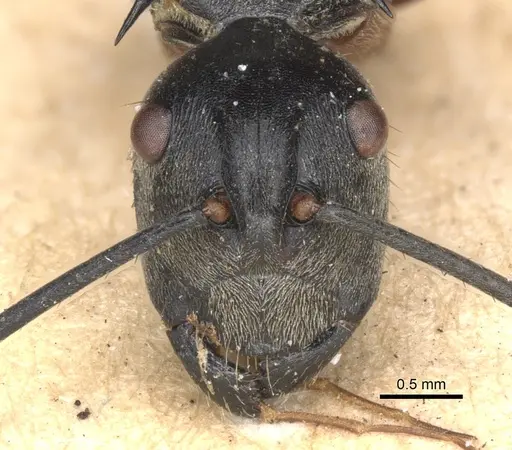
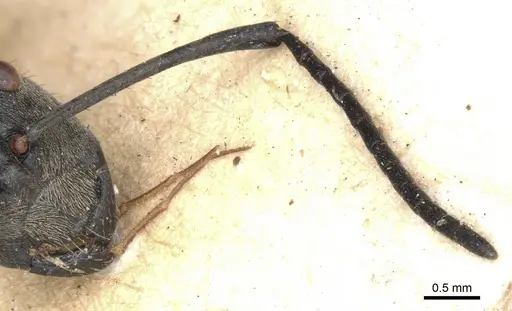
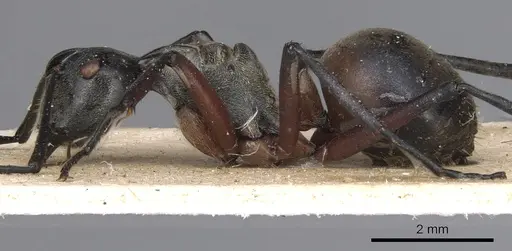
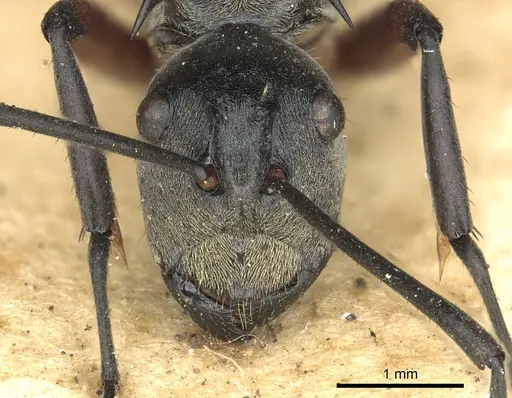
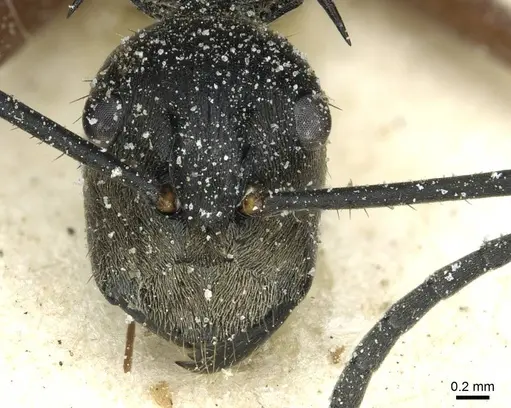
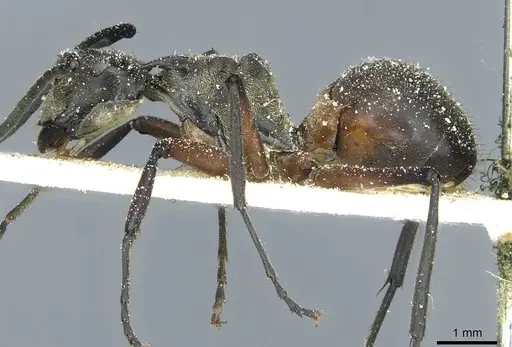
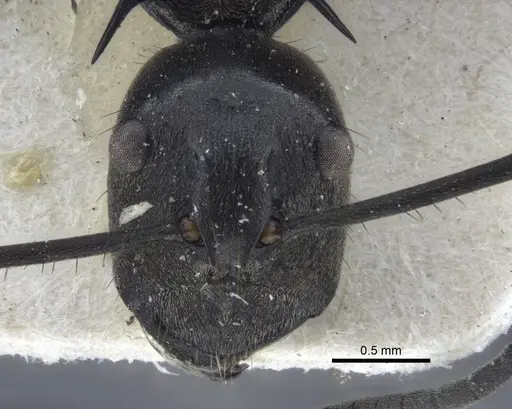
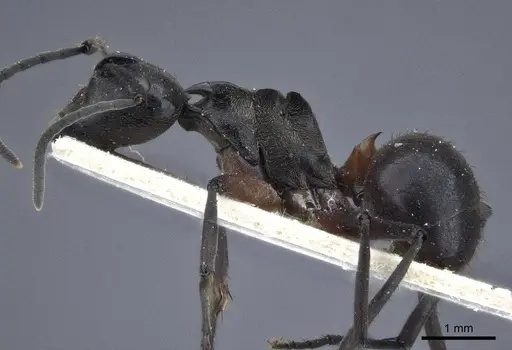
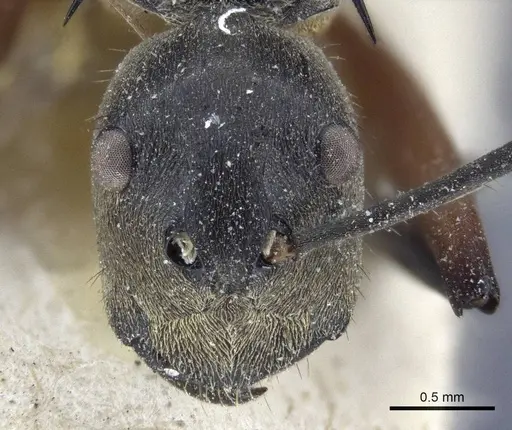
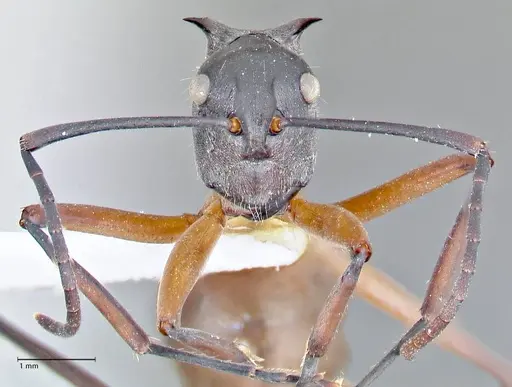
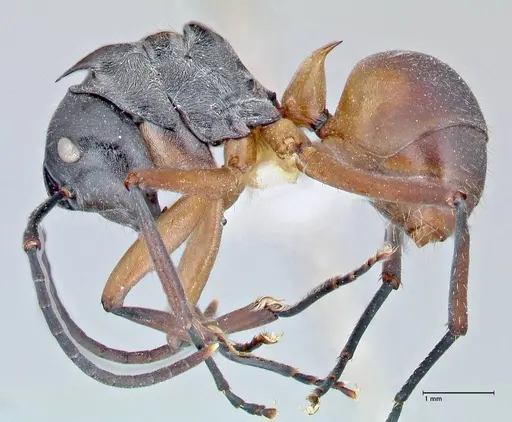
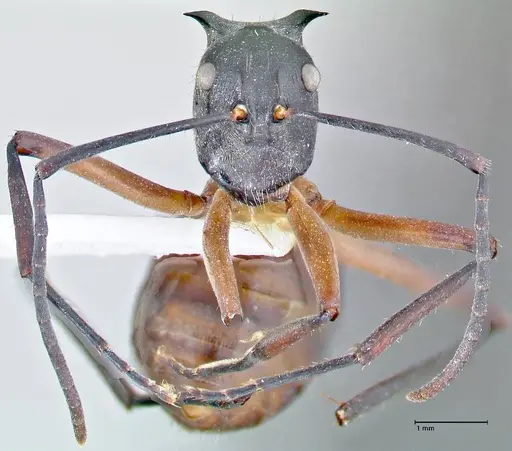
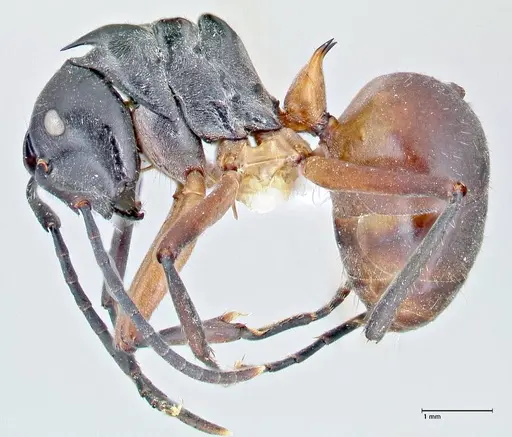
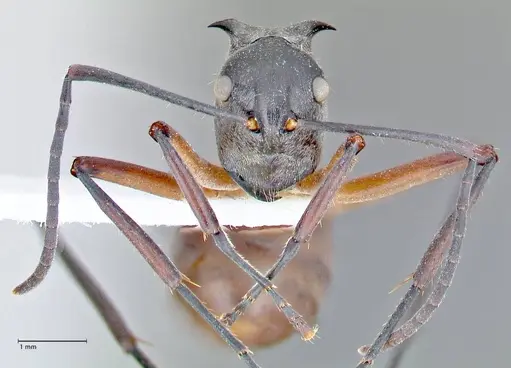
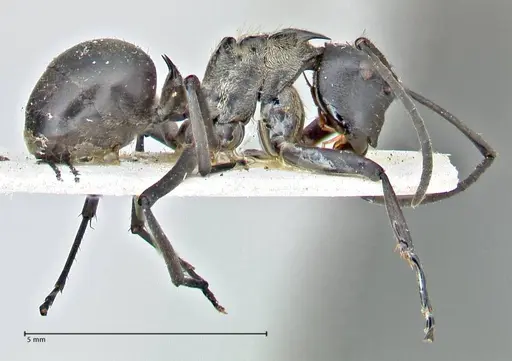
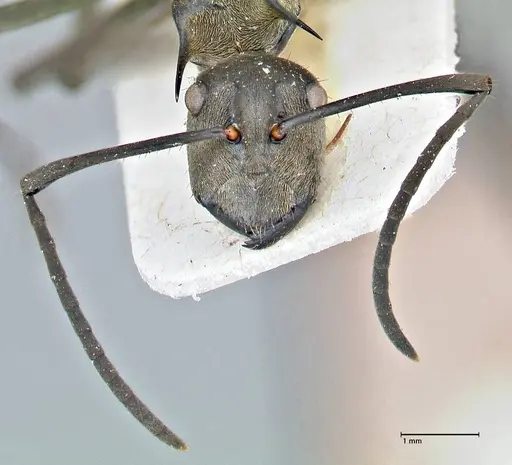
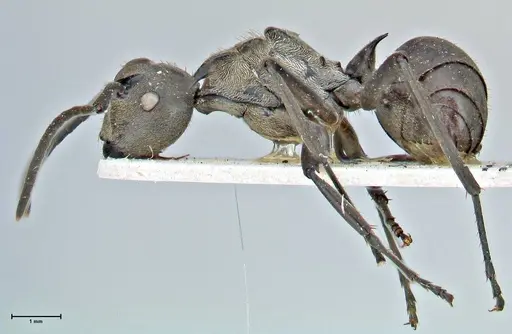
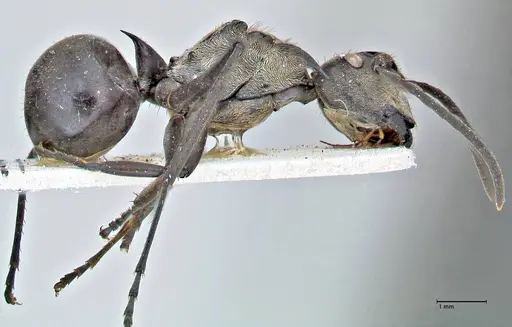
Polyrhachis rufofemorata is a medium-sized arboreal ant known for its distinctive spiny appearance. Workers measure 8.47-9.58mm and queens reach 9.42-10.43mm [1]. The body is predominantly black with reddish-brown coloration on the petiole, base of the first abdominal segment, coxae, and femora. They have long, divergent spines on the pronotum and a variable petiolar shape, either simply angulate or distinctly spinose depending on the population [1]. This species belongs to the Polyrhachis relucens group and is lignicolous, meaning it nests in plant cavities, particularly hollow internodes of standing dead bamboo [1][2]. The distribution spans from the Moluccas and New Guinea to northern Australia at Iron Range on Cape York Peninsula [1].
Quick Summary
- Difficulty: Medium
- Origin & Habitat: Australasian region, found across the Moluccas (Indonesia), New Guinea, and northern Australia. Inhabits tropical and subtropical forests, nesting in plant cavities, especially dead bamboo [1][3].
- Colony Type: Monogyne, single queen colonies with no multiple nests per colony [2]. Queens are similar across both the spinose and angulate petiole forms with only slight variability between populations [1].
- Colony: Monogyne
- Founding: Claustral
- Size & Growth:
- Queen: 9.42-10.43mm [1]
- Worker: 8.47-9.58mm [1]
- Colony: Unknown, typical for medium Polyrhachis likely reaches several hundred workers
- Growth: Moderate, inferred from related Polyrhachis species
- Development: Estimated 6-8 weeks at optimal temperature based on genus patterns (Cocoons are present, which is important for care, some Polyrhachis species lack cocoons [2])
- Antkeeping:
- Temperature: Keep at 24-28°C, they are a tropical/subtropical species from warm regions. Room temperature within this range works well, or use a gentle heat gradient if needed.
- Humidity: Moderate to high, they come from humid tropical forests. Keep nest substrate slightly moist but not waterlogged. Provide a water tube for drinking.
- Diapause: No, as a tropical species, they do not require hibernation. Maintain consistent warm temperatures year-round.
- Nesting: Lignicolous (wood-dwelling), in captivity they do well in acrylic nests or Y-tong setups with narrow chambers. Provide bark, twigs, or bamboo sections for a naturalistic feel. They prefer enclosed spaces scaled to their medium size.
- Behavior: Generally calm and non-aggressive for a Polyrhachis species. Workers are active foragers but not particularly defensive. They are arboreal and will explore vertical spaces. Escape risk is moderate, use standard barrier methods. They produce cocoons, which is notable as some related species do not [2].
- Common Issues: tropical species may struggle in cool or air-conditioned rooms, monitor temperature closely, lignicolous nesting means they need enclosed spaces, avoid open foraging areas that cause stress, wild-caught colonies may harbor parasites, especially Ophiocordyceps fungi [4], small colony sizes may be slow to establish, patience is needed during founding phase, ensure escape prevention is adequate, medium-sized ants can still escape through small gaps
Nest Preferences and Housing
Polyrhachis rufofemorata is lignicolous, meaning it naturally nests in plant cavities, most commonly hollow internodes of standing dead bamboo [1]. In captivity, they do well in acrylic formicariums or Y-tong nests with chambers scaled to their medium size (8-10mm). Unlike some arboreal ants, they don't need tall vertical spaces, horizontal chambers work fine. You can add pieces of bamboo, bark, or cork to create a more naturalistic setup. The nest should be enclosed and secure, these ants prefer tight spaces that mimic their natural bamboo cavity homes. Keep the nest area humid but ensure ventilation prevents mold buildup.
Feeding and Diet
Polyrhachis rufofemorata is a generalist forager. They likely feed on honeydew from sap-sucking insects, nectar, and small insects, typical for Formicinae ants. In captivity, offer a mix of sugar sources (honey water, sugar water) and protein (small insects like fruit flies, pinhead crickets, mealworms). Feed protein 2-3 times per week and keep sugar water available at all times. Remove uneaten prey after 24-48 hours to prevent mold. Fresh water should always be accessible.
Temperature and Seasonal Care
As a tropical to subtropical species from the Australasian region, P. rufofemorata requires warm temperatures year-round. Keep the nest area at 24-28°C. They do not tolerate cool temperatures well, avoid air-conditioned rooms or drafty areas. No hibernation or diapause is required. Room temperature within this range is often sufficient. If your environment is cooler, use a heating cable on one side of the nest to create a gentle gradient. Monitor with a thermometer placed near the nest. Consistent warmth is key for brood development and colony activity. [1]
Colony Structure and Development
This species forms monogyne colonies, a single queen per colony with no additional nests [2]. The queen measures 9.42-10.43mm and workers are 8.47-9.58mm [1]. Unlike some Polyrhachis species, they produce pupal cocoons, which makes caring for pupae easier [2]. Colony growth is moderate, expect several months for a founding colony to establish first workers. Once established, colonies can grow to several hundred workers. The species shows two distinct forms based on petiole shape: the nominal form with angulate or minutely dentate petiole (common in Indonesian populations), and a distinctly spinose form found in Australian populations [1].
Behavior and Temperament
Polyrhachis rufofemorata is relatively calm compared to some more aggressive ant species. Workers are active foragers but not particularly territorial or defensive. They are arboreal by nature, so they will explore and climb effectively. Escape prevention should be adequate but doesn't need to be extreme, standard barriers work well for this medium-sized ant. They adapt well to captive conditions once established. The species is not known for stinging and poses no danger to keepers. Their distinctive spines are primarily for defense against predators rather than aggression toward humans.
Frequently Asked Questions
How long does it take for Polyrhachis rufofemorata to produce first workers?
Based on typical Polyrhachis development, expect 6-8 weeks from egg to first worker at optimal temperature (24-28°C). Founding colonies need patience, the queen seals herself in and raises the first brood alone.
What temperature do Polyrhachis rufofemorata ants need?
Keep them at 24-28°C. They are tropical and do not tolerate cool temperatures. Room temperature within this range is ideal. Avoid air-conditioned spaces.
Do Polyrhachis rufofemorata ants need hibernation?
No. As a tropical species from the Moluccas, New Guinea, and northern Australia, they do not require hibernation or winter rest. Maintain warm temperatures year-round.
What do Polyrhachis rufofemorata ants eat?
They are generalists. Offer sugar water or honey constantly, and protein (small insects like fruit flies, pinhead crickets, mealworms) 2-3 times per week. Remove uneaten prey after a day or two.
Can I keep multiple queens together?
No. This species is monogyne, colonies have a single queen. Multiple unrelated queens will fight. Only keep one queen per colony.
What size colony do Polyrhachis rufofemorata reach?
Colony size is not precisely documented, but based on related species, expect several hundred workers at maturity. Growth is moderate.
Are Polyrhachis rufofemorata ants aggressive?
No. They are relatively calm and not particularly defensive. They pose no danger to keepers and are not known for stinging.
What nest type is best for Polyrhachis rufofemorata?
They are lignicolous (wood-dwelling), so acrylic nests or Y-tong setups work well. They prefer enclosed chambers scaled to their medium size (8-10mm passages). Add natural elements like bamboo or bark for enrichment.
Do Polyrhachis rufofemorata make cocoons?
Yes. Unlike some Polyrhachis species, this one produces cocoons, which makes pupal care easier in captivity [2].
Where is Polyrhachis rufofemorata found in the wild?
They range from the Moluccas (Indonesia) and New Guinea to northern Australia at Iron Range on Cape York Peninsula. They live in tropical forests and nest in plant cavities, especially dead bamboo [1][3].
Are Polyrhachis rufofemorata good for beginners?
They are intermediate difficulty. Their tropical temperature requirements and longer development time make them slightly more challenging than common temperate species, but they are generally hardy once established.
Why are my Polyrhachis rufofemorata dying?
The most common causes are: temperature too cool (below 24°C), low humidity, or stress from an overly open nest. Also check for parasites, they can be susceptible to Ophiocordyceps fungal infections [4]. Ensure sugar water is available and remove moldy food promptly.
References

This caresheet is licensed under CC BY-SA 4.0 .
CASENT0217796
View on AntWeb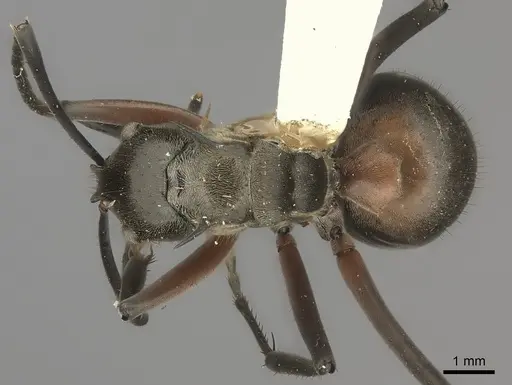
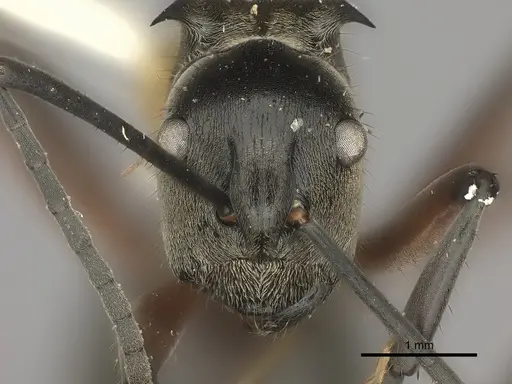
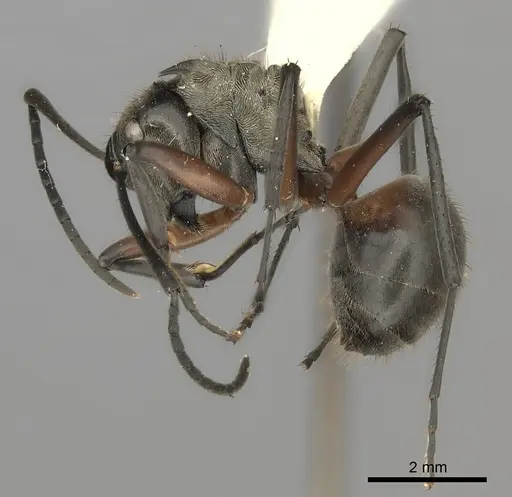
CASENT0281389
View on AntWeb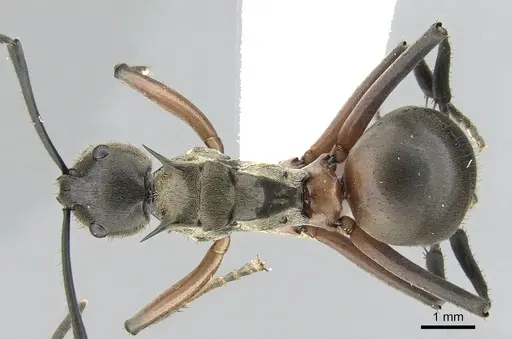
CASENT0901813
View on AntWeb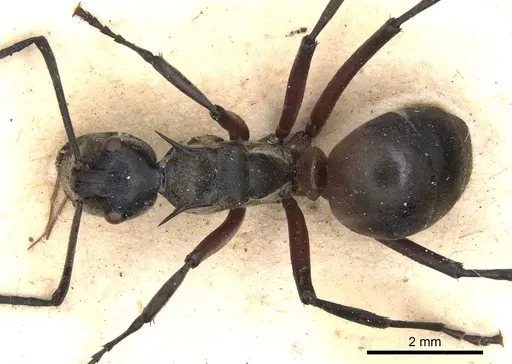
CASENT0901836
View on AntWeb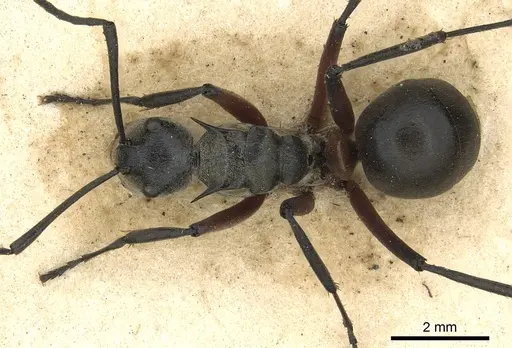
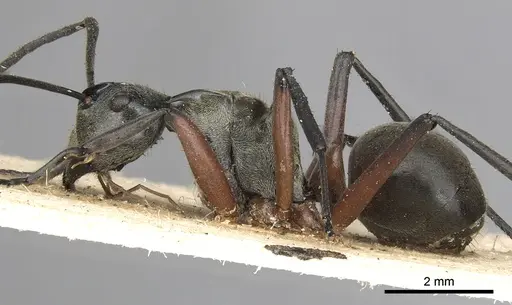
CASENT0910915
View on AntWeb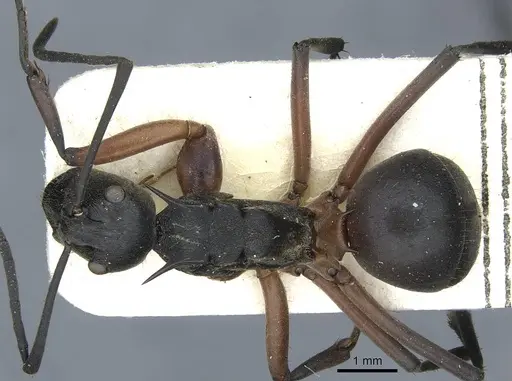
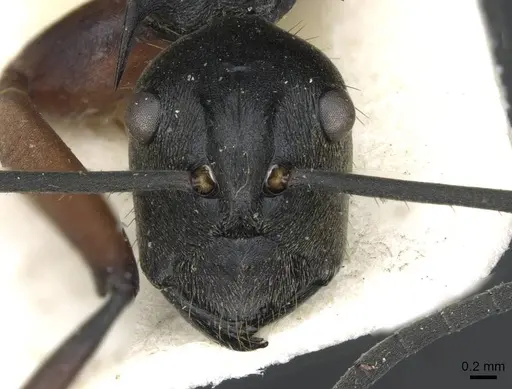
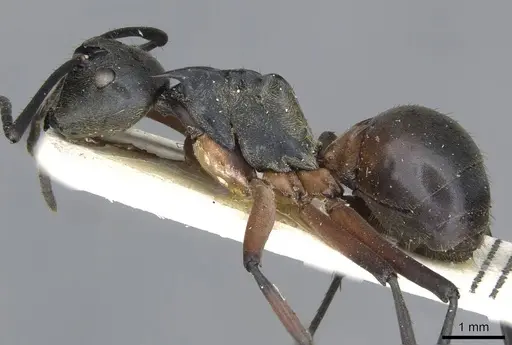
CASENT0912116
View on AntWeb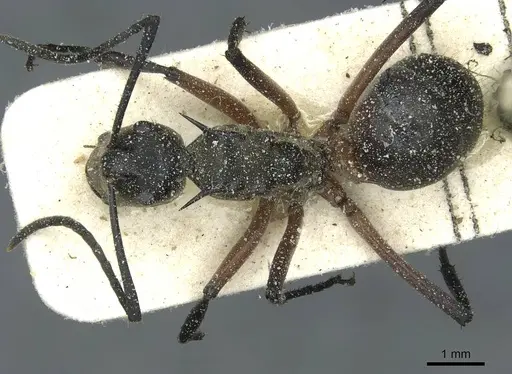
CASENT0916636
View on AntWeb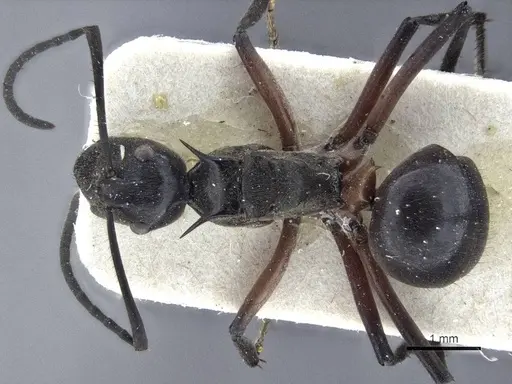
CASENT0916637
View on AntWeb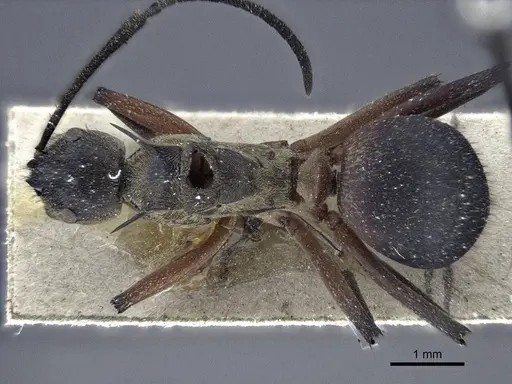
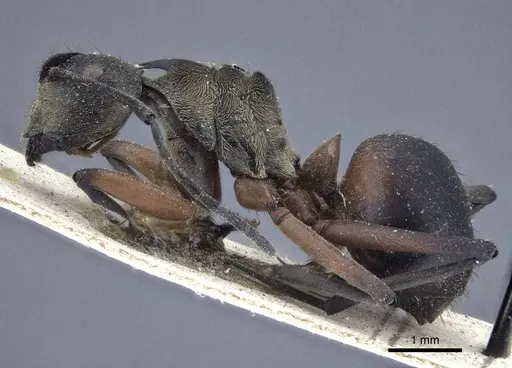
FOCOL0570
View on AntWeb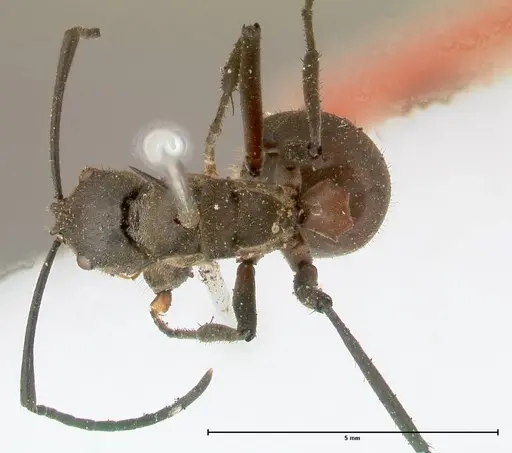
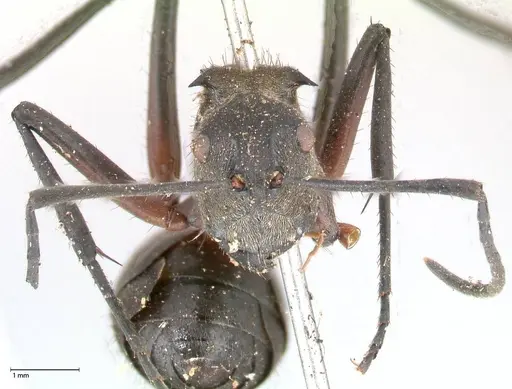
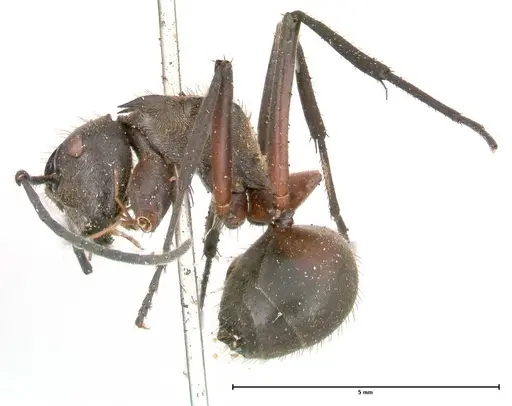
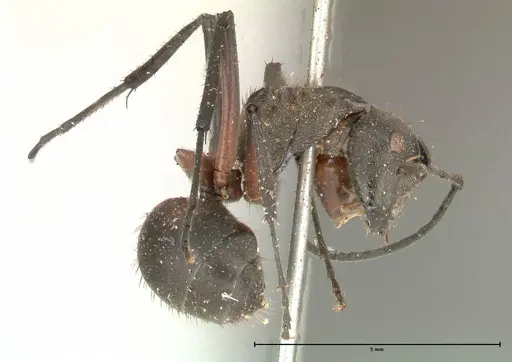
FOCOL2635-1
View on AntWeb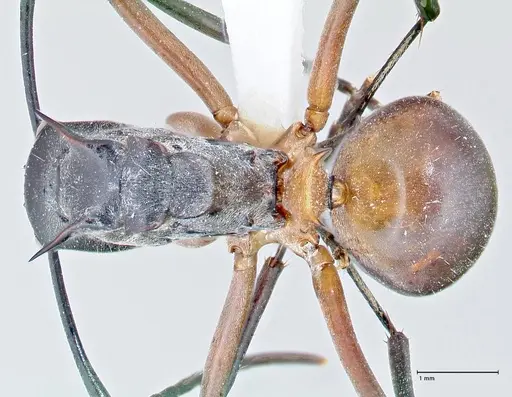
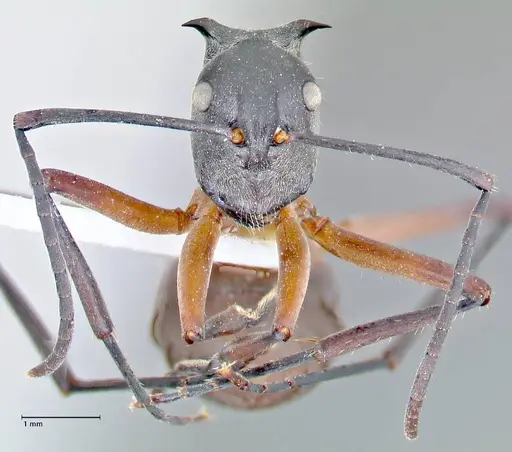
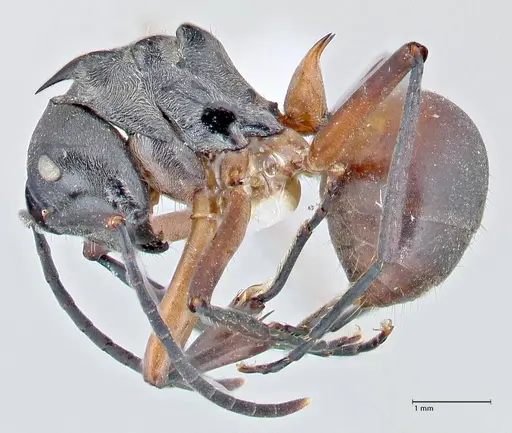
FOCOL2635-2
View on AntWeb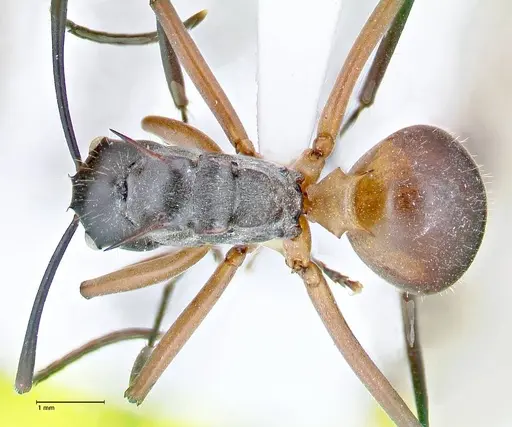
FOCOL2636-1
View on AntWeb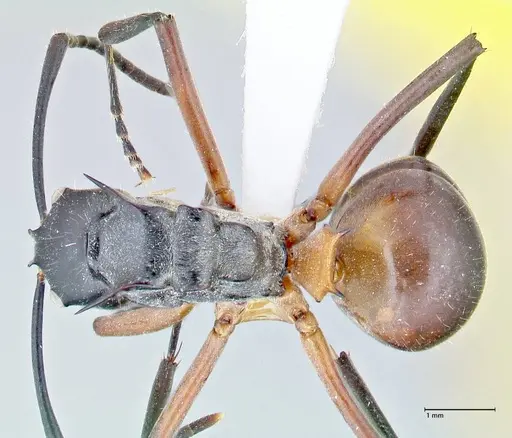
FOCOL2636-2
View on AntWeb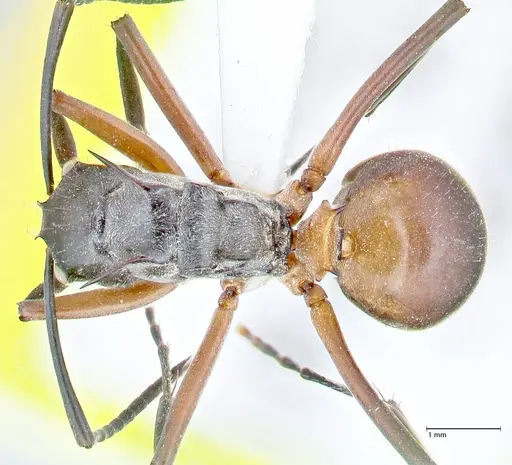
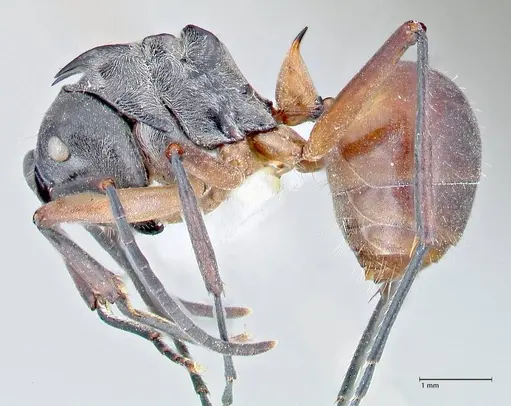
FOCOL2941
View on AntWeb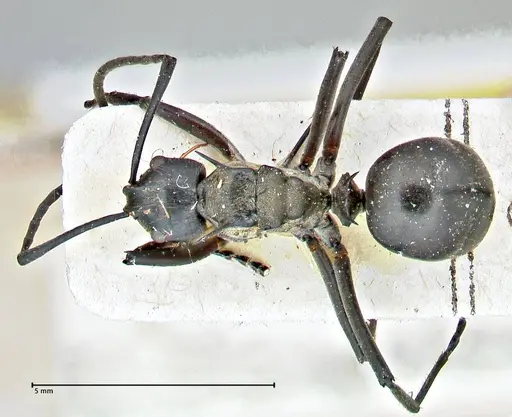
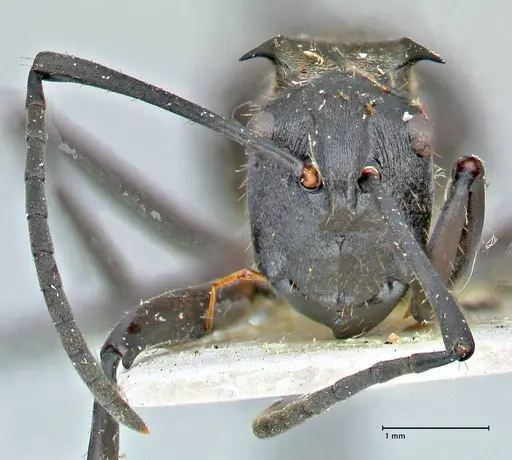
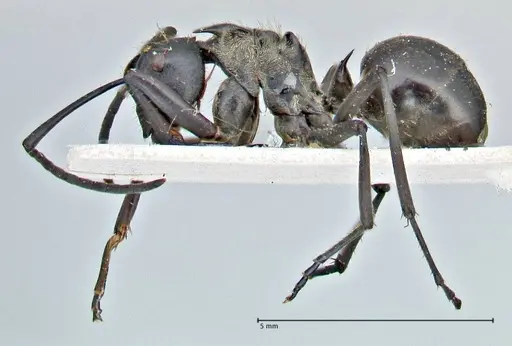
FOCOL2942
View on AntWeb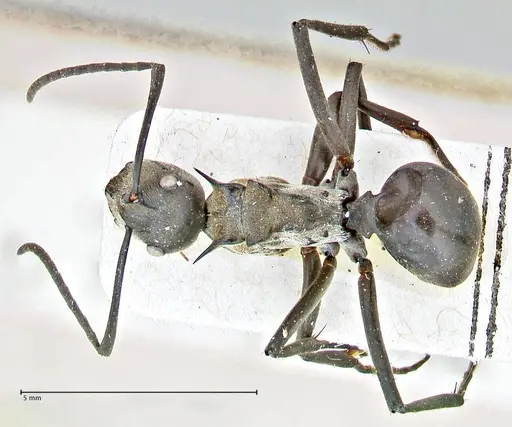
Literature
Loading...Loading products...