

Polyrhachis relucens
- Scientific Name
- Polyrhachis relucens
- Subgenus
- Myrma
- Tribe
- Camponotini
- Subfamily
- Formicinae
- Author
- Latreille, 1802
- Distribution
- Found in 2 countries
Polyrhachis relucens Overview
Polyrhachis relucens is an ant species of the genus Polyrhachis. It is primarily documented in 2 countries , including Indonesia, Solomon Islands. Detailed taxonomic data and occurrence records can be further explored via authoritative databases such as AntWeb or the Global Biodiversity Information Facility (GBIF).
Polyrhachis relucens
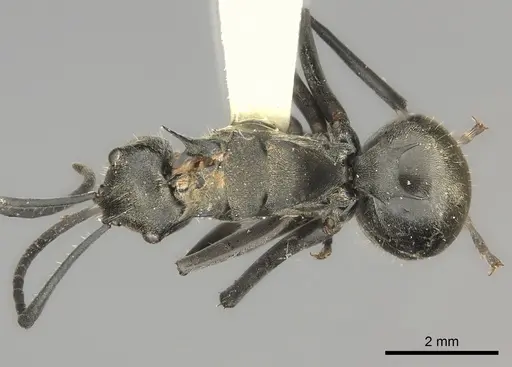
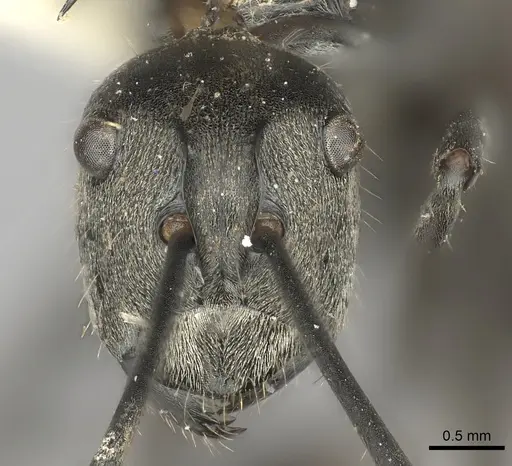
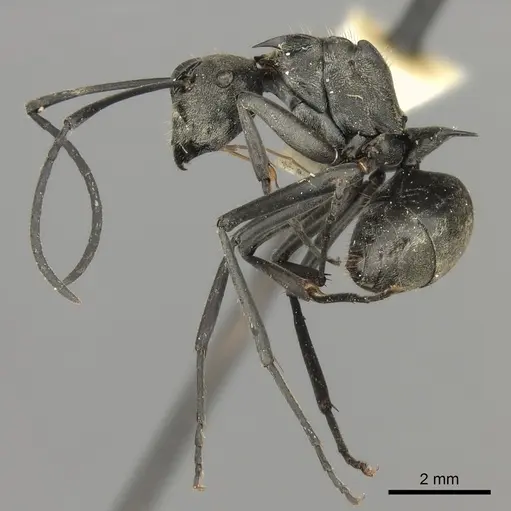
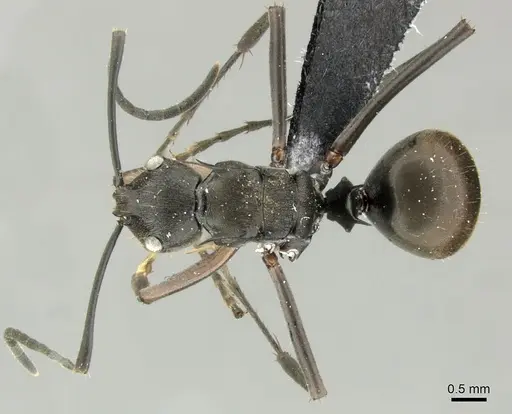
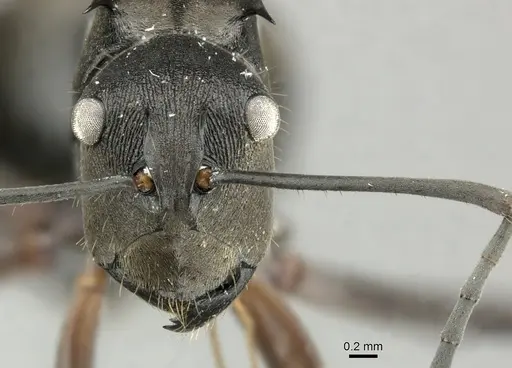
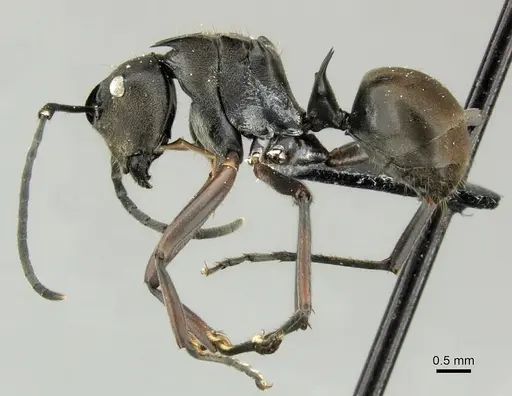
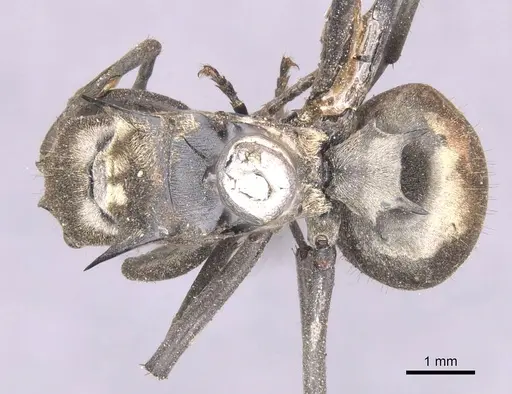
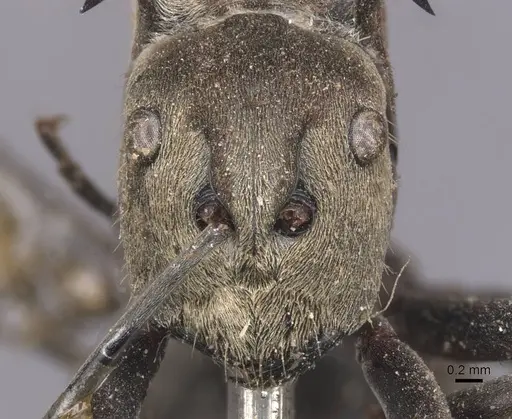
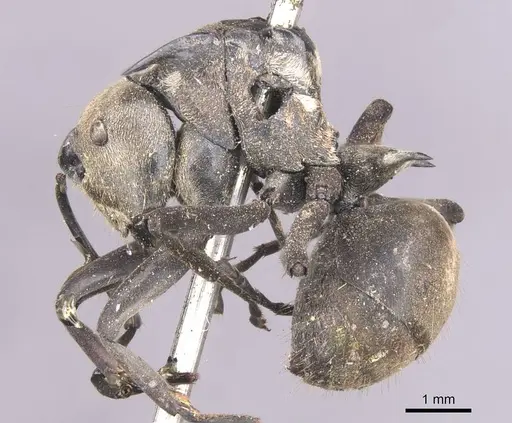
Polyrhachis relucens is a medium-sized ant species belonging to the subgenus Myrma, found throughout Southeast Asia and the Indo-Malayan region. Workers measure approximately 6-9mm and feature the characteristic hooked spines on the mesosoma (middle body section) that give Polyrhachis their 'spider ant' common name. The species has a dark body with often golden or copper-colored pubescence, giving them a distinctive metallic appearance. Originally described by Latreille in 1802,these ants nest in rotting wood and terrestrial locations, using silk and carton material to construct their nests, a notable trait since most Formicinae ants do not spin cocoons for their pupae [1].
This species is part of the relucens-group within Myrma and is widely distributed across Indonesia, Borneo, Java, and surrounding regions. They are arboreal and ground-nesting, adapting to various forest habitats. Their nesting behavior involving silk/carton construction is unusual among Formicinae and makes them interesting for antkeepers who want something different from typical colony setups.
Quick Summary
- Difficulty: Medium
- Origin & Habitat: Southeast Asia and Indo-Malayan region, found in Indonesia, Borneo, Java, India, and surrounding areas. They nest in rotting wood (lignicolous) and terrestrial locations in tropical forest habitats [1][2][3].
- Colony Type: Likely monogyne (single queen) based on typical Polyrhachis patterns, though colony structure is not directly documented for this species.
- Colony: Monogyne
- Founding: Claustral
- Size & Growth:
- Queen: Estimated 10-12mm based on genus patterns
- Worker: Estimated 6-9mm based on genus morphology
- Colony: Likely several hundred to a few thousand workers based on typical Polyrhachis colony sizes
- Growth: Moderate, estimated based on related species
- Development: Estimated 6-8 weeks at tropical temperatures (24-28°C) (Development time inferred from related Polyrhachis species, actual timeline may vary)
- Antkeeping:
- Temperature: Keep at 24-28°C. As a tropical species, they need warm, stable temperatures. A heating cable on one side of the nest creates a suitable gradient. Avoid temperatures below 20°C for extended periods.
- Humidity: Moderate to high humidity (60-80%). Keep the nest substrate moist but not waterlogged. Provide a water source. Their natural habitat is tropical forest floor with consistent moisture.
- Diapause: No, as a tropical species, they do not require hibernation. Keep temperatures stable year-round.
- Nesting: They are lignicolous (wood-nesting) and terrestrial. In captivity, they do well in naturalistic setups with rotting wood pieces, cork, or a Y-tong/plaster nest with moist substrate. They use silk/carton material in nest construction, so provide materials they can work with.
- Behavior: Polyrhachis ants are generally calm and not overly aggressive. Workers are active foragers, both on the ground and climbing. They are moderate escape artists, use standard barrier methods but they are not as prone to escaping as tiny species. They may be more active at night. Their hooked spines provide some defense but they rarely sting.
- Common Issues: tropical temperature requirements mean cold drafts can stress or kill colonies, wood-nesting preference means they need appropriate nesting materials not just test tubes, moderate growth rate means colonies take time to establish, patience is needed, humidity needs are higher than typical dry-nesting ants, monitor substrate moisture, cocoon-spinning means pupae are more visible and may be mistaken for pests by inexperienced keepers
Nest Preferences and Housing
Polyrhachis relucens is a lignicolous (wood-nesting) species that also nests terrestrially. In the wild, they nest in rotting wood, under bark, and in soil cavities constructed with silk and carton material [1]. This is unusual among Formicinae ants, most don't use silk in nest construction. For captive care, provide a naturalistic setup with materials they can incorporate into their nest structure. A Y-tong (acrylic) nest works well, or a plaster nest with added wood pieces. Keep the nest substrate consistently moist. They do well in formicariums with a foraging area where they can climb and forage. Test tubes alone are not ideal for established colonies due to their wood-nesting preference.
Feeding and Diet
Polyrhachis ants are omnivorous, similar to other members of the subfamily Formicinae. They accept both protein and carbohydrate sources. Offer sugar water, honey, or diluted syrup as a constant carbohydrate source. For protein, provide small insects like fruit flies, mealworms, small crickets, or other appropriately sized prey. They are active foragers, so place food in the foraging area. Feed protein 2-3 times per week, and keep sugar water available at all times. Remove uneaten prey after 24-48 hours to prevent mold. They may also accept fruit and will scavenge, but live prey encourages natural foraging behavior.
Temperature and Seasonal Care
As a tropical species from Southeast Asia and the Indo-Malayan region, Polyrhachis relucens requires warm temperatures year-round. Keep the nest area at 24-28°C (75-82°F). A heating cable placed on one side of the nest creates a temperature gradient allowing the ants to self-regulate. Avoid temperatures below 20°C (68°F) as prolonged cold can weaken or kill colonies. They do not require hibernation or diapause, maintain consistent tropical conditions throughout the year. Room temperature in most homes is often suitable, but monitor during winter months when heating may create cold spots. [2][3]
Behavior and Temperament
Polyrhachis relucens has a generally calm temperament compared to some more aggressive ant species. Workers are active and will forage both on the ground and climb surfaces. The genus name 'Polyrhachis' means 'many-horned' referring to their distinctive hooked spines on the thorax, these provide some defense but they are not particularly aggressive toward keepers. They are moderate foragers and will explore their environment. Escape prevention should be standard (Fluon on container edges) but they are not extreme escape artists like very small species. They may be more active during evening hours. Their unusual habit of spinning cocoons for pupae (unlike most Formicinae) makes their brood more visible and easier to observe during development. [1]
Colony Development and Growth
Colony growth is moderate rather than fast. A newly mated queen will found her colony claustrally, sealing herself in a chamber and living off stored fat reserves until her first workers (nanitics) emerge. The first brood takes approximately 6-8 weeks at optimal tropical temperatures. Initial colony size remains small for several months as the queen focuses on raising the first few workers. Once the colony reaches 20-30 workers, growth accelerates as more brood is produced simultaneously. Maximum colony size likely reaches several hundred to a few thousand workers based on typical Polyrhachis patterns. Patience is essential, full colony development takes 1-2 years.
Frequently Asked Questions
Can I keep Polyrhachis relucens in a test tube?
Test tubes work for founding colonies but are not ideal long-term. This is a wood-nesting species that prefers naturalistic setups with rotting wood, cork, or a plaster nest with moist substrate. Once the colony reaches 20-30 workers, consider moving them to a formicarium with appropriate nesting materials.
How long until Polyrhachis relucens produces first workers?
Expect first workers (nanitics) approximately 6-8 weeks after the queen lays eggs, at optimal temperatures of 24-28°C. Development is slower than some tropical species, patience is needed during the founding phase.
What temperature do Polyrhachis relucens need?
Keep them at 24-28°C (75-82°F). As a tropical Southeast Asian species, they need consistent warmth. A heating cable on part of the nest creates a suitable gradient. Avoid cold temperatures below 20°C.
Are Polyrhachis relucens good for beginners?
They are medium difficulty, not the easiest but not expert-level either. Their main requirements are tropical temperatures, higher humidity, and appropriate wood-based nesting materials. If you can provide these, they are rewarding ants to keep.
Do Polyrhachis relucens need hibernation?
No. As a tropical species from Southeast Asia, they do not require hibernation or winter cooling. Maintain warm temperatures year-round.
What do Polyrhachis relucens eat?
They are omnivorous. Offer sugar water, honey, or syrup as a constant carbohydrate source. For protein, provide small insects like fruit flies, mealworms, or small crickets 2-3 times per week.
How big do Polyrhachis relucens colonies get?
Based on typical Polyrhachis patterns, colonies likely reach several hundred to a few thousand workers. Full development takes 1-2 years from founding.
Can I keep multiple queens together?
Polyrhachis relucens is likely monogyne (single queen) based on typical genus patterns. Combining unrelated queens has not been documented for this species and is not recommended.
References

This caresheet is licensed under CC BY-SA 4.0 .
Literature
Loading...Loading products...