

Polyrhachis rufipalpis
- Scientific Name
- Polyrhachis rufipalpis
- Subgenus
- Myrma
- Tribe
- Camponotini
- Subfamily
- Formicinae
- Author
- Santschi, 1910
- Distribution
- Found in 7 countries
Polyrhachis rufipalpis Overview
Polyrhachis rufipalpis is an ant species of the genus Polyrhachis. It is primarily documented in 7 countries , including Congo, Democratic Republic of the, Central African Republic. Detailed taxonomic data and occurrence records can be further explored via authoritative databases such as AntWeb or the Global Biodiversity Information Facility (GBIF).
Polyrhachis rufipalpis
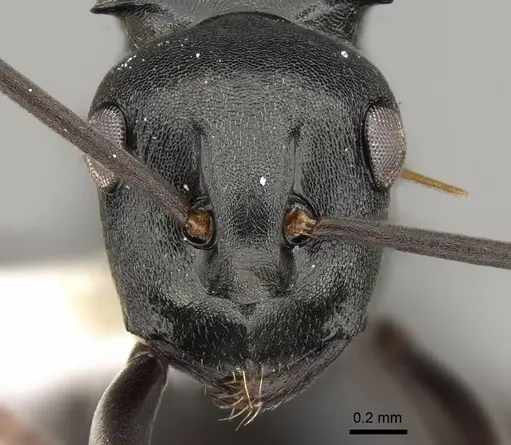
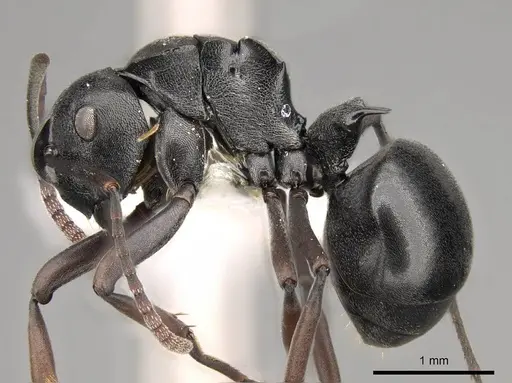
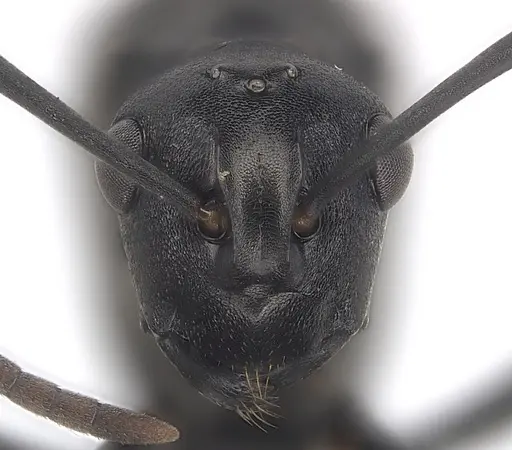
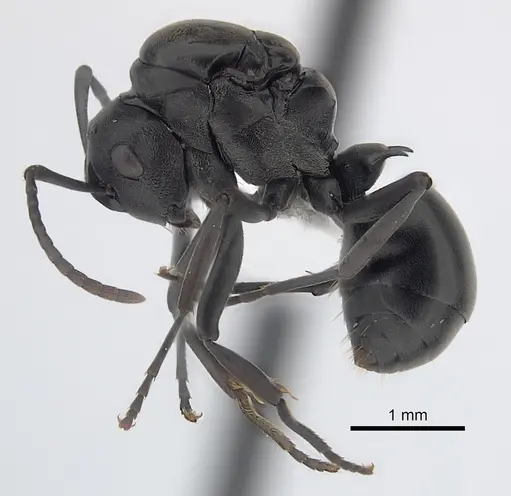
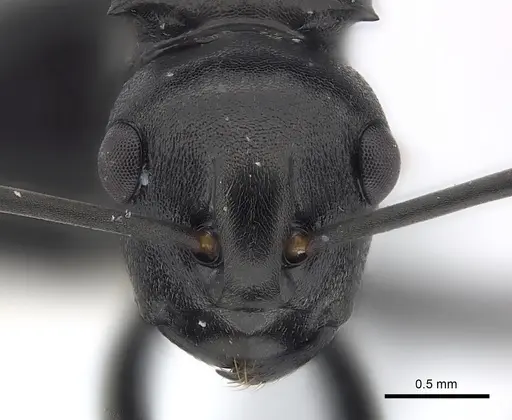
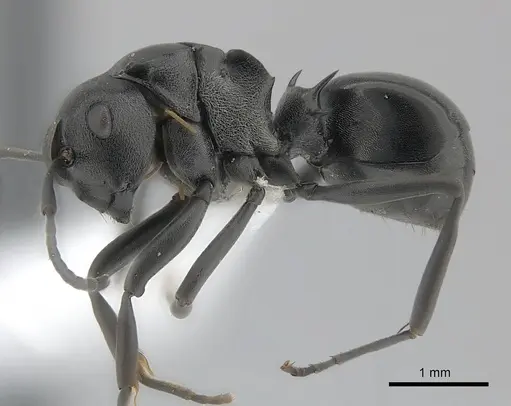
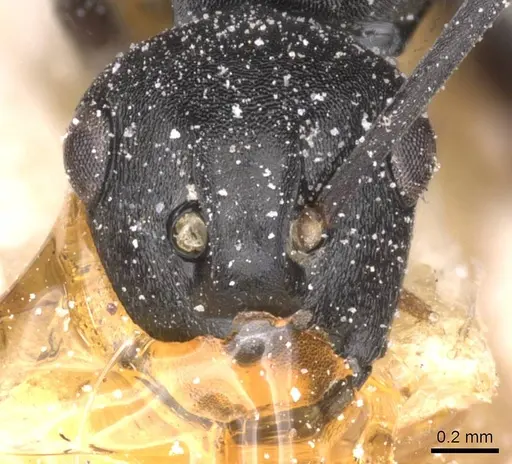
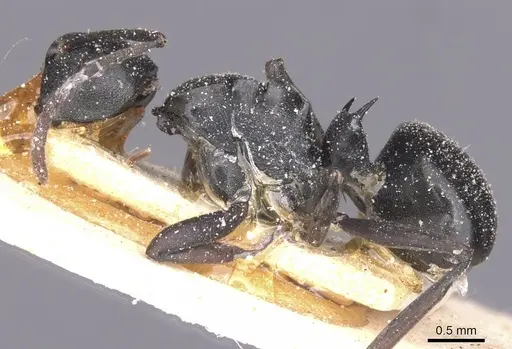
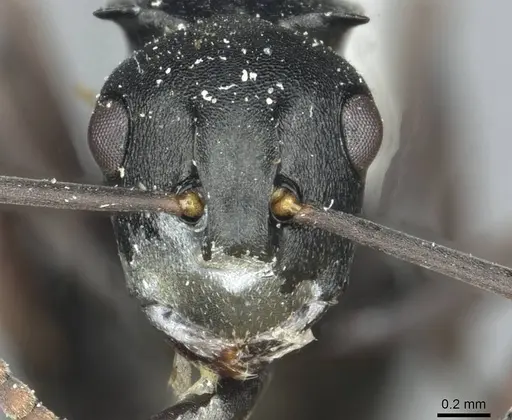
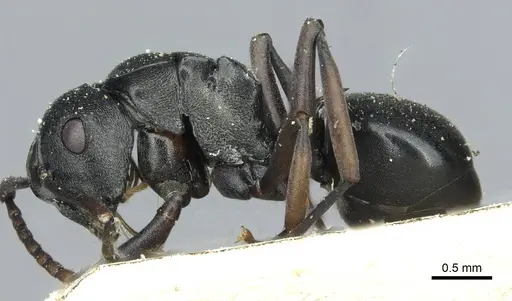
Polyrhachis rufipalpis is a small, active arboreal ant measuring 5.0-5.4mm in total length. Workers are black with notably lighter brown to orange-brown tibiae, giving them a dull shine. This species belongs to the militaris species-group within the Myrma subgenus and is closely related to Polyrhachis alluaudi, differing mainly in size and sculpturing details. The workers have distinctive spines on the pronotum and propodeum, with four spines on the petiole. Found across West and Central Africa including Ghana, Nigeria, Cameroon, Congo, Democratic Republic of Congo, Central African Republic, and Uganda, these ants nest arboreally, constructing nests likely from plant fiber [1].
What makes P. rufipalpis interesting is its arboreal lifestyle, unlike many ants that nest in soil or rotting wood on the ground, this species lives high in trees. The subgenus Myrma is known for producing pupal cocoons, which is somewhat unusual among Formicinae ants. A dealated (wingless) female was recorded in Ghana in June, suggesting summer nuptial flights in this region.
Quick Summary
- Difficulty: Medium
- Origin & Habitat: Arboreal ant from West and Central Africa (Ghana, Nigeria, Cameroon, Congo, DRC, Central African Republic, Uganda). Found in tropical forest zones [1][2].
- Colony Type: Colony structure is unconfirmed. Based on typical Polyrhachis patterns, likely single-queen colonies, though arboreal species sometimes have more flexible social structures.
- Size & Growth:
- Queen: Estimated 6-8mm based on genus patterns (queens not specifically described in available literature)
- Worker: 5.0-5.4mm
- Colony: Unknown for this species. Based on related Polyrhachis species, likely reaches several hundred workers
- Growth: Moderate, estimated based on tropical arboreal ant patterns
- Development: Estimated 6-8 weeks at tropical temperatures (25-28°C) based on genus patterns (Development time is inferred from related Polyrhachis species, direct observations for this specific species are lacking)
- Antkeeping:
- Temperature: Keep at 24-28°C. As a tropical arboreal species from Central Africa, they need warm conditions. A heating cable on one side of the nest creates a suitable gradient
- Humidity: High humidity preferred, around 70-80%. Arboreal ants typically need more moisture than ground-nesting species. Keep the nest substrate consistently moist but not waterlogged
- Diapause: No, as a tropical species from Central Africa, they do not require hibernation. Keep temperatures stable year-round
- Nesting: Arboreal species that likely nests in plant fiber or hollow branches in trees. In captivity, a naturalistic setup with cork bark, twigs, or a Y-tong/plaster nest with small chambers works well. Provide climbing structures and vertical space [3][1]
- Behavior: Active foragers with an arboreal lifestyle, they will explore climbing structures and can escape through small gaps. Workers are small but agile. Likely less aggressive than some Polyrhachis species, though they will defend the nest if threatened. Their small size (5mm) means escape prevention should be taken seriously. They probably form trails to forage in trees [1].
- Common Issues: escape prevention is critical due to their small size, use fine mesh and tight-fitting lids, tropical humidity requirements can lead to mold if ventilation is poor, wild-caught colonies may have parasites that are difficult to treat in captivity, slow founding phase, claustral queens may take months to raise first workers, arboreal lifestyle means they need vertical space and climbing structures, not just horizontal nest area
Nest Preferences and Housing
Polyrhachis rufipalpis is an arboreal species, meaning it naturally nests above ground in trees, constructing nests from plant fiber. In captivity, you should replicate this by providing vertical space and climbing structures. A naturalistic setup with cork bark, twisted branches, or bamboo works well. Alternatively, a Y-tong (acrylic) nest or plaster nest with small chambers scaled to their 5mm size can work. The key is providing vertical passages and climbing surfaces, these ants will not thrive in a horizontal-only setup. Avoid test tubes for established colonies since they need climbing space. Place the nest in the upper portion of the enclosure and include plenty of twigs, plants, or mesh for them to traverse [3][1].
Feeding and Diet
Like most Polyrhachis species, P. rufipalpis is likely omnivorous with a preference for honeydew and small insects. In captivity, offer sugar water or honey regularly, along with small protein sources like fruit flies, small crickets, or mealworms. Arboreal ants often forage in trees, so they may prefer prey that can be found on vegetation. Feed protein 2-3 times per week and keep a sugar source available constantly. Remove uneaten prey after 24-48 hours to prevent mold. Some Polyrhachis species also accept seeds or plant matter, but protein should be the primary focus for colony growth.
Temperature and Seasonal Care
As a tropical species from Central Africa, P. rufipalpis requires warm temperatures year-round. Keep the nest area at 24-28°C with minimal temperature fluctuations. A small heating cable or heating mat on one side of the enclosure creates a gradient allowing the ants to choose their preferred temperature. Do not let temperatures drop below 22°C for extended periods. Unlike temperate species, these ants do not require diapause or hibernation, maintaining stable tropical conditions is key. Room temperature in heated homes may be sufficient if within the 24-28°C range, otherwise provide supplemental heating.
Behavior and Colony Dynamics
This is an active, arboreal species that forages in trees. Workers are small (5mm) but quick and agile. They will establish foraging trails and explore their enclosure thoroughly. The species is not particularly aggressive toward keepers, but will defend the nest if disturbed. Colonies likely grow to several hundred workers over time. The founding phase may be slow, claustral queens seal themselves in and raise the first brood alone, which can take several months. Be patient during founding and avoid disturbing the queen's chamber. Once established, colonies are relatively hardy but require consistent care [1].
Frequently Asked Questions
Can I keep Polyrhachis rufipalpis in a test tube?
Test tubes are not ideal for established colonies. This is an arboreal species that needs vertical space and climbing structures. Use a naturalistic setup with cork bark and branches, or a Y-tong nest with vertical passages. Test tubes only work for the founding queen.
How long does it take for first workers to emerge?
Estimated 6-8 weeks at tropical temperatures (25-28°C), based on related Polyrhachis species. The exact timeline for this species has not been documented.
What do Polyrhachis rufipalpis eat?
They are omnivorous. Offer sugar water or honey constantly, along with small insects like fruit flies, small crickets, or mealworms 2-3 times per week.
Do they need hibernation?
No. As a tropical species from Central Africa, they do not require diapause. Keep temperatures warm and stable year-round (24-28°C).
Are Polyrhachis rufipalpis good for beginners?
They are rated Medium difficulty. While not the hardest species, their arboreal nature and specific humidity needs make them better suited for keepers with some experience. Beginners may struggle with their humidity and housing requirements.
How big do colonies get?
Colony size is not well documented for this species, but based on related Polyrhachis species, colonies likely reach several hundred workers.
When should I move them to a formicarium?
Move from a founding setup to a proper nest once the colony reaches 20-30 workers and the founding tube becomes crowded. Arboreal species need vertical space and climbing structures in their permanent home.
Why are my Polyrhachis rufipalpis dying?
Common causes include: temperatures too low (below 22°C), humidity too low or too high (aim for 70-80% with good ventilation), poor escape prevention allowing escapes, or disturbance during the founding phase. Check all parameters before assuming illness.
Can I keep multiple queens together?
Not recommended. There is no documented evidence for pleometrosis (multiple queens founding together) in this species. It is likely monogyne (single queen), so combining unrelated queens may result in fighting.
References

This caresheet is licensed under CC BY-SA 4.0 .
CASENT0250037
View on AntWeb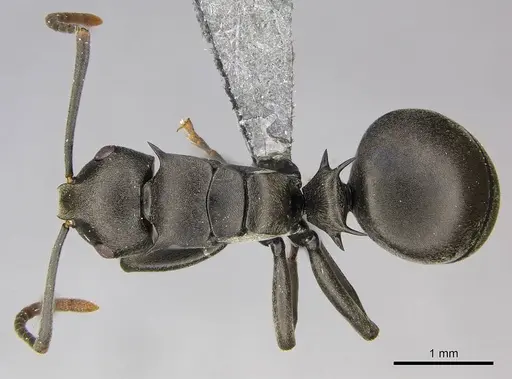
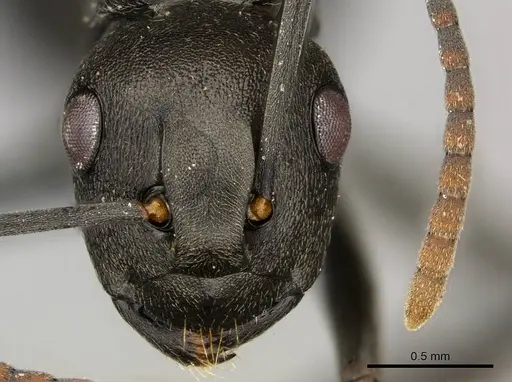
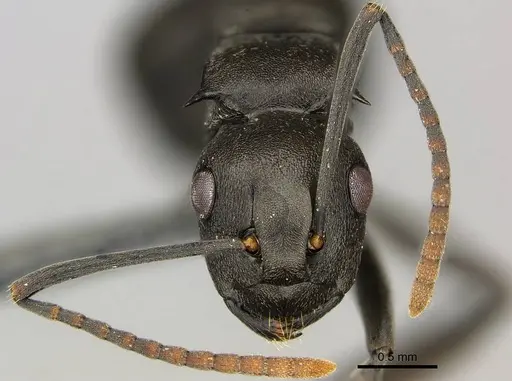
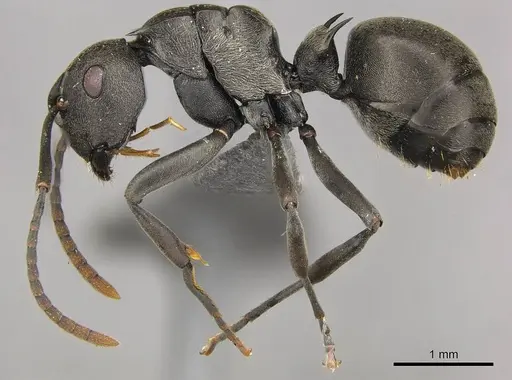
CASENT0281454
View on AntWeb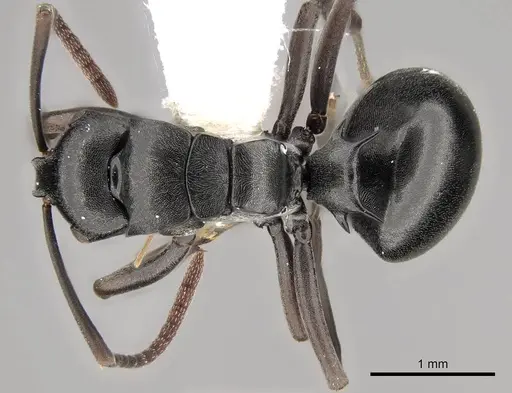
CASENT0403444
View on AntWeb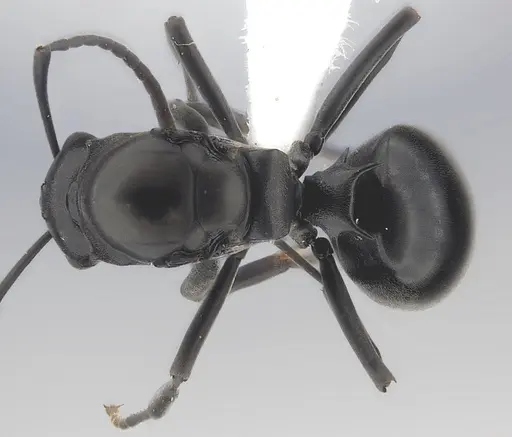
CASENT0403630
View on AntWeb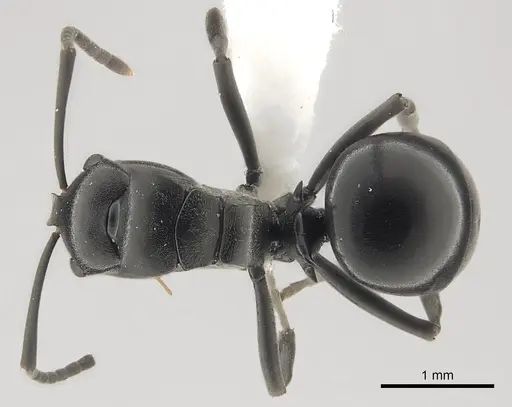
CASENT0912133
View on AntWeb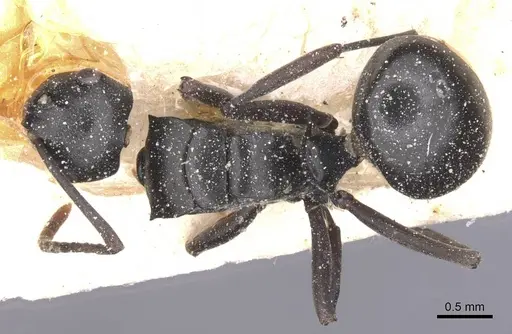
RMCAENT000017824
View on AntWeb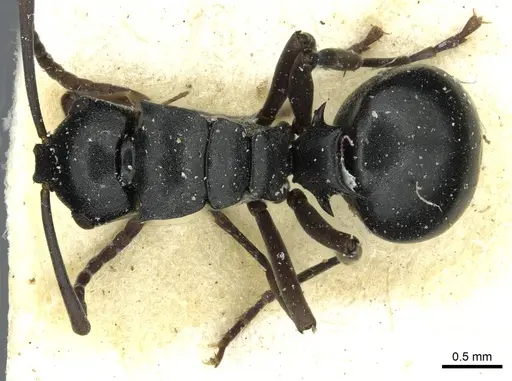
Literature
Loading...Loading products...