

Polyrhachis alluaudi
- Scientific Name
- Polyrhachis alluaudi
- Subgenus
- Myrma
- Tribe
- Camponotini
- Subfamily
- Formicinae
- Author
- Emery, 1892
- Distribution
- Found in 1 countries
Polyrhachis alluaudi Overview
Polyrhachis alluaudi is an ant species of the genus Polyrhachis. It is primarily documented in 1 countries , including Côte d'Ivoire. Detailed taxonomic data and occurrence records can be further explored via authoritative databases such as AntWeb or the Global Biodiversity Information Facility (GBIF).
Polyrhachis alluaudi
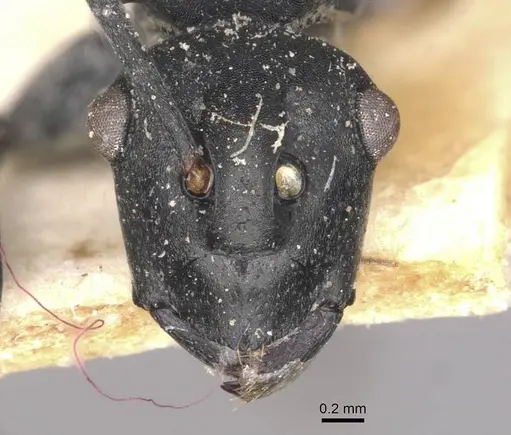
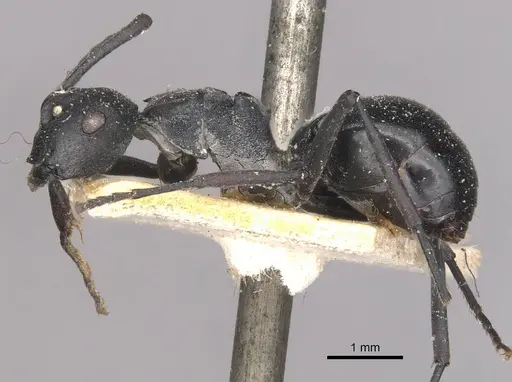
Polyrhachis alluaudi is a medium-sized arboreal ant native to West and Central Africa, specifically Ivory Coast and Democratic Republic of Congo [1]. Workers measure 6.7-7.1 mm in total length and have a spiny petiole with four spines, the dorsal pair longer than lateral ones [1]. They build nests from vegetable fibers attached to leaf undersides about 1.7 meters above ground [1].
This species belongs to the militaris species-group and has pupal cocoons, which is unusual among Formicinae [2]. It has been documented as prey in frog stomachs, indicating its ecological role [3].
Quick Summary
- Difficulty: Medium
- Origin & Habitat: Arboreal ant from Ivory Coast and Democratic Republic of Congo, nesting in trees [1].
- Colony Type: Based on typical Polyrhachis genus patterns, likely single-queen colonies [1].
- Size & Growth:
- Antkeeping:
- Behavior: Moderately active foragers, predatory, and defend nest vigorously. Workers are good climbers. Defense mechanism: spray formic acid from acidopore (subfamily default).
- Common Issues: tropical species are sensitive to temperature drops below 20°C, keep warm year-round [1], arboreal nesting requires humidity but also good ventilation to prevent mold [1], predatory diet needs regular protein input, sugar alone is insufficient [1], wild-caught colonies may contain parasites from their native range, pupal cocoons require slightly longer development time than naked pupae [2]
Nest Preferences and Housing
Polyrhachis alluaudi is an arboreal species that naturally builds nests from vegetable fibers attached to leaf undersides in trees [1]. In captivity, they adapt well to Y-tong nests or vertical setups. The nest should have chambers sized appropriately for their 6-7 mm workers. A water tube connected to the nest provides necessary humidity. Since they are arboreal, ensure lids fit tightly to prevent escape [1]. Some keepers provide materials like cotton or dried grass for nest construction [1].
Feeding and Diet
As predatory ants, Polyrhachis alluaudi needs a protein-rich diet. Offer small live insects like fruit flies or mealworms [1]. They also accept sugar sources such as honey water. Feed protein 2-3 times per week with sugar water always available. Remove uneaten prey after 24-48 hours to prevent mold [1].
Temperature and Seasonal Care
Being a tropical species, Polyrhachis alluaudi requires warm temperatures year-round. Keep the nest area at 24-28°C [1]. A heating cable can create a temperature gradient. Avoid temperatures below 20°C as this can stress colonies. They do not require hibernation [1].
Behavior and Temperament
Polyrhachis alluaudi is moderately active with a predatory disposition. Workers defend their nest vigorously but are not overly aggressive toward humans. They are good climbers, so escape prevention is important. The genus is known for constructing nests from plant materials [1]. They have pupal cocoons, which may extend brood development [2]. Queens are fully claustral during founding, but this is unconfirmed for this species [2][1].
Colony Growth and Development
Colonies start with a queen who raises the first brood alone. Development from egg to worker takes approximately 8-12 weeks at optimal temperatures, inferred from genus patterns [1]. The presence of pupal cocoons may add time to development [2]. Growth rate is moderate, but colony size data is unavailable [1].
Frequently Asked Questions
How long does it take for Polyrhachis alluaudi to produce first workers?
Expect first workers in about 8-12 weeks at 24-28°C, based on genus patterns [1]. Development may be longer due to pupal cocoons [2].
What do Polyrhachis alluaudi ants eat?
They are predatory and need protein from small live insects, plus sugar sources like honey water [1].
Can I keep Polyrhachis alluaudi in a test tube?
Test tubes can work for founding, but arboreal ants prefer vertical setups like Y-tong nests once the colony grows [1].
Do Polyrhachis alluaudi ants need hibernation?
No, they do not need hibernation as a tropical species [1].
How big do Polyrhachis alluaudi colonies get?
Colony size data is unavailable for this species [1].
Are Polyrhachis alluaudi good for beginners?
This species is rated medium difficulty due to temperature and dietary needs [1].
When should I move my Polyrhachis alluaudi colony to a formicarium?
Move when the colony outgrows the founding setup, typically when workers are active and space is limited [1].
Why is my Polyrhachis alluaudi colony not growing?
Check temperature (needs 24-28°C), ensure regular protein feeding, and maintain proper humidity [1].
Can I keep multiple Polyrhachis alluaudi queens together?
This species is likely monogyne, so combining queens may lead to fighting [1].
Report an Issue
The current care sheet is based fully on literature. See inconsistencies, or something that's incorrect? Please , it will be resolved after review from an admin. Contributing to the blogs tab also helps providing information, to make us be able to further improve the caresheets. Thank you for your support!
References

This caresheet is licensed under CC BY-SA 4.0 .
CASENT0905619-Q
View on AntWeb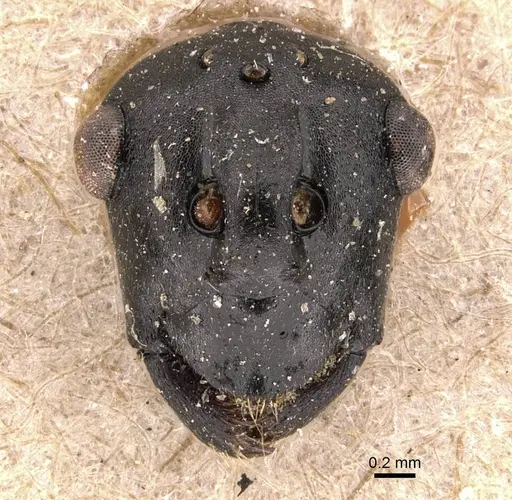
CASENT0905619
View on AntWeb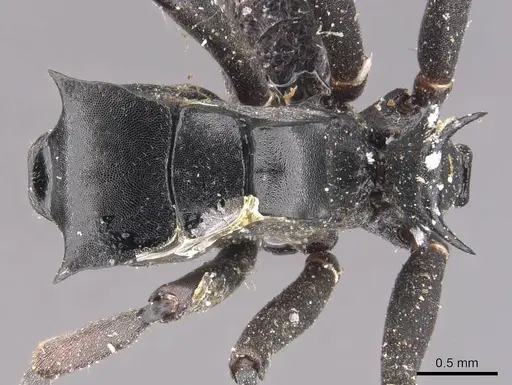
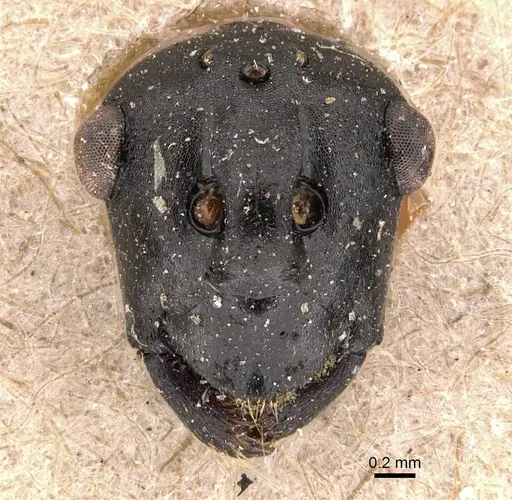
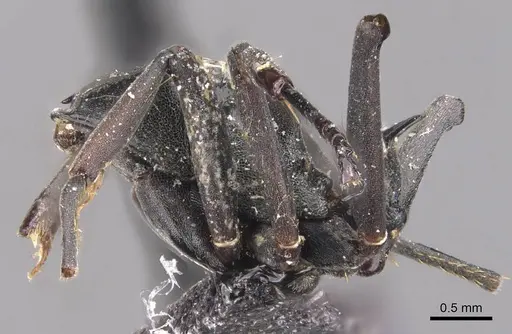
CASENT0906836
View on AntWeb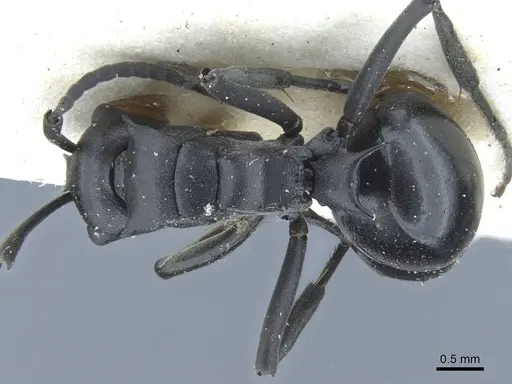
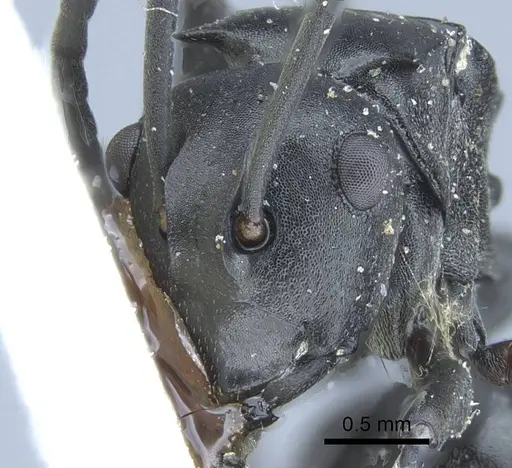
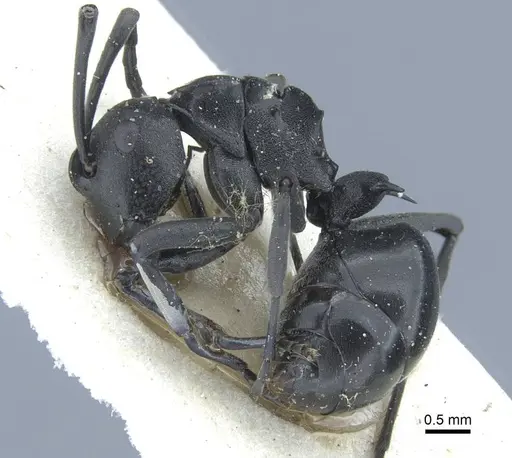
CASENT0910942
View on AntWeb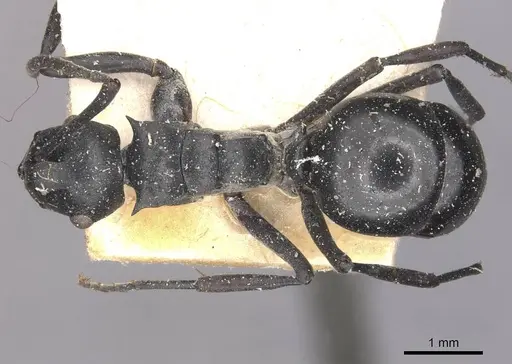
Literature
Loading...Loading products...