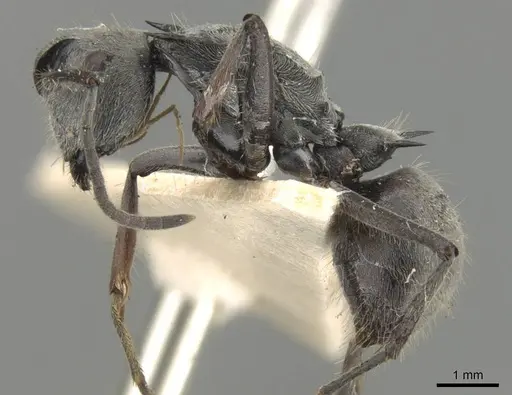
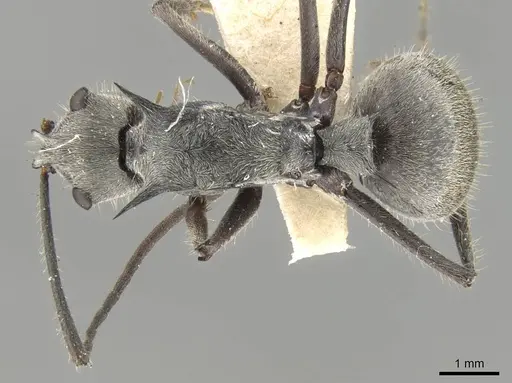
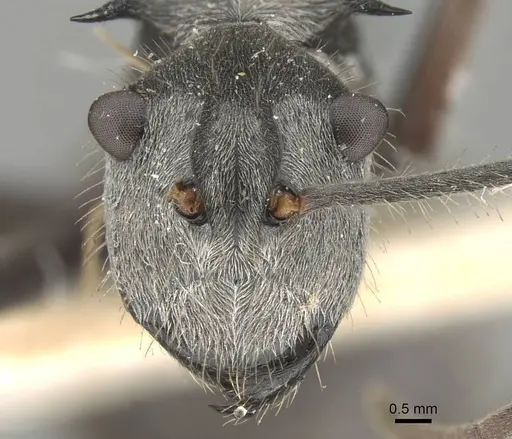
Polyrhachis pubescens - "Hairy Spiny Ant"
Polyrhachis pubescens is a fascinating ant species known for its unique appearance, often with a somewhat 'hairy' or silvery pubescence on its body, which can sometimes obscure the underlying sculpturation. These ants are part of the diverse Polyrhachis genus, sometimes called 'spiny ants' due to the spines or teeth often found on their mesosoma and petiole. Workers typically range from 5-10mm in length, though specimens from Borneo might be slightly larger. They are active and captivating to observe, exhibiting various foraging and nesting behaviors.
- Difficulty: Medium
- Origin & Habitat: Southeast Asia (India, Myanmar, Thailand, West Malaysia, Borneo, Indonesia, Philippines, China) in Tropical forests, often found nesting in plant cavities or utilizing silk for nest construction in arboreal environments..
- Colony Type: Monogyne, claustral founding.
- Size & Growth:
- Queen: 7.6-12.0mm
- Worker: 5.0-10.0mm
- Colony: Medium (thousands), with some Polyrhachis species capable of reaching large numbers.. Medium (development can be slow at first, but colonies are rewarding once established). growth.
- Antkeeping:
- Temperature: Optimal temperatures are tropical, generally between 24-28°C. Consistent warmth is beneficial for brood development..
- Humidity: High humidity is preferred, especially within the nest, typically ranging from 50-80%. Providing a humidity gradient is ideal..
- Diapause: Not required. Not specified at Not specified.
- Nesting: As arboreal weavers, they can adapt to various setups. They will often utilize provided space and materials to construct their own silk and debris nests. Nests that allow for weaving and climbing, such as cork bark, natural wood, or specialized arboreal setups, are highly recommended. They can also be housed in outworlds with ample space for nest construction..
- Behavior: Medium (towards prey and other ants, generally low towards handler unless provoked) aggressiveness.
- Common Issues: Humidity fluctuations leading to desiccation, Lack of suitable nesting materials for weaving, Stalling growth if fed an insufficient or unvaried diet, Stress from excessive disturbance during founding phase.
Polyrhachis pubescens, like many 'spiny ants,' are known for their ability to construct intricate nests by weaving together materials using larval silk. This fascinating behavior means that if you provide them with various natural debris like small twigs, moss, or even cotton, they will often integrate these into their nest architecture. This isn't just for aesthetics; it provides them with a sense of security and a more natural environment, which can significantly reduce stress and encourage thriving colonies.
Feeding these ants requires a diverse approach. While they are primarily omnivores, a significant portion of their diet in nature comes from sugary sources like honeydew from sap-sucking insects or plant nectar. In captivity, offering a consistent supply of sugar water or honey solution is crucial. For protein, various insects like crickets, roaches, or mealworms are excellent choices. Providing a varied diet is key to ensuring they receive all the necessary nutrients for robust colony growth.
Despite their initial slow development during the founding stage, Polyrhachis pubescens can establish into active and rewarding colonies. Patience is a virtue with these ants; once the first nanitics emerge, which can take a couple of months, the colony's growth typically accelerates. Ensuring a stable environment with proper temperature and humidity from the start will lay the groundwork for a successful and impressive colony.
Observing their recruitment behaviors is another highlight of keeping Polyrhachis pubescens. These ants employ various methods to guide nestmates to food sources, including social carrying, tandem running, and even leader-independent trail communication. This sophisticated communication system makes their foraging activity particularly engaging to watch in an outworld, showcasing their complex social structure and efficiency in resource gathering.
Frequently Asked Questions
What kind of nest is best for Polyrhachis pubescens?
Polyrhachis pubescens are weaver ants, so they thrive in nests that allow them to utilize their silk-weaving abilities. Arboreal setups with plenty of natural wood, cork bark, or even a custom setup with a large outworld where they can build their own silk-and-debris nests are ideal. Providing various small materials like cotton, fine wood shavings, or moss will encourage their natural building behaviors.
What do Polyrhachis pubescens eat?
These ants are omnivores with a preference for sugary liquids like sugar water or honey solutions. For protein, they readily accept feeder insects such as crickets, mealworms, or small roaches. A varied diet of both sugars and proteins is crucial for their health and colony development.
Do Polyrhachis pubescens sting?
No, Polyrhachis pubescens do not possess a functional sting. Like other Formicine ants, they defend themselves by spraying formic acid.
How fast do Polyrhachis pubescens colonies grow?
While the initial founding stage can be a bit slow, with nanitics taking up to two months to emerge, Polyrhachis pubescens colonies generally exhibit a medium growth rate once established. Consistency in care, especially with temperature, humidity, and feeding, will significantly influence their development speed.
Do Polyrhachis pubescens need diapause?
No, as a tropical species, Polyrhachis pubescens does not require a diapause period. They prefer consistent warmth and humidity year-round.
Are Polyrhachis pubescens good for beginners?
Polyrhachis pubescens can be a rewarding species for keepers with some experience. While their claustral founding is straightforward, their specific weaving behaviors and humidity requirements mean they are a bit more involved than some beginner species. However, their fascinating behaviors make the effort worthwhile.
What temperatures are best for Polyrhachis pubescens?
They thrive in warmer temperatures, ideally between 24-28°C. Maintaining a stable temperature is important for their brood development and overall colony health.
How important is humidity for Polyrhachis pubescens?
Humidity is quite important for Polyrhachis pubescens, especially within their nesting areas. Aim for humidity levels between 50-80%. A humidity gradient within the setup can allow the ants to choose their preferred conditions.
Can I keep multiple queens of Polyrhachis pubescens together?
Polyrhachis pubescens is a monogyne species, meaning colonies are typically founded and maintained by a single queen. Attempting pleometrosis (multiple queens founding together) is generally not recommended as they will likely fight and only one queen will survive.
What is 'silvery pubescence' on Polyrhachis pubescens?
The 'silvery pubescence' refers to fine, silvery hairs that cover parts of their body, giving them a distinct, sometimes shimmery, appearance. This can vary in density, sometimes making their underlying body sculpturation less apparent.