

Polyrhachis danum
- Scientific Name
- Polyrhachis danum
- Subgenus
- Cyrtomyrma
- Tribe
- Camponotini
- Subfamily
- Formicinae
- Author
- Kohout, 2006
- Distribution
- Found in 1 countries
Polyrhachis danum Overview
Polyrhachis danum is an ant species of the genus Polyrhachis. It is primarily documented in 1 countries , including Malaysia. Detailed taxonomic data and occurrence records can be further explored via authoritative databases such as AntWeb or the Global Biodiversity Information Facility (GBIF).
Polyrhachis danum
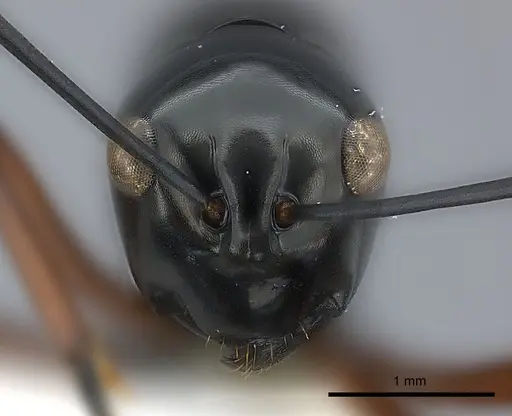
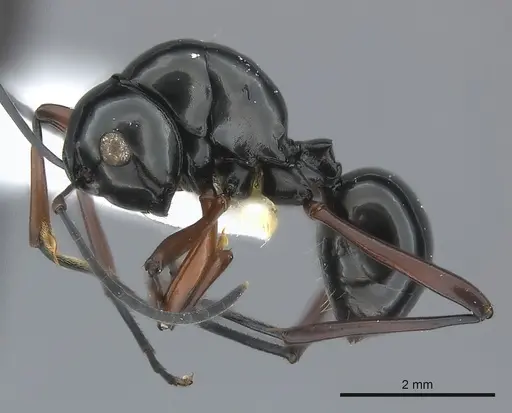
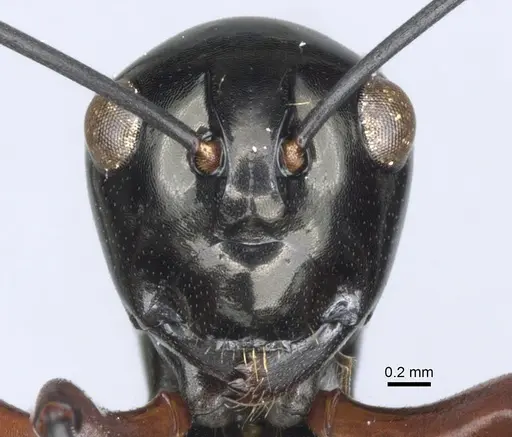
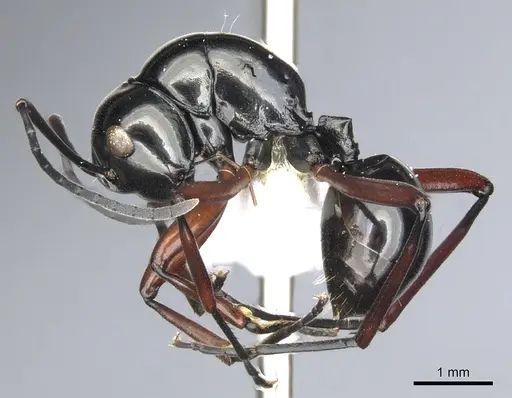
Polyrhachis danum is a medium-sized ant belonging to the subgenus Cyrtomyrma, endemic to Borneo and surrounding regions including the Philippines. Workers measure approximately 6.6-7.8mm in total length, while queens reach around 8.2-8.3mm. The species is strikingly bicolored, the head, mesosoma, petiole, and gaster are black, while the legs are a distinctive bright red or reddish-brown, making them quite visually striking in captivity. They lack propodeal spines entirely, and their petiolar spines are reduced to tiny denticles. The propodeal declivity drops almost vertically. This species was previously confused with the similar Polyrhachis semiinermis from the Philippines but was formally described as a separate species in 2006. They are relatively common in suitable lowland rainforest habitat across their range.
Quick Summary
- Difficulty: Unknown, Limited Data
- Origin & Habitat: Endemic to Borneo (Indonesia, Malaysia) with a new record in the Philippines. Found in lowland rainforest habitat at locations including Danum Valley Conservation Area (Sabah), Maliau Basin Conservation Area, and Mt. Sumagaya-Lumot Range in Mindanao [1][2][3].
- Colony Type: Colony structure is unconfirmed. No information on queen number (monogyne vs polygyne) is available for this species.
- Size & Growth:
- Queen: 8.2-8.3mm [4]
- Worker: 6.6-7.8mm [4]
- Colony: Unknown, no colony size data published
- Growth: Unknown
- Development: Unknown, no development data exists for this species. Related Polyrhachis species typically develop in 6-10 weeks at tropical temperatures. (No data on egg-to-worker timeline exists. This is one of the least-studied Polyrhachis species in captivity.)
- Antkeeping:
- Temperature: Based on their lowland rainforest origin in Borneo, aim for warm conditions around 24-28°C. Related Cyrtomyrma species thrive in tropical warmth.
- Humidity: Require humid conditions typical of rainforest species. Keep nest substrate moist but not waterlogged, with some drier areas available.
- Diapause: Unlikely, being a tropical species from near-equatorial Borneo, they probably do not require a diapause period. However, slight seasonal slowing during cooler months may occur.
- Nesting: In nature they likely nest in rotting wood or under bark in rainforest areas. In captivity, a naturalistic setup with wood pieces or a Y-tong/plaster nest with good humidity retention works well.
- Behavior: No specific behavioral data exists for this species. Based on related Polyrhachis (Cyrtomyrma) species, they are likely moderately active foragers with moderate aggression when defending the nest. Their small size (under 8mm) means escape prevention should be taken seriously, use tight-fitting lids and appropriate barriers.
- Common Issues: no biological data exists, this is one of the least-documented species in the hobby, making care experimental, colony founding success is completely unknown, no one has documented how queens establish colonies, growth rate and development time are unconfirmed, keepers should expect significant trial and error, winter care is unclear, tropical origin suggests year-round warmth, but optimal conditions are unverified, availability is extremely limited, this species is rarely available in the antkeeping hobby
Appearance and Identification
Polyrhachis danum workers are medium-sized ants measuring 6.6-7.8mm in total length. They are easily recognized by their striking bicolored appearance: the head, mesosoma (middle body section), petiole, and gaster (abdomen) are black, while the legs are a distinctive bright red or reddish-brown. This coloration makes them quite eye-catching in captivity. They belong to the subgenus Cyrtomyrma, which is characterized by their lack of propodeal spines, in fact, P. danum has completely absent propodeal spines. The propodeal declivity (the downward-facing back portion) drops almost vertically. Their petiolar spines are reduced to tiny denticles. Queens are slightly larger at 8.2-8.3mm and closely resemble workers except for sexual characters. This species was previously confused with Polyrhachis semiinermis from the Philippines but was formally described as separate in 2006 [1][4].
Natural Distribution and Habitat
Polyrhachis danum is endemic to Borneo and surrounding areas. The species has been recorded from Danum Valley Conservation Area in Sabah, Malaysia, the Maliau Basin Conservation Area, and most recently from the Philippines (Mindanao Island) at elevations around 1431 meters in secondary montane forest [2][3]. They are considered relatively common in suitable lowland rainforest habitat. The Philippines record represents a significant range extension, as this was the first documented occurrence of the species outside of Borneo proper. They inhabit tropical rainforest environments with high humidity year-round.
Current State of Knowledge
It must be stated clearly: almost nothing is known about the biology of Polyrhachis danum. The males and immature stages (eggs, larvae, pupae) have never been described. Colony structure, founding behavior, development time, diet preferences, and colony size are all completely undocumented in scientific literature. This makes keeping P. danum genuinely experimental, there are no established care protocols to follow. What we know comes almost entirely from the original species description and a handful of distribution records. For keepers, this means you will be pioneering the husbandry of this species entirely through observation and experimentation. Related species in the Cyrtomyrma subgenus may provide some guidance, but species-specific care requirements remain unknown. [4]
Housing and Nesting
Since nothing is known about their natural nesting preferences, we must make educated guesses based on their rainforest origin and related species. In captivity, a naturalistic setup with rotting wood pieces or a Y-tong/plaster nest with good humidity retention would be the best starting point. Keep the nest substrate consistently moist but not waterlogged, think damp forest floor. Provide a water source and ensure the outworld has some moisture as well, as this is a humidity-loving species. Given their Borneo origin, they will need warm, stable conditions. A heating cable on one side of the nest can help maintain temperatures in the 24-28°C range if your room temperature is lower.
Feeding and Diet
The diet of Polyrhachis danum is completely unstudied. As a Formicine ant, they likely have typical ant diets, they probably consume honeydew from aphids and scale insects, and hunt small insects for protein. In captivity, offer sugar water or honey as an energy source, and provide protein sources like small crickets, mealworms, or other small insects. Start with modest offerings and observe what they accept. Given the complete lack of dietary data, keepers should be prepared to experiment with various food types. Related Polyrhachis species are generally opportunistic feeders, so P. danum likely will accept a standard ant diet, but this is speculative.
Temperature and Seasonal Care
Being a tropical species from near-equatorial Borneo, Polyrhachis danum almost certainly does not require hibernation or diapause. They should be kept warm year-round. Based on their lowland rainforest origin, aim for temperatures in the 24-28°C range. Lower temperatures may slow activity and potentially cause problems. A gentle temperature gradient in the nest allows the ants to regulate their own conditions. If you keep your room at standard indoor temperatures (around 20-24°C), that may be acceptable, but warmer conditions are likely ideal. Watch for behavioral cues, if workers seem sluggish, consider warming the nest slightly.
Frequently Asked Questions
How difficult is Polyrhachis danum to keep?
Difficulty is essentially unknown since this species has no established care protocols in the antkeeping hobby. It should be considered experimental, you will be among the first to document how to keep this species successfully. Only experienced keepers willing to experiment should attempt this species.
How long does it take for Polyrhachis danum to develop from egg to worker?
This is completely unknown. No scientific or hobbyist documentation exists for the development timeline of this species. Related Polyrhachis species in tropical conditions typically develop in 6-10 weeks, but P. danum may differ significantly.
Can I keep multiple queens together?
We do not know the natural colony structure of this species. No data exists on whether they are monogyne (single queen) or polygyne (multiple queens). Combining unrelated queens is not recommended until more is known about their founding behavior.
What temperature should I keep Polyrhachis danum at?
Based on their Borneo rainforest origin, keep them warm at 24-28°C. This is a tropical species that likely does not tolerate cool conditions well. A heating cable or mat on one side of the nest can help maintain warmth.
Do they need a hibernation period?
Unlikely. As a tropical species from near-equatorial Borneo, they probably do not require a winter rest period. Maintain warm conditions year-round.
What do Polyrhachis danum eat?
Diet is completely unconfirmed for this species. Based on related species, they likely accept sugar sources (honey, sugar water) and protein (small insects). Offer a varied diet and observe what they accept.
How big do colonies of Polyrhachis danum get?
Maximum colony size is unknown. No published data exists on wild or captive colony sizes for this species. Related Polyrhachis species can reach several hundred to a few thousand workers.
Is Polyrhachis danum a good species for beginners?
No. This species has no established care protocols and almost no biological data exists. It should only be kept by experienced antkeepers who are comfortable experimenting and documenting their findings.
Where can I get Polyrhachis danum?
This species is extremely rare in the antkeeping hobby. It is endemic to Borneo and the Philippines and has rarely been collected or offered for sale. Availability is essentially nonexistent in most markets.
References

This caresheet is licensed under CC BY-SA 4.0 .
CASENT0217423
View on AntWeb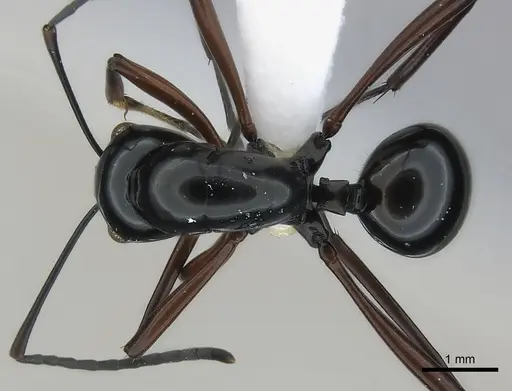
CASENT0903418
View on AntWeb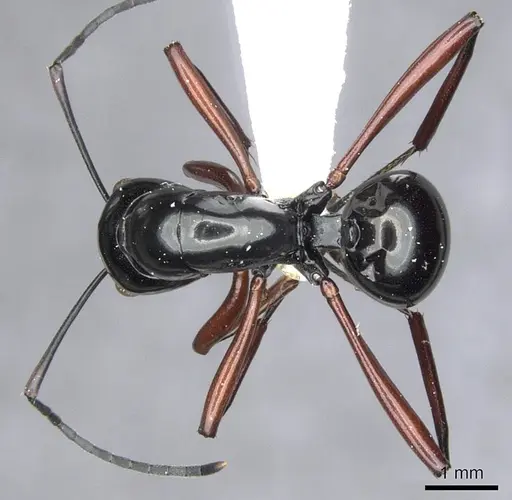
Literature
Loading...Loading products...