

Polyrhachis phidias
- Scientific Name
- Polyrhachis phidias
- Subgenus
- Myrma
- Tribe
- Camponotini
- Subfamily
- Formicinae
- Author
- Forel, 1910
- Distribution
- Found in 3 countries
Polyrhachis phidias Overview
Polyrhachis phidias is an ant species of the genus Polyrhachis. It is primarily documented in 3 countries , including Central African Republic, Congo, Côte d'Ivoire. Detailed taxonomic data and occurrence records can be further explored via authoritative databases such as AntWeb or the Global Biodiversity Information Facility (GBIF).
Polyrhachis phidias
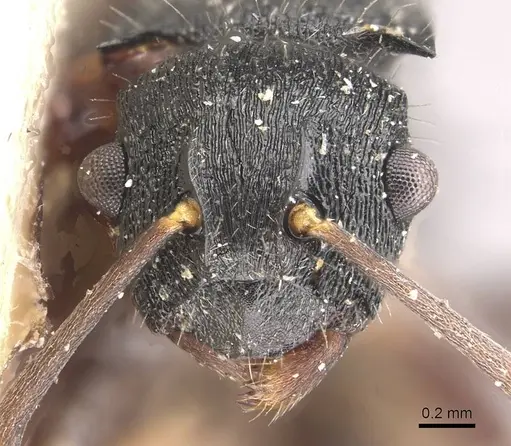
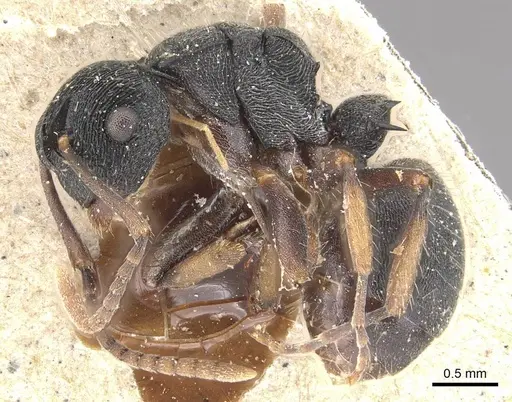
Polyrhachis phidias is a small, striking ant species native to the forest zones of West and Central Africa, found in countries including Nigeria, Equatorial Guinea, the Central African Republic, and Tanzania [1]. Workers measure around 5mm and feature distinctive spines on the petiole (the narrow waist segment), a pair of long lateral spines and shorter dorsal teeth. The head is trapezoidal in shape, and the body has fine longitudinal striations. This species belongs to the militaris species group within the Myrma subgenus, making it a close relative of P. fissa and P. decemdentata [2][1].
As a forest-dwelling African species, P. phidias thrives in warm, humid conditions with access to protein-rich food sources. While not commonly kept in captivity compared to some other Polyrhachis species, their moderate size and interesting spine morphology make them an appealing species for more experienced antkeepers interested in African fauna.
Quick Summary
- Difficulty: Medium
- Origin & Habitat: Forest zones of West and Central Africa, including Nigeria, Equatorial Guinea, Central African Republic, and Tanzania [1]. In nature, they likely nest in rotting wood or under bark in humid forest environments, similar to related Polyrhachis fissa and decemdentata species [1].
- Colony Type: Colony structure is unconfirmed. Based on typical Polyrhachis patterns, likely single-queen (monogyne) colonies, though this has not been directly documented for this specific species.
- Size & Growth:
- Queen: Queens measure approximately 1.30-1.40mm head length (HL), making them moderately larger than workers [2].
- Worker: Workers are small at 4.9-5.1mm total length, with head length of 1.13-1.30mm [2][1].
- Colony: Colony size is unconfirmed, but based on related species in the militaris group, colonies likely reach several hundred workers at maturity.
- Growth: Growth rate is unconfirmed but likely moderate, typical of smaller Polyrhachis species.
- Development: Development timeline is unconfirmed for this species. Based on typical Polyrhachis patterns, expect 8-12 weeks from egg to first worker at optimal warm temperatures. (This is an estimate based on genus-level data, as no species-specific development studies exist.)
- Antkeeping:
- Temperature: As a West/Central African forest species, keep them warm at roughly 24-28°C. A gentle temperature gradient allows workers to regulate their conditions. Avoid temperatures below 20°C for extended periods.
- Humidity: Forest species require high humidity, aim for 70-85% relative humidity. Keep the nest substrate consistently moist but not waterlogged. Provide a water source and occasional misting if the setup dries out.
- Diapause: Diapause requirements are unconfirmed. African forest species may not require true hibernation but may show reduced activity during cooler or drier seasons. Consider a brief cool period (around 18-20°C) in winter if the colony shows reduced activity, but this is optional.
- Nesting: In captivity, they do well in Y-tong (AAC) nests, plaster nests, or naturalistic setups with damp substrate. Because they are forest-dwelling, they prefer enclosed, humid nest chambers rather than dry, exposed setups. Provide nesting media that retains moisture well.
- Behavior: Polyrhachis phidias is generally calm and not overly aggressive. Workers are active foragers that search for honeydew, nectar, and small insects. They have moderate escape abilities, the spines and medium size mean they cannot squeeze through extremely small gaps, but standard escape prevention (Fluon barriers, tight-fitting lids) is still recommended. They are diurnal and actively forage during the day.
- Common Issues: high humidity maintenance can be challenging, improper ventilation leads to mold growth that can kill colonies, wild-caught colonies may harbor parasites or diseases that cause colony collapse in captivity, temperature drops below 20°C can slow or stop brood development entirely, overfeeding can lead to mold in the nest, so remove uneaten food promptly, lack of protein sources will stunt growth, they need regular insect prey
Housing and Nest Setup
Polyrhachis phidias does well in enclosed nest setups that retain humidity. Y-tong (acrylic) nests work excellently, as do plaster nests with water reservoirs. The chambers should be appropriately sized for their small worker size, avoid overly large, open spaces. A naturalistic setup with damp soil or coco fiber substrate can also work well, provided humidity is maintained. Because they come from forest environments, include some damp areas in the setup. Connect the nest to a foraging area where you can provide food. Use a test tube water reservoir attached to the nest to maintain humidity over time. [1]
Feeding and Nutrition
As generalist foragers, Polyrhachis phidias accepts a varied diet. Provide a constant source of sugar, sugar water, honey, or diluted honey water works well. For protein, offer small insects like fruit flies, pinhead crickets, mealworms, or other appropriately sized prey. They likely also collect honeydew in the wild, so occasional sweet offerings are appreciated. Feed protein 2-3 times per week, and keep sugar sources available at all times. Remove uneaten prey after 24-48 hours to prevent mold issues.
Temperature and Seasonal Care
Maintain warm conditions year-round, ideally between 24-28°C. A heating cable or mat on one side of the nest creates a temperature gradient that lets ants choose their preferred zone. Brood development depends on warmth, cooler temperatures slow or halt development entirely. During winter or cooler months, you may reduce temperature slightly (around 20-22°C) but avoid prolonged cool periods. If your room temperature naturally stays in the low-to-mid 20s°C, that should be sufficient without additional heating. Monitor colony activity, if workers cluster near the heat source, increase temperature slightly, if they avoid it, the setup may be too warm.
Humidity Management
High humidity is critical for this forest species. Aim for 70-85% relative humidity within the nest. The substrate should feel consistently damp but never waterlogged, standing water can drown colonies. Use a water reservoir (test tube or vial) connected to the nest to provide moisture over time. Check the setup regularly, if condensation disappears or the substrate surface dries out, rehydrate by adding small amounts of water. However, avoid creating a constantly wet, stagnant environment as this promotes mold. Good ventilation helps balance humidity with fresh air.
Colony Founding
Colony founding behavior has not been directly documented for this species. Based on typical Polyrhachis patterns, the queen likely seals herself in a small chamber and raises the first brood alone, living off her stored fat reserves (claustral founding). This process typically takes 4-8 weeks before the first workers (nanitics) emerge. During founding, provide the queen with a small, humid chamber and do not disturb her. Once workers emerge, they will begin foraging and the colony can be transitioned to normal care.
Behavior and Handling
Polyrhachis phidias workers are active and alert but not particularly aggressive. They forage individually and in small groups, searching for sweet liquids and small prey. When threatened, they may use their spines defensively but rarely sting. They are diurnal, with peak activity during daylight hours. Workers are medium-sized and can handle moderate handling, but always avoid disturbing the nest unnecessarily. They are not known for being escape artists in the same way as tiny ants, but standard precautions (Fluon on edges, tight-fitting lids) should still be used.
Frequently Asked Questions
How long does it take for Polyrhachis phidias to produce first workers?
The exact timeline is unconfirmed for this species. Based on typical Polyrhachis development, expect 8-12 weeks from egg to first worker at warm temperatures (24-28°C). The queen will remain sealed in her founding chamber until the first nanitic workers emerge.
What do Polyrhachis phidias ants eat?
They are generalist feeders. Provide constant sugar sources (sugar water, honey) and regular protein (small insects like fruit flies, pinhead crickets, mealworms). They will also collect honeydew if available.
Do Polyrhachis phidias ants need hibernation?
Diapause is not confirmed for this species. As a West/Central African forest species, they do not require true hibernation. However, they may show reduced activity during cooler periods. A brief cool period (around 18-20°C) in winter is optional but not necessary.
What temperature is best for Polyrhachis phidias?
Keep them warm at 24-28°C. This mimics their natural African forest habitat. A temperature gradient allows workers to regulate their exposure. Avoid temperatures below 20°C for extended periods.
Are Polyrhachis phidias good for beginners?
This species is rated as Medium difficulty. While not the hardest species, the humidity requirements and need for warm conditions make it better suited for keepers who already have some experience maintaining stable ant habitats. Beginners may struggle with humidity control.
How big do Polyrhachis phidias colonies get?
Exact colony size is unconfirmed, but based on related species in the militaris group, colonies likely reach several hundred workers at maturity. Growth is moderate.
Can I keep multiple Polyrhachis phidias queens together?
Colony structure is unconfirmed for this species. Polyrhachis are typically single-queen (monogyne) colonies. Combining unrelated queens has not been documented and is not recommended.
What humidity level do Polyrhachis phidias need?
High humidity is essential, aim for 70-85% relative humidity. Keep the nest substrate consistently moist but not waterlogged. Use a water reservoir to maintain humidity over time.
References

This caresheet is licensed under CC BY-SA 4.0 .
CASENT0906825
View on AntWeb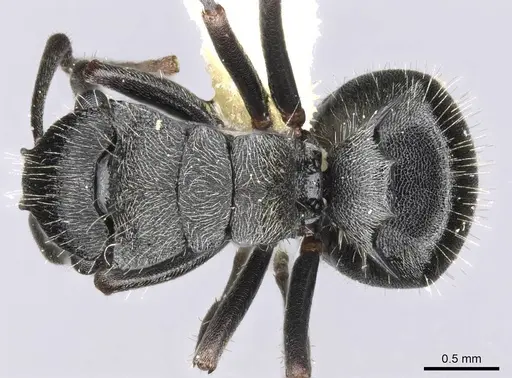
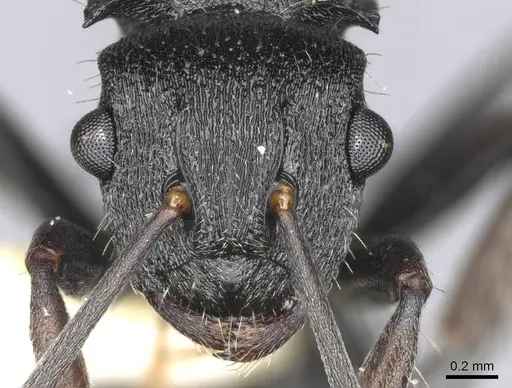
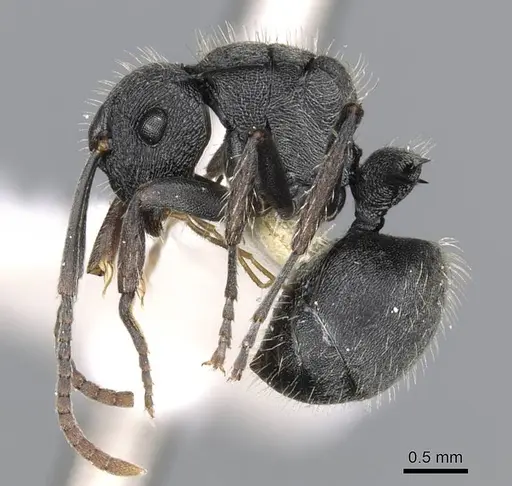
CASENT0910951
View on AntWeb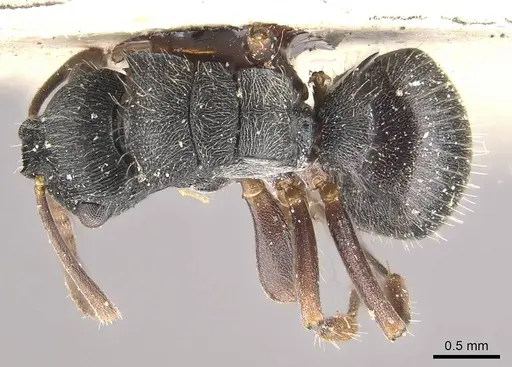
Literature
Loading...Loading products...