

Polyrhachis fissa
- Scientific Name
- Polyrhachis fissa
- Subgenus
- Myrma
- Tribe
- Camponotini
- Subfamily
- Formicinae
- Author
- Mayr, 1902
- Distribution
- Found in 6 countries
Polyrhachis fissa Overview
Polyrhachis fissa is an ant species of the genus Polyrhachis. It is primarily documented in 6 countries , including Congo, Democratic Republic of the, Central African Republic. Detailed taxonomic data and occurrence records can be further explored via authoritative databases such as AntWeb or the Global Biodiversity Information Facility (GBIF).
Polyrhachis fissa
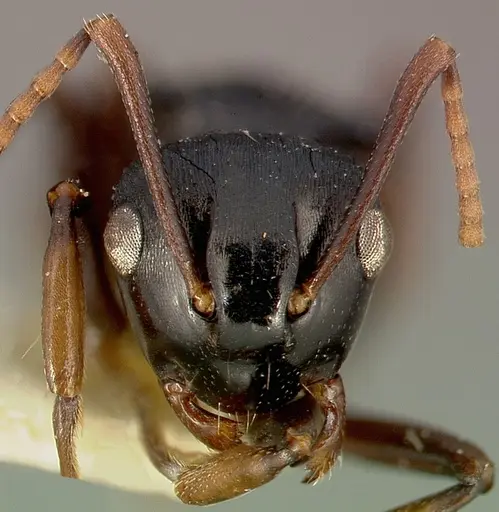
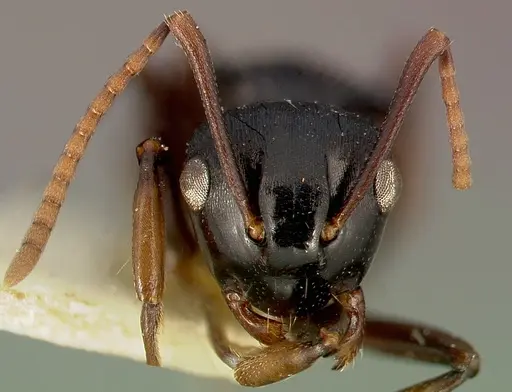
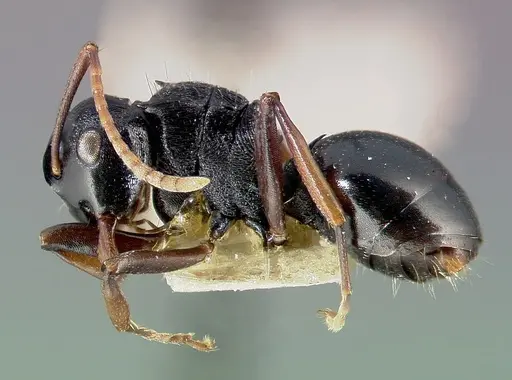
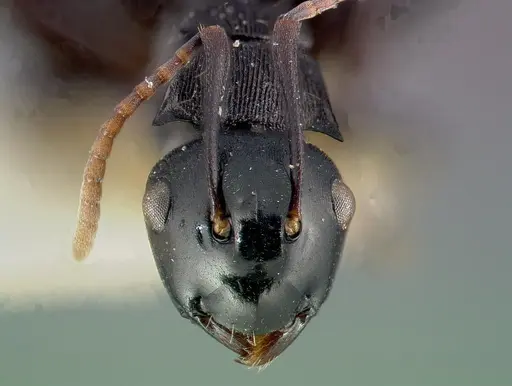
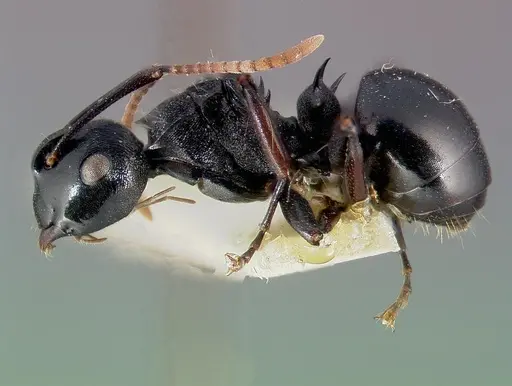
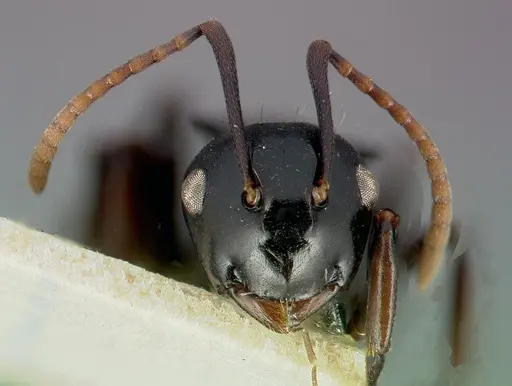
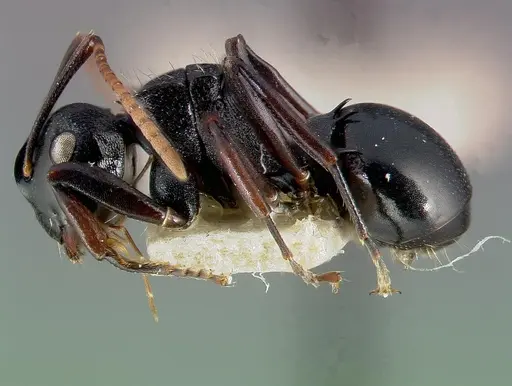
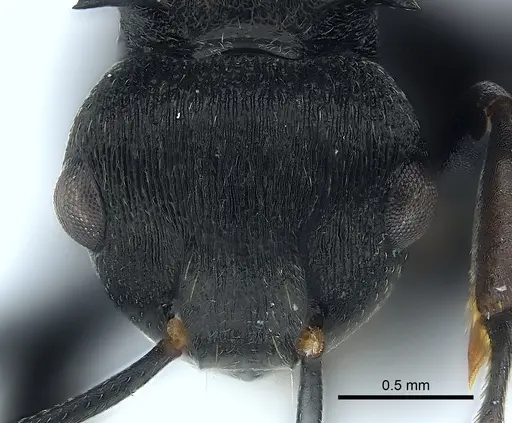
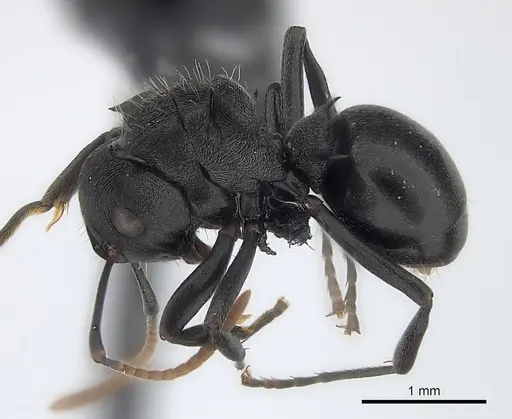
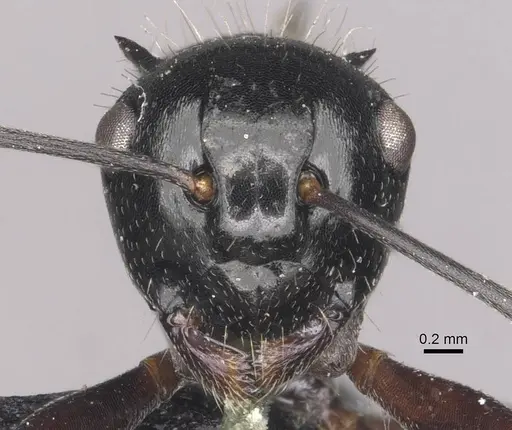
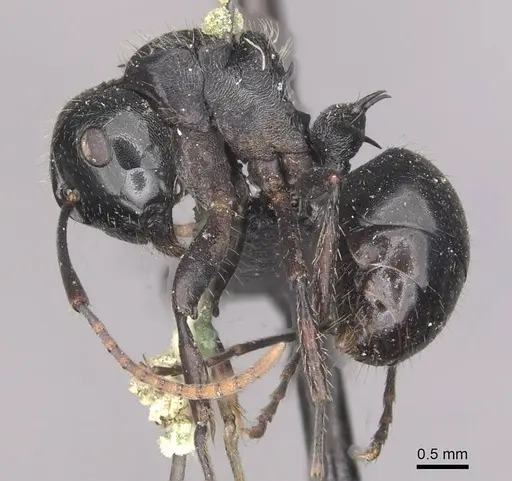
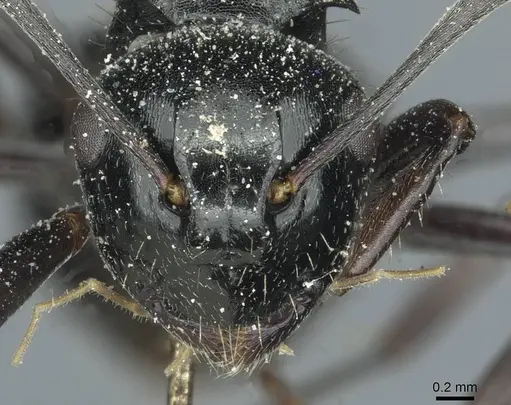
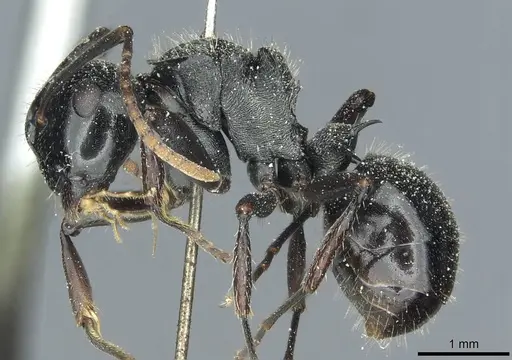
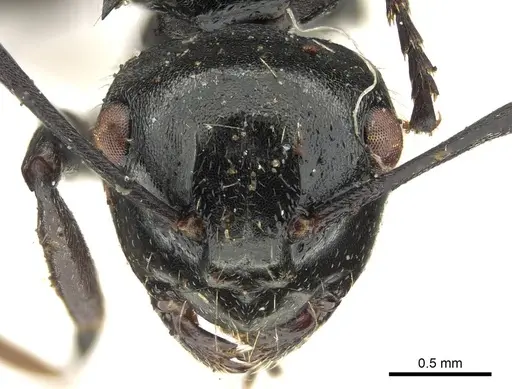
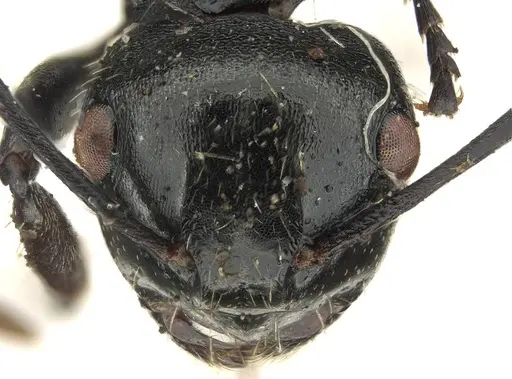
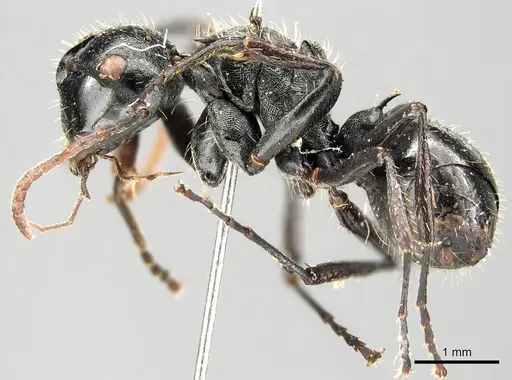
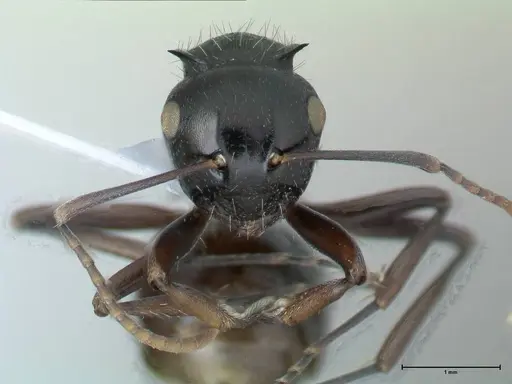
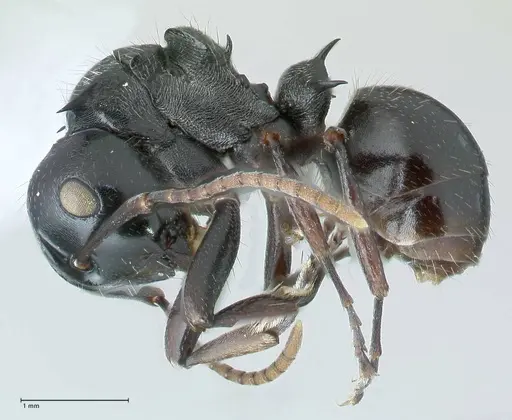
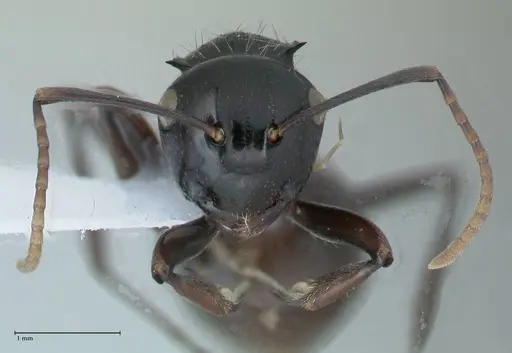
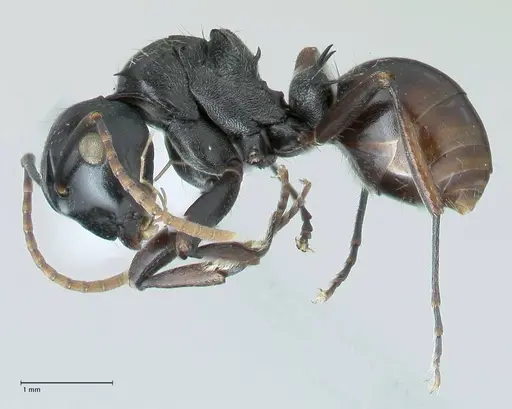
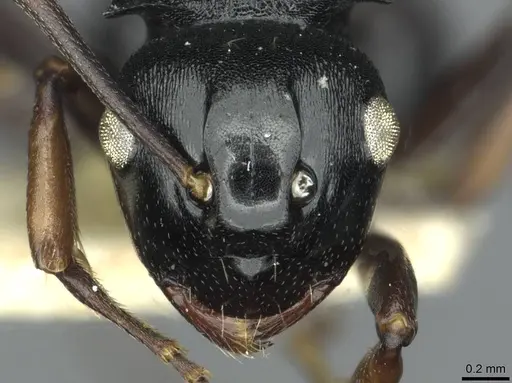
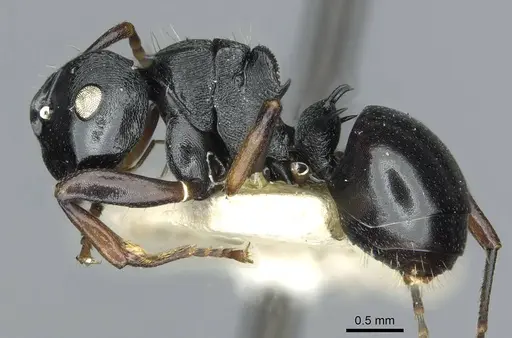
Polyrhachis fissa is a medium-sized arboreal ant found across West and Central Africa, from Cameroon to Uganda. Workers measure 5.2-6.3mm and are striking for their entirely black coloration with a distinctly shiny gaster, plus their distinctive spines, broad triangular pronotal spines and four curved spines on the petiole. This species belongs to the militaris species group within the subgenus Myrma and is closely related to Polyrhachis lauta. Unlike most ground-nesting ants, these ants are arboreal, building silk-and-leaf nests in forest trees. They represent a more challenging species for antkeepers due to their specific arboreal nesting requirements and limited availability in the hobby.
Quick Summary
- Difficulty: Medium
- Origin & Habitat: West and Central African forests, Cameroon, Congo, Democratic Republic of Congo, Gabon, Ghana, Nigeria, and Uganda. Found at elevations from 110m to 640m in forested areas [1].
- Colony Type: Colony structure is unconfirmed. Based on genus patterns, likely single-queen colonies, though this has not been directly documented.
- Size & Growth:
- Queen: Undocumented in primary literature, estimated similar to worker size plus dealate wings, likely 6-7mm based on genus patterns
- Worker: 5.2-6.3mm
- Colony: Unknown, no colony size data available
- Growth: Moderate, based on typical Formicinae development
- Development: Estimated 6-8 weeks at optimal temperature based on related Formicinae species (Development time is estimated, not directly studied for this species. Formicinae typically take 6-10 weeks from egg to worker.)
- Antkeeping:
- Temperature: Keep at 24-28°C, these are tropical forest ants that prefer warm, stable conditions. A heating cable on one side of the nest creates the warmth they need.
- Humidity: Moderate to high, as arboreal forest ants, they need humidity around 60-80%. Provide a water tube for drinking and occasional misting of the outworld.
- Diapause: No, being a tropical species, they do not require hibernation. Keep them warm year-round.
- Nesting: Arboreal specialists, they build silk nests between leaves in the wild. In captivity, a naturalistic setup with live plants or a Y-tong/plaster nest with rough surfaces for grip works well. They need vertical space and surfaces to walk on. Avoid smooth glass nests, they prefer textured surfaces[2].
- Behavior: Generally calm and non-aggressive compared to many ants. Workers are active foragers that patrol tree trunks in search of honeydew and small prey. They are medium-sized with a shiny black appearance and distinctive spines. Escape risk is moderate, they are not tiny but can climb well, so standard barrier methods work. They use silk to construct their nests, which is unusual among Formicinae [2].
- Common Issues: arboreal nature makes standard test tube setups unsuitable, they need vertical space and climbing surfaces, tropical warmth requirements mean colonies can slow or fail in cool rooms, limited availability in the antkeeping hobby makes this a harder species to acquire, fungal parasites (Ophiocordyceps) have been documented in wild populations, wild-caught colonies may carry this risk [3], silk-nesting behavior requires specific setups that most keepers are unfamiliar with
Housing and Nest Setup
Polyrhachis fissa requires a completely different approach than typical ground-nesting ants. These are arboreal ants that naturally build nests between leaves in forest canopies, using silk to bind leaves together[2]. In captivity, you have several options: a naturalistic vivarium with live plants allows them to build natural silk nests, or a Y-tong/plaster nest with textured surfaces works well. The key is providing vertical climbing surfaces and rough textures they can grip, smooth glass test tubes are NOT suitable. A formicarium with cork bark, branches, or rough-sided acrylic chambers gives them what they need. They will use silk to construct their nest structures, so include materials they can work with.
Temperature and Heating
Being a tropical African species, Polyrhachis fissa needs warm conditions year-round. Maintain temperatures between 24-28°C, this matches their natural forest habitat in West and Central Africa. Room temperature alone is often insufficient, especially in cooler climates. Use a heating cable or small heat mat on one side of the nest to create a warm zone around 26-28°C, allowing the ants to regulate by moving between warmer and cooler areas. Avoid temperatures below 22°C for extended periods as this can slow colony development and weaken the ants. Consistent warmth is more important than exact precision.
Feeding and Diet
Like most Polyrhachis species, these ants are omnivorous but lean toward honeydew and small insects. In captivity, offer sugar water or honey as a constant energy source, plus protein-rich foods like small crickets, mealworms, or fruit flies. They are active foragers that will patrol and search for food, so place offerings in accessible locations in the outworld. Feed protein 2-3 times per week and keep sugar sources available continuously. Fresh water should always be accessible. Their arboreal lifestyle suggests they may also accept nectar sources, so honey water is often readily accepted.
Humidity and Water
As forest-dwelling ants, Polyrhachis fissa needs moderate to high humidity, roughly 60-80%. Provide a water tube or small water dish for drinking, arboreal ants often need accessible water sources. Occasional light misting of the outworld helps maintain humidity, but avoid making the nest overly wet. The key is balance: too dry and they may desiccate, too wet and you risk mold problems. A damp sponge in the outworld can help maintain humidity without direct water contact. Monitor condensation on nest surfaces as a humidity guide.
Behavior and Colony Life
Workers of Polyrhachis fissa are active foragers that naturally patrol tree trunks in search of food, this translates to active, visible behavior in captivity. They are generally calm-tempered and not particularly aggressive, though they will defend their nest if threatened. The most distinctive behavior is their use of silk to construct nests, binding leaves or other materials together, this is unusual among Formicinae ants and makes their nesting behavior fascinating to observe. Colonies likely grow moderately over time, though exact colony sizes in the wild are undocumented. Queens are winged (alates) and have been collected in Ghana in June and November, suggesting these are the nuptial flight periods.
Frequently Asked Questions
Can I keep Polyrhachis fissa in a test tube setup?
No, test tubes are not suitable for this species. Polyrhachis fissa is arboreal and needs vertical climbing surfaces and textured materials to grip. Use a naturalistic vivarium, Y-tong nest, or plaster formicarium with rough-sided chambers instead.
What temperature do Polyrhachis fissa ants need?
Keep them warm at 24-28°C year-round. These are tropical African ants that need consistent warmth. A heating cable on part of the nest helps maintain ideal temperatures.
How long does it take for Polyrhachis fissa to produce first workers?
Estimated 6-8 weeks from egg to first worker at optimal temperature, based on typical Formicinae development. This has not been directly studied for this species, so it is an estimate.
Do Polyrhachis fissa ants need hibernation?
No, as a tropical species from African forests, they do not require hibernation. Keep them warm year-round without temperature drops.
What do Polyrhachis fissa ants eat?
They are omnivorous. Offer sugar water or honey constantly, plus protein sources like small crickets, mealworms, or fruit flies 2-3 times per week. They are active foragers that will readily take small prey.
Are Polyrhachis fissa good for beginners?
No, this is a medium difficulty species. Their arboreal nature requires specific housing (not test tubes), they need tropical warmth year-round, and they are uncommon in the antkeeping hobby. Experienced antkeepers familiar with naturalistic setups will have more success.
How big do Polyrhachis fissa colonies get?
Colony size is undocumented in scientific literature. Based on related Polyrhachis species, colonies likely reach several hundred workers over time, but this is an estimate.
When do Polyrhachis fissa nuptial flights occur?
Alates (reproductives) have been collected in Ghana in June and November, suggesting these are the likely nuptial flight periods.
Why is my Polyrhachis fissa colony dying?
Common causes include: temperatures below 22°C (they need warmth), too-dry conditions (they need humidity), unsuitable smooth-sided nests (they need textured surfaces for climbing), or fungal parasites from wild-caught colonies. Ensure you are meeting their arboreal habitat requirements.
References

This caresheet is licensed under CC BY-SA 4.0 .
CASENT0003154
View on AntWeb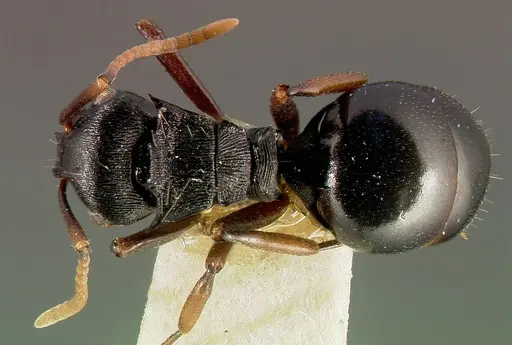


CASENT0006022
View on AntWeb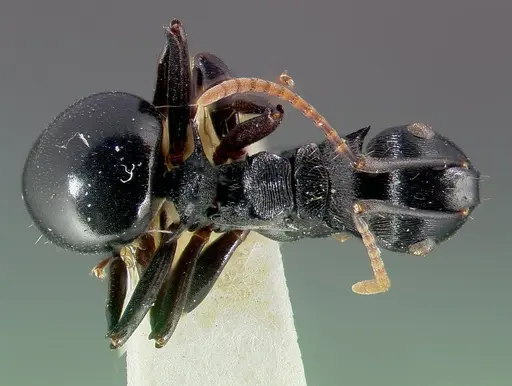
CASENT0006023
View on AntWeb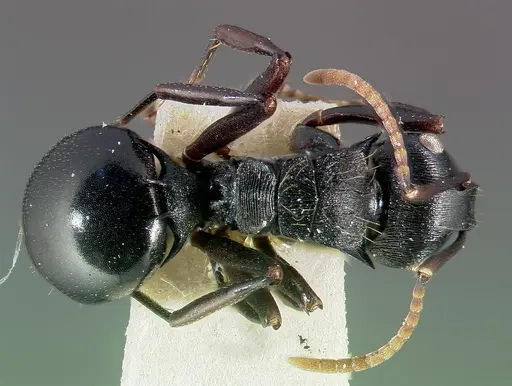
CASENT0227530
View on AntWeb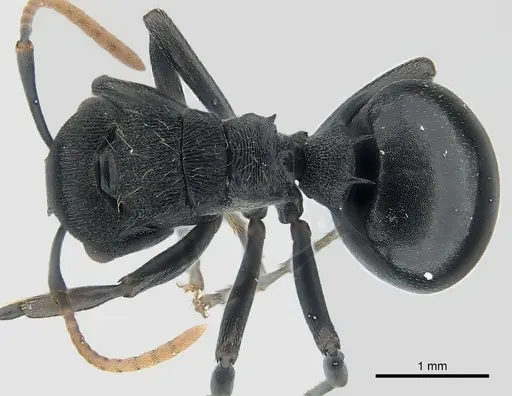
CASENT0910948
View on AntWeb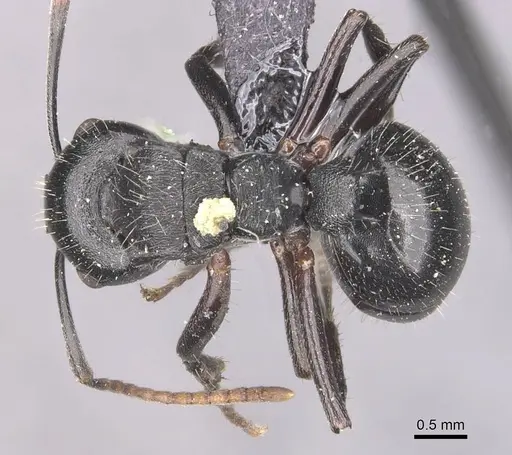
CASENT0912119
View on AntWeb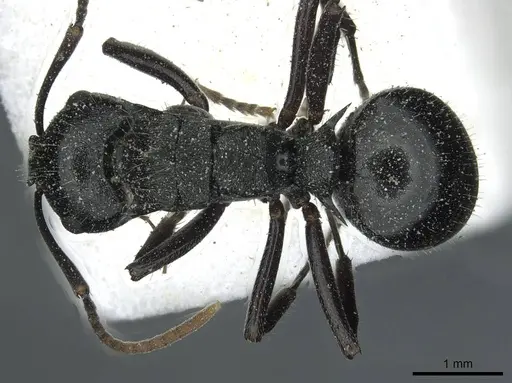
CASENT0915812
View on AntWeb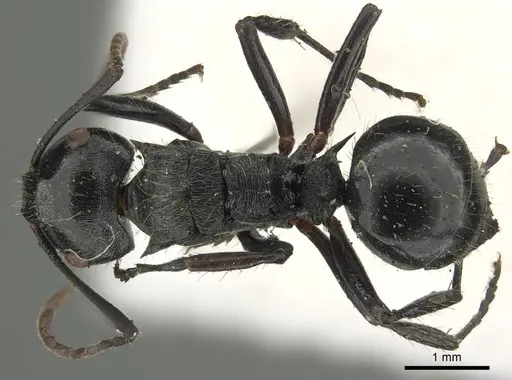
FOCOL1787-1
View on AntWeb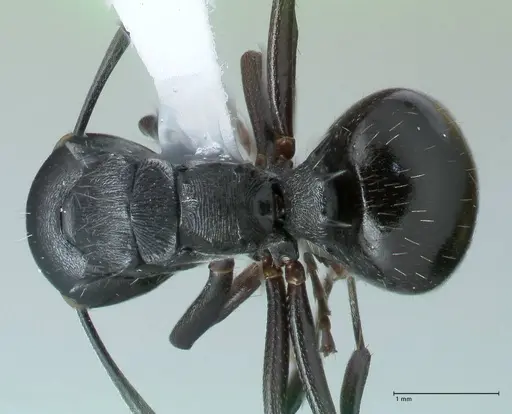
FOCOL1787-2
View on AntWeb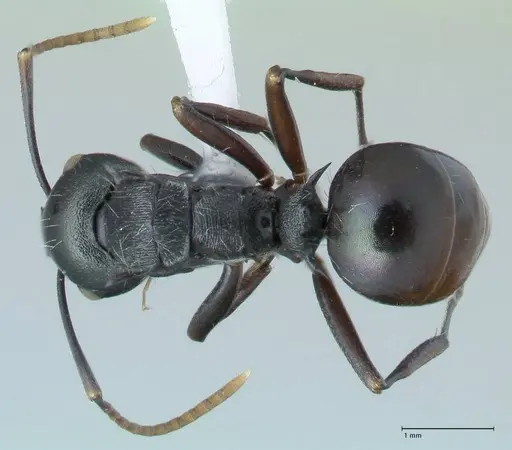
RMCAENT000017822
View on AntWeb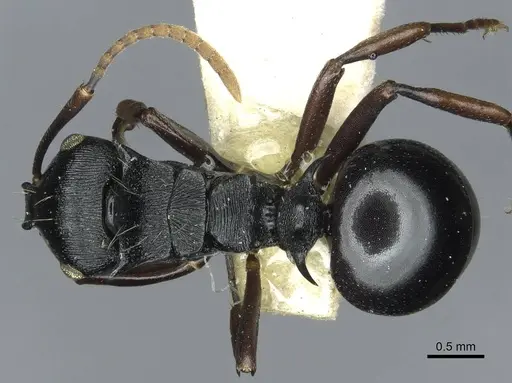
Literature
Loading...Loading products...