

Polyrhachis ops
- Scientific Name
- Polyrhachis ops
- Subgenus
- Campomyrma
- Tribe
- Camponotini
- Subfamily
- Formicinae
- Author
- Forel, 1907
- Distribution
- Found in 1 countries
Polyrhachis ops Overview
Polyrhachis ops is an ant species of the genus Polyrhachis. It is primarily documented in 1 countries , including Australia. Detailed taxonomic data and occurrence records can be further explored via authoritative databases such as AntWeb or the Global Biodiversity Information Facility (GBIF).
Polyrhachis ops
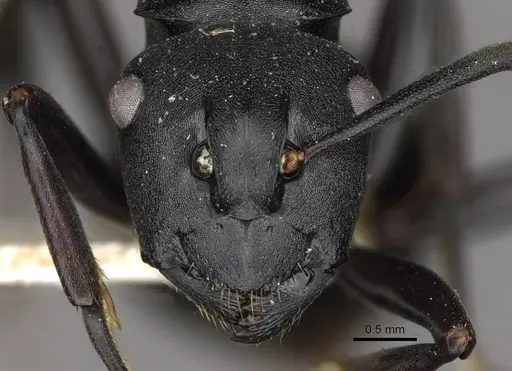
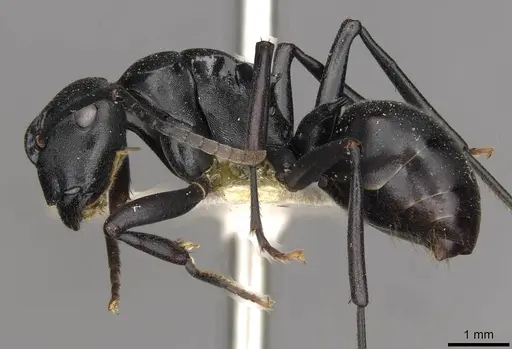
Polyrhachis ops is an Australian ant species belonging to the subgenus Campomyrma. Workers are medium-sized with the distinctive features common to Polyrhachis ants, including spines and hooks on the body. This species is distinguished from related taxa by its notably smoother and shinier head capsule [1]. Originally described as a subspecies of Polyrhachis micans in 1907,it was raised to full species status in 1989 [2]. The genus Polyrhachis is known for their often elaborate body structures and this species maintains the characteristic features while being differentiated by its smooth head surface.
Quick Summary
- Difficulty: Medium
- Origin & Habitat: Native to Australia, specifically found on the western south coast [1]. This species nests subterranean, meaning underground in soil or under objects in the ground [3][4]. As an Australian ant, it comes from a temperate to subtropical climate with seasonal variation.
- Colony Type: Colony structure is not well documented for this specific species. Based on typical Polyrhachis patterns, colonies likely have a single queen (monogyne). The subgenus Campomyrma species typically establish single-queen colonies.
- Colony: Monogyne
- Founding: Claustral
- Size & Growth:
- Queen: Estimated 8-10mm based on genus patterns for Campomyrma species
- Worker: Estimated 5-8mm based on typical Polyrhachis worker size range
- Colony: Unknown for this specific species, but Polyrhachis colonies typically reach several hundred workers
- Growth: Moderate, based on typical genus development patterns
- Development: Estimated 8-12 weeks based on typical Polyrhachis development at warm temperatures (Development time is estimated from genus patterns as specific data for P. ops is not available. Warmer temperatures within their range may speed development.)
- Antkeeping:
- Temperature: Keep at 22-26°C. Australian species do well with a gentle temperature gradient allowing them to choose their preferred warmth. A heating cable on one side of the nest can provide this option.
- Humidity: Subterranean nesting suggests moderate to high humidity needs. Keep the nest substrate consistently moist but not waterlogged. Provide a water tube for drinking access.
- Diapause: Yes, Australian temperate ants require a winter rest period. Reduce temperature to 10-15°C for 2-3 months during winter.
- Nesting: Subterranean nester, they dig chambers underground. In captivity, a naturalistic setup with soil or a plaster/acrylic nest with moist substrate works well. They prefer enclosed dark chambers similar to their natural underground nests.
- Behavior: Polyrhachis ops workers are active foragers that search for food both on the ground and on vegetation. They are not particularly aggressive but will defend their nest if threatened. Escape prevention should be moderate, while not among the smallest ants, they are agile and can climb smooth surfaces. They accept a varied diet including sugars and proteins.
- Common Issues: colonies may struggle if humidity drops too low, subterranean species need consistent moisture, winter diapause is required for long-term colony health, skipping hibernation can weaken colonies, wild-caught colonies may have parasites that need treatment, slow initial growth can lead to overfeeding which causes mold problems, subterranean nesting means they need deep substrate or appropriate nest material to feel secure
Nest Preferences and Housing
Polyrhachis ops is a subterranean nester, meaning they naturally dig and live in underground chambers [3][4]. In captivity, you should replicate these conditions as closely as possible. A naturalistic setup with deep soil substrate works well, use a mix of sand and soil that holds moisture without becoming waterlogged. Alternatively, a plaster or acrylic nest with narrow chambers and moist substrate can work, though the ants should have access to a water tube for drinking. The nest should be dark, these ants prefer enclosed spaces and will be more active if their nest area is shaded. Provide a foraging area connected to the nest where you can offer food.
Feeding and Diet
Polyrhachis ants are omnivorous, accepting both sugar sources and protein. In captivity, offer sugar water or honey as a constant energy source. For protein, provide small insects like fruit flies, small crickets, or mealworms. They are active foragers, so place food in the foraging area and check every 2-3 days. Remove uneaten protein after 24 hours to prevent mold. Fresh water should always be available, a small water tube with a cotton wick works well. Feed protein 2-3 times per week depending on colony size, and keep sugar available at all times.
Temperature and Seasonal Care
As an Australian species from the western south coast region, Polyrhachis ops experiences seasonal temperature variation in the wild. Keep the nest area at 22-26°C during the active season. A temperature gradient is beneficial, place a heating cable on one side of the nest so workers can move between warmer and cooler areas as they choose. During winter, you must provide a diapause period. Reduce temperatures to 10-15°C for 2-3 months, typically from late autumn through winter. During diapause, reduce feeding significantly and keep the nest slightly cooler but not cold. This winter rest is essential for colony health and reproduction. [1]
Behavior and Colony Dynamics
Workers of Polyrhachis ops are active and agile foragers. They search for food both on the ground and may climb vegetation in search of honeydew and small prey. The colony will establish a queen chamber deep in the nest where the queen lays eggs. Workers tend the brood and forage for food. These ants are not overly aggressive but will bite if their nest is disturbed. The presence of cocoons in the genus [3] indicates their pupae are wrapped in silk cocoons rather than being naked like some ant species. Colonies grow gradually, expect several months before the first major batch of workers emerges, then steady growth thereafter.
Frequently Asked Questions
Can I keep Polyrhachis ops in a test tube?
A test tube setup can work for founding colonies, but this subterranean species will do better in a naturalistic setup with soil or a moist nest. If using a test tube, ensure it has a water section and keep it horizontal so the queen can move between dry and moist areas. Consider moving to a larger setup once the colony reaches 20-30 workers.
How long until first workers with Polyrhachis ops?
Expect first workers (nanitics) approximately 8-12 weeks after the queen lays eggs, assuming temperatures around 24-26°C. This is an estimate based on typical Polyrhachis development, specific timing for this species is not documented. The first workers will be smaller than mature workers.
Are Polyrhachis ops good for beginners?
This species is rated as medium difficulty. They are less commonly kept than some genera, and their specific needs (subterranean nesting, winter diapause) require some experience. Beginners should ensure they can provide the required diapause period and appropriate humidity before attempting this species.
Do Polyrhachis ops need hibernation?
Yes, as an Australian temperate species, they require a winter diapause. Reduce temperatures to 10-15°C for 2-3 months during winter. This rest period is important for colony health and triggers reproductive cycles. Do not skip diapause or keep them warm year-round.
What do Polyrhachis ops eat?
They are omnivorous. Offer sugar water or honey constantly for energy, and protein sources like small insects (fruit flies, small crickets, mealworms) 2-3 times per week. They are active foragers so place food in their foraging area.
How big do Polyrhachis ops colonies get?
Colony size is not specifically documented for this species, but Polyrhachis colonies typically reach several hundred workers. Growth is moderate, expect a few years to reach significant numbers.
When should I move Polyrhachis ops to a formicarium?
Move from a founding setup to a larger nest once the colony reaches 20-30 workers and the test tube is becoming cramped. A naturalistic setup with deep soil works best for this subterranean species.
References

This caresheet is licensed under CC BY-SA 4.0 .
CASENT0910775
View on AntWeb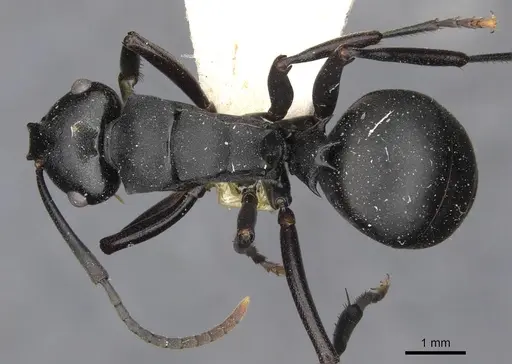
Literature
Loading...Loading products...