

Polyrhachis olena
- Scientific Name
- Polyrhachis olena
- Subgenus
- Myrma
- Tribe
- Camponotini
- Subfamily
- Formicinae
- Author
- Smith, 1861
- Distribution
- Found in 1 countries
Polyrhachis olena Overview
Polyrhachis olena is an ant species of the genus Polyrhachis. It is primarily documented in 1 countries , including Indonesia. Detailed taxonomic data and occurrence records can be further explored via authoritative databases such as AntWeb or the Global Biodiversity Information Facility (GBIF).
Polyrhachis olena
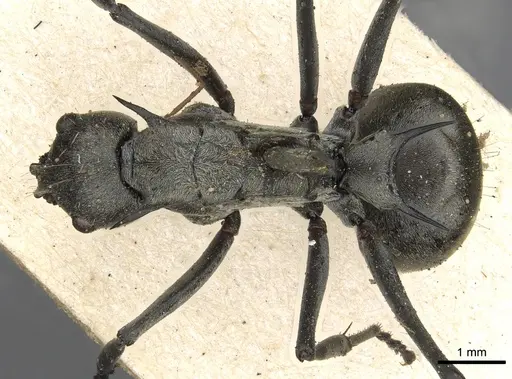
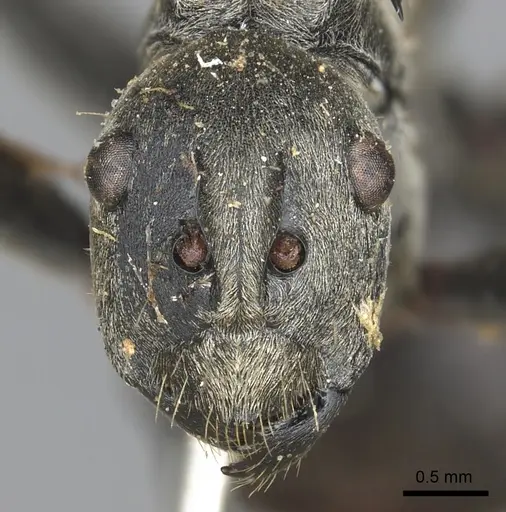
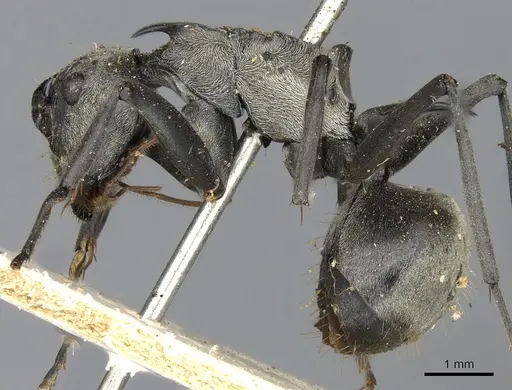
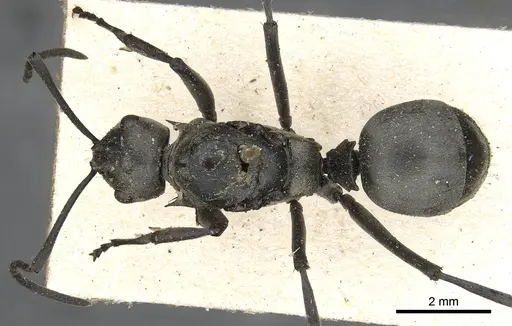
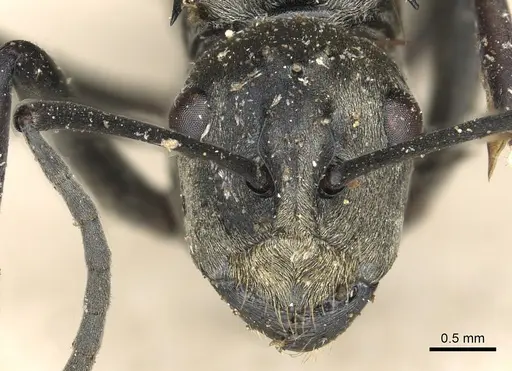
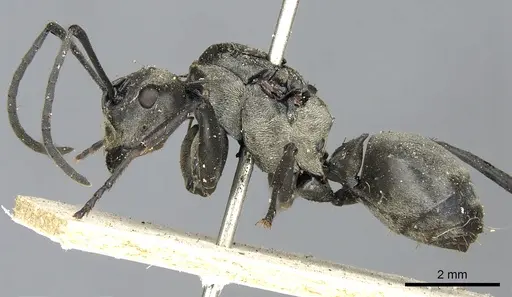
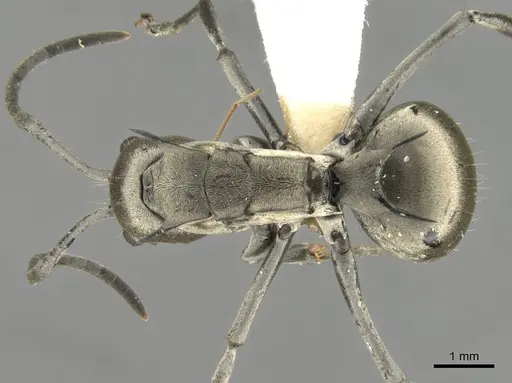
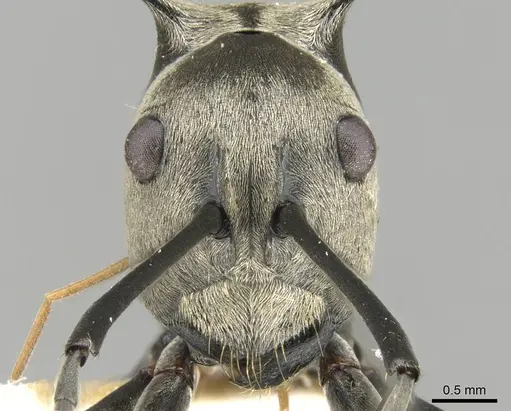
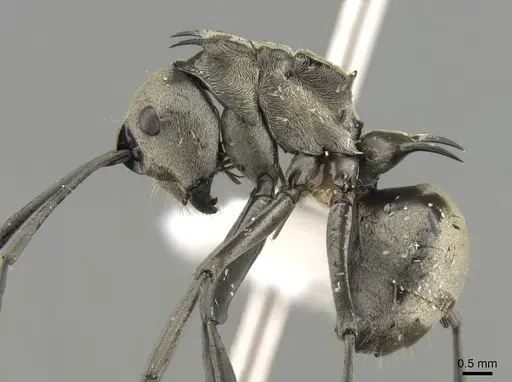
Polyrhachis olena is a medium-sized ant belonging to the Formicinae subfamily, found exclusively on the island of Sulawesi in Indonesia. Workers are characterized by their moderately developed spines on the mesosoma and belong to the Polyrhachis relucens species-group. The species was originally described by Frederick Smith in 1861 from specimens collected near Tondano, Sulawesi. This ant is closely related to Polyrhachis brendelli and Polyrhachis browni, with which it shares several morphological similarities. Workers have been documented through fogging samples, including specimens collected from Pandanus plants, suggesting semi-arboreal nesting habits.
Quick Summary
- Difficulty: Medium
- Origin & Habitat: Endemic to Sulawesi, Indonesia. Found in tropical forest habitats, with workers collected from vegetation including Pandanus plants [1][2][3].
- Colony Type: Colony structure is unconfirmed. Based on related Polyrhachis species, likely single-queen (monogyne) colonies, though some Polyrhachis species can form multi-queen colonies.
- Colony: Monogyne
- Founding: Claustral
- Size & Growth:
- Queen: Estimated 10-12mm based on genus patterns for Myrma subgenus
- Worker: Estimated 6-8mm based on genus patterns for Myrma subgenus
- Colony: Likely moderate colonies of several hundred workers based on related species
- Growth: Moderate, estimated based on typical Polyrhachis development
- Development: Estimated 6-10 weeks at tropical temperatures (25-28°C) (Development time inferred from related Polyrhachis species, direct measurements not available for this species)
- Antkeeping:
- Temperature: Keep at 24-28°C. As a tropical Sulawesi species, they require warm, stable temperatures typical of rainforest environments. Avoid temperatures below 22°C.
- Humidity: Moderate to high humidity (60-80%). Provide a moist nest substrate while allowing some drier areas for the ants to regulate their own conditions. Regular misting or a water reservoir in the nest helps maintain appropriate moisture levels.
- Diapause: No, as a tropical species from Sulawesi, they do not require hibernation or winter dormancy. Maintain consistent warm conditions year-round.
- Nesting: Semi-arboreal nesting preferences. In captivity, they do well in Y-tong (AAC) nests, plaster nests, or naturalistic setups with vertical structures. Provide materials like cork, twigs, or plant matter for them to nest in. They may accept test tube setups but prefer more complex nest structures.
- Behavior: Generally docile and non-aggressive compared to many other ant species. Workers are active foragers that search for honeydew, nectar, and small prey. They are not known for being particularly defensive and rarely sting. Their moderate size and relatively calm temperament make them manageable in captivity. Escape risk is moderate, ensure enclosures have secure barriers but they are not particularly adept at escaping like some tiny species.
- Common Issues: tropical temperature requirements mean colonies can decline if kept too cool, monitor temperatures closely, semi-arboreal nature means they may not thrive in fully horizontal test tube setups, provide vertical nesting options, limited available information means care is based on genus-level knowledge, be prepared to adjust conditions based on colony behavior, wild-caught colonies may have difficulty adjusting to captive conditions after collection from a very specific habitat
Natural History and Distribution
Polyrhachis olena is endemic to Sulawesi, one of the larger islands in the Indonesian archipelago. The species was first described in 1861 by Frederick Smith from specimens collected near Tondano, a town in North Sulawesi. The type specimens include both workers and queens. This ant belongs to the Myrma subgenus, which contains numerous arboreal and semi-arboreal species throughout Southeast Asia and Australasia. Workers have been collected using fogging techniques, particularly from Pandanus plants, a genus of tropical shrubs and trees that provide shelter for many ant species. This suggests P. olena prefers vegetation-rich habitats and likely nests in hollow twigs, under bark, or in plant crevices rather than in ground nests. [1][2][3]
Housing and Nest Preferences
As a semi-arboreal species from the Myrma subgenus, Polyrhachis olena benefits from nest setups that accommodate their natural behavior. Y-tong (AAC) nests work well, providing dark, secure chambers that mimic tree hollows. Plaster nests with moisture reservoirs maintain appropriate humidity levels. Naturalistic setups with cork, twigs, or live plant matter allow for more natural behavior. Avoid horizontal-only test tube setups, they tend to prefer vertical or angled orientations. The outworld should include climbing structures and foraging areas that mimic their arboreal lifestyle. Ensure the nest has multiple chambers so the colony can organize itself (brood chambers, food storage, queen chamber).
Feeding and Nutrition
Polyrhachis olena is an omnivorous species that accepts a variety of foods. In captivity, they readily consume sugar sources like honey water, sugar water, or honey. Protein is essential for brood development, offer small insects such as fruit flies, small crickets, mealworms, or other appropriately sized prey. Based on related Polyrhachis species, they likely also exploit honeydew in the wild, so providing occasional sweet treats mimics their natural diet. Feed protein sources 2-3 times per week, with sugar water always available. Remove uneaten prey after 24-48 hours to prevent mold. Fresh water should always be accessible.
Temperature and Seasonal Care
Being a tropical species from Sulawesi, Polyrhachis olena requires warm conditions year-round. Maintain temperatures between 24-28°C (75-82°F) for optimal colony health and brood development. Temperatures below 22°C can stress the colony and slow or stop brood development. Use a heating cable or mat on one side of the nest to create a gentle temperature gradient, allowing ants to self-regulate. Since they come from a tropical island near the equator, they do not experience seasonal temperature drops, no hibernation or diapause is needed. Keep them away from air conditioning vents, drafts, and cool rooms. Consistent warmth is key to maintaining an active, growing colony.
Behavior and Colony Dynamics
Polyrhachis olena workers are moderately active foragers that search for food both in the nest vicinity and throughout the outworld. They are generally docile and non-threatening, making them suitable for observation. Unlike some spiny Polyrhachis species that may have more defensive behaviors, this species is considered relatively calm. Workers communicate through chemical trails and can efficiently locate and recruit nestmates to food sources. The colony will establish defined areas for brood rearing, food storage, and waste. Queens are likely claustral founders, sealing themselves in a chamber to raise their first brood without leaving to forage. First workers (nanitics) are typically smaller than mature workers.
Frequently Asked Questions
How long does it take for Polyrhachis olena to produce first workers?
Expect first workers (nanitics) in approximately 6-10 weeks after the queen lays eggs, assuming temperatures are maintained at 25-28°C. This is an estimate based on related Polyrhachis species, as specific development data for P. olena is not available. The first workers will be smaller than mature workers but will immediately begin helping with colony tasks.
What temperature should I keep Polyrhachis olena at?
Keep them at 24-28°C (75-82°F). As a tropical Sulawesi species, they require consistent warmth. Use a heating cable on one side of the nest to create a gradient. Avoid temperatures below 22°C, as this can stress the colony and halt brood development.
What do Polyrhachis olena ants eat?
They are omnivores that accept both sugar and protein. Offer sugar water, honey, or honey water as a constant energy source. For protein, provide small insects like fruit flies, small crickets, or mealworms. Feed protein 2-3 times per week and remove uneaten prey after 24 hours.
Can I keep Polyrhachis olena in a test tube setup?
Test tubes can work for founding colonies but are not ideal long-term. This semi-arboreal species prefers more complex nest structures. For established colonies, Y-tong nests, plaster nests, or naturalistic setups with vertical elements work better. They may not thrive in horizontal-only test tube arrangements.
Do Polyrhachis olena need hibernation?
No. As a tropical species from Sulawesi, Indonesia, they do not require hibernation or any winter dormancy period. Maintain consistent warm temperatures year-round to keep the colony active and growing.
How big do Polyrhachis olena colonies get?
Based on related Polyrhachis species, colonies likely reach several hundred workers at maturity. Exact colony size for this specific species is not documented, but moderate-sized colonies of 200-500 workers are typical for the genus.
Is Polyrhachis olena good for beginners?
This species is rated as Medium difficulty. While generally docile and manageable, their specific tropical requirements (warmth, humidity) and the fact that they are semi-arboreal with particular nesting preferences make them better suited for antkeepers with some experience. Beginners should ensure they can maintain consistent warm temperatures before attempting this species.
Where is Polyrhachis olena found in the wild?
Polyrhachis olena is endemic to Sulawesi, Indonesia. It was originally described from specimens collected near Tondano in North Sulawesi. Workers have been found in fogging samples from Pandanus plants, indicating they live in forested areas with dense vegetation.
How do I set up a nest for Polyrhachis olena?
Provide a nest that mimics their natural semi-arboreal habitat. Y-tong (AAC) nests or plaster nests with moisture reservoirs work well. Include vertical structures, cork, or twigs in a naturalistic setup. Keep the nest material consistently moist but not waterlogged. They prefer dark, secure chambers and will organize the nest into distinct areas for brood, food storage, and the queen.
References

This caresheet is licensed under CC BY-SA 4.0 .
Literature
Loading...Loading products...