

Polyrhachis melanura
- Scientific Name
- Polyrhachis melanura
- Subgenus
- Hagiomyrma
- Tribe
- Camponotini
- Subfamily
- Formicinae
- Author
- Kohout, 2013
- Distribution
- Found in 1 countries
Polyrhachis melanura Overview
Polyrhachis melanura is an ant species of the genus Polyrhachis. It is primarily documented in 1 countries , including Australia. Detailed taxonomic data and occurrence records can be further explored via authoritative databases such as AntWeb or the Global Biodiversity Information Facility (GBIF).
Polyrhachis melanura
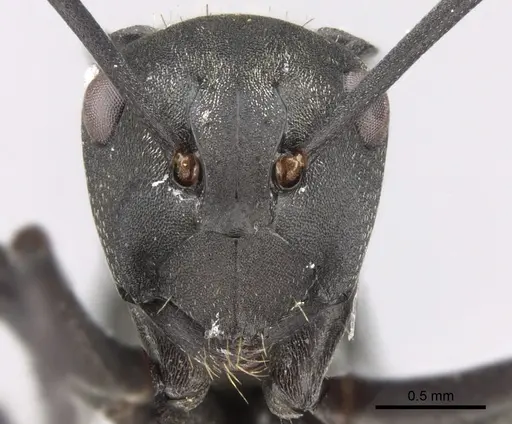
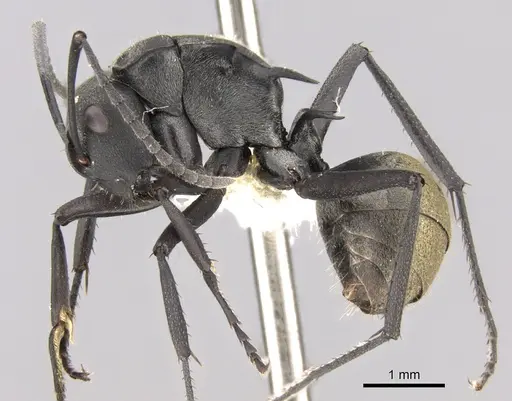
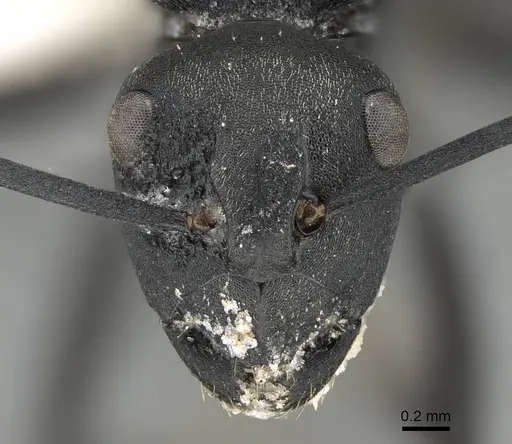
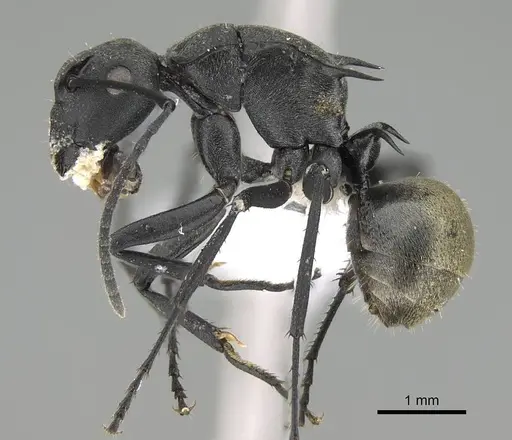
Polyrhachis melanura is a medium-sized black ant native to northern and northeastern Australia. Workers measure 5.85-6.77mm with a distinctly dull, matt-opaque appearance and characteristic slender spines on the propodeum and petiole. The species gets its name from the Greek word 'melanos' meaning black, reflecting its uniformly black coloration including the mandibles and legs [1]. This ant belongs to the penelope species-group within the subgenus Hagiomyrma and is closely related to Polyrhachis penelope, from which it can be distinguished by its duller sculpturing and swollen posterior face of the petiole [2]. The species is relatively common across its range, which stretches from the Kimberley region in Western Australia, through the Northern Territory, down to Cape York Peninsula and south to near Gladstone in Queensland. It prefers open forests and savannah woodlands where it nests in the ground, typically with entrances hidden under rocks or wood [1][2].
Quick Summary
- Difficulty: Medium
- Origin & Habitat: Northern and northeastern Australia, from the Kimberley region in WA, through the Northern Territory, to Cape York Peninsula and south to Rundle Range near Gladstone. Found in open forests and savannah woodlands [1][2].
- Colony Type: Colony structure is unconfirmed, likely single-queen (monogyne) based on typical Polyrhachis patterns, but this has not been directly documented.
- Size & Growth:
- Queen: 7.16-7.71 mm [2]
- Worker: 5.85-6.77 mm [1]
- Colony: Unknown, no colony size data available in the research literature
- Growth: Moderate, estimated based on typical Polyrhachis development
- Development: 8-12 weeks estimated (Development time is inferred from related Polyrhachis species, actual timing may vary with temperature)
- Antkeeping:
- Temperature: Keep at 24-28°C, these are tropical Australian ants that prefer warm conditions. A heating cable on one side of the nest can create a suitable gradient.
- Humidity: Moderate humidity around 50-70%. Keep the nesting substrate slightly moist but not waterlogged. Provide a water source.
- Diapause: No, as a tropical species from northern Australia, they do not require hibernation. However, a slight reduction in temperature during cooler months may be beneficial.
- Nesting: Ground-nesting species that prefers to nest under rocks or wood. In captivity, a naturalistic setup with a dirt chamber or a Y-tong/plaster nest works well. They need a nest chamber deep enough to feel secure.
- Behavior: Polyrhachis melanura is a subordinate Camponotini species, meaning it is generally non-aggressive and tends to avoid conflict with other ants [3]. As a Formicinae ant, they do not have a functional stinger but can spray formic acid for defense. Workers are moderately active foragers that search for food both on the ground and possibly low vegetation. They are not known escape artists but should still be kept in secure enclosures. The species is ground-nesting and may be somewhat shy compared to more aggressive Polyrhachis species.
- Common Issues: tropical species may struggle if kept too cool, temperature below 22°C can slow activity and affect brood development, ground-nesting behavior means they need deeper nest chambers with soil or compactable substrate, wild-caught colonies may have parasites or diseases that can cause colony failure in captivity, limited availability in the antkeeping hobby since they are not commonly traded, queen founding can be slow, patience is required during the claustral period
Housing and Nest Setup
Polyrhachis melanura is a ground-nesting species that naturally builds nests with entrances hidden under rocks or pieces of wood [1]. In captivity, you can use several effective setups. A naturalistic terrarium with a dirt chamber works well, use a mix of sandy soil and clay to create a compactable substrate that holds tunnels. Alternatively, a Y-tong (AAC) nest or plaster nest with a dirt fill section can mimic their natural underground chambers. The key is providing a deep enough nest area where the queen and brood can feel secure. These ants are not arboreal, so they do not need vertical space for nest construction. An outworld area for foraging should be connected to the nest via tubing, and you can add decorations like small rocks, leaves, or twigs to create a more natural environment. Escape prevention should be moderate, these ants are not particularly small or known escape artists, but secure connections between nest and outworld are essential.
Feeding and Diet
Like most Polyrhachis species, P. melanura is likely omnivorous with a preference for protein sources. In the wild, they probably forage for small insects, honeydew from sap-sucking insects, and nectar. In captivity, you should offer a varied diet. Protein sources can include small crickets, mealworms, fruit flies, and other small insects. Sugar sources are also important, offer sugar water, honey, or diluted honey water regularly. Some Polyrhachis species accept fruit and nectar, so you might experiment with small amounts of ripe fruit. Feed protein prey 2-3 times per week, and keep a constant sugar source available. Remove any uneaten prey after 24-48 hours to prevent mold. Fresh water should always be available, a small test tube with a cotton ball or a shallow water dish works well.
Temperature and Heating
As a tropical species from northern Australia, Polyrhachis melanura requires warm temperatures to thrive. Keep the nest area between 24-28°C for optimal colony health and brood development. Temperatures below 22°C can cause the colony to become sluggish and may slow or stop brood development entirely. A simple way to achieve this is using a heating cable or heating mat placed on one side of the nest, this creates a temperature gradient so the ants can choose their preferred zone. Always use a digital thermometer to monitor temperatures accurately. Avoid direct heat sources that could cause hot spots or dry out the nest too quickly. If your room temperature is naturally in the 24-28°C range, you may not need additional heating. These ants come from a warm climate, so they do not require any cooling measures. [3]
Colony Founding
The founding behavior of Polyrhachis melanura has not been directly documented in scientific literature. However, based on typical Polyrhachis patterns and the fact that this is a Formicinae species, the queen most likely uses claustral founding. This means the queen seals herself in a small chamber, uses her stored fat reserves to survive, and raises the first brood alone without foraging. The first workers (nanitics) will be smaller than mature workers and may take 8-12 weeks to emerge, depending on temperature. During this time, the queen needs complete darkness and minimal disturbance. Once the first workers emerge, you can begin offering small amounts of food, but the colony should still be kept quiet while it establishes. Do not attempt to combine multiple founding queens unless you have specific information about pleometrosis in this species, this practice is risky and often results in fighting.
Behavior and Temperament
Polyrhachis melanura belongs to the Subordinate Camponotini functional group, which means it is generally a peaceful, non-aggressive species [3]. They are not territorial or overly defensive, which makes them easier to handle than some ant species. Workers are moderately active and will forage for food in the outworld. As Formicinae ants, they do not have a functional stinger, their primary defense mechanism is spraying formic acid, which can irritate but is not dangerous to humans. The species is ground-nesting and may be somewhat shy, preferring to stay within the nest and foraging areas rather than exploring extensively. They are not known for being particularly aggressive toward other ant species or within their own colony. Colonies tend to grow at a moderate pace, and the presence of the distinctive spines on workers and queens makes them visually interesting.
Seasonal Care
Being a tropical species from northern Australia, Polyrhachis melanura does not require true hibernation or diapause. However, slight seasonal variations may benefit the colony. In the wild, they experience the Australian wet season (summer) and dry season (winter), with temperatures remaining relatively warm year-round (typically above 20°C even in winter in their range). In captivity, you can maintain fairly constant temperatures year-round. Some keepers report slightly reduced activity in cooler months, which is natural. There is no need to lower temperatures dramatically or stop feeding. Simply continue normal care throughout the year, maintaining the same temperature range. If you live in a temperate climate, ensure your heating setup maintains temperatures even during winter when room temperatures might drop.
Frequently Asked Questions
How long does it take for Polyrhachis melanura queens to raise their first workers?
The exact development time has not been documented for this species, but based on related Polyrhachis species, you can expect 8-12 weeks from egg to first worker at optimal temperatures (24-28°C). The first workers (nanitics) will be smaller than mature workers. Patience is key during founding, do not disturb the queen or open the nest during this period.
What is the best nest type for Polyrhachis melanura?
Since they are ground-nesting ants, naturalistic setups with a dirt chamber work best. You can use a terrarium with sandy soil and clay mix, a Y-tong (AAC) nest with dirt fill, or a plaster nest with a compactable substrate area. The key is providing a deep enough chamber where they can dig and feel secure.
Are Polyrhachis melanura good for beginners?
They are rated as medium difficulty. They are more challenging than common beginner species like Lasius or Camponotus because they are less commonly available and have specific temperature requirements. However, their peaceful temperament and lack of aggressive behavior make them manageable for intermediate antkeepers who can maintain warm temperatures.
What do Polyrhachis melanura eat?
They are omnivorous. Offer small insects (crickets, mealworms, fruit flies) as protein sources 2-3 times per week. Keep a constant sugar source available such as sugar water, honey water, or diluted honey. Some may accept small amounts of fruit. Fresh water should always be accessible.
How big do Polyrhachis melanura colonies get?
The maximum colony size has not been documented in scientific literature. Based on related Polyrhachis species, colonies likely reach several hundred to perhaps over a thousand workers at maturity. Growth is moderate, expect several years to reach large colony size.
Do Polyrhachis melanura need hibernation?
No, they do not require hibernation. As a tropical species from northern Australia, they prefer warm temperatures year-round (24-28°C). Simply maintain normal care throughout the year without temperature reductions.
Can I keep multiple Polyrhachis melanura queens together?
The colony structure has not been documented for this species. It is not recommended to combine unrelated founding queens, as this often leads to fighting. If you obtain a multi-queen colony from the wild, they may coexist peacefully, but this behavior has not been specifically studied.
Where is Polyrhachis melanura found in the wild?
They are native to northern and northeastern Australia, ranging from the Kimberley region in Western Australia, through the Northern Territory, to Cape York Peninsula in Queensland, and south to the Rundle Range near Gladstone. They live in open forests and savannah woodlands, nesting in the ground under rocks or wood.
Why is my Polyrhachis melanura colony not growing?
The most common cause is temperatures below optimal. These tropical ants need 24-28°C for proper brood development. Also ensure they have adequate protein food, proper humidity, and minimal disturbance during founding. If the colony is newly established, remember that growth is naturally slow, the first workers take 8-12 weeks to emerge.
References

This caresheet is licensed under CC BY-SA 4.0 .
CASENT0281367
View on AntWeb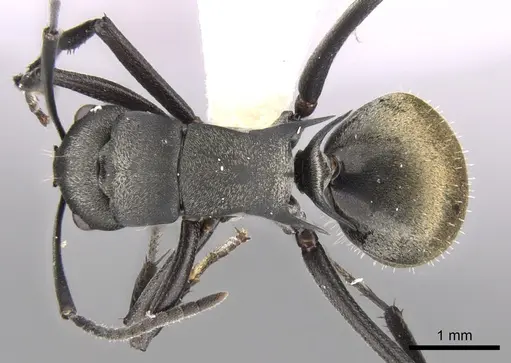
CASENT0740821
View on AntWeb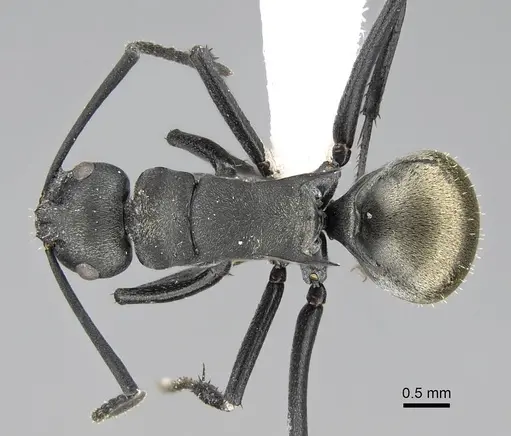
Literature
Loading...Loading products...