

Polyrhachis penelope
- Scientific Name
- Polyrhachis penelope
- Subgenus
- Hagiomyrma
- Tribe
- Camponotini
- Subfamily
- Formicinae
- Author
- Forel, 1895
- Distribution
- Found in 1 countries
Polyrhachis penelope Overview
Polyrhachis penelope is an ant species of the genus Polyrhachis. It is primarily documented in 1 countries , including Australia. Detailed taxonomic data and occurrence records can be further explored via authoritative databases such as AntWeb or the Global Biodiversity Information Facility (GBIF).
Polyrhachis penelope
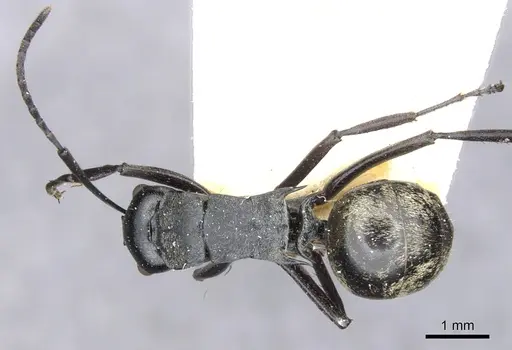
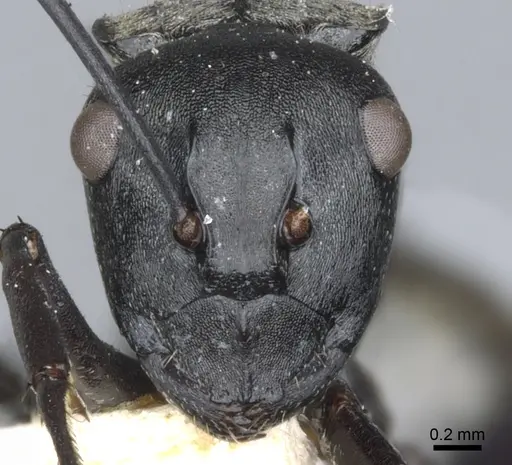
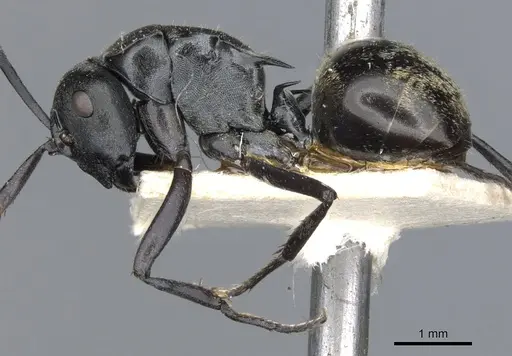
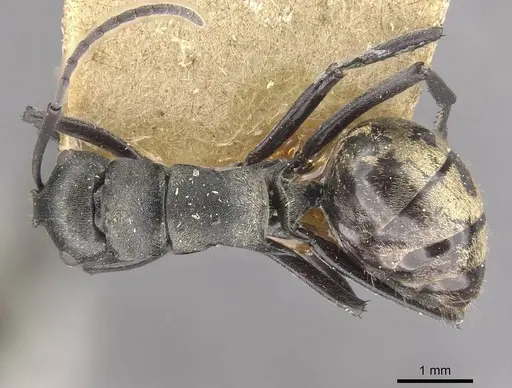
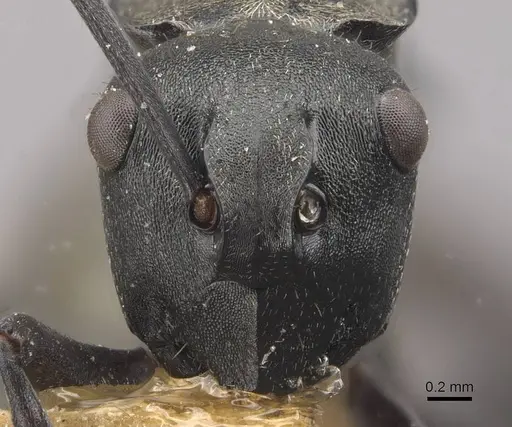
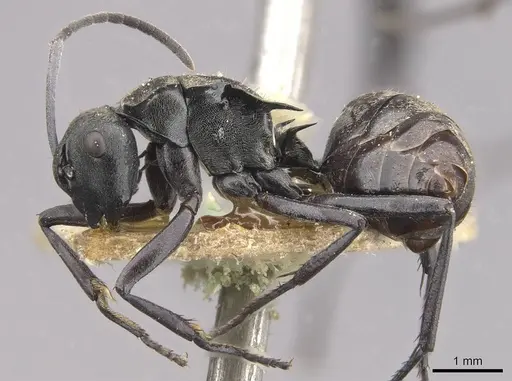
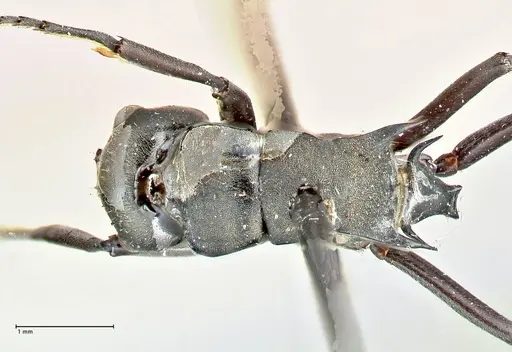
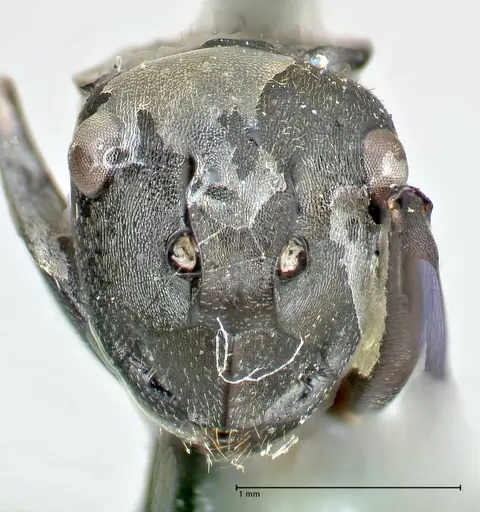
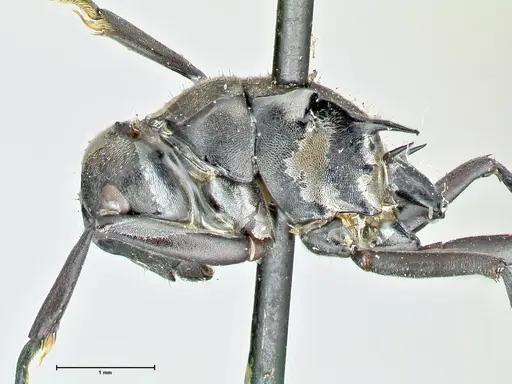
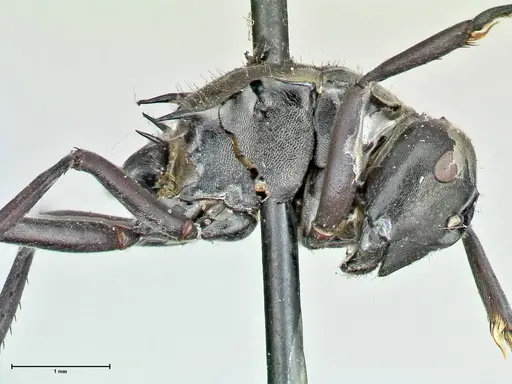
Polyrhachis penelope is a distinctive Australian ant species belonging to the subgenus Hagiomyrma, characterized by its moderately large workers (6.50-7.61mm) and prominent spines on the mesosoma and petiole [1]. These ants are black with reddish-brown mandibular teeth and feature a dense golden pubescence on their gaster that gives them a somewhat fuzzy appearance. The species is a member of the penelope species-group and is known for its ground-nesting habits in open eucalypt forests along the Queensland coast [1][2]. Queens reach approximately 8.52mm and are similar in appearance to workers but with the typical sexual characters [1]. This species represents an interesting keeping opportunity for antkeepers interested in Australian Formicinae, though it remains uncommon in the hobby.
Quick Summary
- Difficulty: Medium
- Origin & Habitat: Queensland, Australia, centered on Mackay and extending along the coast from Rockhampton to Cairns, also recorded from New Guinea and New Britain. Inhabits open eucalypt forests and woodlands [1][2].
- Colony Type: Colony structure is unconfirmed, likely monogyne (single queen) based on typical Polyrhachis patterns. Ground-nesting species with one documented nest in a rotten tree stump [1].
- Size & Growth:
- Queen: ~8.52mm [1]
- Worker: 6.50-7.61mm [1]
- Colony: Unknown, no colony size data available for this species
- Growth: Moderate, inferred from typical Polyrhachis growth patterns
- Development: Estimated 6-10 weeks based on typical Formicinae development at optimal temperature (Direct development data unavailable for this species, estimates based on genus-level patterns)
- Antkeeping:
- Temperature: Aim for 22-26°C with a gentle gradient. As a Queensland species from subtropical coastal areas, they prefer warm conditions but can tolerate room temperature in most homes
- Humidity: Moderate humidity around 50-60%. Being a ground-nesting species from open forests, they prefer substrate that dries out between waterings rather than constantly moist conditions
- Diapause: Likely, Queensland temperate ants typically experience reduced activity during cooler months. Provide a cool period (15-18°C) for 2-3 months during winter
- Nesting: Ground-nesting species that accepts test tubes for founding and acrylic or plaster nests for established colonies. Provide a deep enough nest chamber to accommodate their moderate size. A Y-tong or similar formicarium with compact chambers works well
- Behavior: Generally calm and non-aggressive workers. As Formicinae, they possess an acidopore and can spray formic acid as a defense mechanism, though this is rarely a concern for keepers. Workers are moderately active foragers. Escape risk is moderate due to their size, standard barrier methods work well. They are not known to be particularly escape-prone compared to smaller species
- Common Issues: Ground-nesting behavior means they need deeper nest chambers than arboreal species, Queens may be difficult to locate as this species is uncommon in its native range, Limited availability in the antkeeping hobby means founding colonies may require wild-caught queens, Winter dormancy can cause colony stagnation if temperatures drop too suddenly, As a less-studied species, exact care requirements are based on genus-level inference rather than specific research
Nest Preferences and Setup
Polyrhachis penelope is a ground-nesting species that naturally establishes nests in soil, often beneath rocks or in rotting wood [1]. In captivity, they readily accept test tube setups for colony founding, use a standard test tube with a water reservoir secured with cotton, providing enough depth for the queen to seal herself in a dark chamber. Once the colony reaches 15-20 workers, transition to a proper formicarium. Y-tong nests, acrylic nests, or plaster nests all work well. Because they are ground-nesters rather than arboreal, provide nest chambers that are appropriately scaled to their moderate size (workers reach 6.5-7.6mm) with passages wide enough for comfortable movement. Include a foraging area that allows for typical foraging behavior, these ants will venture out to collect food rather than remaining strictly within nest chambers.
Feeding and Diet
As a Formicinae species, Polyrhachis penelope is likely omnivorous with a preference for protein-rich foods. In captivity, offer a varied diet including small insects (fruit flies, small crickets, mealworms) as the primary protein source. They will also accept sugar sources such as honey water or sugar water, placed in a shallow dish with a cotton wick to prevent drowning. Like most Polyrhachis species, they are likely to be moderate feeders, offer protein 2-3 times per week and keep sugar water available constantly. Remove uneaten prey after 24-48 hours to prevent mold issues. Fresh fruit can occasionally be offered as an additional sugar source. Observe your colony's preferences, some colonies are more enthusiastic about certain foods than others.
Temperature and Seasonal Care
Being from the Queensland coast (Mackay to Cairns), this species prefers warm conditions in the low-to-mid 20s Celsius. Maintain nest temperatures around 22-26°C for optimal brood development. A heating cable or mat placed on one side of the nest can create a temperature gradient, allowing the ants to self-regulate by moving between warmer and cooler areas. During the Australian winter (roughly June-August), Queensland experiences cooler temperatures, so you should provide a diapause period. Reduce temperatures to 15-18°C for 2-3 months during the cooler season. This can be achieved by moving the colony to a cooler room or simply reducing any heating. Do not feed heavily during diapause and minimize disturbances. The colony may show reduced activity, which is normal. [1]
Behavior and Handling
Polyrhachis penelope workers are generally calm and not prone to excessive aggression. As members of the Formicinae subfamily, they possess an acidopore (the opening of their formic acid gland) and can spray formic acid when threatened, though this is a minor defense mechanism that rarely affects keepers. Workers are moderately active and will establish regular foraging patterns once the colony is established. Their moderate size (6.5-7.6mm) makes them easy to observe and handle when necessary. Escape prevention is straightforward, standard barriers work well since they are not particularly small or agile. When the colony grows, you may observe workers patrolling the foraging area in search of food. They do not exhibit extreme territorial behavior and typically remain calm during nest inspections. [1]
Colony Establishment
Starting a Polyrhachis penelope colony requires locating a freshly mated queen, which may be challenging given this species' limited distribution and uncommon status. If you obtain a queen, she should be placed in a test tube setup with a water reservoir. Like most Formicinae, she is likely claustral, she will seal herself in a chamber and survive on her stored fat reserves while raising the first brood. Do not disturb her during this founding period, which may last 4-8 weeks depending on temperature. Once the first workers (nanitics) emerge, they will begin foraging. At this point, you can connect the test tube to a foraging area. Wait until you have 15-20 workers before transitioning to a proper formicarium. Growth rate is moderate, expect several months to reach a established colony with 50+ workers.
Frequently Asked Questions
How long does it take for Polyrhachis penelope queens to raise their first workers?
Based on typical Formicinae development, expect 6-10 weeks from egg to first worker at optimal temperatures (22-26°C). The exact timeline depends on temperature and other factors. The claustral queen will remain sealed in her chamber until the first workers emerge.
What temperature do Polyrhachis penelope ants need?
Keep them at 22-26°C for optimal development. As a Queensland coastal species, they prefer warm conditions. A heating cable on one side of the nest creates a beneficial gradient. Room temperature in most homes falls within or near this range.
Can I keep multiple Polyrhachis penelope queens together?
This is not recommended. While colony structure is unconfirmed for this species, Polyrhachis are typically monogyne (single queen). Combining unrelated foundress queens often leads to fighting and colony failure.
Do Polyrhachis penelope ants need hibernation?
Yes, provide a cool period during winter months. Reduce temperatures to 15-18°C for 2-3 months (roughly June-August, matching Australian seasons). Reduce feeding during this period and avoid disturbing the colony.
What do Polyrhachis penelope ants eat?
They are omnivorous. Offer small insects (fruit flies, small crickets, mealworms) as the primary protein source 2-3 times per week. Keep sugar water or honey water available constantly. They may also accept occasional fruit.
How big do Polyrhachis penelope colonies get?
Exact colony size data is not available for this species. Based on worker size (6.5-7.6mm) and typical Polyrhachis patterns, colonies likely reach several hundred workers over several years.
Are Polyrhachis penelope ants good for beginners?
This species is rated as medium difficulty. They are less commonly kept than many Camponotus or Lasius species, so less caretaker guidance is available. However, their care requirements are straightforward if you can obtain a queen. Their moderate size and calm temperament make them manageable.
When should I move my Polyrhachis penelope colony to a formicarium?
Wait until the colony has 15-20 workers before transitioning from a test tube to a proper formicarium. The colony should be actively foraging and consuming food regularly. Make the transition gradually by connecting the test tube to the formicarium and allowing workers to explore before moving the queen.
Where is Polyrhachis penelope found in the wild?
This species is native to Queensland, Australia, with a distribution centered on Mackay and extending along the coast from Rockhampton to Cairns. It is also recorded from New Guinea and New Britain. They inhabit open eucalypt forests and woodlands, nesting in the ground [1][2].
References

This caresheet is licensed under CC BY-SA 4.0 .
Literature
Loading...Loading products...