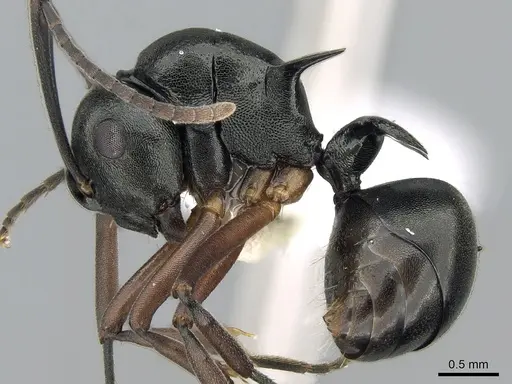
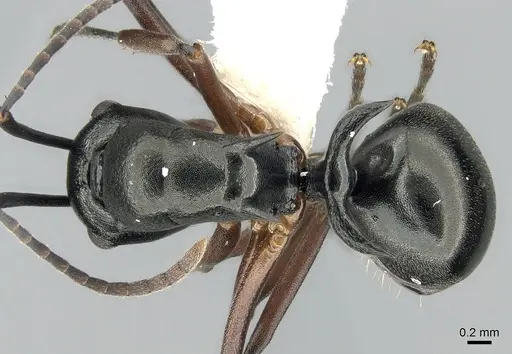
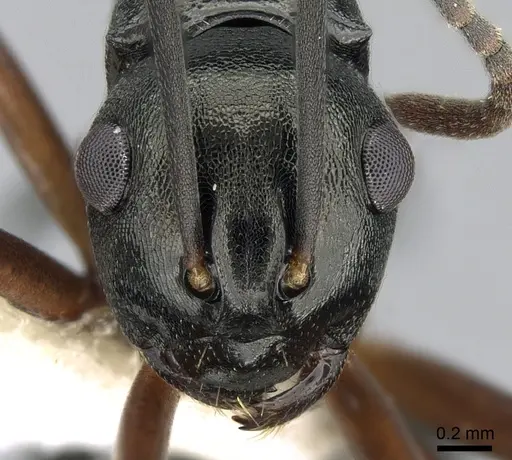
Polyrhachis lucidula - "N/A (often referred to by genus, e.g., 'Polyrhachis ant')"
Polyrhachis lucidula is a species of ant belonging to the Formicinae subfamily. These ants are notable for their general Polyrhachis characteristics, which often include a somewhat spiny or ornate mesosoma (thorax) and petiole, though specific details for P. lucidula are less documented than for other species in the genus. Workers across the Polyrhachis genus typically range from 5-10mm in length. They are found in tropical to warm temperate regions of the Old World. As with many Polyrhachis, they are known for their varied nesting behaviors, which can include arboreal (tree-dwelling), lignicolous (wood-dwelling), lithocolous (rock-dwelling), terrestrial, or even subterranean nests.
- Difficulty: Medium
- Origin & Habitat: Cambodia, Myanmar, China, Singapore, and generally across tropical to warm temperate regions of the Old World. in Forests, diverse habitats ranging from tropical rainforests to dry regions, and even mangroves. They can be found foraging on the ground, in shrubs, or trees..
- Colony Type: Monogyne (single queen) or Polygyne (multiple queens). While some Polyrhachis species are monogynous, others like Polyrhachis illaudata and Polyrhachis dives are known to be polygynous., semi-claustral (queen requires food during the founding stage). some polyrhachis species are semi-claustral, meaning the queen needs to forage for food while establishing her colony. founding.
- Size & Growth:
- Queen: Not specified
- Worker: 5-10mm
- Colony: Medium (thousands). While specific data for Polyrhachis lucidula is limited, other Polyrhachis species can reach colony sizes of up to 2,000 workers.. Medium to Fast. Some Polyrhachis species are noted to have a good growth rate, especially when conditions are optimal. growth.
- Antkeeping:
- Temperature: Preferred temperature range is typically 24-30°C, with an optimal range around 27-29°C to support brood development..
- Humidity: Humidity levels should generally be maintained between 50-75% in the nest and 50-80% in the outworld. They are quite tolerant of humidity fluctuations, but a higher humidity in the nest is beneficial..
- Diapause: Not required. Not specified at Not specified.
- Nesting: Many Polyrhachis species are known as weaver ants, utilizing larval silk to construct nests from various materials like leaves, twigs, or even specialized weaving balls. They often prefer arboreal setups. They can also nest under bark, in rotten logs, or even in the ground. For captive setups, large basins with ample space and materials like hemp fibers, spiderwood, or bamboo are ideal..
- Behavior: Medium (towards handler, food or other ants). They can be quite bold in defending their nest and may spray formic acid when threatened. aggressiveness.
- Common Issues: Humidity fluctuations leading to desiccation, Lack of suitable nesting materials for weaving, Insufficient space for colony growth, Inadequate ventilation leading to mold, Queen stress during founding.
Polyrhachis ants, including P. lucidula, are renowned for their distinctive nest-weaving abilities. They ingeniously use silk produced by their own larvae to bind together leaves, twigs, or other available materials, crafting intricate nests. Providing suitable weaving materials like hemp fibers, spiderwood, or bamboo structures in their formicarium is crucial for these ants to express this natural behavior, which is fascinating to observe for any ant enthusiast.
Temperature and humidity are critical for the thriving of a Polyrhachis lucidula colony. While these ants are generally quite hardy and adaptable, maintaining stable warmth, ideally between 27-29°C, greatly supports their brood development and overall activity. Consistent humidity, especially within the nest, prevents issues like desiccation, which can be a common pitfall in antkeeping.
Feeding Polyrhachis lucidula requires a balanced diet of sugars and proteins. They readily accept various insect feeders such as fruit flies, crickets, and mealworms for their protein needs. For carbohydrates, offer them sugar water, honeydew, or beetle jelly. Observing their feeding habits and adjusting the frequency and type of food based on colony size and activity will ensure a healthy and growing colony.
Given their arboreal tendencies and weaving behavior, the enclosure for Polyrhachis lucidula should be designed with vertical space and plenty of surfaces for them to build upon. Large outworlds with good ventilation are recommended, allowing them ample space for foraging and exhibiting their natural behaviors. Ensure that any escape prevention methods are effective, as these ants can be quite agile and may attempt to climb vertical surfaces.
While specific information on P. lucidula's caste system beyond basic workers is not extensively documented, many Polyrhachis species are monomorphic, meaning their workers are similar in size without distinct major or minor castes. However, like other ants, they will have queens, workers, and alates during nuptial flights.
Frequently Asked Questions
What kind of nest setup is best for Polyrhachis lucidula?
For these fascinating weaver ants, a spacious formicarium with ample vertical elements like cork bark, bamboo tubes, or even specialized weaving balls is ideal. They’ll use silk from their larvae to construct intricate nests, so providing materials such as hemp fibers, dried moss, or small twigs is crucial for their well-being and for you to enjoy their unique building skills. Good ventilation is also a must for their outworld.
Do Polyrhachis lucidula queens need to be fed during the founding stage?
Yes, Polyrhachis lucidula queens are considered semi-claustral. This means that unlike fully claustral queens, they require supplemental feeding during the colony founding phase. A small drop of sugar water can encourage egg-laying, and once nanitics arrive, they'll need protein from tiny insects.
What's the ideal temperature and humidity for a Polyrhachis lucidula colony?
These ants thrive in warmer conditions. Aim for a temperature range of 24-30°C, with an optimal zone around 27-29°C, particularly for brood development. Humidity in the nest should ideally be kept between 50-75%, while the outworld can be a bit drier, around 50-80%. While they are somewhat tolerant, maintaining these levels will help your colony flourish.
Are Polyrhachis lucidula aggressive towards keepers or other ants?
Polyrhachis lucidula can be quite bold and defensive when they feel threatened. They are known to spray formic acid as a defense mechanism, so it's wise to exercise caution when interacting with their setup. While not typically aggressive towards other ants in a cohabitation setup (which is generally not recommended anyway), their defensive nature is worth noting for handler interactions.
What do Polyrhachis lucidula ants eat?
Like most ant species, Polyrhachis lucidula require a mix of protein and carbohydrates. For protein, offer them various insects like fruit flies, crickets, mealworms, or redrunners. For their energy needs, provide sugar water, ant nectar, or beetle jelly. A varied diet helps ensure a healthy and vigorous colony.
Do Polyrhachis lucidula require diapause (hibernation)?
No, Polyrhachis lucidula do not require a diapause period. Originating from tropical and warm temperate regions, they are accustomed to consistent warm temperatures year-round.
How large can a Polyrhachis lucidula colony get?
While precise numbers for P. lucidula can be elusive, other Polyrhachis species can reach colony sizes of up to a few thousand workers, often in the range of 100-2000 individuals. Their growth rate is generally considered medium to fast under optimal conditions.
What are the common challenges when keeping Polyrhachis lucidula?
Keepers might face issues like maintaining consistent humidity, especially in setups with high ventilation. Ensuring they have enough suitable material for their weaving nests is another common challenge. Also, queen stress during the semi-claustral founding phase can sometimes lead to colony stalling. Proper ventilation is key to prevent mold, and avoiding overfeeding helps manage waste.
Can I keep multiple queens together (pleometrosis) with Polyrhachis lucidula?
Yes, some Polyrhachis species, including those related to lucidula, are known to be polygynous, meaning they can have multiple queens in a single colony and may engage in pleometrosis (cooperative colony founding by multiple queens).
Do Polyrhachis lucidula have different worker castes like majors or soldiers?
Generally, Polyrhachis species tend to be monomorphic, meaning their workers are all similar in size and do not have distinct major or minor castes for specialized roles like soldiers. However, like all ant colonies, they will have queens, workers, and reproductive alates (winged ants) during their nuptial flight season.
What kind of outworld setup is best for Polyrhachis lucidula?
An ideal outworld for Polyrhachis lucidula should be spacious and allow for their active foraging behaviors. Incorporate natural elements such as branches, cork bark, and artificial plants to mimic their arboreal habitat. Given their climbing abilities, effective escape prevention methods, like a fluon barrier, are essential to keep your colony contained.
How long does it take for Polyrhachis lucidula eggs to develop into workers?
Specific development times for Polyrhachis lucidula can vary, but generally, ant brood development from egg to worker can take several weeks, influenced heavily by temperature and nutrition. Maintaining optimal conditions will help ensure a healthy and efficient growth cycle.