

Polyrhachis abbreviata
- Scientific Name
- Polyrhachis abbreviata
- Subgenus
- Cyrtomyrma
- Tribe
- Camponotini
- Subfamily
- Formicinae
- Author
- Kohout, 2006
- Distribution
- Found in 1 countries
Polyrhachis abbreviata Overview
Polyrhachis abbreviata is an ant species of the genus Polyrhachis. It is primarily documented in 1 countries , including Australia. Detailed taxonomic data and occurrence records can be further explored via authoritative databases such as AntWeb or the Global Biodiversity Information Facility (GBIF).
Polyrhachis abbreviata
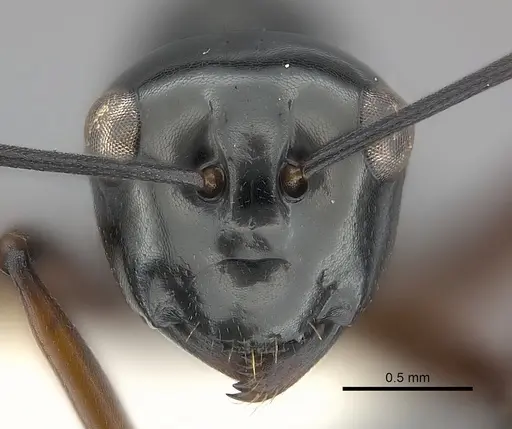
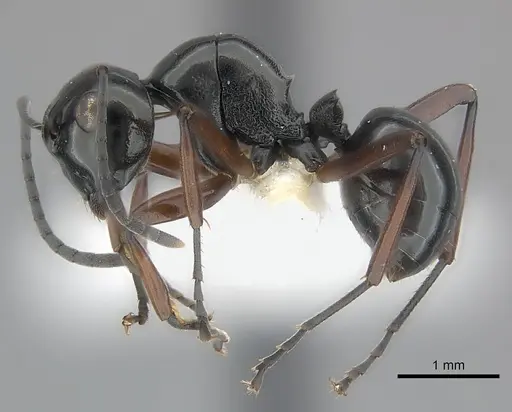
Polyrhachis abbreviata is a small, dark ant native to Queensland's Wet Tropics in Australia. Workers measure 4.7-5.5mm with a distinctive black body and strikingly yellow, orange, or reddish-brown legs that contrast sharply against their dark abdomen. The queen reaches about 7.2mm and closely resembles workers except for her larger size and typical queen body features. This species belongs to the subgenus Cyrtomyrma, which is known for building unique silk nests woven between leaves in rainforest trees and shrubs. They are closely related to Polyrhachis yorkana but can be distinguished by their smaller size and lighter-colored legs. The species is considered rare in the wild, with limited distribution in Australia's tropical rainforests.
Quick Summary
- Difficulty: Medium
- Origin & Habitat: Queensland Wet Tropics, Australia. These ants live in rainforest environments where they build nests between the leaves of trees and shrubs using larval silk and vegetation debris [1].
- Colony Type: Colony structure is unconfirmed. Based on related Polyrhachis species, they likely form single-queen colonies, but this has not been directly documented.
- Size & Growth:
- Queen: ~7.2mm [1]
- Worker: 4.7-5.5mm [1]
- Colony: Unknown, no colony size data available
- Growth: Unknown
- Development: Estimated 6-8 weeks based on typical Polyrhachis development patterns at warm temperatures (Direct development data not available for this species. Related Polyrhachis species typically develop in 6-8 weeks under optimal conditions.)
- Antkeeping:
- Temperature: Keep at 24-28°C. These are tropical rainforest ants that need warm, stable temperatures. A heating cable on one side of the nest creates a gentle gradient [2].
- Humidity: High humidity is essential, aim for 70-85%. Their natural habitat is the rainforest understory where humidity stays consistently high. Keep the nest substrate moist but not waterlogged, and mist regularly to maintain humidity [2][3].
- Diapause: No, as a tropical species from Queensland's Wet Tropics, they do not require hibernation. Keep them warm year-round.
- Nesting: Arboreal nesters. In captivity, they need vertical space and materials they can weave. Provide a naturalistic setup with live or artificial plants, twigs, and leaf material they can use to build silk nests. Acrylic nests with added weaving materials or custom arboreal setups work well [2][3].
- Behavior: Generally calm and non-aggressive. They are arboreal by nature, spending most of their time in elevated nests rather than on the ground. Workers are active foragers that search for food in the vegetation. Escape risk is moderate, their small size means they can slip through small gaps, so ensure your enclosure has tight-fitting lids and check for any cracks. They do not have a potent sting, making them safe for handling.
- Common Issues: high humidity requirements can lead to mold problems if ventilation is poor, balance is key, arboreal setup is more complex than ground-nesting ant enclosures and requires more maintenance, their small size and escape-prone nature mean you need excellent barrier protection, rare species means finding colony founders can be difficult, silk nest building requires specific materials, provide leaves, moss, or artificial vegetation
Nest Preferences and Housing
Polyrhachis abbreviata is an arboreal species that naturally builds silk nests between the leaves of rainforest vegetation. In captivity, you need to replicate this by providing materials they can weave together. The key is giving them vertical space and suitable nest-building materials. A naturalistic setup works best, use an arboreal formicarium or a tall enclosure with live or artificial plants, twigs, and leaf pieces. Workers will use larval silk to bind these materials together into protective nests, just like they do in the wild. You can also provide materials like cotton wool, moss, or small fabric pieces that they can manipulate. Avoid fully enclosed acrylic nests without weaving materials, as these do not suit their natural behaviors. The enclosure should have multiple horizontal platforms or branches where they can build their nests [2][3].
Feeding and Diet
Like most Polyrhachis species, these ants are omnivorous. They likely forage for honeydew, nectar, and small insects in their natural rainforest habitat. In captivity, offer a varied diet including sugar water or honey as a constant energy source, and protein sources like small crickets, mealworms, or fruit flies. They are small ants, so prey items should be appropriately sized, tiny fruit flies and springtails are ideal. Feed protein 2-3 times per week and keep sugar water available at all times. Remove uneaten prey after 24-48 hours to prevent mold. Some Polyrhachis species also accept fruit and nectar, so you can occasionally offer small pieces of ripe fruit [1].
Temperature and Humidity
These tropical rainforest ants need warm, humid conditions to thrive. Maintain temperatures between 24-28°C year-round, they do not tolerate cool conditions. A small heating cable placed on part of the nest or enclosure helps maintain optimal temperatures, especially in cooler climates. Humidity is critical: aim for 70-85% relative humidity. Use a moisture reservoir in your formicarium or mist regularly, but ensure good ventilation to prevent stagnant air and mold. The substrate should remain consistently moist but never waterlogged. Because they are arboreal, they prefer vertical humidity gradients rather than uniform moisture. Monitor condensation on the enclosure walls, heavy condensation indicates too much moisture, while rapid drying means you need to add more [2][3].
Behavior and Colony Dynamics
Polyrhachis abbreviata is a relatively calm, non-aggressive species that makes its home in elevated vegetation. Workers are active foragers that will explore their enclosure searching for food. Unlike ground-nesting ants, they prefer to travel along branches and vertical surfaces rather than across open ground. Their silk-nesting behavior is fascinating to observe, workers work together to bind leaves and debris into protective chambers. The colony will likely grow slowly at first, with the queen producing eggs that develop through larvae and pupae into workers. Unlike some ant species, their pupae do not have cocoons, which is characteristic of the subgenus Cyrtomyrma [2][3]. The queen likely remains in the nest tending to brood, while workers handle foraging, nest maintenance, and defense.
Frequently Asked Questions
Can I keep Polyrhachis abbreviata in a test tube?
A test tube alone is not ideal. These are arboreal ants that need vertical space and materials to weave silk nests. Use an arboreal formicarium or a naturalistic setup with plants, twigs, and leaves instead. A test tube can serve as a founding chamber, but you will need to move them to a proper arboreal setup once the colony grows.
How long does it take for the first workers to appear?
The exact development time is unknown for this species, but based on related Polyrhachis species, expect 6-8 weeks from egg to worker at optimal temperatures (24-28°C). Founding colonies grow slowly, so be patient during the claustral period.
Are Polyrhachis abbreviata good for beginners?
They are rated as medium difficulty. While not aggressive, their arboreal nature and high humidity requirements make them more challenging than typical ground-nesting ants. Beginners should have some antkeeping experience before attempting this species.
What do Polyrhachis abbreviata eat?
They are omnivores. Offer sugar water or honey constantly, and protein sources like small crickets, fruit flies, or mealworms 2-3 times per week. They may also accept small pieces of fruit.
Do they need hibernation?
No. As a tropical species from Queensland's Wet Tropics, they do not require hibernation. Keep them warm year-round at 24-28°C.
How big do Polyrhachis abbreviata colonies get?
Colony size data is not available for this rare species. Based on related Polyrhachis species, colonies likely reach several hundred workers at maturity, but growth is relatively slow.
Why are my Polyrhachis abbreviata dying?
Common causes include: low humidity (they need 70-85%), temperatures below 24°C, poor ventilation causing mold, or escape through small gaps. Check your setup and ensure their needs are being met. Also ensure you are not overfeeding, as uneaten prey mold can be harmful.
Can I keep multiple queens together?
This has not been documented for this species. Combining unrelated queens is not recommended as it can lead to aggression. Start with a single founding queen for best results.
When should I move them to a formicarium?
Move them when the colony reaches 15-20 workers and you see them building active silk nests. A naturalistic arboreal setup is best, avoid closed acrylic nests without weaving materials.
References

This caresheet is licensed under CC BY-SA 4.0 .
CASENT0217419
View on AntWeb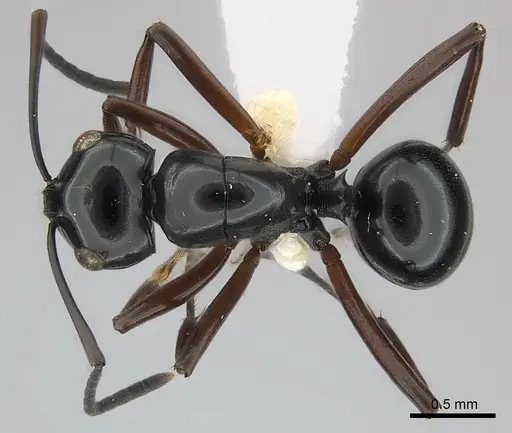
Literature
Loading...Loading products...